Rabbit Spay/Neuter: What You Need to Know
Essential guide to rabbit spaying and neutering: health benefits, safety, timing, and behavioral improvements.
Rabbit Spay and Neuter: What You Need to Know
One of the most important health decisions you can make for your pet rabbit is whether to spay or neuter. While this procedure has long been standard practice for cats and dogs, many rabbit owners remain uncertain about its necessity, safety, and benefits. The truth is that spaying and neutering rabbits is one of the most significant steps you can take to ensure your bunny lives a long, healthy, and happy life. This comprehensive guide will help you understand everything you need to know about rabbit spay and neuter procedures.
Understanding Rabbit Reproduction
Before discussing the benefits of spaying and neutering, it’s important to understand how rabbit reproduction works. Rabbits are classified as “induced ovulators,” which means that female rabbits will release eggs from their ovaries when an unfixed male is nearby. This biological trait makes accidental breeding remarkably easy in households with both male and female rabbits.
Unfixed female rabbits can produce a litter of one to twelve kits every 30 days, and unlike many other animals, they do not experience distinct breeding seasons in home settings. A female rabbit can become pregnant again almost immediately after giving birth, sometimes even within hours. Even brief contact between an unfixed male and female rabbit can result in pregnancy. This reproductive capacity underscores why spaying and neutering is so critical for rabbit owners who want to prevent unwanted litters.
Major Health Benefits of Spaying and Neutering
Cancer Prevention and Life Expectancy
The most compelling reason to spay or neuter your rabbit is cancer prevention. Reproductive cancers pose a serious threat to unaltered rabbits, particularly females. Studies demonstrate that unspayed female rabbits have a staggeringly high risk of developing uterine cancer—between 60 to 80 percent by the age of four to five years. This risk increases with age, meaning the longer your female rabbit remains intact, the greater her likelihood of developing reproductive cancer.
Spaying your female rabbit virtually eliminates the risk of uterine, ovarian, and mammary gland cancers. While male rabbits face a lower cancer risk than females, neutering eliminates the possibility of testicular and prostate cancer. Beyond cancer prevention, spayed and neutered rabbits typically live longer, healthier lives compared to their unaltered counterparts.
Preventing Accidental Litters
If you have both male and female rabbits, preventing accidental breeding is essential unless you specifically plan to breed your rabbits. Once accidental breeding occurs, you face significant responsibilities including veterinary care for the mother, proper housing for the kits, and eventually finding homes for potentially multiple babies. The financial and time commitments can be substantial, making spaying and neutering the most practical approach.
Reducing Behavioral Problems
Spaying and neutering dramatically reduces hormone production in rabbits, which curbs numerous behavioral issues. Many rabbits with poor litter box habits are unaltered. Once spayed or neutered, rabbits typically show significant improvement in their bathroom habits, as territorial marking behavior diminishes.
Additional behavioral benefits include:
– Reduced aggression and less likelihood of biting or scratching- Decreased destructive behavior such as excessive chewing or digging- Calmer, more relaxed demeanor overall- Greater affection and friendliness toward owners and other pets- Elimination of the constant urge to procreate- Less odorous urine and droppings
Enabling Rabbit Bonding
Rabbits are inherently social creatures who thrive in the company of other rabbits. However, housing multiple unaltered rabbits together leads to breeding or fighting. Spaying and neutering enables rabbits to live together harmoniously. Same-sex pairs of rabbits can cohabitate quite nicely when both animals are sterilized. Without the drive to reproduce or establish dominance, fixed rabbits are much easier to introduce to one another and can even live in coed colonies without the risk of unwanted litters.
Gender-Specific Benefits
Benefits of Spaying Female Rabbits
Female rabbits benefit enormously from spaying. Beyond the dramatic reduction in cancer risk, spaying prevents pseudo-pregnancy—a stressful condition where unspayed does experience hormonal changes without actual pregnancy. The procedure also eliminates territorial aggression and urine spraying, both of which can be problematic in household settings.
Benefits of Neutering Male Rabbits
Male rabbits benefit significantly from neutering, particularly regarding behavioral improvements. Unneutered male rabbits frequently spray urine with a potent odor throughout the home to mark territory—a behavior that ceases after neutering. Neutering also reduces sexual aggression in male rabbits, which can be surprisingly intense and should not be underestimated. Intact males can display mean behavior when sexually frustrated. Additionally, neutering male rabbits reduces the risk of testicular and prostate disease.
Is Spay and Neuter Surgery Safe for Rabbits?
A common concern among rabbit owners is whether spaying and neutering is safe for their pets. While all surgical procedures involving anesthesia carry some inherent risk, spaying and neutering rabbits is considered a safe, low-risk procedure when performed by a veterinarian experienced with rabbits. Most exotic animal veterinarians agree that the benefits of spaying or neutering substantially outweigh the minimal risks in the vast majority of cases.
The key to ensuring safety is working with a qualified veterinarian who has specific experience with rabbit anesthesia and surgery. Modern anesthetic protocols for rabbits are well-established and safe when administered by knowledgeable professionals. Pre-operative examinations help identify any potential health concerns before surgery, and post-operative care instructions ensure proper recovery.
When Should You Spay or Neuter Your Rabbit?
Optimal Timing
The timing of spaying and neutering depends on your rabbit’s age and sex. Female rabbits can typically be spayed around 4 to 6 months of age, though timing may vary depending on your specific veterinarian’s recommendations. Male rabbits can be neutered as soon as their testicles descend, usually around 10 to 12 weeks of age.
There is no health benefit to neutering before 4 months of age. However, spaying females before two years of age is particularly beneficial, as the incidence of uterine and mammary gland disease increases significantly after this age. This suggests that earlier spaying provides maximum protection against these serious health conditions.
What to Expect During and After Surgery
Pre-Surgery Preparation
Before surgery, your veterinarian will conduct a thorough health examination and may recommend blood work to ensure your rabbit is healthy enough for anesthesia. Fasting instructions typically apply before the procedure. Discuss any concerns with your veterinarian and ensure they have extensive rabbit surgery experience.
The Surgery Process
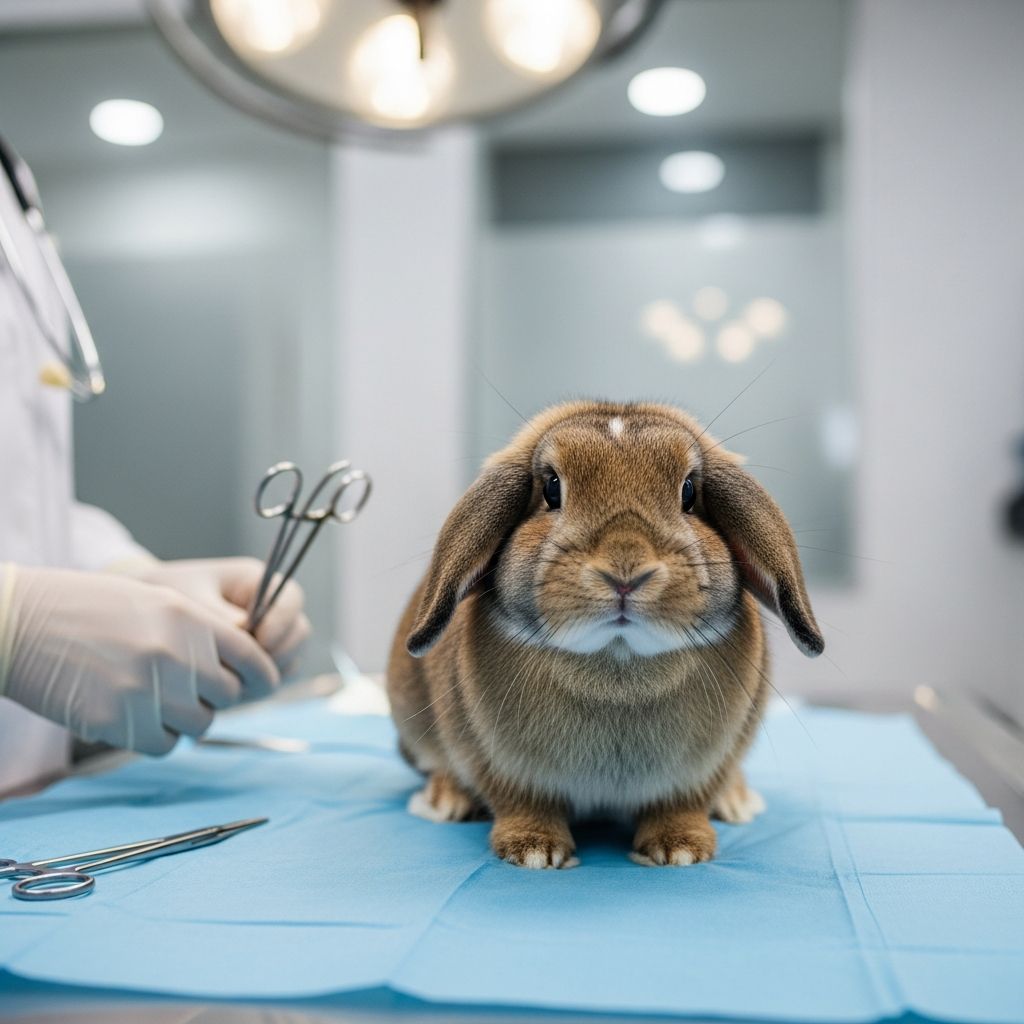
The spay and neuter procedures are straightforward surgical interventions performed under general anesthesia. Spaying involves removing the uterus and ovaries through an incision, while neutering involves removing the testicles. Modern surgical techniques and anesthetic protocols make these procedures routine for experienced exotic veterinarians.
Recovery and Aftercare
Post-operative care is crucial for proper healing. Your veterinarian will provide specific instructions regarding pain management, activity restriction, and incision care. Most rabbits recover quickly and can return to normal activities within a few days, though complete healing takes longer. Monitor the incision site for signs of infection and contact your veterinarian immediately if you notice complications.
Common Questions About Rabbit Spay and Neuter
Q: Is my rabbit too old to be spayed or neutered?
A: Most exotics veterinarians believe that the benefits of spaying or neutering often outweigh the risks, even in older adult rabbits, provided the rabbit is in reasonably good health.
Q: Will spaying or neutering change my rabbit’s personality?
A: Yes, but in positive ways. Most rabbits become calmer, more affectionate, and emotionally stable after the procedure as the urge to mate is removed.
Q: How much does rabbit spay and neuter surgery cost?
A: Costs vary by location and veterinarian, but both procedures are generally affordable. Contact your local exotic veterinarian for specific pricing information.
Q: Can rabbits live together after spaying and neutering?
A: Yes, with proper introductions and bonding, spayed and neutered rabbits can live together harmoniously, including same-sex pairs, which would be impossible without alteration.
Q: What if I want to breed my rabbit?
A: If you have intentional breeding plans, consult with an experienced exotic veterinarian and rabbit breeding expert before making decisions about spaying or neutering.
Q: Are there any risks to spaying or neutering?
A: Like all surgical procedures, some risk exists, but it is minimal when performed by an experienced exotic veterinarian. The health benefits far outweigh these risks for most rabbits.
Comparing Spayed/Neutered vs. Intact Rabbits
| Factor | Spayed/Neutered Rabbits | Intact Rabbits |
|---|---|---|
| Cancer Risk | Virtually eliminated | Up to 80% for females by age 5 |
| Life Expectancy | Longer lifespan | Shorter lifespan due to health risks |
| Behavioral Issues | Significantly reduced aggression and destructive behavior | Aggression, territorial marking, constant breeding urge |
| Litter Box Habits | Generally excellent with minimal odor | Spraying and territorial marking common |
| Bonding with Other Rabbits | Can live together harmoniously | Fighting and breeding problems common |
| Affection Level | More friendly and affectionate | More aloof and driven by reproductive urges |
| Health Complications | Minimal reproductive health issues | Reproductive infections and cancers common |
Making the Decision
For the vast majority of rabbit owners, spaying and neutering is the right choice. The health benefits—particularly cancer prevention—combined with significant behavioral improvements and the ability to house multiple rabbits together make these procedures invaluable for rabbit welfare. Unless you have specific, intentional breeding plans with expertise in rabbit genetics and breeding practices, spaying and neutering your rabbit is the most responsible choice you can make for your pet’s long-term health and happiness.
Discuss your specific situation with an experienced exotic veterinarian who can provide personalized advice based on your rabbit’s age, health status, and your household situation. Together, you can make an informed decision that sets your rabbit up for the longest, healthiest, and happiest life possible.
References
- Spay and Neuter Surgery — House Rabbit Society. Accessed 2025-11-28. https://houserabbit.org/spay-and-neuter-surgery
- A Complete Guide to Spaying or Neutering Your Rabbit — Oxbow Animal Health. Accessed 2025-11-28. https://oxbowanimalhealth.com/blog/the-importance-of-spaying-or-neutering-your-rabbit/
- Rabbit Spay/Neuter Information & Resources — Rabbit Resource. Accessed 2025-11-28. https://rabbitresource.org/rabbit-care-information-and-resources/spay-neuter-information-and-resources/
- Spaying and Neutering Rabbits — Dupont Veterinary Clinic. Accessed 2025-11-28. https://www.dupontvet.com/blog/dont-let-the-benefits-of-rabbit-neutering-hop-past-you/
- Rabbit Spay & Neuter — Riverside Animal Hospital. Accessed 2025-11-28. https://riversideanimalhospitalri.com/services/rabbit-spay-neuter
- Rabbit Anaesthesia for Neutering: Do the Benefits Outweigh the Risks? — Goddard Veterinary Group. Accessed 2025-11-28. https://www.goddardvetgroup.co.uk/blog/rabbit-anaesthesia-for-neutering-do-the-benefits-outweigh-the-risks/
- Spay For Health — Rabbit.org. Accessed 2025-11-28. https://rabbit.org/care/spay-for-health/
Similar Articles








Read full bio of Sneha Tete