Rabbit Poop Guide: Understanding Your Bunny’s Droppings
Learn what your rabbit's poop reveals about their health and nutrition.
Understanding Your Rabbit’s Droppings: A Complete Guide
As a rabbit owner, you may find yourself paying close attention to your bunny’s bathroom habits more than you ever expected. While it might seem like an unusual topic, your rabbit’s poop is actually one of the most reliable indicators of their overall health and digestive wellness. Understanding what normal rabbit droppings look like and recognizing when something is amiss can help you catch health problems early and ensure your furry friend receives prompt veterinary care when needed.
The Two Types of Rabbit Droppings
Rabbits produce two distinctly different types of droppings, and understanding the difference between them is crucial for any responsible rabbit owner. Each type serves a different purpose in your rabbit’s digestive system, and both are essential for maintaining optimal health.
Fecal Pellets: The Dry Droppings
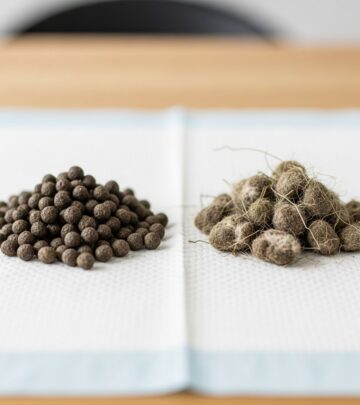
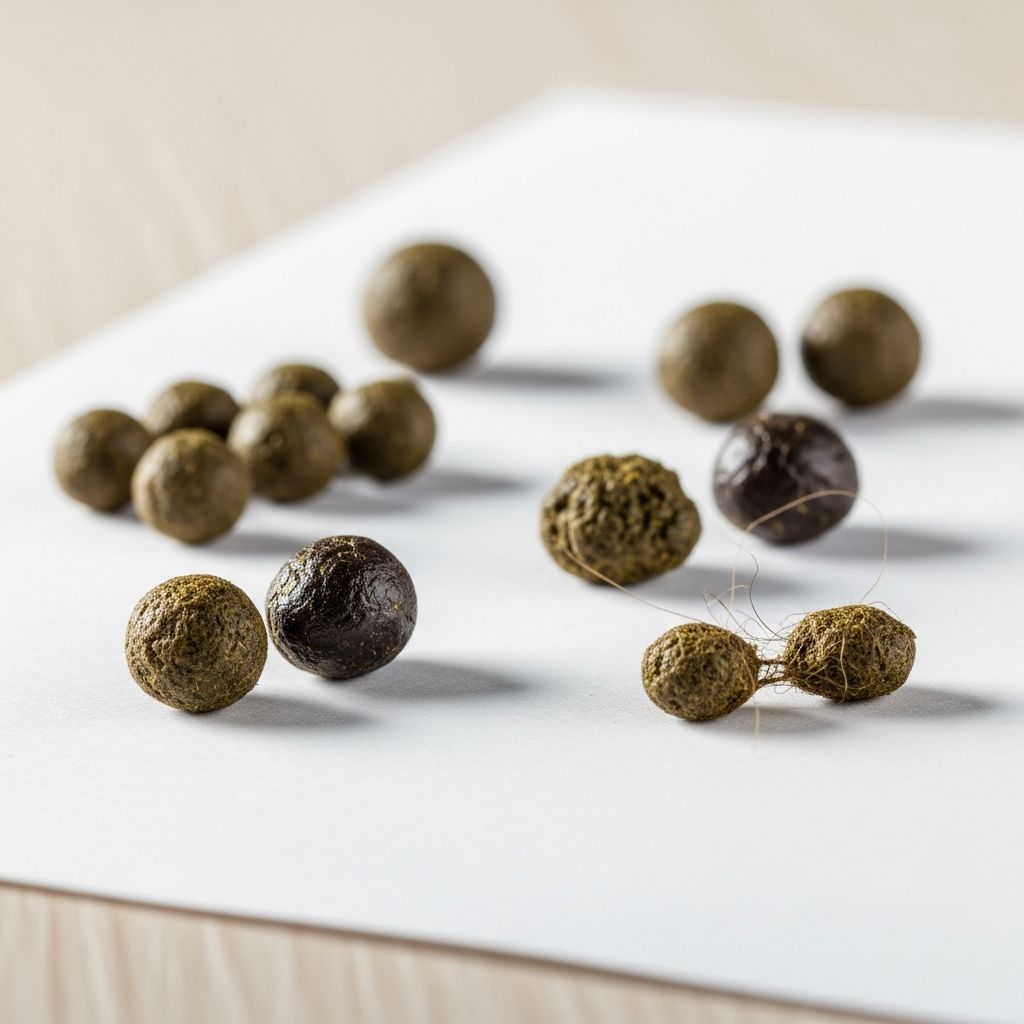
The droppings you most commonly see in your rabbit’s litter box are called fecal pellets. These are the small, round, dry pellets that resemble cocoa puffs or tiny marbles. Fecal pellets are composed primarily of undigested fiber and represent the waste material that has passed completely through your rabbit’s digestive system. Unlike cecotropes, rabbits do not typically re-ingest fecal pellets, though occasionally a rabbit may consume one as a snack.
Healthy fecal pellets should be firm but soft when first produced, and they quickly become harder while remaining easily crushable. They should appear dry and never sticky or wet. When you examine them closely, you should be able to see pieces of hay and other fibrous material within them, which is a sign that your rabbit is consuming adequate fiber.
Cecotropes: The Nutrient-Rich Soft Droppings
Cecotropes are the second type of rabbit dropping, and they play a vital role in your rabbit’s nutrition. These special droppings are softer, shinier, and often lighter in color than regular fecal pellets, typically resembling clusters of grapes or mulberries. Cecotropes are produced in the cecum, a specialized part of the rabbit’s digestive tract that contains beneficial bacteria and fungi essential for proper nutrient absorption.
Unlike fecal pellets, rabbits are designed to eat their cecotropes directly from their anus immediately after they are passed. This process might look like your rabbit is bathing their hindquarters, and you may observe them chewing while doing so. This re-ingestion is absolutely vital for your rabbit’s health because cecotropes are rich in essential nutrients including fatty acids, vitamins, minerals, proteins, and water that the rabbit’s body needs but couldn’t fully absorb during the first passage through the digestive system.
Characteristics of Healthy Rabbit Poop
Recognizing what healthy rabbit droppings should look like is the first step in monitoring your bunny’s health. Healthy rabbit poop has several distinct characteristics that you should become familiar with.
Shape and Size
Healthy fecal pellets are small, round, and uniform in size, resembling tiny marbles or cocoa puffs. The size and consistency of your rabbit’s droppings can vary somewhat depending on their diet, but uniformity is key. If you notice sudden changes in the size or shape of the pellets, this could indicate a dietary change or a potential health issue.
Consistency
Healthy rabbit fecal pellets should be firm and well-formed, but not rock-hard or brittle. They should be dry to the touch and not overly moist or sticky. When you handle them (if necessary), they should feel somewhat like compressed hay and should be easily crushable between your fingers.
Color
Healthy rabbit feces are typically dark brown or black in color, with consistent coloration throughout the pellets. The exact shade can vary based on your rabbit’s diet. Rabbits on a primarily dry diet of hay and pellets tend to produce lighter brown droppings that are larger in size and show visible pieces of hay, while rabbits consuming more fresh vegetables tend to produce darker, smaller droppings.
How Diet Affects Rabbit Droppings
The diet you provide your rabbit has a significant impact on the appearance and quality of their droppings. Understanding these dietary influences helps you ensure your rabbit is receiving proper nutrition and recognizing when diet-related changes warrant attention.
High-Fiber Diet Benefits
A high-fiber diet, primarily composed of quality hay, is essential for proper digestion and healthy poop production in rabbits. When your rabbit is consuming adequate fiber, you should expect to see firm, round, large, and golden fecal pellets. High fiber intake is not only great for gut health but also supports dental health by encouraging natural chewing behaviors that help maintain proper tooth length and alignment.
Impact of Fresh Vegetables
When rabbits consume more fresh vegetables as part of their diet, their droppings change noticeably. The droppings become darker and smaller in size, and it becomes more difficult to see pieces of fiber when examining the pellets. This is a normal dietary response and is not necessarily concerning as long as the pellets remain firm and well-formed.
Warning Signs: Abnormal Rabbit Poop
While understanding healthy droppings is important, recognizing abnormal poop is equally critical for catching health problems early. Several changes in your rabbit’s droppings warrant immediate attention and possibly a veterinary visit.
Common Poop Abnormalities
Unhealthy rabbit poop exhibits several distinguishing characteristics that indicate potential digestive or health issues. These include:
- Small and dry droppings: Small, hard, or desiccated pellets can indicate dehydration, decreased appetite, the onset of gastrointestinal stasis, insufficient fiber in the diet, disease, or medication side effects.
- Soft or mushy stools: Overly soft or runny stools can indicate problems with digestion or hydration and may suggest gastrointestinal upset.
- Misshapen droppings: Pellets that are irregular in shape or strung together with fur may indicate health issues or excessive fur ingestion.
- Inconsistent color: Droppings that vary significantly in color or appear unusually light or dark may suggest dietary problems or illness.
Serious Red Flags
Certain changes in your rabbit’s droppings require immediate veterinary attention. These include:
- Blood in the stool: Any presence of blood is a serious concern and warrants immediate veterinary evaluation.
- Mucus or mucus threads: The presence of mucus coating the droppings or mucus threads among the feces can indicate parasitic infection or gastrointestinal inflammation.
- Foreign objects: Non-food items in the poop are a red flag that your rabbit may have ingested something harmful.
- Absence of droppings: No poop production is a medical emergency indicating potential gastrointestinal stasis, a life-threatening condition.
Cecotrope Consumption and Health
Monitoring whether your rabbit is eating their cecotropes is an important aspect of health management. If your rabbit is not consuming their cecotropes regularly, this could indicate dietary or health problems that need addressing. You may notice your rabbit is abandoning their cecotropes if they have changed in quality or smell, which sometimes occurs when a rabbit is sick or receiving certain medications. Any significant change in cecotrope consumption should be discussed with your veterinarian.
Keeping a Poop Chart for Your Rabbit
One of the most valuable tools you can use to monitor your rabbit’s health is maintaining a detailed poop chart. This simple but effective practice involves regularly observing and recording information about your rabbit’s droppings.
What to Track
- Poop color: Note the color of your rabbit’s feces and any variations. Healthy rabbit poop is typically dark brown or black.
- Poop consistency: Describe whether the fecal pellets are firm and well-formed or if they appear soft, mushy, or dry.
- Size and shape: Record whether the pellets are uniform in size and round in shape.
- Frequency: Note how often your rabbit is producing droppings.
- Additional observations: Use this section to note any other concerns, including changes in behavior, appetite, activity level, or any other symptoms you observe.
Benefits of Tracking
Keeping a detailed and consistent poop chart serves multiple important purposes. It can be an invaluable tool for detecting early signs of health issues, enabling you to seek treatment as quickly as possible. If you need to visit your veterinarian, a detailed poop chart provides them with concrete information that makes diagnosis easier and more accurate. Many rabbit owners find that showing their vet detailed notes about their rabbit’s poop helps expedite their rabbit’s recovery and demonstrates the level of care and attention the owner provides.
Diet and Digestive Health
Maintaining your rabbit’s digestive health through proper diet is fundamental to ensuring healthy droppings and overall wellness. A balanced diet specifically designed to support digestive function is essential.
The Importance of Fiber
Rabbits are herbivores that evolved eating grasses and plants, making high fiber intake essential for their digestive system to function properly. The recommended diet for rabbits should consist primarily of unlimited quality hay, which provides the necessary fiber to maintain healthy digestion and support proper cecotrope production. Without adequate fiber, your rabbit’s digestive system cannot function optimally, leading to changes in droppings and potentially more serious health issues.
Balanced Nutrition
Beyond fiber, rabbits require a balanced diet that includes appropriate amounts of protein, vitamins, and minerals. Quality pellets formulated specifically for rabbits, combined with hay and limited fresh vegetables, provide a well-rounded diet. Changes in diet should be made gradually to allow your rabbit’s digestive system to adjust, as sudden dietary changes can cause gastrointestinal upset and abnormal droppings.
When to Contact Your Veterinarian
Knowing when to seek veterinary care for poop-related concerns is crucial for your rabbit’s health. Contact your veterinarian if you notice:
- Your rabbit’s poop is small, hard, or inconsistent in color
- Droppings appear abnormal in any way and you’re unsure what the problem might be
- Your rabbit is not producing droppings or production has significantly decreased
- Droppings contain blood, mucus, or foreign objects
- Your rabbit stops eating their cecotropes
- You notice other symptoms like weight loss, decreased appetite, or behavioral changes
Common Questions About Rabbit Poop
Q: Why does my rabbit eat their poop?
A: Don’t be alarmed if you see your rabbit eating their own poop! It’s actually completely normal. Rabbits eating their cecotropes is a natural and essential stage in their digestion process. These soft pellets are rich in nutrients that the rabbit needs for optimal health.
Q: How often should a healthy rabbit produce droppings?
A: Healthy rabbits produce droppings throughout the day and night. You should see regular poop production in the litter box. A sudden decrease or complete absence of droppings is concerning and may indicate gastrointestinal stasis, which requires immediate veterinary attention.
Q: Can diet changes affect my rabbit’s poop?
A: Yes, changes in diet can impact the way your rabbit’s poop looks. Different foods, including fresh vegetables and varying hay types, can affect pellet size, color, and appearance. However, pellets should remain firm and well-formed regardless of diet changes.
Q: What does it mean if my rabbit’s poop is small and hard?
A: Small and hard droppings can indicate dehydration, decreased appetite, the beginning stages of gastrointestinal stasis, insufficient fiber in the diet, disease, or medication side effects. This warrants a veterinary evaluation.
Q: How can I ensure my rabbit has healthy droppings?
A: Provide your rabbit with a high-fiber diet consisting primarily of quality hay, appropriate pellets, and limited fresh vegetables. Ensure your rabbit has access to fresh water, regular exercise, and a stress-free environment. Monitor their droppings regularly and maintain a poop chart to track any changes.
References
- Rabbit Poop Chart — GuineaDad. Accessed November 29, 2025. https://www.guineadad.com/blogs/bunnydad-blogs/rabbit-poop-chart
- The Scoop on Poop — San Diego House Rabbit Society. Accessed November 29, 2025. https://sandiegorabbits.org/education/the-scoop-on-poop
- Bunny Teeth: A Guide to Your Rabbit’s Chompers — Chewy. Accessed November 29, 2025. https://www.chewy.com/education/small-pet/rabbit/rabbit-teeth-good-bad-and-ugly
- What’s Your Poo Telling You?: Lagomorph Edition — Rabbit Network. Accessed November 29, 2025. https://www.rabbitnetwork.org/whats-your-poo-telling-you-lagomorph-edition/
- Normal and Abnormal Fecal and Cecal Feces of Rabbits — Medirabbit. Accessed November 29, 2025. https://www.medirabbit.com/EN/GI_diseases/drop/Drp_en.htm
- How to Litter Train a Rabbit: A Step-by-Step Guide — Chewy. Accessed November 29, 2025. https://www.chewy.com/education/small-pet/rabbit/how-to-litter-train-a-rabbit
- Is My Rabbit’s Poop Normal? Plus Signs and Symptoms — HayDay HQ. Accessed November 29, 2025. https://hay-day.co.uk/blogs/advice/rabbit-poop-check-guide
Similar Articles





Read full bio of medha deb