Rabbit Poop Guide: Understanding Your Bunny’s Droppings
Master rabbit poop health: Learn what's normal, spot problems early, and keep your bunny thriving.
Understanding Rabbit Poop: A Complete Guide
As a rabbit owner, understanding your bunny’s poop is one of the most important aspects of their health care. Your rabbit’s droppings can tell you a lot about their digestive health, diet, and overall well-being. In fact, rabbits produce between 200 to 300 fecal pellets daily, making poop monitoring an essential part of responsible pet ownership. By learning what healthy rabbit poop looks like and recognizing warning signs of problems, you can catch health issues early and ensure your bunny lives a long, healthy life.
The Two Types of Rabbit Droppings
Rabbits produce two distinct types of droppings, and understanding the difference between them is crucial for any rabbit owner. Each type serves a different purpose in your rabbit’s digestive system and overall health.
Fecal Pellets: The Regular Droppings
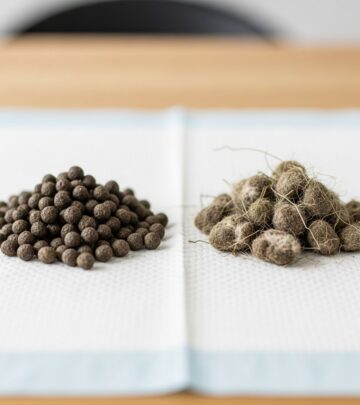
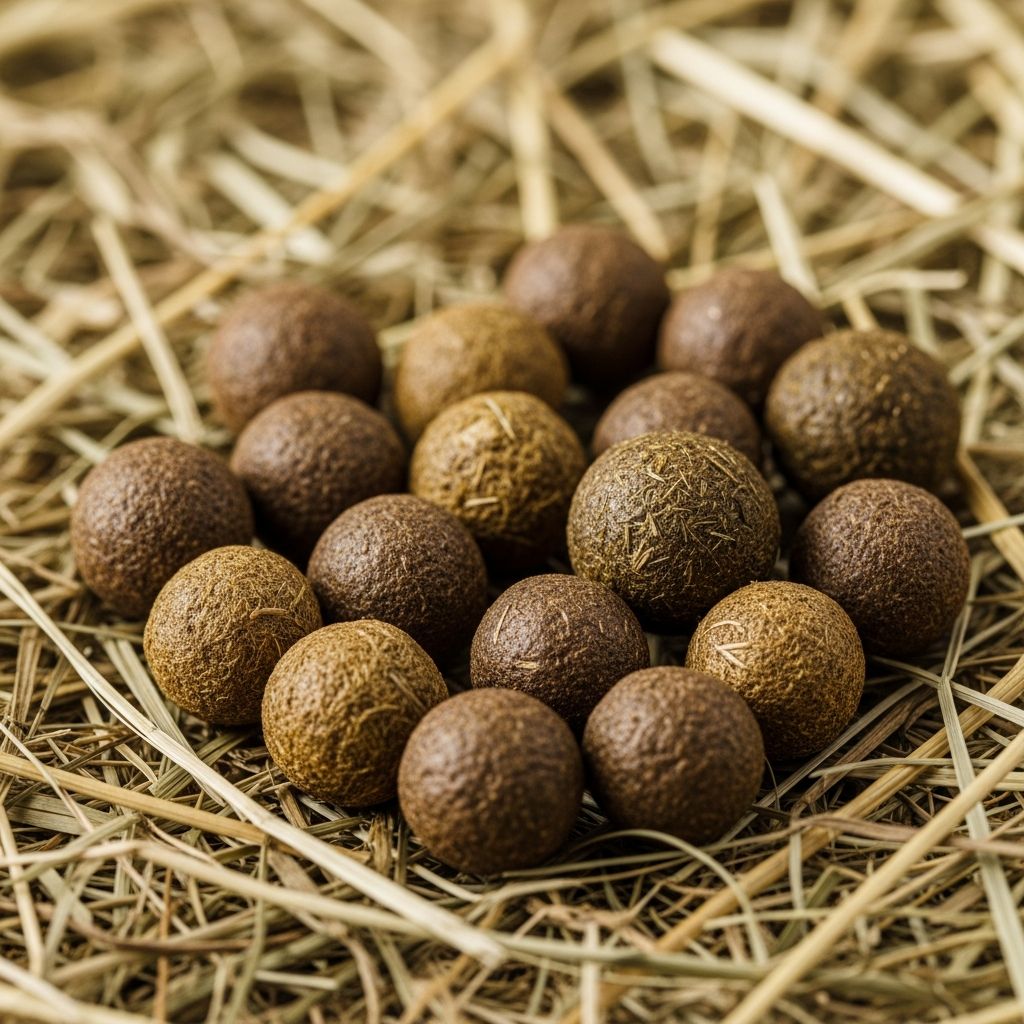
Fecal pellets are the droppings you’ll see most often in your rabbit’s litter box. These are small, round, and resembling tiny marbles or cocoa puffs. They are composed mainly of undigested fiber and represent the waste products from your rabbit’s digestive system. Fecal pellets are typically dark brown to black in color and should be dry and firm. Rabbits do not ordinarily re-ingest fecal pellets, though some rabbits may occasionally consume one. These pellets are relatively friable, meaning they crumble easily when pressed, and they should appear full of hay and other fiber when examined closely.
Cecotropes: The Nutrient-Rich Night Feces
Cecotropes, also called cecal pellets or night feces, are a special type of dropping that rabbits produce and then eat. These soft, shiny clusters resemble bunches of grapes or mulberries and are composed of smaller pellets held together with a rubbery mucus coating. Cecotropes are produced in a part of the rabbit’s digestive tract called the cecum, which contains beneficial bacteria and fungi essential for your rabbit’s survival. These bacteria produce vital nutrients like fatty acids and B vitamins that your rabbit cannot produce on their own. The mucus coating protects the beneficial bacteria as they pass through the stomach and re-establish in the cecum. Cecotropes have a distinctive pungent odor due to the high concentration of beneficial cecal bacteria. Your rabbit typically consumes these directly from their anus, often appearing to bathe their belly before coming up chewing.
Characteristics of Healthy Rabbit Poop
Knowing what healthy rabbit poop looks like is the first step in monitoring your bunny’s health. Here are the key characteristics of normal, healthy rabbit droppings:
Color
Healthy rabbit fecal pellets are typically dark brown to almost black in color, with consistent coloring throughout each pellet. Rabbits on a diet with more dry food, like mainly pellets and hay, may produce lighter brown droppings that are larger in size and full of visible fiber or chewed pieces of hay. Any significant change in color warrants attention.
Consistency and Texture
Healthy fecal pellets should be firm but soft when first produced, quickly becoming harder but still easily crushed. They should be dry and not sticky, and they should not stick to your rabbit’s fur. The droppings should appear compact and well-formed, resembling uniform marbles.
Size and Shape
Normal rabbit fecal pellets are small and round, maintaining uniform size throughout the day’s production. Each pellet should be consistent in appearance, and the overall production should be continuous throughout the day.
Odor
Rabbit poop typically does not have a strong odor. If you notice an unusually foul smell emanating from your rabbit’s droppings, it could indicate a digestive issue or an improper diet requiring veterinary attention.
What Abnormal Rabbit Poop Looks Like
Understanding what constitutes abnormal poop is critical for early detection of health problems. Several conditions can manifest through changes in your rabbit’s droppings:
Soft or Mushy Stools
Soft or mushy stools may indicate diarrhea or other digestive upset. This could result from dietary changes, infections, or improper nutrition. Too much sugary or starchy food can cause soft poop, while a diet lacking in fiber can lead to small, hard pellets.
Cecotrope Issues
If your rabbit is not consuming their cecotropes or if cecotropes are stuck to their fur, this could signal diet-related problems or obesity. Your rabbit should be eating their cecotropes regularly for proper nutrition and digestive health.
Discolored or Unusually Large Droppings
Large, soft, or discolored fecal pellets may be signs of gastrointestinal problems. Significant changes in size or color from your rabbit’s normal pattern should be noted and monitored.
Blood, Mucus, or Foreign Objects
The presence of blood, mucus, or non-food items in the poop is a red flag requiring immediate veterinary attention. These signs indicate serious health concerns that need professional evaluation.
Poop Strung Together with Fur
Droppings strung together with fur may indicate grooming issues or potential gastrointestinal blockages. This can be particularly concerning and warrants prompt veterinary consultation.
Diet’s Critical Role in Rabbit Poop Health
Diet is one of the most important factors affecting your rabbit’s poop quality and overall digestive health. A high-fiber diet, primarily consisting of timothy hay, is essential for proper digestion and healthy poop production. Rabbits rely heavily on fiber to keep their digestive tract moving efficiently. Insoluble fiber, such as hay and bran, pushes through the digestive tract, promoting motility and increasing defecation frequency. Without adequate fiber, rabbits can suffer from digestive problems that manifest in their droppings. Providing constant access to quality hay is fundamental to maintaining healthy rabbit poop and preventing digestive issues.
When to Worry: Warning Signs Requiring Veterinary Care
While some minor changes in your rabbit’s poop may resolve on their own, certain signs demand immediate veterinary attention. Consult your veterinarian promptly if you notice any of the following:
Consistent Changes
If you notice consistent changes in color or consistency that persist for more than a day or two, schedule a veterinary appointment. Early intervention can prevent minor issues from becoming serious problems.
Presence of Blood or Mucus
Any blood or mucus in your rabbit’s droppings requires immediate veterinary evaluation. These signs indicate potential infections, parasites, or serious gastrointestinal issues.
Cessation of Poop Production
If your rabbit stops producing fecal pellets altogether, this is a medical emergency. Rabbits must poop regularly, and cessation of production indicates serious digestive tract problems or blockages that require urgent veterinary care.
Foul Odors
An unusually strong or foul odor from your rabbit’s poop can indicate digestive problems or dietary issues that need veterinary assessment.
Creating and Maintaining a Rabbit Poop Chart
Keeping a detailed poop chart is an invaluable tool for monitoring your rabbit’s health and providing important information to your veterinarian. This simple practice can help you detect early signs of health issues and ensure the speediest possible treatment and solutions for your rabbit.
What to Track
Poop Consistency: Record whether the droppings are firm and well-formed or if they appear mushy or abnormal.
Poop Color: Note the color of each day’s fecal pellets. Healthy rabbit poop is typically dark brown or black, so any deviation should be recorded.
Size Changes: Pay attention to the size of your rabbit’s feces. Large, soft, or unusually small droppings should be noted.
Blood, Mucus, or Foreign Objects: Any presence of these should be immediately documented and reported to your veterinarian.
Additional Notes or Concerns: Use this section to jot down any additional observations or concerns, such as sudden changes in poop color or consistency, or any other unusual behaviors or symptoms.
Benefits of Poop Monitoring
A detailed poop chart serves multiple purposes. It helps you identify patterns in your rabbit’s digestive health, allows you to catch problems early when they’re most treatable, and provides your veterinarian with concrete information to aid in diagnosis. Your vet will appreciate having documentation of any abnormalities, and you’ll be glad to finally have a reference tool specifically for this important aspect of your rabbit’s care.
Practical Tips for Rabbit Poop Health
Regular Monitoring
Make it a habit to check your rabbit’s poop daily or as frequently as needed. This routine observation helps you become familiar with what’s normal for your individual rabbit and makes spotting abnormalities much easier.
Maintain Proper Diet and Hydration
Ensure your rabbit has constant access to high-quality timothy hay, which is essential for digestive health. Provide fresh water daily, limit pellets to appropriate portions, and minimize sugary treats that can disrupt digestion.
Monitor Litter Box Habits
Pay attention to how often your rabbit uses the litter box and whether they’re producing normal quantities of poop. A sudden change in litter box habits can indicate digestive upset.
Consult Your Veterinarian
If you notice consistent changes in color or consistency, the presence of blood or mucus, or if your rabbit stops producing fecal pellets altogether, consult your veterinarian promptly. Early veterinary intervention can prevent minor issues from becoming serious health problems.
Frequently Asked Questions About Rabbit Poop
Q: How often should rabbits poop?
A: Rabbits typically produce between 200 to 300 fecal pellets per day. This frequent production is normal and reflects their constant grazing and eating habits.
Q: What should I do if my rabbit’s poop suddenly becomes soft?
A: Soft poop can indicate digestive upset. Monitor your rabbit closely, ensure they have adequate fiber intake, and contact your veterinarian if the condition persists beyond a day or two or if accompanied by other symptoms.
Q: Is it normal for cecotropes to be stuck in my rabbit’s fur?
A: No, if cecotropes are consistently stuck in your rabbit’s fur, it may indicate obesity, dietary problems, or mobility issues. Consult your veterinarian for evaluation and dietary adjustment.
Q: What does it mean if my rabbit isn’t eating cecotropes?
A: If your rabbit is not consuming cecotropes, it could indicate dietary or health problems. Since cecotropes provide essential nutrients, this warrants veterinary evaluation.
Q: How can I tell if my rabbit’s poop is abnormal?
A: Abnormal rabbit poop may be soft or mushy, discolored, strung together with fur, contain blood or mucus, or have an unusually foul odor. Any significant deviation from firm, dark brown, marble-shaped pellets should be monitored.
Q: Should rabbit poop smell bad?
A: Normal rabbit poop should not have a strong odor. A foul smell may indicate digestive issues or dietary problems requiring veterinary attention.
Conclusion
Your rabbit’s poop is a window into their digestive health and overall well-being. By understanding what healthy rabbit droppings look like, recognizing the two types of droppings your rabbit produces, and monitoring for warning signs, you can play an active role in maintaining your bunny’s health. Regular observation, proper diet, adequate hydration, and prompt veterinary care when needed will help ensure your rabbit enjoys a long, healthy, and happy life. Remember that your veterinarian is your best resource for any concerns about your rabbit’s digestive health, and keeping detailed records of your observations can significantly aid in diagnosis and treatment.
References
- Normal vs. Abnormal Rabbit & Guinea Pig Poop — Oxbow Animal Health. 2023. https://oxbowanimalhealth.com/blog/small-pet-poop/
- The Scoop on Poop — San Diego House Rabbit Society. https://sandiegorabbits.org/education/the-scoop-on-poop
- Rabbit Poop Chart — GuineaDad. https://www.guineadad.com/blogs/bunnydad-blogs/rabbit-poop-chart
- What’s Your Poo Telling You?: Lagomorph Edition — Rabbit Network. https://www.rabbitnetwork.org/whats-your-poo-telling-you-lagomorph-edition/
- How to Litter Train a Rabbit: A Step-by-Step Guide — Chewy. https://www.chewy.com/education/small-pet/rabbit/how-to-litter-train-a-rabbit
Similar Articles





Read full bio of Sneha Tete