Rabbit Poop Guide: What’s Normal and What’s Not
Master rabbit digestive health: Learn to identify normal poop, spot warning signs, and keep your bunny thriving.
Understanding Your Rabbit’s Poop: A Complete Guide
As a rabbit owner, you might find yourself spending more time observing your bunny’s bathroom habits than you ever expected. This is actually a smart practice! Your rabbit’s droppings are one of the most reliable indicators of their overall health and digestive wellness. By understanding what normal rabbit poop looks like and recognizing warning signs, you can catch potential health issues early and ensure your furry friend stays healthy and happy.
Rabbits produce two distinct types of droppings, each serving a different purpose in their digestive system. Understanding the differences between these types and what constitutes normal versus abnormal poop can help you monitor your rabbit’s health effectively. This comprehensive guide will walk you through everything you need to know about rabbit droppings.
The Two Types of Rabbit Droppings
Rabbits have a unique digestive system that produces two completely different types of feces. Recognizing both types is essential for any rabbit owner who wants to maintain their pet’s health.
Fecal Pellets (Hard Droppings)
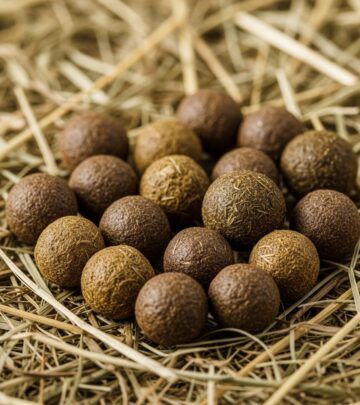
Fecal pellets are the droppings you’ll most commonly see in your rabbit’s litter box. These are the round, brown, dry pellets that many rabbit owners affectionately refer to as “cocoa puffs.” Fecal pellets are composed primarily of undigested fiber and represent the waste products that your rabbit’s body cannot use. Unlike cecotropes, rabbits do not ordinarily re-ingest fecal pellets, as these pellets have already gone through the digestive process and have minimal nutritional value.
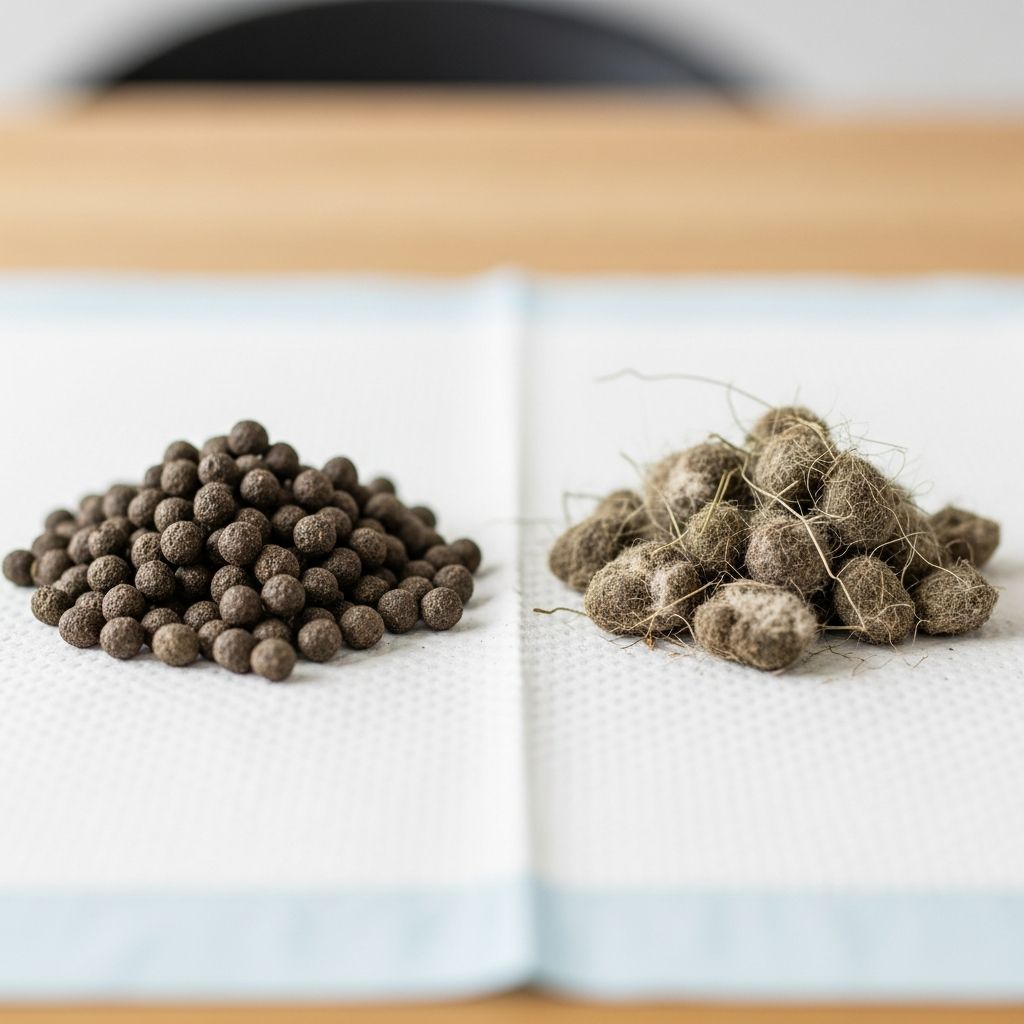
Healthy fecal pellets should exhibit specific characteristics that indicate proper digestion and diet quality. They should be firm but not excessively hard, dry to the touch, and uniform in size. When you examine them closely, you should be able to see visible pieces of hay and other fiber, indicating that your rabbit is consuming adequate hay in their diet.
Cecotropes (Soft Droppings)
Cecotropes are a special type of dropping that many new rabbit owners find surprising. These soft, grape-like clusters are produced in a part of the rabbit’s digestive tract called the cecum. Cecotropes are noticeably different from fecal pellets—they’re softer, shinier, lighter in color, and often resemble clusters of grapes or mulberries. They’re also covered with a thin layer of mucus.
The most important thing to understand about cecotropes is that rabbits intentionally eat them. This behavior is completely normal and vital for your rabbit’s health. Rabbits consume cecotropes directly from their anus, typically without chewing, to preserve the beneficial bacteria inside. Cecotropes are rich in essential nutrients, including vitamins, minerals, proteins, and fatty acids that your rabbit’s body couldn’t fully absorb during the first pass through the digestive system. This process allows rabbits to extract maximum nutrition from their food and maintain the health of their digestive system.
Characteristics of Healthy Rabbit Poop
Understanding what healthy rabbit droppings look like is your first line of defense in spotting potential health problems. Healthy rabbit feces have specific and consistent characteristics.
Shape and Size
Healthy rabbit fecal pellets are small and round, resembling tiny marbles or cocoa puffs. The pellets should be uniform in size throughout your rabbit’s droppings, indicating consistent digestion. If you notice significant variation in size or pellets that appear misshapen, this could indicate a dietary issue or health concern.
Color
Healthy rabbit poop typically ranges from pale brown to dark brown or almost black in color. The color should be consistent throughout the pellets. Rabbits on a diet primarily composed of hay and pellets may produce lighter brown droppings that are larger and more visibly filled with hay fiber. The specific shade of brown is less important than consistency—if your rabbit’s poop color suddenly changes, it’s worth noting and potentially discussing with your veterinarian.
Consistency and Texture
Healthy fecal pellets should be firm but soft when first produced, quickly becoming harder but still easily crushed. They should never be sticky or overly wet. The pellets should be dry to the touch and should not clump together. When you examine a pellet closely or crush it, you should clearly see hay and other fiber pieces, which confirms your rabbit is consuming an appropriate high-fiber diet.
Frequency and Quantity
Rabbits typically produce a moderate, consistent amount of droppings throughout the day. The exact quantity varies based on your individual rabbit’s diet and size, but you should expect to see a relatively consistent volume day to day. This is why maintaining detailed records of your rabbit’s bathroom habits can be incredibly valuable—you’ll quickly learn what “normal” looks like for your specific bunny.
Warning Signs: When Rabbit Poop Indicates Health Issues
Just as healthy poop has specific characteristics, abnormal droppings can signal various health problems. Familiarizing yourself with these warning signs allows you to catch issues early.
Small, Hard, or Dry Droppings
Small, dry droppings can indicate several problems, including dehydration, decreased appetite, the onset of gastrointestinal stasis, lack of dietary fiber, disease, or medication side effects. If your rabbit’s droppings suddenly become noticeably smaller or harder than usual, this warrants investigation. Ensure your rabbit has adequate hay in their diet and is drinking sufficient water. If the issue persists beyond a day or two, contact your veterinarian.
Soft, Mushy, or Diarrhea-Like Droppings
Very soft poop may be linked to stress or a recent change in diet. If you’ve recently introduced new vegetables, treats, or changed hay brands, your rabbit’s digestive system might need time to adjust. However, true diarrhea in rabbits is serious and requires immediate veterinary attention. Soft poop that lasts more than a few hours, especially if accompanied by lethargy or loss of appetite, is a red flag.
Droppings Strung Together with Fur
If you notice droppings that are strung together or clumped with fur, this could indicate ingestion of excessive fur, potentially leading to hairballs or blockages. This is particularly common in long-haired rabbit breeds or during shedding seasons. Increased hay consumption, grooming, and ensuring your rabbit has adequate fiber can help prevent this issue.
Presence of Blood or Mucus
The presence of blood, mucus, or visible parasites in your rabbit’s droppings is a serious warning sign requiring immediate veterinary attention. Mucus threads among the feces can indicate parasitic infection, intestinal inflammation, or other serious digestive tract issues. Do not delay in contacting your veterinarian if you observe these symptoms.
Changes in Cecotrope Consumption
If you notice your rabbit is not consuming their cecotropes as they normally do, this could indicate dietary or health problems. Rabbits that are ill or stressed may abandon their cecotropes rather than re-ingest them. Changes in cecotrope quality, smell, or consumption patterns warrant veterinary evaluation.
Diet’s Impact on Rabbit Droppings
Your rabbit’s diet directly influences the appearance and quality of their droppings. This is one reason why diet is so critical to rabbit health.
High-Fiber Diet Benefits
A high-fiber diet is absolutely essential for proper rabbit digestion and healthy poop. Rabbits in the wild spend most of their day eating grass and hay, and their digestive systems have evolved to process large quantities of fiber. With high fiber intake, you should expect to see firm, round, large, and golden fecal pellets. Hay should comprise the majority of your rabbit’s diet—roughly 80-90% of their daily food intake should be quality hay.
Problems with Low-Fiber Diets
A diet lacking adequate fiber can lead to small, hard pellets and digestive issues. When rabbits don’t consume enough hay, their digestive systems don’t function optimally, and their poop reflects this deficiency.
Issues with Excessive Sugary or Starchy Foods
Too much sugary or starchy food can cause soft poop and digestive upset. Treats, commercial pellets in excess, and vegetables high in sugar should be limited. Stick to appropriate portions of timothy hay, quality rabbit pellets, and rabbit-safe vegetables.
Dietary Changes and Transitions
When introducing new foods to your rabbit’s diet, do so gradually over several days. Rapid dietary changes can temporarily soften droppings as your rabbit’s digestive system adjusts. This is why transitioning to a new hay brand or introducing new vegetables should be done slowly.
Creating and Maintaining a Poop Chart
Keeping detailed records of your rabbit’s droppings is an invaluable tool for early detection of health issues. A poop chart provides a baseline for comparison and makes it easier to communicate concerns to your veterinarian.
What to Track
Document the following observations about your rabbit’s poop:
- Date and time: Record when you observe the droppings
- Color: Note the shade of brown and any color variations
- Consistency: Describe whether pellets are firm, soft, dry, or moist
- Shape and size: Record whether pellets are round, uniform, or irregular
- Quantity: Note if the amount seems normal, increased, or decreased
- Special observations: Document any blood, mucus, fur, unusual odors, or other concerns
- Cecotrope consumption: Note whether you observe your rabbit consuming cecotropes normally
- Behavioral notes: Record any changes in appetite, activity, or behavior that coincide with poop changes
Using Your Chart
Your poop chart becomes exceptionally valuable when abnormalities arise. If your rabbit develops digestive issues, you can review your chart to identify patterns or potential triggers. Your veterinarian will also appreciate having this detailed information, as it can help them diagnose problems more quickly and accurately.
When to Contact Your Veterinarian
While minor changes in your rabbit’s droppings are sometimes normal, certain situations absolutely warrant veterinary attention.
Immediate Veterinary Attention Needed
Contact your veterinarian immediately if you notice:
- True diarrhea lasting more than a few hours
- Blood or mucus in droppings
- Presence of visible parasites
- Complete cessation of droppings (possible sign of stasis)
- Severe decrease in the amount of poop produced
- Droppings accompanied by lethargy, loss of appetite, or other concerning symptoms
Schedule an Appointment
Schedule a veterinary appointment within a day or two if you notice:
- Persistent changes in poop color or consistency lasting more than a day
- Unusual quantity changes that don’t improve with dietary adjustment
- Changes in cecotrope consumption
- Poop strung together with excessive fur
- Any other significant changes you’re unsure about
Frequently Asked Questions About Rabbit Poop
Q: Is it normal for my rabbit to eat their poop?
A: Yes, absolutely! Rabbits eating their cecotropes is a completely normal and essential part of their digestion. Cecotropes contain vital nutrients that your rabbit’s body cannot produce independently. However, rabbits should not typically eat their regular fecal pellets. If you observe your rabbit eating regular pellets frequently, this could indicate a nutritional deficiency or health issue worth discussing with your veterinarian.
Q: Why do rabbits need to eat their cecotropes?
A: Cecotropes contain essential nutrients, fatty acids, and vitamins that your rabbit’s body couldn’t fully absorb during their first passage through the digestive system. The cecum, where cecotropes are produced, contains beneficial bacteria and fungi that are essential for your rabbit’s survival and health. By re-ingesting cecotropes, rabbits extract maximum nutrition from their food and maintain proper digestive function.
Q: What should I do if I notice my rabbit’s poop has changed?
A: First, consider whether there have been any recent dietary changes, stress factors, or environmental modifications. Monitor your rabbit closely for the next 24 hours. If the change is minor and your rabbit seems otherwise healthy and active, it may resolve on its own. However, if changes persist, are accompanied by other symptoms, or if you’re concerned, contact your veterinarian. Keeping a poop chart will help you describe changes accurately to your vet.
Q: Can diet alone fix my rabbit’s poop problems?
A: Diet modifications can certainly help with many poop-related issues, particularly those caused by inadequate fiber intake or recent dietary changes. However, if your rabbit’s droppings remain abnormal after dietary adjustments, or if other health symptoms are present, veterinary evaluation is necessary. Some poop problems indicate underlying health issues that require professional treatment.
Q: How much hay should my rabbit eat?
A: Hay should make up approximately 80-90% of your rabbit’s daily diet. The exact amount varies based on your rabbit’s size and individual needs, but as a general guideline, your rabbit should have access to unlimited quality hay throughout the day. Timothy hay, orchard grass, and other grass hays are excellent choices for adult rabbits.
Q: Why is my rabbit’s poop smaller than usual?
A: Small droppings can indicate dehydration, decreased fiber intake, onset of gastrointestinal stasis, illness, or medication effects. Ensure your rabbit is consuming adequate hay and fresh water. If small droppings persist or are accompanied by behavioral changes, contact your veterinarian to rule out underlying health issues.
References
- Rabbit Poop Chart — GuineaDad. 2024. https://www.guineadad.com/blogs/bunnydad-blogs/rabbit-poop-chart
- The Scoop on Poop — San Diego House Rabbit Society. https://sandiegorabbits.org/education/the-scoop-on-poop
- Normal and Abnormal Fecal and Cecal Feces of Rabbits — Medirabbit. https://www.medirabbit.com/EN/GI_diseases/drop/Drp_en.htm
- What’s Your Poo Telling You: Lagomorph Edition — Rabbit Network. https://www.rabbitnetwork.org/whats-your-poo-telling-you-lagomorph-edition/
- Is My Rabbit’s Poop Normal? Plus Signs and Symptoms — HayDay HQ. 2024. https://hay-day.co.uk/blogs/advice/rabbit-poop-check-guide
Similar Articles





Read full bio of medha deb