Rabbit Parasitic Infections: Recognition and Management
Understanding parasitic threats to rabbit health and practical prevention strategies
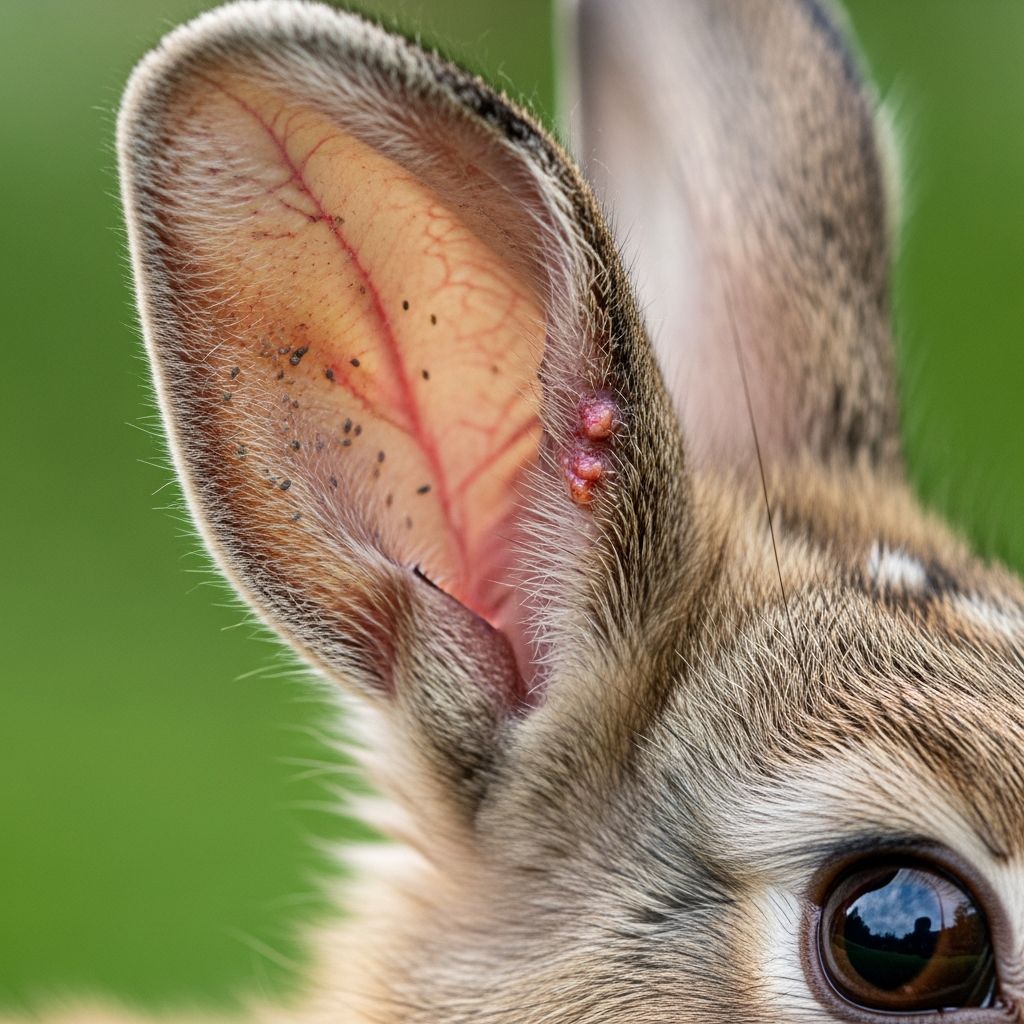
Parasitic infections represent a significant health concern for both domestic and wild rabbit populations. These infections can range from mild and manageable to severe and life-threatening, depending on the parasite species, the rabbit’s age, and the environmental conditions. Understanding the different types of parasitic diseases, their clinical presentations, and appropriate management strategies is essential for rabbit owners and veterinary professionals.
Overview of Parasitic Disease Categories in Rabbits
Rabbits are susceptible to parasitic infections caused by various organisms, including protozoans, helminths, and arthropods. Parasitic diseases in rabbits are categorized into two main groups: those affecting internal organs and tissues, and those affecting the external surfaces. The severity of parasitic infections often depends on the rabbit’s immune status, living conditions, and sanitation practices.
Parasitic infections spread through multiple transmission routes, including contaminated food and water, direct contact with infected animals, environmental contamination, and ingestion of infected intermediate hosts. Young rabbits are particularly vulnerable to parasitic infections due to their developing immune systems, and overcrowding or poor hygiene conditions significantly increase infection rates.
Protozoan Infections: The Most Common Threat
Coccidiosis: The Leading Intestinal Parasite Problem
Coccidiosis is the most frequently encountered parasitic disease in rabbit populations worldwide. This protozoal infection is caused by multiple species of Eimeria, with at least 14 different species capable of infecting rabbits. The disease presents in two distinct forms based on the anatomical location of infection: hepatic (liver) coccidiosis and intestinal coccidiosis.
Hepatic Coccidiosis develops when rabbits ingest sporulated oocysts of Eimeria stiedae. This form primarily damages the liver and bile ducts, potentially leading to severe complications. In acute infections, rabbits may experience liver dysfunction and bile duct obstruction, causing rapid deterioration. Chronic infections can contribute to the development of bile duct tumors.
Intestinal Coccidiosis results from infection with multiple Eimeria species, including E. magna, E. irresidua, E. media, E. perforans, E. flavescens, and E. intestinalis. Of these, E. magna and E. irresidua are considered the most pathogenic species.
Both forms of coccidiosis develop through the same transmission mechanism: rabbits ingest sporulated oocysts found in contaminated feed, water, or environmental surfaces. The oocysts then develop into sporozoites that damage intestinal or hepatic cells, depending on the species involved.
Clinical Presentation of Coccidiosis
Infected rabbits typically display a range of clinical signs indicating gastrointestinal distress. These include:
- Watery diarrhea or mucoid feces
- Decreased appetite or complete anorexia
- Weight loss despite adequate feed availability
- Depression and lethargy
- Dehydration and pale mucous membranes
- Abdominal pain and discomfort
- Visible blood or mucus in feces
Young rabbits are especially susceptible to severe coccidiosis, which can cause rapid dehydration and death if untreated. Rabbits that recover from coccidiosis typically develop immunity to reinfection.
Management and Treatment Approaches
Treatment of coccidiosis primarily involves antimicrobial sulfur drugs administered through feed or water, allowing for efficient medication of group-housed rabbits. Supportive care, including fluid therapy and nutritional support, becomes critical in severely affected animals. Prevention through rigorous sanitation practices proves more effective than treating established infections. Daily hutch cleaning, proper waste disposal, and separation of affected rabbits from healthy ones significantly reduce transmission risks.
Encephalitozoonosis: The Neurological Parasite
Encephalitozoon cuniculi is a microscopic, spore-forming unicellular parasite belonging to the Microsporidia order. This obligate intracellular parasite differs from other rabbit parasites in its ability to cause diverse systemic manifestations affecting multiple organ systems simultaneously.
Transmission occurs primarily through ingestion of spores shed in infected rabbit urine, making contaminated food and water the primary transmission routes. The parasite can also be transmitted vertically from infected mothers to offspring in utero. While E. cuniculi predominantly affects rabbits, it is recognized as a zoonotic pathogen capable of infecting other species including mice, hamsters, dogs, cats, guinea pigs, and humans.
Multi-System Manifestations
The clinical presentation of encephalitozoonosis varies widely depending on which organ systems become infected. Approximately half of all pet rabbits harbor this parasite, though many remain asymptomatic or show only subtle signs.
Neurological Signs emerge from granulomatous encephalitis and represent the most recognizable manifestations:
- Head tilt (positional head deviation)
- Hindlimb weakness or partial paralysis
- Complete paralysis in severe cases
- Loss of balance and coordination
- Tremors and muscle twitching
- Seizures or convulsions
- Urinary incontinence
Renal Disease develops from granulomatous nephritis, potentially progressing to chronic kidney failure. Increased water consumption may be observed, though this sign can indicate multiple conditions.
Ocular Complications include lens rupture due to in utero infection during fetal development, pyogranulomatous uveitis (inflammation of the eye’s interior), and cataracts that may appear later in life.
Additional complications such as myocarditis and keratoconjunctivitis have been documented in affected rabbits.
Helminth Infections: Worm Parasites
Larval Worm Infections
Although less common than protozoan infections, helminth parasites pose significant health risks to rabbits. Rabbits can acquire larval stage worms through consumption of contaminated hay or plant material that contains intermediate hosts or larvae.
Taenia serialis and Taenia pisiformis represent the primary tapeworm species affecting rabbits. While T. serialis remains relatively rare in domestic rabbits, it occurs more frequently in wild populations. Notably, domestic rabbits require no direct contact with canine hosts to become infected; consumption of contaminated hay containing fecal material from infected animals suffices for transmission.
The clinical significance and pathogenic effects of larval worm infections in rabbits vary depending on the species involved and the parasite burden present.
Ectoparasitic Infestations
External parasites affect rabbit skin and fur, causing discomfort and potential secondary infections. While less life-threatening than internal parasites, ectoparasitic infestations still require prompt attention and appropriate management.
Common ectoparasites include fur mites, fleas, and lice. These parasites cause itching, hair loss, skin irritation, and potential transmission of other pathogens. Rabbits infested with external parasites require immediate isolation from healthy animals to prevent transmission.
Management of Ectoparasitic Infestation
Daily hutch cleaning becomes essential when external parasites are present. Complete removal of soiled bedding, thorough disinfection of surfaces, and isolation of affected rabbits form the cornerstone of ectoparasite management. Environmental treatment often proves as important as direct treatment of the affected animal.
Fungal Infections Presenting as Parasitic Conditions
Dermatophytosis
While technically caused by fungi rather than parasites, dermatophytic infections share transmission characteristics with parasitic diseases. Direct contact and fomite spread result in lesion development, typically at the base of ears and around the muzzle area. Diagnosis relies on culture techniques and may be supported by Wood’s lamp fluorescence testing. Fungal infections can result in asymptomatic carriers that continue shedding infectious spores.
Aspergillosis
Aspergillosis represents a rare but significant respiratory fungal infection acquired from environmental contamination or contaminated food sources. Pulmonary granulomas develop in affected rabbits, with rhinitis occurring in some cases. Treatment with antifungal agents such as itraconazole or terbinafine may be attempted, though clinical reports remain limited.
Risk Factors and Prevention Strategies
Environmental Factors Promoting Parasitic Disease
Multiple environmental and management factors significantly influence the development and spread of parasitic infections in rabbit populations:
- Overcrowding and inadequate spacing between animals
- Poor sanitation and infrequent hutch cleaning
- Contaminated feed and water sources
- Inadequate waste management
- Exposure to wildlife and insects
- Stress from improper handling or living conditions
- Young age and immunocompromised status
Comprehensive Prevention Program
Implementing a robust parasite prevention strategy requires a multi-faceted approach combining environmental management, dietary practices, and veterinary oversight.
Sanitation Protocols: Daily removal and replacement of bedding, weekly disinfection of hutches and equipment, and proper waste disposal form the foundation of parasitic disease prevention. Segregation of affected rabbits prevents horizontal transmission to healthy animals.
Feed and Water Management: Provision of uncontaminated feed and fresh water, stored in secure containers inaccessible to wildlife, reduces exposure to parasitic oocysts and helminths. Regular cleaning of water containers prevents biofilm accumulation and pathogen proliferation.
Veterinary Monitoring: Regular fecal examination by veterinarians enables early detection of parasitic infections before clinical signs develop. Prophylactic treatment may be warranted in high-risk populations.
Diagnostic Approaches for Parasitic Identification
Accurate diagnosis of parasitic infections relies on multiple diagnostic modalities appropriate to the suspected parasite type.
Fecal Examination: Microscopic analysis of fecal samples remains the primary diagnostic tool for detecting coccidian oocysts and helminth eggs. Multiple samples may be necessary due to intermittent shedding patterns.
Serology: Serological testing can identify antibodies against Encephalitozoon cuniculi, though seropositivity alone does not confirm active infection.
Imaging Studies: Radiographic and ultrasonic examination may reveal granulomatous lesions or renal enlargement associated with systemic parasitic infections.
Culture and Histopathology: For fungal infections and some bacterial complications, culture and tissue examination provide definitive diagnosis.
Treatment Considerations and Prognosis
Treatment efficacy varies considerably depending on the parasitic agent, the stage of infection, and the rabbit’s overall health status. Early detection and intervention typically result in improved outcomes.
Coccidiosis responds well to antimicrobial sulfur drugs, particularly when treatment begins early in the infection course. Supportive care addressing dehydration and malnutrition becomes essential in severely affected animals.
Encephalitozoonosis lacks specific curative treatments, making clinical management and supportive care the primary approach. Some rabbits with neurological signs show spontaneous improvement, while others experience progressive deterioration.
Helminth infections may respond to antiparasitic medications, though prevention through environmental management remains more practical than treatment.
Frequently Asked Questions
How can I tell if my rabbit has parasites?
Clinical signs vary by parasite type but commonly include diarrhea, weight loss, lethargy, and decreased appetite. Neurological signs like head tilt or hindlimb weakness suggest encephalitozoonosis. Visible fur loss or skin irritation indicates ectoparasites. Veterinary examination and fecal testing provide definitive diagnosis.
Are rabbit parasites contagious to humans?
Encephalitozoon cuniculi is zoonotic and can infect humans, particularly those with immunocompromised status. Practicing proper hygiene, including hand washing after handling infected rabbits, reduces transmission risk.
Can parasitic infections be prevented entirely?
While complete prevention is challenging, rigorous sanitation practices, proper feed and water management, and regular veterinary monitoring significantly reduce infection risk. Most parasitic infections can be prevented or minimized through appropriate management strategies.
How often should I have my rabbit tested for parasites?
Veterinarians typically recommend fecal examination during annual wellness visits. More frequent testing may be warranted for young rabbits, group-housed animals, or those in high-risk environments.
References
- Infectious Diseases in Rabbits — VCA Animal Hospitals. Accessed February 24, 2026. https://vcahospitals.com/know-your-pet/rabbits-diseases
- Infectious Diseases of Domestic Rabbits — National Center for Biotechnology Information (NCBI). Accessed February 24, 2026. https://pmc.ncbi.nlm.nih.gov/articles/PMC7149792/
- Parasitic Diseases of Rabbits – Exotic and Laboratory Animals — Merck Veterinary Manual. Accessed February 24, 2026. https://www.merckvetmanual.com/exotic-and-laboratory-animals/rabbits/parasitic-diseases-of-rabbits
- Parasite Control for Rabbits: A Useful Guide to Protecting Your Rabbit — Mount Vet Pets. February 7, 2020. https://www.mountvetspets.com/parasite-control-for-rabbits/
- Everything you need to know about rabbit parasites — VetPartners UK. Accessed February 24, 2026. https://www.vetpartners.co.uk/pet-advice/rabbit-advice/diseases-in-rabbits/everything-you-need-to-know-about-rabbit-parasites/
Similar Articles








Read full bio of medha deb