Rabbit Parasites: Complete Owner’s Guide
Essential insights into identifying, preventing, and treating parasites in pet rabbits for optimal health and well-being.
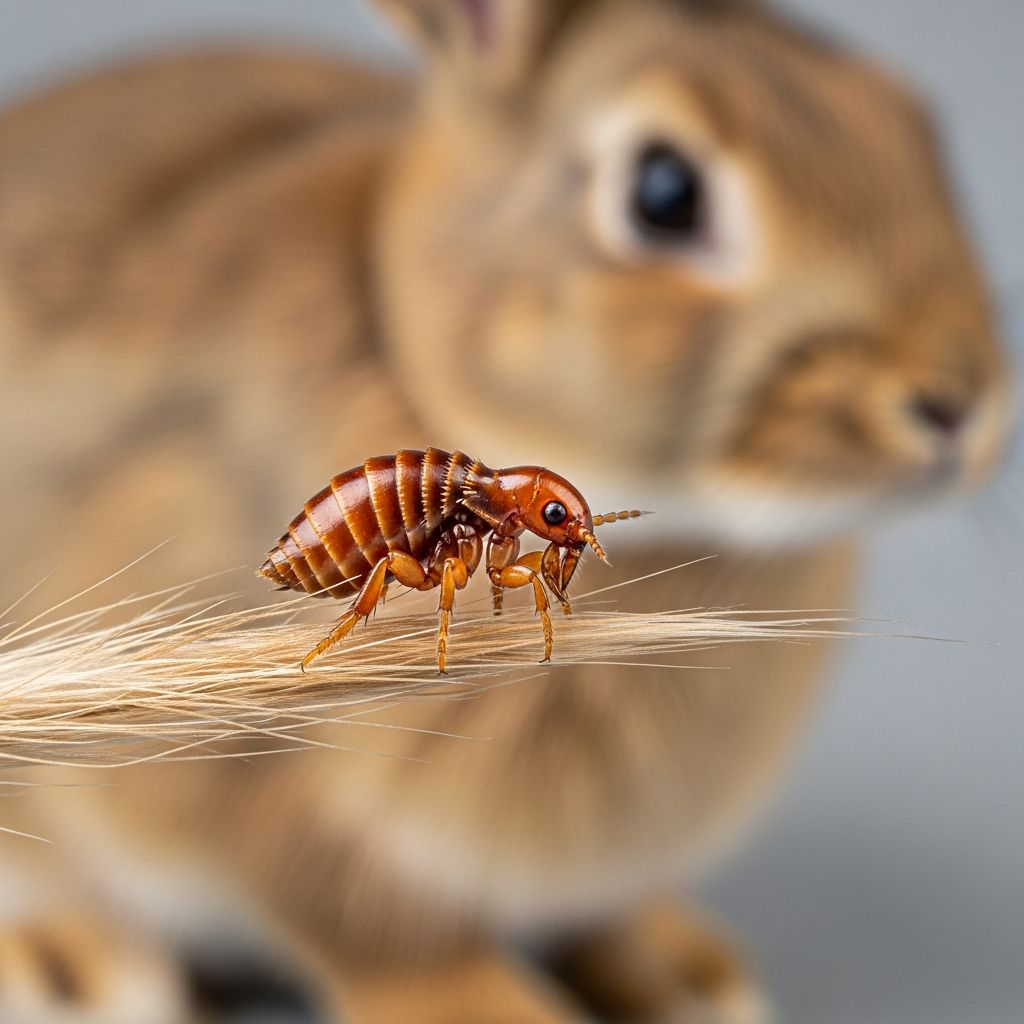
Pet rabbits face various parasitic threats that can compromise their vitality if not addressed promptly. These organisms, ranging from microscopic invaders to visible pests, target both the exterior and interior of the body, leading to discomfort, nutritional deficits, and severe health decline. Understanding these risks empowers owners to safeguard their animals through vigilant care and timely interventions.
Recognizing the Signs of Parasitic Infestations
Early detection hinges on observing subtle changes in behavior and appearance. Rabbits afflicted by parasites often display gastrointestinal disturbances such as loose stools or complete cessation of eating, alongside physical indicators like dull fur, patchy baldness, and relentless scratching. Neurological symptoms, including imbalance or involuntary shaking, signal deeper systemic involvement. Weight reduction despite ample food intake, coupled with fatigue and disheveled grooming, further underscores the need for immediate veterinary evaluation.
- Gastrointestinal cues: Diarrhea, bloating, or reduced fecal output.
- Skin and coat issues: Flaking, itching, sores, or unnatural odors.
- Behavioral shifts: Isolation, restlessness, or abnormal postures like head tilting.
- Overall decline: Stunted growth in young ones, anemia signs, or weakness.
External Parasites: Surface-Level Threats
These visible or barely discernible invaders reside on the skin, fur, or within ear canals, feeding on blood, tissues, or debris. They thrive in unclean environments and spread via direct contact or shared items.
Fur Mites and Walking Dandruff
Cheyletiella parasitovorax, dubbed ‘walking dandruff’ for its mobile, flake-like appearance, burrows superficially, causing intense pruritus and scaly patches. Owners may spot these specks shifting on the fur, particularly along the back. This condition proves zoonotic, potentially irritating human skin with red bumps. Transmission occurs through infested bedding or communal grooming.
Ear Mites: Psoroptes cuniculi
These pests colonize ear canals, provoking dark, crumbly discharge, head shaking, and crust formation. Affected rabbits tilt heads or scratch excessively, with a characteristic stench emanating from ears. Prevalence rises in crowded or humid settings, spreading via contact with carriers.
Fleas, Lice, and Ticks
Fleas manifest as flea dirt—black specks yielding red when moistened—and provoke biting frenzies. Lice crawl visibly, eliciting similar agitation. Ticks, rarer in housed rabbits, embed deeply, risking Lyme disease transmission via Ixodes species, evident in lameness or fever.
Myiasis: Flystrike Menace
Warm seasons invite blowflies to deposit eggs on soiled hindquarters, hatching into tissue-devouring maggots. Indicators include foul rear odors, wet fur clumps, and torpor. Vulnerable rabbits include those with diarrhea or mobility issues.
| Parasite Type | Key Symptoms | Seasonal Peak | Risk Factors |
|---|---|---|---|
| Fur Mites | Itching, dandruff, bald spots | Year-round | Poor hygiene |
| Ear Mites | Head shake, ear crusts, odor | Cooler months | Crowding |
| Fleas/Ticks | Scratching, dirt, swelling | Spring-Autumn | Outdoor access |
| Flystrike | Maggots, lethargy, stench | Warm/humid | Soiled fur |
Internal Parasites: Hidden Internal Disruptors
These dwell within organs or digestive tracts, siphoning nutrients and inciting inflammation. Fecal analysis remains crucial for confirmation.
Coccidia: Protozoan Invaders
Prevalent in young rabbits, coccidia multiply in intestines post-ingestion of contaminated feces. Acute cases yield bloody diarrhea, dehydration, and hepatic damage; chronic ones foster bile duct issues or tumors. Hepatic variants obstruct ducts, mimicking toxicity.
Encephalitozoon cuniculi: Neurological Protozoan
This microsporidian targets kidneys and brain, spore-shed via urine. Symptoms encompass head tilt (torticollis), ataxia, cataracts, and incontinence. Stress exacerbates outbreaks in carriers.
Worms: Nematodes and Cestodes
Pinworms (Passalurus ambiguus) appear as tiny whites near anus, causing minor irritation sans heavy burden. Stomach worms and tapeworms provoke weight loss, potbelly, and poor coat. Juveniles suffer most from diarrhea and failure to thrive.
- Pinworms: Anal itching, visible segments in stool.
- Tapeworms: Segments in fur, nutritional theft.
- Coccidia: Mucoid/bloody droppings, emaciation.
Veterinary Diagnosis Approaches
Professionals employ multifaceted exams: skin scrapes reveal mites; comb tests confirm fleas; fecal floats/PCR detect eggs or oocysts; blood serology flags E. cuniculi antibodies; urine checks quantify spores. Advanced imaging or biopsies probe ticks/Lyme.
Treatment Strategies for Effective Recovery
Vet-prescribed protocols target specifics while supporting immunity.
External Remedies
Ivermectin injections (0.2-0.4 mg/kg, repeated) eradicate mites/ticks; selamectin topicals offer convenience. Flea baths or powders suit mild cases, always rabbit-safe. Flystrike demands larval excision, antibiotics, and pain relief.
Internal Deworming
Fenbendazole (20-50 mg/kg, 28 days for E. cuniculi) combats protozoa/worms; mebendazole feeds control nematodes. Coccidiosis responds to sulfa drugs. Supportive fluids/nutrition aid recovery.
Caution: Never self-medicate; dosages vary by weight/age.
Prevention: Proactive Defense Blueprint
Foremost is impeccable sanitation: daily enclosure spot-cleans, weekly full disinfections, fresh absorbent bedding rotations. Quarantine newcomers 30 days, fecal-test pre-integration. High-fiber diets bolster gut resilience against coccidia.
- Weekly body checks, especially ears/tail.
- Controlled outdoor time sans wild contact.
- Stress minimization via stable routines.
- Annual vet deworming/fecal screens.
Special Focus: Protecting Young and Immunosuppressed Rabbits
Kits under 8 weeks succumb quickest to coccidia/worms, showing rapid dehydration. Elderly or post-surgical rabbits risk E. cuniculi flares. Heightened monitoring, probiotics, and prompt isolation prove vital.
Environmental and Lifestyle Adjustments
Opt for spacious, ventilated hutches with non-porous floors for easy sanitizing. Avoid overcrowding; limit group sizes. Pastured rabbits need tick patrols, weed clearance. Nutritional balance—unlimited hay, measured pellets—curbs worm susceptibility.
Frequently Asked Questions
Can humans catch rabbit parasites?
Yes, Cheyletiella mites and certain ticks transmit to people, causing transient itches. Practice hygiene post-handling.
How often should I deworm my pet rabbit?
Vet-guided, typically biannually or per fecal results, not routinely.
Is flystrike fatal?
Untreated, yes—rapid intervention saves lives.
Do indoor rabbits get parasites?
Absolutely; spores/eggs persist indoors without rigorous cleaning.
What if my rabbit has head tilt?
Suspect E. cuniculi; seek vet for fenbendazole therapy.
Long-Term Health Monitoring
Integrate monthly weight logs, photo fur tracking, and stool sampling. Annual wellness exams catch subclinical loads. Informed owners foster parasite-free havens, extending joyful lifespans.
References
- Managing Parasites in Rabbits for Better Herd Health — FarmKeep. 2023. https://www.farmkeep.com/farm-guides/health/rabbit-parasites
- Symptoms and Treatment of Rabbit Parasites — EveryPaw. 2024. https://www.everypaw.com/all-things-pet/rabbit-parasites
- Parasites of Rabbits — ExoticPetVet. 2022. http://www.exoticpetvet.com/parasites-of-rabbits.html
- Infectious Diseases in Rabbits — VCA Animal Hospitals. 2025. https://vcahospitals.com/know-your-pet/rabbits-diseases
- Parasitic Diseases of Rabbits — MSD Veterinary Manual. 2024-10-01. https://www.msdvetmanual.com/exotic-and-laboratory-animals/rabbits/parasitic-diseases-of-rabbits
- Parasitic Diseases of Rabbits — Merck Veterinary Manual. 2024-10-01. https://www.merckvetmanual.com/exotic-and-laboratory-animals/rabbits/parasitic-diseases-of-rabbits
Similar Articles








Read full bio of Sneha Tete