Rabbit Nutrition Guide: 4 Life-Stage Feeding Plans
Master the essentials of rabbit feeding for optimal health, from hay basics to treat limits and age-specific needs.
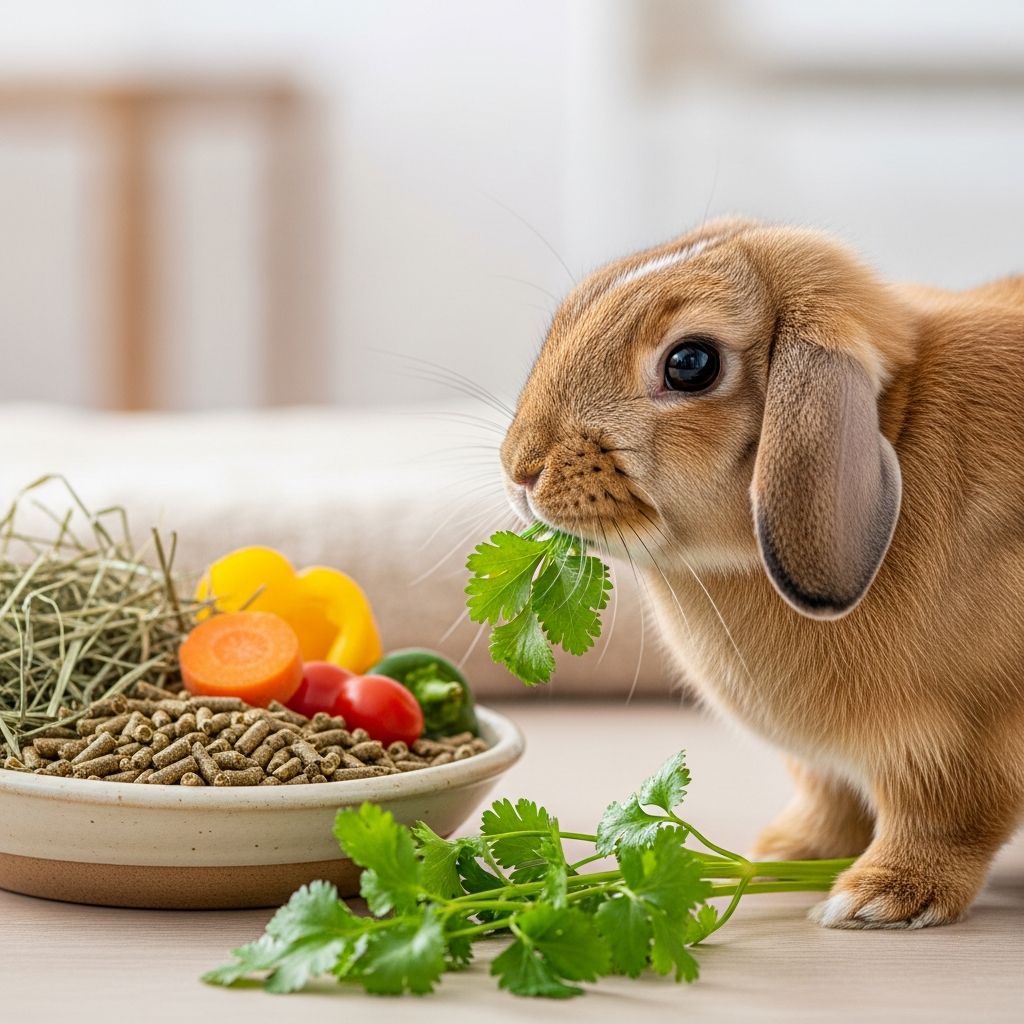
Rabbits thrive on a high-fiber diet dominated by hay, supplemented with vegetables, limited pellets, and sparse treats to mimic their natural grazing habits and support digestive health.
The Foundation of Every Rabbit Diet: Hay
Hay forms the cornerstone of a rabbit’s nutrition, comprising 80-90% of their daily intake to promote gut motility, wear down ever-growing teeth, and prevent serious conditions like gastrointestinal stasis. Adult rabbits require unlimited access to grass hays such as Timothy, orchard, or oat varieties, which provide essential fiber without excess calories or calcium.
Young rabbits under 7 months benefit from alfalfa hay due to its higher protein and calcium content for growth, but transition to grass hay as they mature to avoid urinary issues. Always select dust-free hay to minimize respiratory risks, and offer it fresh daily in generous quantities—rabbits should consume an amount equal to their body size every day.
Essential Vegetables for Variety and Nutrients
Leafy greens supply hydration, vitamins, and additional fiber, making up about 10-15% of the diet. Provide at least 1-2 cups of chopped vegetables per 6 pounds of body weight daily for adults, starting with safer options and rotating to ensure broad nutrition.
- Daily staples: Romaine lettuce, parsley, cilantro, dandelion greens, carrot tops, and red leaf lettuce.
- Safe occasional greens: Kale, spinach, collard greens, and Swiss chard (limit to 1-2 times weekly due to oxalates).
- Other veggies: Bell peppers, bok choy, Brussels sprouts, endive, fennel, and zucchini.
Introduce new vegetables gradually over a week to monitor for digestive upset like soft stools, and wash thoroughly to remove pesticides. Dwarf breeds or rabbits under 5 pounds need only 1 cup daily.
Pellets: A Small but Important Component
High-quality, Timothy-based pellets deliver concentrated nutrients but should be limited to prevent obesity—about 1/4 cup per 6 pounds of body weight for adults. Opt for plain pellets with at least 18% fiber, avoiding mixes with seeds, nuts, fruits, or colorful bits that lack nutrition and risk health issues.
Baby rabbits (under 3-7 weeks) and nursing mothers can have unlimited alfalfa-based pellets, transitioning to measured grass hay pellets by 7 months. Seniors may need slight increases if underweight, but consult a vet for personalized amounts.
Treats and Fruits: Use Sparingly for Joy
Fruits and starchy vegetables like carrots are high in sugar and should comprise no more than 1-2% of the diet—roughly 1 teaspoon per 2 pounds of body weight, 1-2 times weekly. Preferred options include apple slices (no seeds), berries, bananas, melon, pineapple, and grapes, always washed and given fresh.
Hay-based treats from reputable brands offer safer indulgence without digestive overload. Over-reliance on treats leads to weight gain and dental problems, so reserve them for training or bonding.
Age-Specific Feeding Recommendations
Rabbits’ needs evolve with life stages, requiring adjustments to hay, pellets, greens, and treats for optimal growth, maintenance, and senior vitality.
| Life Stage | Hay | Pellets | Greens | Treats |
|---|---|---|---|---|
| Baby (3-7 weeks) | Unlimited alfalfa | Unlimited alfalfa-based | None | None |
| Young Adult (7 months-1 year) | Unlimited grass hay | 1/2 cup Timothy | 1 cup | 1 oz healthy |
| Adult (1-5 years) | Unlimited grass hay | 1/4 cup per 6 lbs Timothy | 2 cups per 6 lbs | Sparingly |
| Senior (6+ years) | Unlimited grass (add alfalfa if underweight) | Timothy or alfalfa if needed | 2 cups | 2 oz healthy |
Data adapted from life-stage guidelines. Always provide unlimited fresh water via bowl or bottle, cleaned daily.
Recognizing and Managing Healthy Weight
Obesity affects many pet rabbits due to pellet and treat overfeeding. Assess body condition by gently feeling the spine and ribs— they should be palpable with light pressure, without prominent bones or thick fat layers. Ideal weight varies by breed, but use the “hourglass” shape: wider at shoulders and hips, narrower waist.
If overweight, gradually reduce pellets and treats while increasing hay and exercise like supervised playtime. Underweight rabbits may need more pellets or alfalfa; veterinary checkups ensure underlying issues like dental disease aren’t at play.
Water, Hygiene, and Daily Routines
Fresh, clean water is non-negotiable—aim for 50-100ml per kg body weight daily, more in hot weather. Sipper bottles prevent spills but check functionality; bowls encourage natural lapping.
Feed in consistent routines to reduce stress: scatter hay in litter box for natural foraging, offer greens mid-morning and evening, pellets once daily. Monitor droppings for health—hard, round cecotropes (night feces) eaten directly, softer ones indicating imbalance.
Common Dietary Pitfalls to Avoid
Steer clear of iceberg lettuce (low nutrition, high water causes diarrhea), bread, cereals, yogurt drops, and high-starch foods like potatoes that ferment in the gut. Myth-busting: carrots are treats, not staples—daily portions lead to obesity.
Sudden diet changes risk enterotoxemia; transition over 7-14 days. Free-feeding pellets encourages gorging; measured portions promote health.
Special Considerations for Health and Environment
Rabbits with dental issues may need softer hay or vet-prescribed diets. Neutered/spayed rabbits are prone to weight gain, so tighten treat control. Outdoor grazing on pesticide-free grass boosts enrichment but limit to avoid parasites.
For multi-rabbit homes, identical diets prevent competition; bonded pairs share hay piles naturally. Annual vet exams, including diet reviews, catch issues early.
Frequently Asked Questions
Can rabbits eat carrots every day?
No, carrots are sugary treats—limit to small pieces 1-2 times weekly to avoid digestive upset and obesity.
How do I know if my rabbit is eating enough hay?
They should leave droppings equal to a golf ball per pound of body weight daily; hay intake matches body size volume.
What if my rabbit refuses pellets?
Gradually phase them out if hay and veggies meet needs, but consult a vet to rule out illness.
Are store-bought treats safe?
Choose plain, hay-based ones without seeds or yogurt; fresh fruits/veggies are healthier alternatives.
How often should I change my rabbit’s water?
Daily, or more if soiled—stagnant water breeds bacteria.
Enhancing Diet with Foraging and Enrichment
Mimic wild behaviors by hiding greens in hay or using puzzle feeders, reducing boredom and promoting activity. Natural branches like apple or willow for gnawing aid dental health.
Incorporate herbs like basil, mint, dill, oregano, rosemary, sage, and thyme for flavor and antioxidants. Wheatgrass or sprouts add variety safely.
References
- Rabbit Nutrition: Tips For Hastings MN Pet Owners — Town & Country Veterinary Clinic. 2025-06-11. https://towncountryvet.com/2025/06/11/rabbit-nutrition-tips-for-hastings-mn-pet-owners/
- Diet — House Rabbit Society. Accessed 2026. https://houserabbit.org/diet
- Rabbit Diet: What to Feed a Pet Bunny — Best Friends Animal Society. Accessed 2026. https://bestfriends.org/pet-care-resources/rabbit-diet-what-feed-pet-bunny
- The guide to a great rabbit diet — Rabbit Awareness Action Group. Accessed 2026. https://rabbitawarenessactiongroup.co.uk/rabbit-welfare/diet/
- Rabbit Diet & Nutrition: Safe Foods and Treats for Bunnies — Rabbit.org. Accessed 2026. https://rabbit.org/care/food-diet/
- Caring for your RABBIT — Oxbow Animal Health. 2024-03. https://oxbowanimalhealth.com/wp-content/uploads/2024/03/Rabbit-Care-Guide-Feb-2024.pdf
Similar Articles








Read full bio of Sneha Tete