Non-Infectious Health Conditions in Rabbits
Essential guide to recognizing and managing metabolic and degenerative diseases in pet rabbits
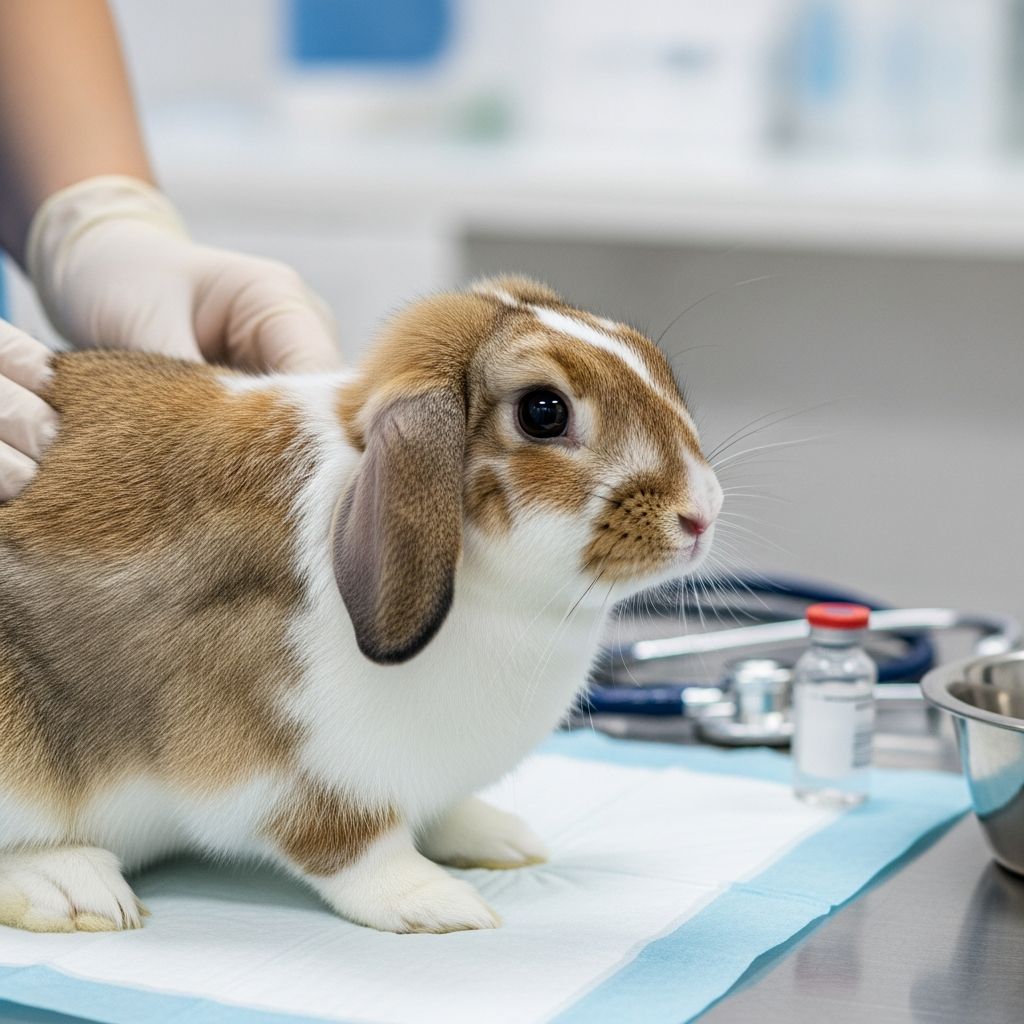
Rabbits are delicate animals with unique physiological systems that make them susceptible to various health challenges that are not caused by infectious agents. Understanding non-infectious diseases is crucial for rabbit owners and veterinarians alike, as these conditions can significantly impact quality of life and require prompt, specialized intervention. Unlike infectious diseases spread by pathogens, non-infectious conditions arise from metabolic imbalances, nutritional deficiencies, trauma, genetic predisposition, or degenerative processes.
Understanding the Nature of Non-Infectious Rabbit Diseases
Non-infectious diseases in rabbits represent a broad category of health problems that develop due to factors such as improper diet, stress, environmental conditions, genetic inheritance, or age-related degeneration. These conditions differ fundamentally from infectious diseases because they cannot be transmitted from one rabbit to another through direct contact, respiratory droplets, or contaminated materials. This distinction is important because it changes how veterinarians approach diagnosis and treatment, often requiring different management strategies than those used for infectious conditions.
Many non-infectious diseases in rabbits develop gradually, with symptoms that may be subtle initially. Owners who recognize early warning signs and seek veterinary care promptly significantly improve their rabbits’ chances of recovery and improved quality of life. The complexity of rabbit anatomy and physiology means that even seemingly minor symptoms can indicate serious underlying conditions requiring intervention.
Gastrointestinal Dysfunction and Motility Disorders
The rabbit digestive system operates continuously and requires constant movement to function properly. When this delicate system becomes disrupted, serious gastrointestinal complications can develop rapidly. Gastrointestinal stasis, often referred to as GI stasis, represents one of the most common non-infectious health emergencies in pet rabbits and can be life-threatening if not addressed promptly.
Recognizing Gastrointestinal Stasis
GI stasis occurs when the normal muscular contractions of the rabbit’s stomach and intestines slow or stop entirely, preventing food movement through the digestive tract. This condition can develop in response to various triggering factors and manifests through several characteristic signs that alert caregivers to a serious problem.
Common symptoms indicating possible GI stasis include:
- Marked decrease in appetite or complete refusal to eat
- Significantly reduced fecal pellet production or complete absence of droppings
- Visible abdominal bloating or distension
- Lethargy and reluctance to move or engage in normal activities
- Tooth grinding, which indicates pain or discomfort
- Hunched posture when sitting
- Reduced water intake
Factors Contributing to Gastrointestinal Stasis
Multiple underlying causes can trigger the development of GI stasis in rabbits. Understanding these contributing factors helps owners implement preventive strategies and recognize which rabbits face elevated risk. Low-fiber diets remain one of the most significant dietary risk factors, as rabbits require substantial amounts of hay to maintain proper digestive function. Inadequate hydration also plays a major role, as rabbits need constant access to fresh water to support digestive processes and maintain intestinal contents in appropriate consistency.
Beyond dietary factors, stress from environmental changes, pain from other conditions, underlying illness, or prolonged periods of immobility can precipitate GI stasis. Rabbits experiencing pain from dental disease, injuries, or other conditions may reduce their food intake, which can trigger secondary gastrointestinal dysfunction. Even stress from environmental changes, loud noises, or social disruption can initiate this cascade of problems.
Treatment Approaches for Gastrointestinal Stasis
Treating GI stasis requires aggressive multimodal therapy addressing the underlying cause while supporting the rabbit’s immediate needs. Hospitalization is typically necessary for cases with severe clinical signs, allowing veterinarians to provide intensive supportive care and monitoring.
Therapeutic interventions typically include:
- Intravenous or subcutaneous fluid therapy to restore hydration and support organ function
- Medications to stimulate gastric and intestinal motility, such as metoclopramide or cisapride, which work to restore normal muscular contractions
- Pain management using appropriate analgesics, as pain relief can encourage rabbits to resume eating and movement
- Assisted feeding through syringe-feeding high-quality timothy hay and pellets when rabbits cannot eat independently
- High-fiber hay supplementation once appetite begins returning
- Identification and treatment of any underlying conditions contributing to the GI dysfunction
With prompt and aggressive treatment, many rabbits can make complete recoveries, though some cases require 3-7 days or longer of intensive therapy. Even rabbits that appear gravely ill initially may respond well to comprehensive management approaches.
Dental and Oral Health Conditions
Rabbit teeth grow continuously throughout their lives, making proper dental health essential for overall wellness. When teeth do not wear appropriately or develop abnormalities, serious secondary health problems can develop affecting food intake and digestion.
Malocclusion and Dental Overgrowth
Dental problems in rabbits often stem from improper bite alignment (malocclusion) or overgrown teeth. These conditions may be congenital or develop over time due to nutritional deficiencies, trauma, or aging. When teeth grow improperly, they prevent normal chewing, potentially causing pain and difficulty consuming adequate nutrition. Rabbits may develop difficulty eating, weight loss, and subsequently gastrointestinal dysfunction when dental disease prevents proper food consumption and mastication.
Treatment may involve regular dental burring to keep teeth at appropriate length, dietary modification to softer foods that require less chewing force, or in severe cases, extraction of problematic teeth. Providing unlimited timothy hay promotes natural tooth wearing, making hay supplementation a critical preventive measure for maintaining dental health.
Musculoskeletal Disorders and Mobility Issues
Rabbits are prone to various musculoskeletal conditions affecting their ability to move and maintain quality of life. These conditions include spinal injuries, paralysis, and degenerative joint disease.
Spinal Injury and Paralysis
Spinal injuries can result from trauma such as improper handling, falls, or cage accidents and may cause partial or complete paralysis of the hind limbs. Rabbits with rear limb paralysis may appear hopeless initially, but with intensive management, many can achieve significant functional recovery.
Conservative management approaches for spinal injury and paralysis include:
- Hospitalization with cage rest to prevent further spinal injury and allow healing
- Pain management using appropriate analgesics to keep the rabbit comfortable
- Intravenous fluid therapy to support overall health and organ function
- Nutritional support through syringe-feeding if the rabbit cannot eat independently
- Passive range-of-motion exercises and careful repositioning to prevent pressure sores
- Maintaining normothermia (normal body temperature) through appropriate environmental control
Recovery from spinal injury can take several months, but dedicated care has resulted in rabbits regaining the ability to voluntarily move both hind limbs and ambulate through walking and hopping. Success requires intense nursing commitment and consistent management by caregivers.
Metabolic and Nutritional Disorders
Improper diet and nutritional deficiencies can trigger multiple cascading health problems in rabbits. These metabolic disorders often develop insidiously before becoming apparent.
Consequences of Inadequate Fiber Intake
Rabbits have evolved to consume diet consisting primarily of fibrous plant material, making high fiber intake essential for digestive function. Diets deficient in fiber contribute to GI dysfunction, obesity, and dental disease. Low-quality pellets, excessive treats, and insufficient hay supplementation can all contribute to serious metabolic complications.
Obesity-Related Complications
Obesity in rabbits increases risk for multiple secondary conditions including arthritis, metabolic syndrome, and reduced mobility. Overweight rabbits face difficulty grooming properly, increasing risk for skin infections and parasitic infestation. Obesity also complicates veterinary treatment of other conditions and reduces overall life expectancy.
Skin and Coat Conditions
While many skin conditions result from infectious agents like parasites or fungal organisms, some non-infectious dermatological problems affect rabbits. Environmental factors, nutritional deficiencies, and genetic predispositions can cause skin issues.
Management of Dermatological Problems
Non-infectious skin conditions may respond to environmental modifications, improved nutrition, reduced stress, and appropriate grooming. Regular brushing helps identify skin problems early and removes excess hair that might contribute to gastrointestinal blockages if ingested.
Neurological Conditions
Rabbits can develop neurological disorders affecting balance, coordination, and cognition. Encephalitozoon cuniculi represents a protozoal infection that causes neurological signs including head tilt, loss of balance, and rear limb paralysis. While technically an infectious agent, the resulting neurological presentation requires intensive management similar to non-infectious neurological disease.
Treatment of neurological conditions involves:
- Anti-protozoal medications given orally or by injection for weeks to months
- Anti-inflammatory medications to reduce neurological inflammation
- Supportive care including syringe-feeding if eating is affected
- Hospitalization when kidney or gastrointestinal complications develop
Supportive Care Principles for Non-Infectious Diseases
Regardless of the specific non-infectious condition affecting a rabbit, certain fundamental supportive care principles apply across multiple disease states. These interventions support organ function, maintain nutrition, manage pain, and create conditions allowing healing.
Fluid and Nutritional Therapy
Intravenous or subcutaneous fluid administration replaces fluids lost through illness or reduced intake. Syringe-feeding provides nutrition when rabbits cannot eat independently, preventing malnutrition and supporting immune function during recovery. Appropriate pain management encourages rabbits to move and eat, facilitating faster recovery.
Environmental Considerations
Stressed rabbits experience worsened symptoms and slower recovery. Providing a quiet, dark enclosure, minimizing handling, maintaining appropriate temperature, and reducing environmental stimuli all support healing. Gentle nursing care, appropriate bedding, and frequent cleaning prevent secondary complications like pressure sores and respiratory infections.
Prevention Strategies for Non-Infectious Diseases
Many non-infectious conditions can be prevented or their severity reduced through appropriate care practices:
- Provide unlimited timothy hay as the diet foundation to support dental and digestive health
- Offer high-quality pellets in appropriate quantities to prevent obesity
- Supply fresh, clean water continuously
- Create a calm, stress-free environment with appropriate enrichment
- Handle rabbits gently and appropriately to prevent traumatic injury
- Maintain appropriate cage dimensions and flooring to prevent joint injury
- Schedule regular veterinary check-ups to identify problems early
- Practice good grooming and hygiene to maintain skin and coat health
- Maintain appropriate room temperature between 65-75°F
When to Seek Veterinary Care
Rabbit illnesses progress very quickly, making prompt veterinary attention critical for survival and recovery.[10] Any behavioral changes, appetite loss, fecal changes, or signs of pain warrant immediate veterinary evaluation. Rabbits that appear acutely ill should be seen by a veterinarian experienced with exotic animals within hours, not days.
Conditions requiring emergency veterinary attention include complete loss of appetite, absence of fecal pellets for more than 8-12 hours, severe lethargy, difficulty breathing, signs of extreme pain, or inability to move normally. Delay in seeking care substantially reduces treatment success rates.
References
- Comprehensive Guide to Treating Rabbit Diseases — Stillwater Rabbitry. 2025. https://stillwaterrabbitry.com/2025/04/02/comprehensive-guide-to-treating-rabbit-diseases/
- Gastrointestinal Diseases of Rabbits — PubMed Central/National Center for Biotechnology Information. https://pmc.ncbi.nlm.nih.gov/articles/PMC7258705/
- Diseases in Rabbits — VCA Hospitals. https://vcahospitals.com/know-your-pet/diseases-in-rabbits
- Noninfectious Diseases of Rabbits — Merck Veterinary Manual. https://www.merckvetmanual.com/exotic-and-laboratory-animals/rabbits/noninfectious-diseases-of-rabbits
- Rabbit Disease Guide: Symptoms, Treatment + Prevention — FirstVet. https://firstvet.com/us/articles/common-rabbit-diseases-and-symptoms
Similar Articles








Read full bio of Sneha Tete