Rabbit Nail Trimming: Complete Guide For Stress-Free Trims
Master safe and stress-free rabbit nail trimming with step-by-step techniques, tools, and expert tips for healthy paws.
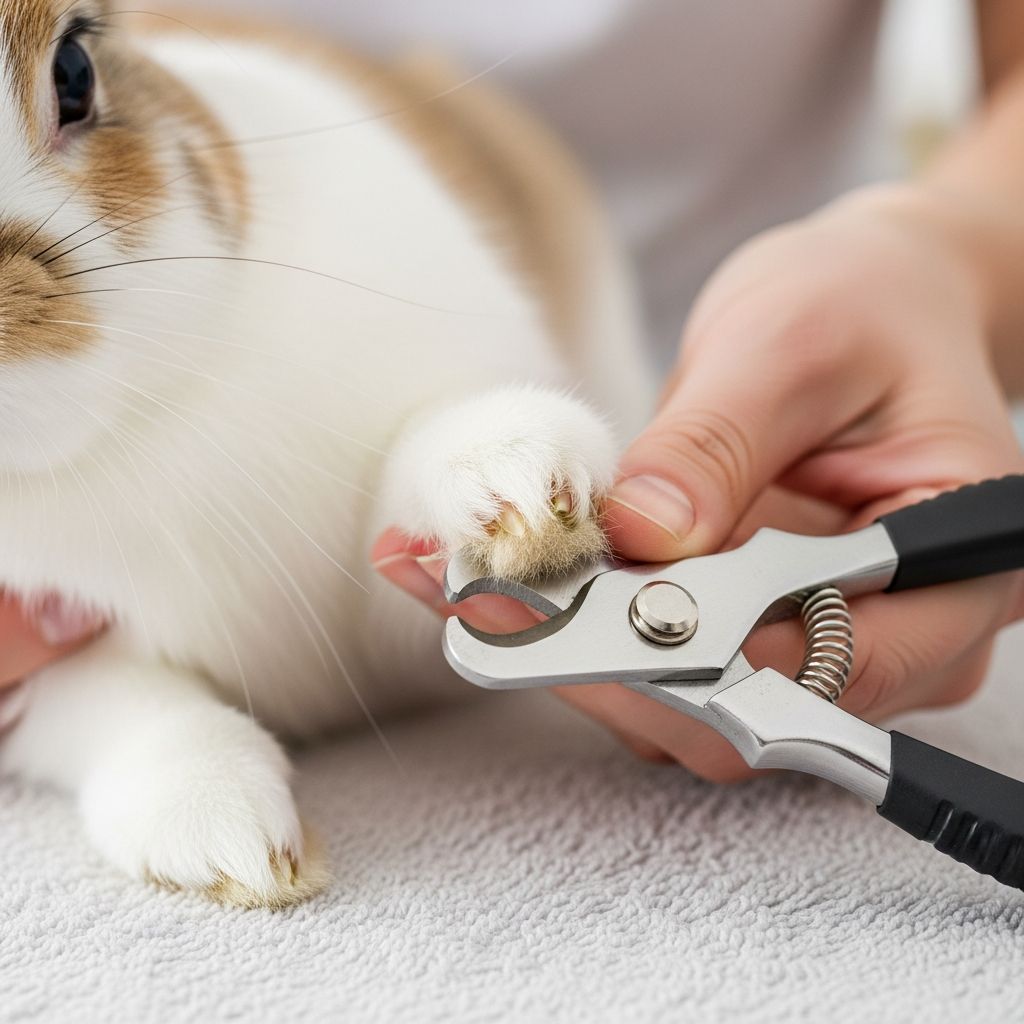
Rabbit Nail Trimming Guide
Rabbits require regular nail maintenance to prevent discomfort, injury, and mobility issues from overgrown claws. This comprehensive guide provides pet owners with practical knowledge on tools, techniques, and aftercare to perform trims confidently at home.
Why Regular Nail Trimming Matters for Rabbits
Overgrown nails in rabbits can curve inward, causing pain when walking or digging. They increase risks of splitting, snagging on cage wires, or infections from embedded debris. Healthy nails should not touch the ground when the rabbit stands on a flat surface; instead, they lightly curve without contacting it.
- Nails grow continuously due to rabbits’ active digging instincts.
- Indoor rabbits on soft bedding need trims every 4-8 weeks, varying by age and activity.
- Baby rabbits have soft, sharp nails; seniors often have thicker, slower-growing ones requiring less frequent cuts.
Neglecting trims leads to abnormal wear, pododermatitis (sore hocks), or behavioral changes like reluctance to move. Proactive grooming supports overall paw health and prevents vet visits.
Understanding Rabbit Nail Anatomy
Each rabbit paw has specific toe counts: front paws feature four main toes plus a dewclaw (18 nails total across all paws). The nail consists of a hard outer sheath protecting the quick—a sensitive inner core with blood vessels and nerves.
| Paw Type | Toes per Paw | Total Nails |
|---|---|---|
| Front | 4 + 1 dewclaw | 10 (both paws) |
| Rear | 4 | 8 (both paws) |
| Total | – | 18 |
Light nails show a pink quick; dark ones hide it, demanding careful estimation. Cutting the quick causes bleeding and pain, potentially eroding trust during handling.
Essential Tools for Safe Rabbit Nail Trims
Invest in rabbit-specific tools to avoid crushing or splitting nails, which human clippers often do.
- Rabbit nail clippers: Guillotine or scissor-style with sharp, replaceable blades.
- LED pen light: Illuminates the quick in dark nails by shining from behind.
- Styptic powder or cornstarch: Stops bleeding if the quick is nicked.
- Nail file or emery board: Smooths rough edges post-trim.
- Cotton swabs and warm water: For cleaning scent glands during sessions.
- Towel or non-slip mat: Provides security on laps.
Sharpen or replace dull blades regularly; they crush nails painfully. Treats like greens or pellets reinforce positive associations.
Preparation Steps Before Trimming
Timing matters—choose calm moments post-feeding when rabbits are relaxed. Acclimate kits early by touching paws daily.
- Clear a quiet space with good lighting.
- Gather tools and treats nearby.
- Pet and offer food to build trust; avoid sudden grabs.
- Work in short sessions if your rabbit fidgets.
For multi-rabbit homes, trim one at a time to minimize stress. If solo, practice on a stuffed toy first.
Step-by-Step Trimming Techniques
Two primary methods suit different rabbits: the supported hold for confident owners and the lap method for anxious or special-needs bunnies.
Supported Hold Method (Solo Trim)
Ideal for routine checks including scent glands.
- Cradle rabbit against your torso with left arm; gently lean back using right hand on chest.
- Secure rear paws with left hand, extending one front paw.
- Position paw between thumb and index finger; use thumbnail to gauge quick end.
- Cut 2-3mm beyond quick with clippers; repeat per toe, including dewclaws.
- File edges; shine light for dark nails.
- Switch sides, rewarding throughout.
Lap Method (Partner-Assisted)
Best for head-tilt rabbits or stress-prone ones.
- Seat rabbit on towel-covered lap; partner pets and stabilizes.
- Gently extend one paw forward.
- Illuminate nail; cut above quick using light guidance.
- Trim all nails per side before rotating.
- End with tail check: lift gently, swab scent glands.
Always cut perpendicular to the nail; trim small amounts frequently over one big session.
Handling Light vs. Dark Nails
Light nails: Pink quick visible—trim just beyond it, leaving white taper intact.
Dark nails: Use LED light behind nail to spot quick shadow; base cuts on lighter nails or seek vet demo. Overgrown dark quicks may need professional grinding.
Pro Tip: If unsure, err short—nails grow back faster than pain heals trust.
What to Do If You Cut the Quick
Bleeding occurs if quick is hit; stay calm to avoid startling the rabbit.
- Apply pressure with cornstarch-dusted cotton wool for 1-2 minutes.
- Styptic powder clots quickly; avoid overuse on open wounds.
- Monitor for 24 hours; contact vet if bleeding persists or infection signs appear (swelling, limping).
- Offer treats and quiet recovery; resume gently next time.
Most incidents resolve without issue; they underscore lighting and practice importance.
Frequency and Age-Specific Adjustments
Adjust schedules per life stage:
- Kits (under 6 months): Every 4 weeks; soft nails file easily.
- Adults: 6-8 weeks; monitor for uneven growth.
- Seniors: 10-12 weeks or 2-3 times yearly; thicker nails need strong clippers.
Observe gait: dragging toes or floor scratches signal trim time. Active outdoor rabbits may self-wear nails more.
Advanced Care: Scent Glands and Full Groom
Nail trims pair with grooming. Locate scent glands beside anus; use warm wet swab to remove waxy buildup, preventing impaction.
- Hold tail gently upward.
- Soak hardened debris 5 minutes before loosening.
- Clean monthly or during trims.
Inspect for spurs, abscesses, or pododermatitis. Full exams catch issues early.
Common Mistakes and Prevention
| Mistake | Why Avoid | Fix |
|---|---|---|
| Dull clippers | Crushes nail painfully | Replace blades |
| Rushing dark nails | Cuts quick | Use light, trim less |
| No treats | Builds fear | Reward every paw |
| Skipping dews | Overgrowth hidden | Check sides always |
FAQs
How often should I trim my rabbit’s nails?
Every 4-8 weeks for most; adjust by age and wear. Check weekly visually.
Can I use human nail clippers on rabbits?
No—they crush delicate nails. Opt for guillotine or pet-specific scissor types.
What if my rabbit hates nail trims?
Desensitize with paw massages; use lap method or vet help. Positive reinforcement helps.
Do rabbits need nail filing?
Yes, after trimming to prevent snags and splinters.
When to see a vet for nails?
Ingrown, bleeding unresponsive to clotting, or overgrown quicks needing sedation.
Building Long-Term Grooming Habits
Integrate trims into weekly routines: brush fur, check teeth/eyes, weigh. Early training fosters trust, reducing vet costs. Consult rabbit-savvy vets for personalized advice, especially breeds prone to foot issues like lop-eared varieties.
Consistent care ensures happy, agile rabbits thriving in homes.
References
- Trimming Nails — The Educated Rabbit. Accessed 2026. https://www.theeducatedrabbit.com/trimming-nails.html
- How To Clip Your Rabbit’s Nails | Pet Health Advice — PDSA (People’s Dispensary for Sick Animals). 2022-09-20. https://www.youtube.com/watch?v=7UG9mXtTzZ0
- Video: How to Trim Your Rabbit’s Nails — House Rabbit Society (rabbit.org). Accessed 2026. https://rabbit.org/care/grooming-handling/video-how-to-trim-your-rabbits-nails/
Similar Articles








Read full bio of medha deb