Rabbit Health Check: Signs of a Healthy Bunny
Learn how to identify signs of a healthy rabbit with our comprehensive health check guide.
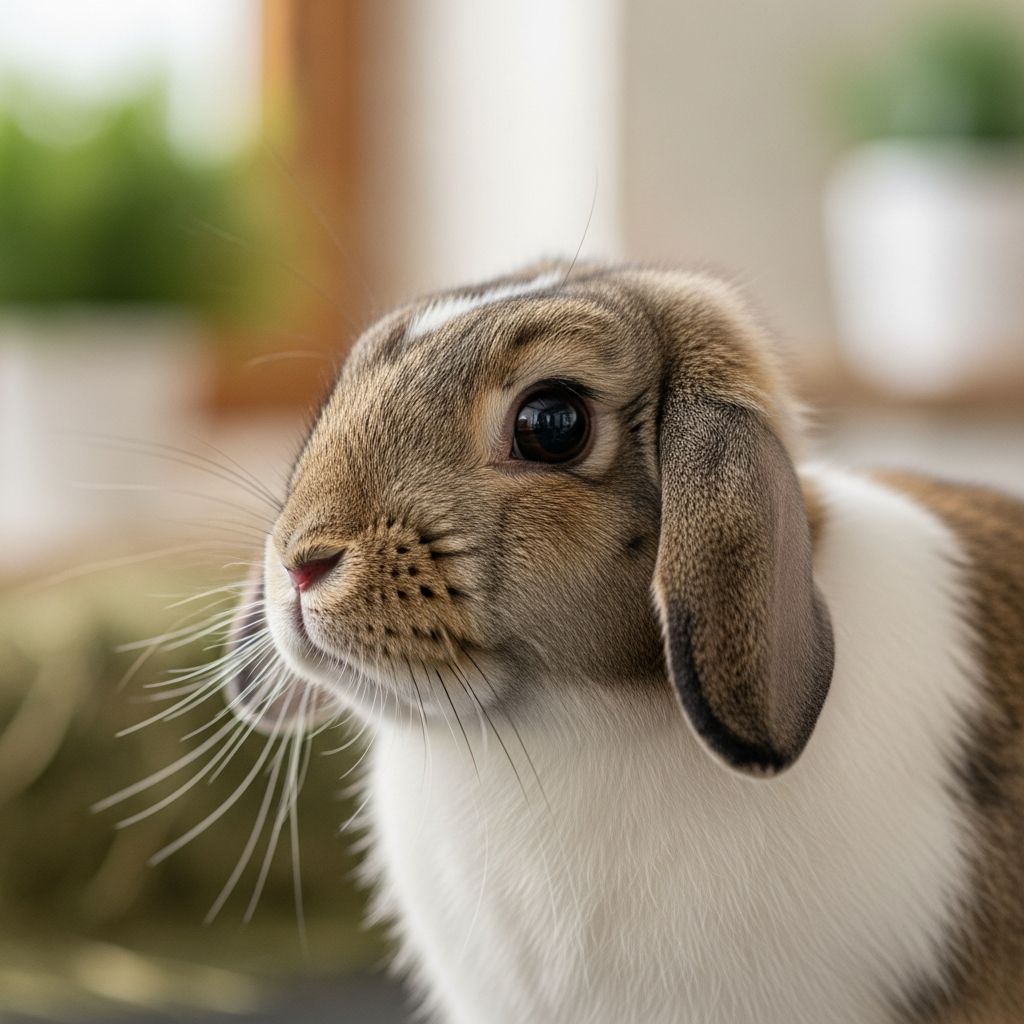
Regular health checks are essential for maintaining your rabbit’s well-being and catching potential health issues before they become serious problems. By learning what a healthy rabbit looks and acts like, you can identify changes that might warrant a veterinary visit. This comprehensive guide covers the key areas to examine during your bunny’s health assessment.
Understanding the Importance of Regular Health Checks
Rabbits are prey animals and naturally hide signs of illness or discomfort, which means problems can escalate quickly if not caught early. Performing routine health checks at home helps you establish what is normal for your individual rabbit and makes it easier to spot when something changes. These checks should be done regularly, ideally daily, to monitor your pet’s overall health and well-being.
A thorough health check involves examining multiple areas of your rabbit’s body and observing their behavior and eating habits. By familiarizing yourself with the indicators of good health, you can provide better care and seek veterinary attention promptly when needed.
Eyes: Windows to Your Rabbit’s Health
Your rabbit’s eyes can reveal much about their overall health status. Healthy rabbit eyes are clear and bright, displaying an alert appearance that indicates good vision and mental awareness. When you examine your rabbit’s eyes, look for brightness and clarity in the iris and overall eye appearance.
To perform a thorough eye examination, gently pull up or down on the eyelid to observe the tissue underneath. This tissue should appear pink, indicating good blood circulation and health. Red or inflamed eye tissue suggests infection or irritation and requires veterinary attention. Conversely, very pale tissue beneath the eyelid can indicate illness or poor circulation, which also warrants a vet visit.
Discharge from the eyes is another sign that your rabbit needs medical care. Clear, bright eyes with no discharge are a positive indicator. Additionally, rabbits have a “third eyelid,” a thin white membrane that normally remains hidden and protects the eye. If this third eyelid becomes prominent or visible, it could indicate that your rabbit is experiencing stress or other health concerns.
What to Look For:
- Clear, bright appearance
- Pink eye tissue when eyelids are gently pulled back
- No discharge or crusting
- Minimal visibility of the third eyelid
Nose and Nasal Health
A healthy rabbit’s nose should be moist and free from discharge. The nose is one of the first areas to check during your wellness examination, as it can quickly reveal respiratory issues or other health problems.
Normal nasal discharge is minimal and clear. If you notice your rabbit has excessive nasal discharge, crusting around the nostrils, or a consistently dry nose, these could be signs of respiratory infection or other underlying health issues. Pay attention to any sneezing or snuffling sounds, which might indicate upper respiratory infections.
Ears: Structure and Cleanliness
Your rabbit’s ears serve multiple functions, including temperature regulation and hearing. During your health check, examine both the outer surface and inner structure of the ears. The ears should appear clean and be free from parasites, dirt, or unpleasant odors.
Gently look inside the ears to check for signs of mites, fleas, or other parasites that could cause disease. Healthy ears should not have any visible debris, discharge, or signs of inflammation. If you notice droopy ears in a rabbit that normally has upright ears, this could indicate pain or illness and should be evaluated by a veterinarian.
Excessive ear scratching or head shaking can indicate ear mites or other parasitic infections. These conditions are treatable but require professional diagnosis and treatment to prevent further complications.
Mouth and Dental Health
Dental health is critical for rabbits, as their teeth continuously grow throughout their lives. A healthy rabbit’s mouth should be clean and free from discharge, swelling, cuts, or lumps. The mouth should not have an odor, and excessive drooling is a sign that something is wrong.
Examine your rabbit’s front teeth carefully. Healthy front teeth should be level with each other, with no sharp edges, curling, or cutting into the gums. The teeth should have a slight overbite, which is normal for rabbits. If you notice the front teeth are misaligned, overgrown, or causing problems, this condition is called malocclusion and requires veterinary treatment.
Signs of dental disease include decreased appetite, dropping food while eating, weight loss, suspicious mouth odor, grinding teeth, drooling, wet fur around the mouth and chin, and tearing eyes. Regular examination and monitoring of your rabbit’s teeth can help catch dental problems early.
Dental Health Indicators:
- Level, properly aligned front teeth
- Slight overbite (normal for rabbits)
- No sharp edges or overgrowth
- Clean mouth with no discharge
- Normal appetite and eating ability
Fur and Skin Condition
Your rabbit’s coat is an excellent indicator of overall health. A healthy rabbit has soft, shiny fur that feels pleasant to the touch. During your health check, run your hands through your rabbit’s fur, paying attention to the texture and appearance. The coat should be uniform in color and length, with no areas of balding, matting, or unusual discoloration.
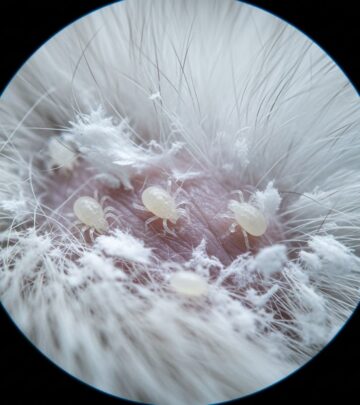
Check for signs of skin irritation, including redness, flaking, or unusual bumps. While minor dandruff can be normal, excessive flaking or crusty skin might indicate fur mites or other skin conditions. Fur mites can be identified by white scabs or crusty skin, but these symptoms can also indicate dandruff. The only way to definitively determine the cause is to have your veterinarian examine a fur sample under a microscope.
Hair loss can indicate several issues, including parasites, stress, overgrooming, or barbering behavior. Excessive scratching, chewing, or biting at the fur are signs of discomfort and should be investigated by a veterinarian. Check for evidence of fleas and other parasites, which can cause serious health problems if left untreated.
Feet and Hocks: Preventing Sore Feet
The health of your rabbit’s feet is crucial for mobility and comfort. The most common foot problem in pet rabbits is sore hocks or heels, which develop when rabbits sit on wire or rough surfaces in their enclosures. These sores can be quite painful and can serve as a vehicle for infection.
During your health check, examine the soles of your rabbit’s rear feet carefully. The bottoms of the feet should be covered with fur and show no signs of baldness, redness, sores, or injury. Check that the nails are not overgrown and that the feet appear clean and dry.
Inspect for any limping, weakness, or abnormal gait that might indicate pain or injury. Rabbits should be able to hop, run, and sit up on their back legs normally. If you notice any difficulty moving or signs of pain when walking, this could indicate a serious problem requiring veterinary attention.
Prevent foot problems by using appropriate bedding and avoiding wire-bottomed cages. If you notice foot sores, especially open sores, take your rabbit to the veterinarian immediately, as these can quickly become infected and cause serious complications.
Body Condition and Weight Management
Maintaining an appropriate weight is essential for your rabbit’s health. Part of your regular health check should include assessing your rabbit’s body condition by running your hands over their ribs and backbone. You should be able to feel the ribs and backbone without excessive pressure, but they should not be prominently visible or protruding.
Weight loss or gain can indicate underlying health problems. If your rabbit is losing weight despite normal eating habits, this could signal dental disease, parasites, or other health issues. Conversely, an overweight rabbit faces increased risk of health problems and reduced mobility.
Perform weight checks at least monthly, and keep records of your rabbit’s weight over time. Pick up your rabbit regularly to get a sense of their weight and body condition, as this helps you notice subtle changes that might not be apparent on the scale.
Bottom Area: Cleanliness and Health
The rear end of your rabbit should be clean and free from soiling, which can be a sign of poor diet or digestive problems. Check for signs of parasites, unpleasant smells, scalding, balding, redness, cuts, or lumps in this area.
A wet, dirty, or rough bottom can indicate diarrhea or other digestive issues that require attention. This area should be dry and clean under normal circumstances. If your rabbit’s bottom is consistently soiled or wet, this is a sign to contact your veterinarian, as it can lead to serious infections like fly strike.
Monitoring Eating and Drinking Habits
Changes in eating and drinking habits are significant indicators of health problems. Look for changes in your rabbit’s food consumption and monitor their drinking patterns. A rabbit that eats less or shows decreased interest in food may be experiencing pain, dental problems, or illness.
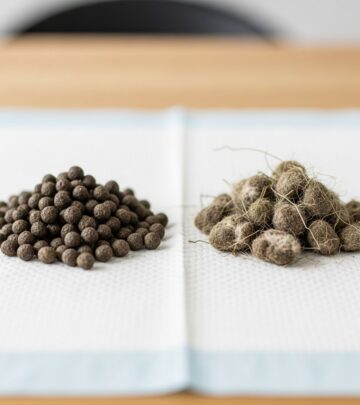
Normal rabbit droppings should be separate pellets, not strung together in chains or ropes. Monitor your rabbit’s feces for color, consistency, and any signs of worms or parasites. Soft droppings or diarrhea can indicate dietary issues or gastrointestinal problems that need veterinary attention.
Observe your rabbit’s overall energy levels and behavior. A healthy rabbit should be active, alert, and interested in their environment. Notice if your rabbit seems to have less energy, is slower getting up, or shows reluctance to jump, as these changes could indicate pain or illness.
Behavior and Disposition
Your rabbit’s behavior provides important clues about their health and well-being. Healthy rabbits are alert, active, and responsive to their environment. They should show interest in food, toys, and interaction with their companions or caregivers.
Changes in behavior can signal health problems. If your rabbit appears hunched up, lethargic, or refuses favorite foods, there may be a problem requiring veterinary attention. Rabbits that are experiencing pain or discomfort often hide more than usual, avoid interaction, or show signs of distress when handled.
Pay attention to your rabbit’s grooming behavior. While rabbits are naturally clean animals, excessive grooming or overgrooming can indicate stress, parasites, or skin problems. Learn what is normal for your individual rabbit and note any significant changes in their typical behavior patterns.
Signs That Warrant Immediate Veterinary Care
While many health issues can be addressed during regular veterinary visits, some conditions require immediate emergency care. Contact your veterinarian right away if your rabbit stops eating or pooping for more than eight hours, as this can indicate serious gastrointestinal problems.
Other emergency signs include evidence of pain such as teeth grinding, hunching, or hiding; nasal discharge or difficulty breathing; diarrhea or a dirty bottom; and appearing unsteady, having head tilt, or inability to use legs properly.
If your rabbit is not passing any fecal pellets, this is considered an emergency and requires immediate veterinary treatment. Early intervention can often prevent serious complications and improve outcomes.
Creating a Health Check Routine
Establish a regular health check routine to monitor your rabbit’s well-being consistently. Many veterinarians recommend daily observations combined with more thorough weekly or monthly health checks. During these checks, systematically examine each area of your rabbit’s body and compare current findings to previous observations.
Keep notes on your rabbit’s health status, including any changes you notice in eating habits, energy levels, behavior, or physical appearance. These records can be invaluable when discussing concerns with your veterinarian and tracking your rabbit’s health over time.
In addition to home health checks, schedule annual veterinary check-ups for your rabbit. Your veterinarian can identify problems that might not be apparent during home examinations and provide professional guidance on maintaining your rabbit’s optimal health.
Frequently Asked Questions
Q: How often should I perform a health check on my rabbit?
A: Daily observations are recommended to monitor your rabbit’s well-being, with more thorough physical examinations at least weekly. Annual veterinary check-ups are essential for comprehensive health assessment.
Q: What does a healthy rabbit’s coat look like?
A: A healthy rabbit’s coat should be soft, shiny, and clean, free from parasites, balding, lumps, cuts, flaking, redness, or bruising. The fur should be uniform in color and texture.
Q: Why are my rabbit’s teeth important to monitor?
A: Rabbits’ teeth continuously grow throughout their lives. Misaligned or overgrown teeth can cause pain, eating difficulties, and serious health complications. Regular monitoring can catch dental problems early.
Q: What should I do if I notice foot sores on my rabbit?
A: Contact your veterinarian immediately, especially if the sores are open, as they can become infected. Prevent foot problems by avoiding wire-bottomed cages and providing appropriate bedding.
Q: When is a change in rabbit behavior cause for concern?
A: Changes in appetite, energy levels, grooming behavior, or responsiveness to handling can indicate health problems. If your rabbit shows significant behavioral changes, consult your veterinarian.
Q: How can I tell if my rabbit is in pain?
A: Signs of pain include teeth grinding, hunching posture, reluctance to move, hiding, changes in eating habits, and vocalization when handled. Seek veterinary attention if you suspect pain.
References
- Regular Health Checks (Health & Exercise) – Rabbits — AAS Vets. https://www.aasvets.co.uk/pet-advice/rabbits/43-regular-health-checks-health-exercise
- Rabbit Health: Know the Signs — Flynn Veterinary Centres. https://flynnvets.com/rabbit-health-know-the-signs/
- Daily Observation For Rabbit Health And Well-Being — Open Sanctuary. https://opensanctuary.org/daily-observation-for-rabbit-health-and-well-being/
- Common Illnesses, Early Warning Signs, and Preventive Care — House Rabbit Society. https://rabbit.org/health/keeping-your-rabbit-healthy/
- Rabbit Health Check: Signs of a Healthy Bunny — Best Friends Animal Society. https://bestfriends.org/pet-care-resources/rabbit-health-check-signs-healthy-bunny
Similar Articles






Read full bio of medha deb