Rabbit Grooming: Brushing, Nail Trims, and More
Complete guide to rabbit grooming: brushing techniques, nail care, and essential health maintenance.
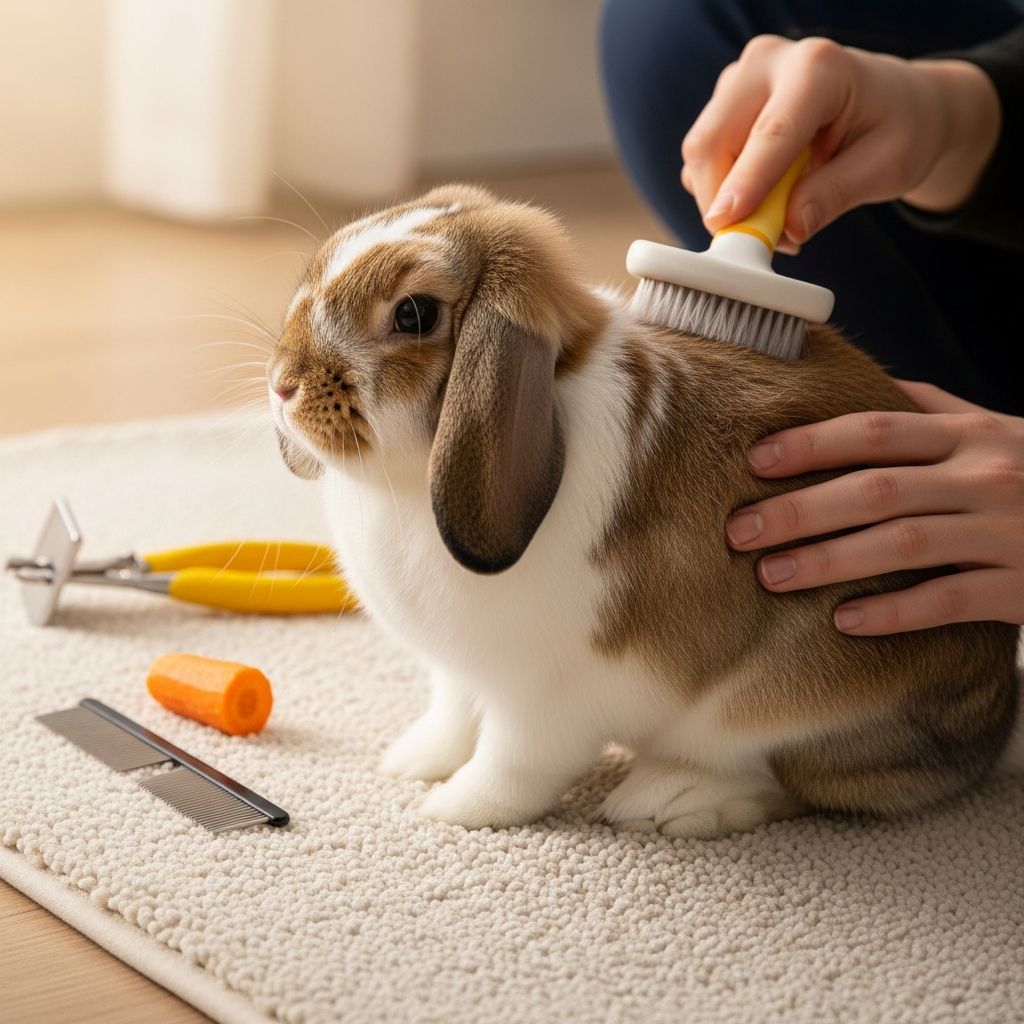
Grooming is a vital aspect of rabbit care that goes far beyond aesthetics. Regular grooming helps prevent serious health issues, strengthens the bond between you and your bunny, and keeps your rabbit comfortable and happy. A well-groomed rabbit is not only more attractive but also healthier and more content. Understanding the fundamentals of rabbit grooming will help you provide the best care for your furry companion.
Why Rabbit Grooming Matters
Rabbits are naturally clean animals that groom themselves constantly throughout the day. However, self-grooming has limitations, especially when rabbits shed their fur seasonally. When rabbits ingest their own fur during self-grooming, they cannot vomit to expel hairballs like cats can. This can lead to gastrointestinal blockages, a potentially serious health condition. By brushing your rabbit regularly, you remove excess loose fur before it can be ingested, significantly reducing the risk of digestive problems.
Beyond preventing health issues, grooming sessions provide an excellent opportunity to bond with your rabbit, check for parasites, identify skin conditions, and ensure overall wellness. Regular grooming also helps prevent matting, keeps your rabbit’s living area cleaner, and allows you to monitor the condition of their eyes, ears, and nails.
Understanding Rabbit Fur and Shedding Cycles
Rabbits have diverse fur types depending on their breed. Some rabbits have short, sleek coats, while others have long, dense, wooly fur. Understanding your rabbit’s specific fur type is essential for selecting appropriate grooming tools and establishing the right grooming schedule.
Rabbits typically shed their coats approximately every three months, though shedding cycles can vary by individual rabbit and may occur at seasonal changes. During these shedding periods, rabbits may shed in different ways. Some rabbits gradually lose their old coat over two or more weeks, while others shed heavily in just a few days. Quick shedding rabbits require immediate and frequent grooming to prevent hairball complications. Additionally, every alternate shedding cycle is typically lighter and less noticeable, while the next cycle involves heavier shedding that demands more intensive grooming attention.
Fur Brushing: The Foundation of Rabbit Grooming
Brushing is the cornerstone of proper rabbit grooming and serves multiple important functions. Regular brushing removes excess loose fur, prevents matting and clumping that can irritate the skin, helps distribute natural oils throughout the coat, and most importantly, limits the amount of fur your rabbit ingests during self-grooming.
Brushing Frequency Guidelines
Establishing the right brushing schedule is crucial for maintaining your rabbit’s coat and preventing health issues. Here are the recommended frequencies:
- Regular periods: Rabbits should be brushed at least every three days to weekly during normal shedding periods
- Heavy shedding cycles: Daily brushing is ideal when your rabbit is undergoing heavy shedding
- Long-haired rabbits: These rabbits benefit from daily grooming to prevent matting and maintain coat health
- Preparation for shedding: Regular brushing sessions help prepare your rabbit for the more intensive grooming needed during heavy shed cycles
Proper Brushing Techniques
When brushing your rabbit, technique matters significantly. Start by placing your rabbit on a towel or comfortable surface in front of you to keep them secure and comfortable. Always brush gently and follow the direction of hair growth. Rabbits have extremely thin, sensitive skin that can be easily injured, so use light pressure and avoid brushing too forcefully. Be especially careful around sensitive areas such as the eyes, ears, and belly. If your rabbit shows signs of discomfort or tries to move away, take a break and resume later.
After using a brush, consider following up with a rubber grooming tool such as a Zoom Groom or similar lightweight hand-finishing tool. These tools help remove additional loose fur gently and can feel pleasant to many rabbits. During heavy shedding periods, you may also gently lift off tufts of fur after brushing, which most rabbits tolerate well.
Essential Rabbit Grooming Tools
Selecting the right grooming tools for your rabbit depends on their fur type, length, and individual needs. Here are the most commonly used and recommended grooming implements:
- Slicker brush: Excellent for most rabbits, though some prefer softer alternatives due to skin sensitivity
- Soft-bristled brush: Gentle option preferable for rabbits with sensitive skin
- Glove-type brush: Interactive option that feels more like petting to many rabbits
- Wide-toothed comb: Ideal for removing mats from fur
- Fine-tooth comb: Useful for detailed grooming and flea combs for parasite inspection
- Fur splitter: Specialized tool for addressing stubborn mats
- Small scissors: For carefully cutting out mats (only use after proper instruction)
- Mini shaver: For certain breeds that require clipping; the mini Arco by Wahl is a popular choice
- Rubber grooming tools: Such as Zoom Groom for finishing touches and gentle removal of loose fur
- Mineral oil: For cleaning sensitive scent gland areas
- Eye wash: For cleaning the eye area
- Cotton balls and Q-tips: For cleaning ears and scent glands
Experiment with different tools to find what works best for your rabbit’s specific fur type and what your bunny enjoys most. Remember that rabbit skin is delicate, so prioritize soft, rabbit-safe grooming implements over harsh alternatives.
Long-Haired Rabbit Grooming
Long-haired rabbits require more intensive grooming than their short-haired counterparts. These rabbits often need daily brushing to prevent matting and maintain coat health. The grooming demands can be substantial, making consistency essential.
Some long-haired rabbits have thick, wooly coats that are particularly challenging to maintain and may require professional clipping approximately every 45 days. Others have fine, silky fur that is easier to manage through regular brushing, with clipping potentially limited to summer months for comfort. Consult with your veterinarian or experienced rabbit groomer to determine the best grooming plan for your long-haired rabbit.
Key areas to pay special attention to when grooming long-haired rabbits include the nape of the neck, the back of the head, the pelvic region, and the fur around their feet. Don’t forget to gently comb their tail as well. When mats become too severe to manage through brushing alone, seek professional help from a veterinarian or vet tech rather than risking injury to your rabbit’s sensitive skin.
Nail Care and Trimming
Proper nail maintenance is essential for your rabbit’s comfort and mobility. Long nails can cause discomfort, affect your rabbit’s gait, and even lead to foot injuries or nail-related complications. Regular nail trimming prevents these issues and keeps your rabbit comfortable.
Nail Trimming Schedule
Check your rabbit’s nails at least once a week during grooming sessions. Trim the nails whenever they begin to get a bit long. Rather than waiting until nails become excessively long and then attempting a dramatic trim, it’s better to perform frequent trims where you remove only a small amount. This approach is safer and less stressful for your rabbit. Nail growth rates vary by individual rabbit, but most rabbits need regular trimming to maintain optimal health.
How to Trim Your Rabbit’s Nails
Follow these steps for safe and effective nail trimming:
- Place your rabbit on a table covered with a towel to provide secure footing and prevent slipping
- If possible, have a helper hold your rabbit gently but securely, positioning them in a way that makes all four paws easily accessible
- Use nail clippers specifically designed for small pet nails, as these are appropriately sized and angled
- Examine each nail carefully to identify the quick—the pink vein running through the nail that contains blood vessels and nerves
- Cut just above the quick to avoid causing pain or bleeding
- Start with the front paws and work methodically through all nails
- If you accidentally cut into the quick and bleeding occurs, apply gentle pressure with a clean cloth or use styptic powder to stop the bleeding
If you feel uncertain about trimming nails yourself, your veterinarian or a professional groomer can perform this task while you learn and practice at home between appointments.
Additional Grooming Tasks
Beyond brushing and nail trimming, several other grooming tasks contribute to your rabbit’s overall health and hygiene.
Ear Cleaning
Check your rabbit’s ears regularly during grooming sessions. You can gently clean the outer ear area with a cotton ball or Q-tip, but avoid inserting anything into the ear canal. If you notice excessive wax buildup, discharge, or signs of ear mites, consult your veterinarian.
Eye Area Maintenance
The area around your rabbit’s eyes should be clean and dry. If you notice discharge or matting, gently clean the area with eye wash and a cotton ball. Take care not to get any liquid directly in the eye itself.
Scent Gland Care
Rabbits have scent glands in several locations, including around the chin and in the pelvic area. These areas can occasionally need gentle cleaning with mineral oil applied to a cotton ball. Be gentle and only clean if you notice excessive buildup or odor.
Bottom Area Hygiene
Pay attention to the fur around your rabbit’s bottom, as this area can collect fecal matter, urine stains, or debris. During grooming sessions, check this area carefully and gently clean if needed. Rabbits with mobility issues or digestive problems may require more frequent attention to this area.
Parasite and Skin Inspection
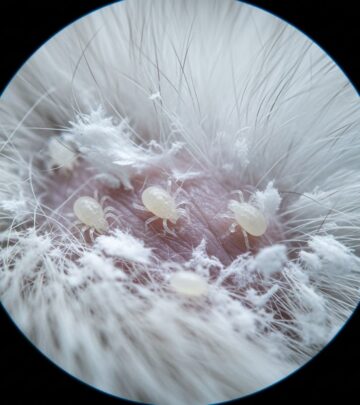
Regular grooming provides an excellent opportunity to inspect your rabbit’s skin for parasites, sores, bumps, or other abnormalities. Gently part the fur and look closely at the skin. If you notice any concerns, consult your veterinarian promptly. Early detection of skin problems can prevent them from becoming serious.
Spot Cleaning vs. Full Baths
Unlike many other pets, rabbits rarely need full-body baths. In fact, getting rabbits completely wet in a bath should generally be avoided, as it can be stressful and dangerous for them. Rabbits are excellent self-groomers and naturally maintain their hygiene. However, if your rabbit gets into a major mess or has fecal matter stuck to their fur, spot cleaning is appropriate. Use a damp cloth or paper towel to gently clean the affected area, and dry your rabbit thoroughly afterward. Reserve full baths only for extreme situations and always consult your veterinarian if you’re concerned about your rabbit’s cleanliness or health.
Grooming During Different Life Stages
Your rabbit’s grooming needs may change throughout their life. Younger, more active rabbits may tolerate grooming well and have naturally healthier coats. Senior rabbits may have mobility issues, making it harder for them to self-groom, and they may require more frequent grooming assistance. Rabbits with disabilities or health conditions may also need special grooming considerations. Discuss your senior or special-needs rabbit’s grooming requirements with your veterinarian to ensure you’re providing appropriate care.
Making Grooming a Positive Experience
For grooming to be effective, your rabbit needs to tolerate and eventually enjoy the process. Make grooming sessions pleasant by keeping them short initially, using gentle techniques, and offering treats and praise. Start with brief grooming sessions and gradually extend them as your rabbit becomes more comfortable. The bonding that occurs during grooming can deepen your relationship with your bunny and make future grooming sessions easier.
Frequently Asked Questions About Rabbit Grooming
Q: How often should I groom my rabbit?
A: Rabbits should be groomed at least weekly during normal periods, every three days during active shedding, and daily during heavy shedding cycles. Long-haired rabbits typically require daily grooming to prevent matting.
Q: What is the best brush for my rabbit?
A: The best brush depends on your rabbit’s fur type and sensitivity. Slicker brushes and soft-bristled brushes work well for most rabbits. Experiment with different options to find what your rabbit tolerates best and what effectively removes loose fur from their coat.
Q: Can I bathe my rabbit?
A: Full-body baths should generally be avoided for rabbits. Rabbits are excellent self-groomers and rarely need baths. If your rabbit gets extremely dirty, spot cleaning with a damp cloth is appropriate. Only use water-based cleaning for specific areas and dry your rabbit thoroughly.
Q: How do I know if my rabbit’s nails are too long?
A: Long nails can cause discomfort and affect your rabbit’s gait. Check nails weekly; if they’re beginning to curl or your rabbit’s foot position seems altered, it’s time for a trim. Regular trimming prevents nails from becoming excessively long.
Q: What should I do if my rabbit has severe matting?
A: For severe mats that you cannot work through with combing and brushing, consult your veterinarian or a professional groomer. They can safely clip out mats without risking injury to your rabbit’s sensitive skin.
Q: Why is my rabbit shedding so much?
A: Heavy shedding is normal and typically occurs every three months or at seasonal changes. Some rabbits shed gradually over weeks, while others shed heavily in just a few days. Increase brushing frequency during shedding cycles to prevent hairball-related health issues.
Q: How can I make grooming easier if my rabbit is resistant?
A: Start with short grooming sessions, use gentle techniques, and offer treats and praise. Make grooming a positive experience by being patient and never forcing your rabbit. Over time, many rabbits come to enjoy grooming sessions.
References
- Rabbit Grooming Basics — The Rabbit Haven. Accessed 2025-11-28. https://therabbithaven.org/rabbit-grooming-basics
- Grooming Tips — House Rabbit Society. Accessed 2025-11-28. https://houserabbit.org/grooming-tips
- Tips For Grooming Your Rabbit — Lafeber Co. Small Mammals. Accessed 2025-11-28. https://lafeber.com/mammals/tips-for-grooming-your-rabbit/
- Rabbit Care Guide — Chicago Exotics Animal Hospital. Accessed 2025-11-28. https://exoticpetvet.com/complete-rabbit-care.html
- How To Clipper A Rabbit Safely and Kindly — Rabbit.org. Accessed 2025-11-28. https://rabbit.org/care/how-to-clipper-a-rabbit-safely-and-kindly/
- Grooming 101 — San Diego House Rabbit Society. Accessed 2025-11-28. https://sandiegorabbits.org/education/grooming101
Similar Articles








Read full bio of medha deb