Rabbit Eye Infections: 4 Common Conditions And Treatments
Complete guide to identifying, treating, and preventing eye infections in rabbits.
Understanding Rabbit Eye Health
Rabbits are prone to various eye conditions that can affect their vision and overall health. Eye infections in rabbits often indicate an underlying problem such as dental disease, which can become expensive to treat and require ongoing treatment. Understanding common eye conditions, their symptoms, and appropriate treatments is essential for rabbit owners who want to maintain their pet’s ocular health and quality of life.
The eyes are delicate structures that require specialized care. When rabbits develop eye problems, they may experience significant discomfort and pain. Early recognition of symptoms and prompt veterinary intervention can prevent serious complications and preserve your rabbit’s vision.
Common Rabbit Eye Conditions
Conjunctivitis
Conjunctivitis, commonly known as pink eye, is one of the most frequently encountered eye conditions in rabbits. This condition involves bacterial infection of the conjunctiva, which is the pink lining of the inner surface of the eyelids. Conjunctivitis usually occurs when the rabbit is exposed to dirty water or lives in poor conditions like a filthy cage.
The infection can develop when bacteria multiply on the eye surface, particularly if there is trauma or damage. This happens more readily if the eye becomes dry or if the rabbit’s immune system is suppressed due to illness or stress. The most severe viral infections causing conjunctivitis is myxomatosis, though rabbits can be vaccinated against this usually fatal virus.
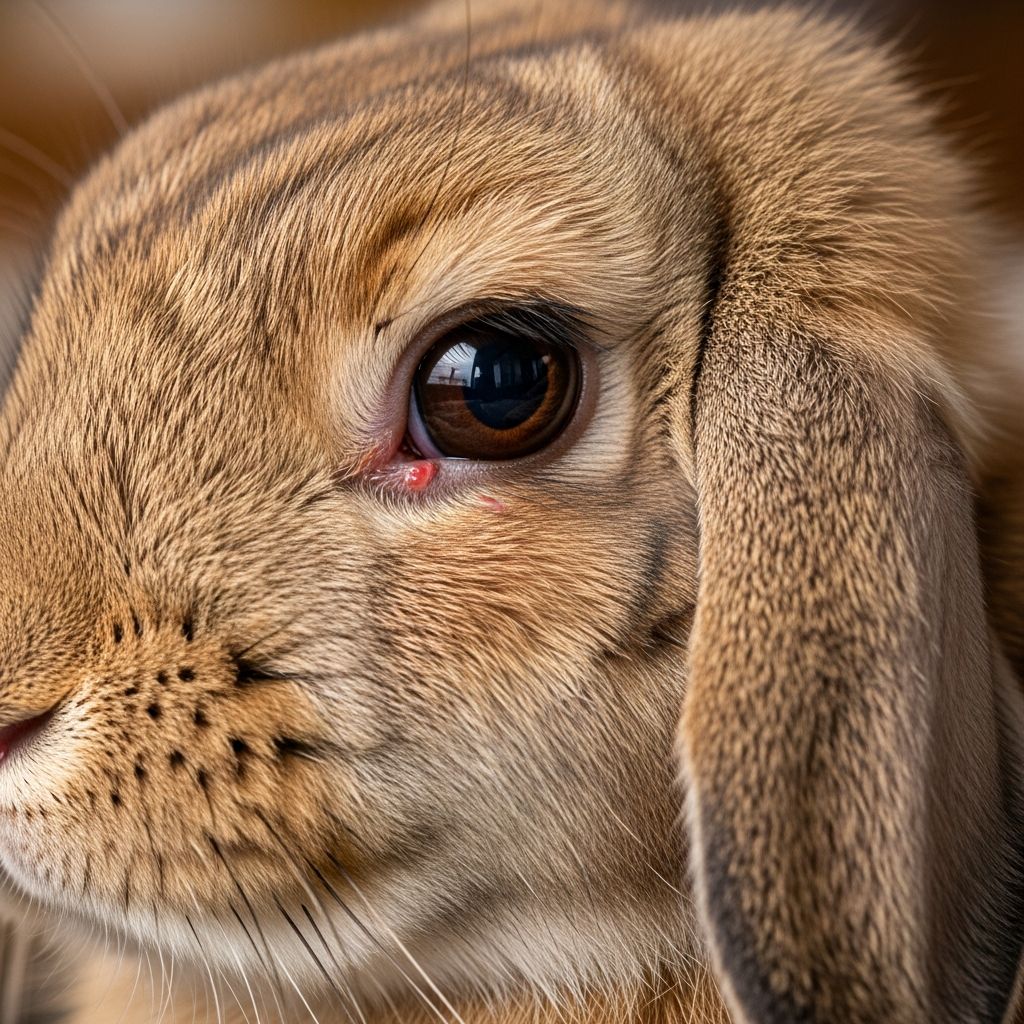
Symptoms of conjunctivitis include eye discharge that may be sticky or purulent, swollen eyelids, redness in and around the eye, and the rabbit keeping the affected eye partially or fully closed. Your rabbit may also scratch at the eye due to discomfort.
Dacryocystitis and Tear Duct Disease
Dacryocystitis, also called weepy eye, is a common inflammatory condition of the tear ducts in rabbits. This condition can occur in one or both eyes. Your rabbit’s tear ducts normally function to drain tears away from the eye surface toward the nasal passages. When these ducts become blocked or inflamed, tears can no longer drain properly and will spill over the lower eyelid onto the face.
Chronic eye discharge associated with dacryocystitis is frequently linked to inflammation of the tear duct that drains the eye and may also be related to dental disease. Eye discharge is often due to infection of the conjunctiva and the nasolacrimal duct, a duct that normally drains tears from the eyes to the nose. This can be due to opportunistic infections by bacteria or trauma to the eye, such as scratches or bite wounds.
When the nasolacrimal duct becomes infected, it often plugs with inflammatory material, thus preventing the tears from draining normally. The underlying causes of dacryocystitis may include bacterial infection, dental disease, or respiratory infections, all of which may require regular, long-term treatment.
Eye Inflammation (Uveitis)
Anterior uveitis, or inflammation of the iris, is another serious eye condition affecting rabbits. One of the most common causes of iris inflammation is bacterial infection, generally due to the Encephalitozoon cuniculi microorganism. This parasite can even infect the fetus while still in the womb. Some rabbits carry this infection without illness, but others develop inflammatory disease affecting the brain, kidneys, and eyes.
The most common symptom of uveitis is a change of appearance in the affected eye or eyes. Physical examination may reveal swelling of the iris, white or pink nodules on the iris, and eye-related discomfort such as sensitivity to light. The affected eye may appear red, and other less common signs may include fluid buildup in the cornea and unusually constricted pupils.
Anterior uveitis can result from corneal ulcers, conjunctivitis, or environmental irritants. Immunosuppressive disorders, which cause the immune system to not function normally, are another risk factor that may increase a rabbit’s chances of developing this condition. Anterior uveitis can also be caused by fungal or viral infections.
Corneal Ulcers
Ulcers occur from damage to the eye cornea, usually in the form of a defect, wound, or a puncture or hole in the eyeball. This is a common problem that happens due to rabbits fighting, hay or grass affecting the eye, or just as a consequence of an accident. The damage causes a bacterial infection, which is very painful and irritating for the rabbit.
Rabbits with corneal ulcers may hold their eyes closed and show signs of significant discomfort. The eyes may appear cloudy, and there may be excessive tearing or discharge. These lesions require careful attention and appropriate treatment to prevent permanent vision loss.
Recognizing Symptoms of Eye Problems
Early detection of eye problems is crucial for successful treatment. Rabbit owners should watch for the following clinical signs that may indicate an eye infection or injury:
– Holding the eye closed or partially closed- Eye discharge, which may be clear, sticky, or purulent- Redness in and around the eye- Scratching or rubbing at the eye area- Enlarged eye or swollen eyelids- Changes in eye color or appearance- Excessive tearing or weeping from the eye- Sensitivity to light- Behavioral changes such as reluctance to move or eat
If you notice any of these alarming symptoms, consult a trusted, rabbit-savvy veterinarian as soon as possible. Some eye conditions can progress rapidly and lead to permanent vision loss if not treated promptly.
Causes of Rabbit Eye Infections
Bacterial Infections
Bacterial infections are among the most common causes of rabbit eye problems. Various bacteria can infect rabbit eyes, including Pasteurella multocida, which is a cause of conjunctivitis, epiphora, nasolacrimal duct obstruction, and dacryocystitis in rabbits. Other bacteria associated with eye infections include Staphylococcus aureus, Pseudomonas species, and Haemophilus species.
Bacteria live on the surface of the eye and skin naturally. These bacteria can multiply and cause infection if there is trauma or damage to the eye. This happens more readily if the eye becomes dry or if the rabbit’s immune system is compromised.
Parasitic Infections
The rabbit parasite called Encephalitozoon cuniculi is a significant cause of eye problems in rabbits. This microorganism can lead to cataract formation and secondary inflammation of the eye, called uveitis. The parasite can be present in a rabbit’s system without causing noticeable symptoms in some cases, while in others it develops into significant inflammatory disease affecting the brain, kidneys, and eyes. This condition can be easily treated once identified.
Viral Infections
Some viruses cause conjunctivitis in rabbits. The most severe of these viral infections is myxomatosis, which causes conjunctivitis as well as head and genital swelling. Fortunately, rabbits can be vaccinated against myxomatosis, as it is usually fatal. Other viral agents may also contribute to eye problems in susceptible rabbits.
Foreign Bodies and Trauma
Foreign bodies represent a common cause of rabbit eye problems. Rabbits need to eat a lot of grass and hay to prevent dental disease. Unfortunately, seeds can become stuck on the eye or under the eyelids. These can cause discomfort and damage both from the foreign material itself and from the rabbit rubbing at the eye. Other traumatic injuries from fighting, accidents, or hay contact can result in corneal damage and ulceration.
Underlying Health Conditions
Dental disease is frequently associated with chronic eye problems in rabbits. The anatomy of rabbit eyes and teeth is interconnected, and dental problems can lead to tear duct issues and chronic discharge. Respiratory infections and other systemic illnesses can also predispose rabbits to eye infections.
Treatment Options for Rabbit Eye Infections
Diagnostic Procedures
Before determining the appropriate treatment, your veterinarian will perform a thorough examination of your rabbit’s eyes. Depending on your rabbit’s symptoms, the veterinarian may recommend a variety of diagnostic approaches. The discharge from the eye may be sampled and sent to the laboratory to identify the organism causing the infection so that it can be treated specifically.
Your veterinarian may use fluorescein drops to determine the extent of corneal damage in cases of suspected ulcers. Careful examination of the eyes of affected rabbits can eliminate potential causes such as abnormal hairs, lagophthalmos (inability to fully close the eyelid), facial nerve paralysis, or a foreign body.
Antibiotic Therapy
Often topical antibiotics and anti-inflammatory medications will help resolve conjunctival disease. In rabbits with chronic or severe infections, concurrent topical ophthalmic and systemic antibiotic therapy may be needed. Suggested combinations include systemic enrofloxacin or marbofloxacin and topical ciprofloxacin or gentamicin ophthalmic solution.
Antibiotic eye drops or ointment are frequently prescribed as part of the treatment regimen. These medications work to kill bacteria causing the infection and reduce inflammation in the eye tissues.
Tear Duct Management
When the nasolacrimal duct is involved in the infection, the veterinarian may recommend flushing the duct with a sterile saline solution in order to clear the duct of a buildup of inflammatory products before using medicated drops. This procedure helps restore normal tear drainage and prevents the accumulation of infected material within the duct system.
Anti-inflammatory Medications
Non-steroidal anti-inflammatory drugs may be prescribed to reduce swelling and alleviate pain. Anti-inflammatory pain relief can be provided if the rabbit’s eyes are very sore or inflamed. In some cases, topical steroidal medications such as prednisolone acetate may be recommended to control uveitis and reduce inflammation.
Supportive Care
Regularly bathing your rabbit’s eyes to remove discharge is an important part of treatment. Artificial tears may be used to keep the eyes moist while they heal. These supportive measures complement medical treatments and improve patient comfort during recovery.
Treatment for Encephalitozoon cuniculi
If E. cuniculi is identified as the cause of the eye problem, certain medications may be prescribed. Fenbendazole has proved effective in both preventing experimental E. cuniculi infection in rabbits and treating naturally infected seropositive rabbits. If the lens is not removed surgically, control of the uveitis with topical and systemic anti-inflammatory medications as well as systemic fenbendazole or albendazole is necessary.
In severe cases of E. cuniculi-related uveitis, lens removal may be necessary. Notably, spontaneous lens regeneration is possible in rabbits, which can allow recovery of vision even after surgical lens removal.
Severe Case Management
In most mild to moderate cases, the rabbit can be treated at home with prescribed medications. However, some severe cases may require hospital care for the animal. In cases where uveitis cannot be controlled medically and a chronically painful eye is present, enucleation (removal of the eye) may be indicated to relieve pain and improve the rabbit’s quality of life.
Long-term Treatment Considerations
Chronic conditions, such as respiratory infections or dental disease, may require regular, long-term treatment. Treatment protocols may include:
– Broad-spectrum antibiotics administered orally or systemically- Eye medication applied topically on a regular schedule- Topical antibiotic ointment for infected or damaged skin around the eyes- Non-steroidal anti-inflammatory medication to control ongoing pain- Periodic saline flushing of the infected or blocked tear duct- Tooth trimming or filing of any elongated teeth if dental disease is contributing to eye problems
Your veterinarian will work with you to develop a comprehensive treatment plan tailored to your rabbit’s specific condition and underlying causes.
Prevention and Ongoing Care
Maintaining good hygiene and proper living conditions is essential for preventing eye infections. Keep your rabbit’s cage clean and dry, provide fresh water daily, and ensure adequate ventilation in the living space. Regular dental care is important since dental disease is frequently associated with eye problems in rabbits.
Monitor your rabbit’s eyes regularly for any signs of discharge, redness, or changes in appearance. Early intervention can prevent minor issues from developing into serious complications. Ensure your rabbit receives appropriate vaccinations, including protection against myxomatosis if available in your region.
Frequently Asked Questions
Q: What should I do if my rabbit’s eye is swollen and red?
A: If your rabbit’s eye is swollen and red, contact a rabbit-savvy veterinarian immediately. Avoid attempting to treat the condition at home without professional guidance, as this could worsen the problem. Your veterinarian can perform a proper examination and recommend appropriate treatment.
Q: Can rabbit eye infections be contagious to other rabbits?
A: Some rabbit eye infections caused by bacteria or certain viruses can spread between rabbits, especially in close living conditions. It’s important to keep infected rabbits separated from others and maintain strict hygiene practices to prevent transmission.
Q: How long does it take for rabbit eye infections to heal?
A: Healing time depends on the type and severity of the infection. Mild cases may improve within one to two weeks with appropriate treatment, while chronic conditions like dacryocystitis may require months of ongoing treatment. Follow your veterinarian’s recommendations for the full course of treatment.
Q: Is it normal for rabbits to have some eye discharge?
A: Minor occasional eye discharge can occur, but excessive or persistent discharge is not normal and warrants veterinary attention. Chronic discharge may indicate underlying issues such as tear duct problems or dental disease that require professional evaluation.
Q: Can dental disease cause eye problems in rabbits?
A: Yes, dental disease is frequently associated with chronic eye problems in rabbits, particularly tear duct inflammation and persistent eye discharge. Maintaining good dental health through proper diet and regular veterinary check-ups can help prevent eye complications.
Q: What is the prognosis for rabbits with eye infections?
A: The prognosis depends on the type of infection, how quickly treatment is started, and any underlying health conditions. Many bacterial infections respond well to antibiotic treatment when caught early. However, severe infections or those related to systemic diseases may have a more guarded prognosis.
References
- Rabbit Eye Infections and Care — Chewy Education. Accessed 2025-11-28. https://www.chewy.com/education/small-pet/rabbit/rabbit-eye-infections-and-care
- Ophthalmologic Diseases in Small Pet Mammals — PubMed Central, National Center for Biotechnology Information. PMC7152055. https://pmc.ncbi.nlm.nih.gov/articles/PMC7152055/
- Eye Inflammation in Rabbits – Anterior Uveitis — PetMD. Accessed 2025-11-28. https://www.petmd.com/rabbit/conditions/eyes/c_rb_anterior_uveitis
- Dacryocystitis in Rabbits — Veterinary Vision Center. Accessed 2025-11-28. https://veterinaryvisioncenter.com/dacryocystitis-in-rabbits/
- Eye Infections in Rabbits — PDSA (People’s Dispensary for Sick Animals). Accessed 2025-11-28. https://www.pdsa.org.uk/pet-help-and-advice/pet-health-hub/conditions/eye-infections-in-rabbits
- Conjunctivitis: Care Information for Your Rabbit — Vet Help Direct. Accessed 2025-11-28. https://vethelpdirect.com/pet-health-library/condition-rabbit-conjunctivitis/
- Rabbit Eye Problems and Treatments — Lafeber Company Small Mammals. Accessed 2025-11-28. https://lafeber.com/mammals/rabbit-eye-problems-and-treatments/
Similar Articles








Read full bio of Sneha Tete