Rabbit Enclosure Hygiene: A Complete Guide
Master daily and deep cleaning routines to keep your rabbit's living space spotless, healthy, and odor-free for optimal wellbeing.
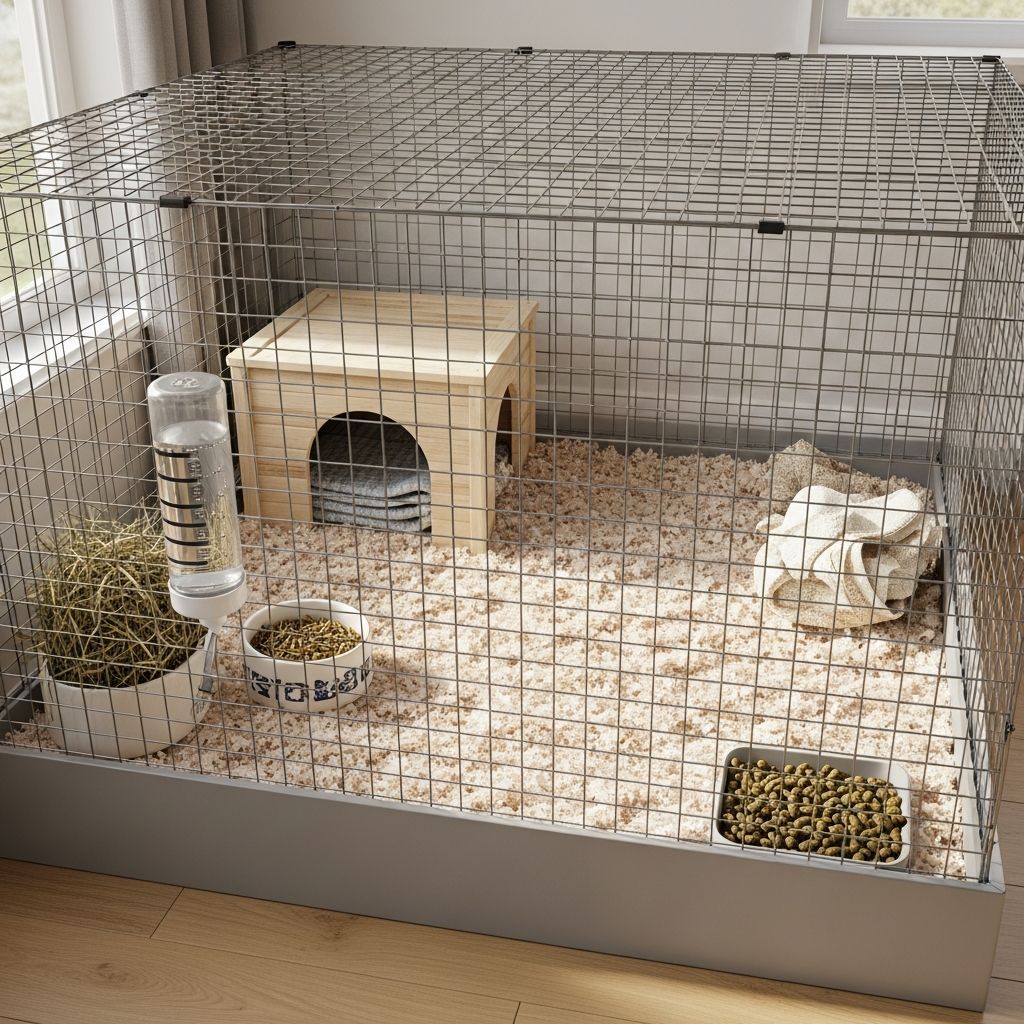
Rabbit Enclosure Hygiene Guide
Keeping your rabbit’s living space clean is essential for their health, comfort, and longevity. Regular maintenance prevents the buildup of waste, reduces odors, and minimizes the risk of infections or respiratory issues common in poorly ventilated or soiled environments. This guide outlines practical strategies for all levels of enclosure care, from quick daily tasks to thorough monthly overhauls.
Why Cleanliness Matters for Rabbits
Rabbits are naturally fastidious animals, but their high-fiber diet leads to frequent urination and defecation, creating ammonia-rich waste that can irritate eyes and lungs if not managed. A hygienic enclosure supports strong immunity, encourages natural behaviors like digging and hopping, and fosters a stress-free habitat. Neglect can lead to flystrike, pododermatitis (sore hocks), or gastrointestinal stasis from bacterial overgrowth.
Essential Tools and Supplies
Gather these items before starting to streamline your routine:
- Dustpan and stiff brush for scooping debris
- Pet-safe disinfectant spray (vinegar-based or commercial rabbit-approved formulas)
- Absorbent liners, newspaper, or fleece pads
- Gloves to protect hands from bacteria
- Scrub brushes, sponges, and microfiber cloths
- Trash bags for waste disposal
- Replacement hay, pellets, and fresh produce containers
Invest in durable, easy-access enclosure designs with removable trays or wide doors to simplify access during cleans.
Daily Maintenance Routines
Short 10-15 minute sessions prevent major buildup. Focus on high-traffic areas like litter zones and feeding spots.
- Spot-clean litter areas: Scoop out wet pellets or soiled hay immediately to control moisture.
- Refresh water: Empty, rinse, and refill bottles or bowls to avoid algae or contamination.
- Remove uneaten greens: Discard wilted veggies or fruits to curb mold and pests.
- Sweep surfaces: Brush away loose fur, poop, and hay from floors and ledges.
These steps maintain freshness and signal to your rabbit that their space is safe and inviting.
Weekly Deep Cleaning Protocol
Schedule a full teardown every 7 days, or bi-weekly for single rabbits in spacious setups. Relocate your bunny to a secure playpen during this 30-45 minute process.
- Evacuate all accessories, bowls, and toys into a staging area.
- Roll up soiled bedding with underlying paper into a bundle for easy disposal.
- Sweep all corners, bars, and crevices using a dedicated brush.
- Spray pet-safe cleaner liberally, let sit 5-10 minutes, then wipe with a damp cloth.
- Rinse bowls and toys in hot soapy water; air-dry completely.
- Reassemble with fresh liners, fluff hay in litter pan, and reintroduce familiar unscoiled items for comfort.
| Task | Frequency | Time Estimate |
|---|---|---|
| Spot clean litter | Daily | 5 mins |
| Sweep enclosure | Daily | 5 mins |
| Full teardown & disinfect | Weekly | 30-45 mins |
| Accessory wash | Weekly | 10 mins |
Monthly Thorough Overhauls
Once a month, perform an intensive refresh to address hidden grime. Disassemble the entire structure if possible.
- Scrub wire floors with a grill brush to remove caked manure.
- Soak trays in a vinegar-water solution (1:1 ratio) for natural deodorizing.
- Inspect for damage: Repair loose wires, sharp edges, or chew marks to prevent injuries.
- Deep-clean ventilation areas to ensure airflow, reducing humidity buildup.
Sun-dry components outdoors for natural sterilization, as UV light kills many pathogens.
Safe Cleaning Products and Homemade Alternatives
Avoid harsh chemicals like bleach, which can cause respiratory distress. Opt for:
- Vinegar spray: Equal parts white vinegar and water; effective against bacteria and odors.
- Baking soda: Sprinkle on liners to neutralize ammonia before vacuuming.
- Pet store disinfectants: Choose rabbit-specific formulas without phenols or ammonia.
Always rinse thoroughly and allow full drying before reintroducing your pet—residual moisture breeds bacteria.
Enclosure Setup for Easy Maintenance
Design influences cleanability. Prioritize:
- Removable bases: Pull-out trays or coroplast liners for quick swaps.
- Multi-level grids: C&C-style cages with fleece floors reduce dust.
- Litter training: Concentrates waste in one area, cutting cleaning time by 50%.
- Proper sizing: At least 4×4 feet for one rabbit to distribute waste evenly.
Position enclosures away from drafts but with good airflow to prevent dampness.
Health Monitoring During Cleaning
Cleaning doubles as a wellness check. Look for:
- Changes in poop size/shape (indicates diet issues).
- Blood, diarrhea, or excessive urine (vet alert).
- Skin irritations on feet from dirty floors.
- Overgrown nails or matted fur needing trim.
Document observations to track patterns and consult a rabbit-savvy vet if anomalies appear.
Common Mistakes to Avoid
Steer clear of these pitfalls for efficient, safe care:
- Using wood shavings: They harbor bacteria and cause respiratory woes—switch to paper or fleece.
- Overcrowding: Multiple rabbits amplify mess; provide ample space.
- Skipping gloves: Zoonotic risks like E. coli exist.
- Leaving doors ajar: Rabbits escape easily during cleans.
Seasonal Adjustments and Outdoor Hutches
For outdoor setups, adapt to weather:
- Summer: Increase frequency to combat flies; elevate off ground.
- Winter: Insulate but ensure dryness to avoid frostbite.
- Rainy seasons: Cover runs; check for leaks daily.
Indoor enclosures benefit from HEPA vacuums for fur control year-round.
Benefits of Consistent Hygiene
Diligent owners report fewer vet visits, calmer rabbits, and longer lifespans (8-12 years average). Clean spaces boost appetite, playfulness, and bonding time.
Frequently Asked Questions
How often should I fully clean my rabbit’s enclosure?
Daily spot cleans and weekly deep cleans suffice for most; adjust based on rabbit count and size.
Can I use bleach on rabbit cages?
No—it’s toxic. Stick to pet-safe options like vinegar.
What if my rabbit hates the clean smell?
Use unscoiled bedding from previous clean to ease transition.
Is fleece better than hay for flooring?
Fleece is absorbent, reusable, and foot-friendly; wash weekly.
How do I handle odors between cleans?
Sprinkle baking soda and increase ventilation.
References
- Cleaning Rabbit Housing — Blue Cross. 2023-05-15. https://www.bluecross.org.uk/advice/rabbit/wellbeing-and-care/cleaning-rabbit-housing
- Cage Cleaner Guidelines — Erie Area Rabbit Society. 2024-02-10. https://www.eriearearabbitsociety.org/volunteer/ears-cage-cleaner-guidelines/
- Rabbit Hutch Cleaning & Maintenance Guide — Coops and Cages. 2023-11-20. https://www.coopsandcages.com.au/blog/rabbit-hutch-cleaning-maintenance-guide/
- Rabbit Cage Maintenance: How Kavee Cages Make it Easier — Kavee. 2024-08-05. https://kavee.com/blogs/the-bunny-blog/rabbit-cage-maintenance-kavee
- How to clean and maintain rabbits cages — Cox Homestead (YouTube). 2022-06-12. https://www.youtube.com/watch?v=2vOp-90_EAo
Similar Articles








Read full bio of Sneha Tete