

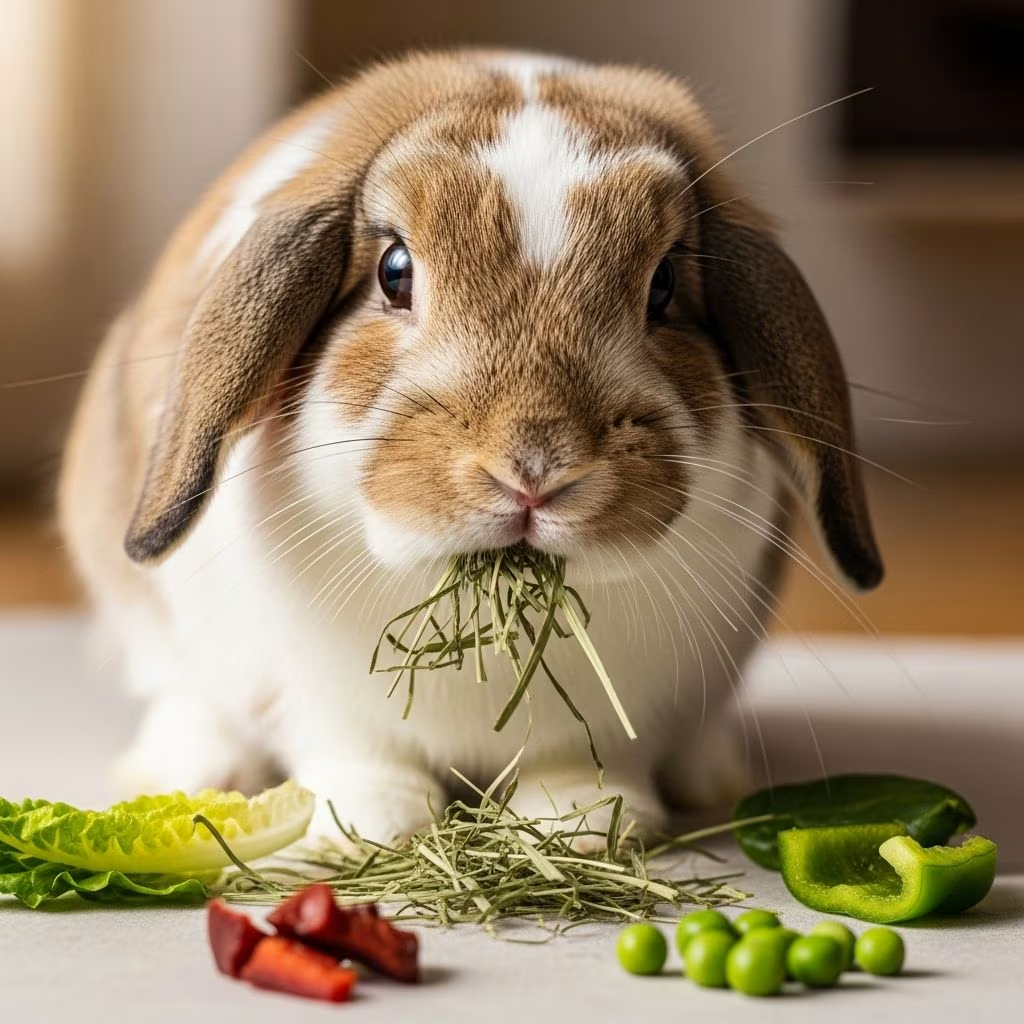
When it comes to caring for a pet rabbit, nutrition is one of the most critical aspects of their overall health and well-being. Many new rabbit owners assume that bunnies thrive on carrots and lettuce alone, but this misconception can lead to serious nutritional deficiencies and health problems. A good rabbit diet requires a balanced combination of hay, fresh vegetables, limited pellets, and occasional treats. Additionally, rabbits have notoriously sensitive digestive systems, which means any changes to their diet must be introduced gradually to prevent gastrointestinal upset.
Understanding what your bunny needs to eat is essential for ensuring they live a long, healthy life. This comprehensive guide will walk you through all aspects of rabbit nutrition, from the foundational role of hay to the proper portions of vegetables and treats.
Hay: The Foundation of Your Rabbit’s Diet
Hay is undoubtedly the most important component of your rabbit’s diet, making up approximately 80-90% of their daily food intake. As natural grazing animals, rabbits have evolved to consume large quantities of long-stemmed fiber throughout the day. This constant consumption of hay serves multiple critical functions: it keeps their gastrointestinal system moving properly, prevents dangerous blockages, maintains their dental health through natural grinding, and provides essential nutrients.
Your rabbit should have access to unlimited fresh hay every single day. The quality of hay matters significantly, so it’s important to purchase the freshest hay possible and inspect it carefully for signs of mold, dust, or moisture, which can make your rabbit sick.
Best Types of Grass Hay for Rabbits
Not all hays are created equal. For adult rabbits, grass hays are the preferred choice. You can select one type of grass hay or create a mixture to provide variety and keep your bunny interested. The best options include:
- Timothy hay
- Orchard grass
- Brome hay
- Oat hay
Alfalfa hay, while nutritionally rich in calcium and protein, should be reserved exclusively for nursing mothers and young rabbits under one year of age. Adult rabbits fed alfalfa hay regularly can develop kidney and bladder problems due to excessive calcium intake. Once your young rabbit reaches one year of age, transition them to grass-based hay to prevent health complications.
Fresh Vegetables: Nutritional Variety for Your Bunny
Fresh vegetables play a vital role in providing essential vitamins, minerals, and additional fiber to your rabbit’s diet. However, portion control is crucial. Adult rabbits should receive no more than 2 cups of fresh vegetables daily. Dwarf breeds and rabbits weighing less than 5 pounds should receive only 1 cup of fresh vegetables per day.
When introducing vegetables to your rabbit’s diet, follow these important guidelines:
- Add one new vegetable at a time
- Wait several days between introducing new vegetables
- Watch carefully for signs of loose stool or diarrhea
- Offer a variety of two or three different vegetables daily
- Wash all vegetables thoroughly before serving
Vegetables for Daily Consumption
- Bell peppers
- Bok choy
- Brussels sprouts
- Carrot tops (the greens, not just the root)
- Cucumber
- Endive
- Escarole
- Fennel (both the leafy tops and the base)
- Fresh herbs: basil, cilantro, dill, mint, oregano, parsley, rosemary, sage, and thyme
- Lettuces: romaine, green leaf, red leaf, Boston bibb, arugula, and butter lettuce
- Okra leaves
- Radicchio
- Radish tops
- Sprouts: alfalfa, radish, and clover
- Watercress
- Wheatgrass
- Zucchini
Vegetables to Feed Sparingly
- Broccoli (stems and leaves only)
- Carrots (high in sugar)
- Chard
- Clover
- Collard greens
- Dandelion greens (must be pesticide-free)
- Edible flowers: calendula, chamomile, daylily, dianthus, English daisy, hibiscus, honeysuckle, marigold, nasturtium, pansy, and rose
- Kale
- Spinach
Foods to Avoid Completely
- Potatoes
- Corn
- Beans
- Seeds
- Nuts
Pellets: A Supplementary Component
While pellets are often considered a staple of rabbit diets, they should actually comprise a relatively small portion of your bunny’s daily food intake. The recommended amount is approximately 1/4 cup of pellets per 5 pounds of body weight daily. Think of pellets as a nutritional supplement or side dish, not the main course.
- Minimum 18% fiber content (higher fiber is better)
- Made primarily from grass (timothy-based for adults)
- Free from added fruits, seeds, nuts, and corn
- No yogurt drops or artificial colors
Pellet Selection by Age
Young rabbits under one year of age can be fed alfalfa-based pellets, as they require the extra calcium for bone development. However, once your rabbit reaches one year of age, transition to timothy-based pellets. If you have a young rabbit on alfalfa pellets, make sure you’re also providing grass hay rather than alfalfa hay to prevent excessive calcium buildup.
Fruits: Occasional Sweet Treats
Fruits should be offered to your rabbit only once or twice per week, as they are high in natural sugars. The appropriate serving size is 1 to 2 tablespoons of fruit per 5 pounds of body weight. As with all dietary changes, introduce fruits slowly and one at a time, waiting several days between introducing new varieties.
- Apple (seeds removed)
- Banana
- Berries: blueberries, blackberries, strawberries, raspberries, and cranberries
- Cherries (seeds removed)
- Grapes
- Melon
- Nectarine
- Orange
- Papaya
- Peach
- Pear
- Pineapple
- Plum
- Watermelon
Rabbit Treats: The Top of the Pyramid
- Small pieces of fresh fruit (from the approved list above)
- Freeze-dried fruit pieces
- Natural, unprocessed mixes that include hay and dried flowers
- Hay-based treats from reputable brands like Selective Natural’s loop treats or Oxbow’s Simple Rewards line
- Oxbow brand rabbit treats
Feeding Guidelines by Life Stage
Baby Rabbits (3-7 weeks old)
- Unlimited alfalfa hay
- Unlimited alfalfa-based pellets
Young Adult Rabbits (7 months – 1 year)
- Unlimited grass hay
- 1/2 cup timothy pellets daily
- 1 cup fresh greens daily
- 1 ounce of healthy treats daily
Adult Rabbits (1-5 years)
- Unlimited grass hay (timothy, orchard, oat, or other grass varieties)
- Minimum 2 cups chopped vegetables per 6 pounds of body weight daily
- 1/4 cup pellets per 6 pounds of body weight daily
- Treats given only sparingly
Senior Rabbits (6 years and older)
- Unlimited grass hay (add alfalfa if the rabbit is underweight)
- Alfalfa pellets (if underweight) or timothy pellets (if at healthy weight)
- 2 cups fresh greens daily
- 2 ounces healthy treats daily
Important Dietary Transitions
- Make changes gradually over 7-10 days
- Mix small amounts of the new food with the old food initially
- Gradually increase the proportion of new food while decreasing the old
- Watch for changes in stool consistency
- If diarrhea or soft stool develops, slow down the transition or eliminate the new food
Frequently Asked Questions
Q: Can rabbits eat carrots every day?
A: No, carrots should be given only once or twice per week because they are high in sugar. While carrots are safe for rabbits, they should not be a daily vegetable due to their sugar content.
Q: What’s the best hay for rabbits?
A: Timothy hay, orchard grass, brome, and oat hay are all excellent choices for adult rabbits. You can feed one type exclusively or create a mixture. The most important factor is that the hay is fresh, dust-free, and mold-free.
Q: How much do pellets contribute to a rabbit’s diet?
A: Pellets should make up only about 5-10% of your rabbit’s diet. The recommended amount is 1/4 cup per 5 pounds of body weight daily. Hay should comprise 80-90% of their diet.
Q: Can I feed my rabbit a pellet-free diet?
A: Yes, some rabbits thrive on a pellet-free diet consisting of unlimited hay and plenty of vegetables. However, you must ensure you’re providing adequate calories and nutrients through high-quality hay and a variety of vegetables.
Q: How often should I give my rabbit treats?
A: Treats should be given sparingly as they represent the smallest portion of a rabbit’s diet. Reserve treats for occasional rewards or special occasions rather than daily offerings.
Q: What should I do if my rabbit has diarrhea after eating new food?
A: Stop feeding the new food immediately and return to their previous diet. If diarrhea persists for more than a few hours, contact your veterinarian as this can indicate a serious digestive problem.
Q: Are there any vegetables that are toxic to rabbits?
A: Most common vegetables are safe for rabbits, but potatoes, corn, beans, seeds, and nuts should never be fed as they can cause serious digestive problems. When in doubt, consult with your rabbit veterinarian before introducing a new food.
Conclusion
Providing your pet rabbit with a nutritionally balanced diet is one of the most important responsibilities of rabbit ownership. By focusing on unlimited hay as the foundation, adding fresh vegetables for nutrients and variety, providing measured amounts of quality pellets, and limiting treats, you’ll set your bunny up for a long and healthy life. Remember that every rabbit is unique, and you may need to adjust portions and specific foods based on your individual rabbit’s health, sensitivities, and preferences. When making any significant dietary changes or if you notice any signs of digestive upset, consult with a veterinarian who specializes in rabbit care to ensure your bunny’s nutritional needs are being met.
References
- Diet — House Rabbit Society. 2024. https://houserabbit.org/diet
- Rabbit Diet: What to Feed a Pet Bunny — Best Friends Animal Society. 2024. https://bestfriends.org/pet-care-resources/rabbit-diet-what-feed-pet-bunny
- Rabbit Diet & Nutrition: Safe Foods and Treats for Bunnies — House Rabbit Society. 2024. https://rabbit.org/care/food-diet/



