Rabbit Dental Health: Complete Care Guide
Maintain your rabbit's oral health with proper diet and veterinary care
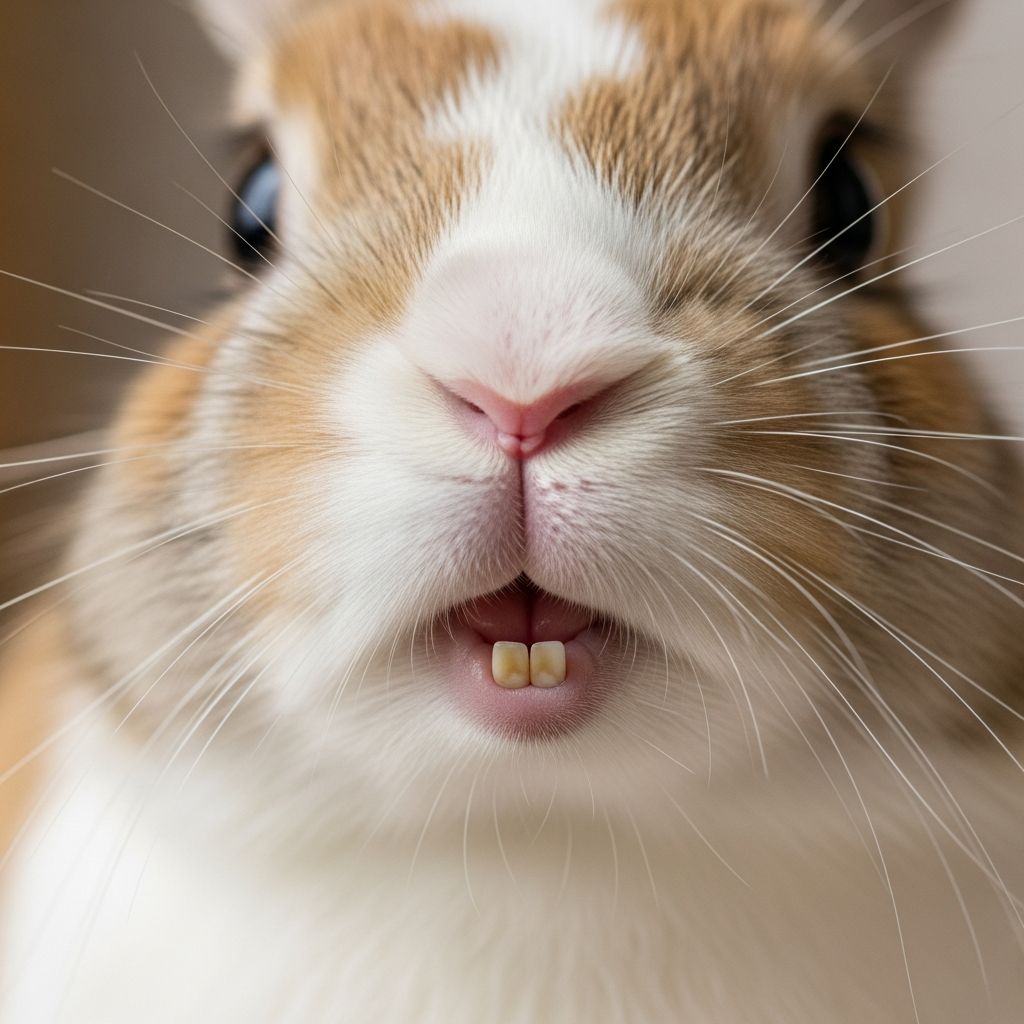
Rabbit dentistry represents one of the most critical yet frequently overlooked aspects of pet care. Unlike humans who develop adult teeth that remain relatively stable, rabbits experience continuous tooth growth throughout their entire lifespan. This biological reality creates unique challenges for rabbit owners and veterinarians alike. Understanding the mechanics of your rabbit’s dental system and implementing proper preventive strategies can mean the difference between a healthy, thriving companion and one facing serious health complications.
The Biology of Continuously Growing Teeth
Rabbits are classified as hypsodonts, meaning their dental structure is fundamentally different from most mammals, including humans. Rather than developing a fixed set of adult teeth that remain constant in size, rabbits possess 28 teeth that continuously grow and erupt throughout their lives. This perpetual growth pattern evolved to accommodate their natural diet of tough, fibrous vegetation that wears down teeth at a predictable rate.
In their natural habitat, wild rabbits consume grasses, clover, and other vegetation that requires extensive chewing. This constant mechanical action naturally files and wears the teeth to appropriate lengths. However, pet rabbits often consume diets lacking sufficient fiber, preventing the natural wear process from occurring effectively. When teeth continue growing without adequate wear, they become overgrown, creating a cascade of dental complications that can severely impact your rabbit’s quality of life.
Identifying Common Dental Complications
Pet rabbits experience several types of dental problems, with overgrown teeth being the most prevalent. Understanding these conditions helps you recognize problems early and seek appropriate veterinary intervention.
Overgrowth and Malocclusion
When teeth grow unchecked due to insufficient wear, they extend beyond normal length, interfering with the rabbit’s ability to eat comfortably. Overgrowth can affect both the front incisors and the back cheek teeth, though each presents different challenges and treatment approaches. Malocclusion, where teeth fail to align properly, compounds the problem by preventing natural wear patterns.
Dental Spurs and Sharp Projections
Overgrown cheek teeth often develop sharp spikes or spurs that protrude into the gums and tongue. These spurs cause significant pain and can lacerate oral tissues, making eating extremely difficult and distressing for your rabbit.
Tooth Root Abscesses
Untreated dental disease frequently progresses to tooth root abscesses, where bacterial infections develop beneath the tooth surface. These infections are painful and potentially life-threatening if left unaddressed. Multiple affected teeth substantially reduce recovery chances, and abscesses often recur despite treatment attempts.
Secondary Complications
Dental problems trigger additional health issues. Rabbits struggling to eat may experience gastrointestinal stasis, a serious digestive condition. Some rabbits develop excessive drooling, leading to chin dermatitis if moisture remains unchecked.
Warning Signs Your Rabbit May Have Dental Issues
Rabbits are notorious for concealing pain, which means dental disease often advances significantly before becoming obvious. Vigilant owners should watch for these indicators:
- Reduced appetite or refusal to eat hay, their dietary staple
- Weight loss or general decline in condition
- Excessive drooling or wet chin area
- Abnormal tooth grinding or teeth chattering, often signaling pain
- Runny eyes or eye discharge, sometimes associated with tooth root problems affecting tear ducts
- Reluctance to eat harder foods while accepting softer options
- Visible tooth overgrowth or misalignment when examining the mouth
- Changes in behavior, lethargy, or decreased activity levels
The Foundation: Diet and Prevention
The most effective approach to rabbit dental health involves prevention through proper nutrition. A well-balanced diet maintains tooth wear and prevents the development of dental disease entirely.
Hay: The Essential Foundation
High-quality hay forms the cornerstone of rabbit dental health and should comprise at least 85% of your rabbit’s daily intake. Timothy hay, orchard grass, and botanical hay varieties provide the fibrous content necessary for continuous tooth wear. Your rabbit should consume approximately a ball of hay equivalent to their body size each day.
The act of chewing hay involves repetitive grinding motions that naturally file tooth surfaces, preventing overgrowth and maintaining proper alignment. Additionally, hay supports digestive health, creating a comprehensive nutritional foundation.
Pellets in Appropriate Quantities
Commercial rabbit pellets provide concentrated nutrition but should be limited to prevent overfeeding and reduced hay consumption. The recommendation for adult rabbits is one-quarter cup of Timothy-based pellets per five pounds of body weight, administered once daily.
Fresh Vegetables and Produce
Fresh vegetables add nutritional variety and encourage chewing behavior. Rabbit-safe options include collard greens, dandelion greens, various lettuce varieties, bok choy, endive, and escarole. These should complement rather than replace hay in the diet.
Foods to Avoid
Grains, seeds, and commercially-produced cookies lack the fiber necessary for proper tooth wear and should never be fed to rabbits. These foods contribute to dental disease development and associated health complications.
Home Monitoring and Early Detection
Regular home inspection allows you to identify emerging dental problems before they become severe. Implementing a structured monitoring routine significantly improves outcomes if issues develop.
Dental Examination Technique
Once weekly, gently examine your rabbit’s front teeth in a well-lit area. Observe their appearance, noting the color, texture, and alignment. Familiarize yourself with normal appearance so you can spot deviations promptly. While examining front incisors is relatively straightforward, assessing back cheek teeth requires professional expertise.
Behavioral Monitoring
Track your rabbit’s eating habits, noting changes in appetite, hay consumption, or food preferences. Monitor weight stability and overall activity levels. Document any behavioral changes, as these often signal underlying dental discomfort.
Professional Examination Schedule
Veterinary dental assessments should occur at least annually, with more frequent checks recommended for older rabbits or those with known dental predisposition. Your veterinarian will perform thorough examinations and may recommend radiographs or CT imaging to assess tooth root positioning and identify hidden problems.
Professional Treatment Options
When dental disease develops despite prevention efforts, professional veterinary treatment becomes necessary. Treatment approaches vary based on severity and the specific teeth affected.
Tooth Trimming and Resurfacing
For overgrown teeth, trimming removes excess length and smooths surfaces. Proper trimming requires general anesthesia or injectable sedation and specialized equipment, specifically a rotary tool with diamond bits designed for dental work. Attempting home trimming with nail clippers or wire cutters causes fractures that lead to infection, abscessation, and severe complications. Overgrown incisors typically require trimming more frequently than cheek teeth with spurs, with some rabbits needing procedures every four to twelve weeks depending on severity.
Tooth Extraction
When dental disease is severe or affects multiple teeth, extraction may be the most appropriate treatment. While this seems drastic, removing problematic teeth often improves quality of life for rabbits experiencing chronic pain and difficulty eating. Extraction prevents recurrent infections and abscessation associated with diseased teeth.
Post-Treatment Care
Following any dental procedure, immediate nutritional support is critical. Encouraging eating stimulates appropriate tooth wear and maintains gastrointestinal function. If your rabbit struggles to eat, your veterinarian will teach syringe-feeding techniques using commercially available powdered formula mixed with water. Oral anti-inflammatory medications manage pain during recovery, and antibiotics address infections if present.
Enrichment and Environmental Factors
Beyond diet, environmental enrichment supports dental health through promoting natural chewing behaviors. Providing safe, vet-approved chew toys maintains mental stimulation while encouraging beneficial jaw activity. Ensure toys are untreated wood or other materials free from harmful chemicals that could compromise health.
Common Questions About Rabbit Dental Care
Can rabbits live with extracted teeth?
Yes, rabbits can adapt to life with extracted teeth, particularly if extraction occurs before severe deterioration. However, extraction of multiple cheek teeth significantly complicates eating and recovery prospects.
How often should rabbits visit the veterinarian?
Annual veterinary checkups are the minimum, though rabbits with dental predisposition or age-related changes benefit from more frequent assessments. Your veterinarian will recommend appropriate scheduling based on individual circumstances.
Is tooth trimming painful for rabbits?
Properly performed trimming under appropriate sedation is not inherently painful. However, the procedure itself can be stressful for rabbits, which is why some veterinarians prefer extraction for severely diseased teeth rather than repeated trimming appointments.
Can diet alone prevent all dental problems?
While proper diet substantially reduces dental disease risk, some rabbits develop problems due to genetic predisposition or anatomical abnormalities. These rabbits may require ongoing professional management despite optimal nutrition.
Long-Term Dental Health Strategy
Maintaining rabbit dental health requires commitment to a comprehensive strategy combining proper nutrition, home monitoring, and professional veterinary care. The investment in prevention far exceeds the costs and emotional burden of managing advanced dental disease. By implementing high-fiber diets, conducting regular home inspections, and maintaining consistent veterinary relationships, rabbit owners can help their companions enjoy healthy, pain-free lives with optimal oral function.
References
- Dental Problems in Rabbits — PDSA (People’s Dispensary for Sick Animals). 2024. https://www.pdsa.org.uk/pet-help-and-advice/pet-health-hub/symptoms/dental-problems-in-rabbits
- Dental Disease in Rabbits — VCA Animal Hospitals. 2024. https://vcahospitals.com/know-your-pet/dental-disease-in-rabbits
- How To Care for Rabbit Teeth — PetMD. 2024. https://www.petmd.com/rabbit/how-care-rabbit-teeth
- Routine Health Care of Rabbits – All Other Pets — Merck Veterinary Manual. 2024. https://www.merckvetmanual.com/all-other-pets/rabbits/routine-health-care-of-rabbits
- Dental Care for Rabbits — Calder Vets. 2024. https://www.caldervets.co.uk/pet-help-advice/rabbits/rabbit-dietary-advice/67-dental-care-for-rabbits
- Dental Health in Rabbits — LaFeber Company Veterinary Resources. 2022. https://lafeber.com/vet/dental-health-in-rabbits/
- 5 Tips: Caring for Rabbit Teeth — Quinebaug Valley Veterinary Hospital. 2024. https://qvvh.com/blog/how-to-care-for-rabbit-teeth/
Similar Articles








Read full bio of Sneha Tete