Rabbit Care Sheet: Complete Guide for Healthy Bunnies
Master rabbit care with our comprehensive guide covering diet, housing, health, and enrichment.
Rabbit Care Sheet: A Complete Guide to Keeping Your Bunny Happy and Healthy
Rabbits make wonderful companions, but they require proper care and attention to thrive. Whether you’re a new rabbit owner or looking to improve your current care routine, this comprehensive guide covers all the essentials you need to know to keep your furry friend healthy, happy, and entertained. From nutrition and housing to health and grooming, we’ll walk you through every aspect of rabbit ownership.
Understanding Rabbit Basics
Before diving into specific care requirements, it’s important to understand that rabbits have unique needs that differ significantly from other pets. Rabbits are social, intelligent animals that require adequate space, proper nutrition, and regular veterinary care. They’re also prey animals by nature, which means they can be easily stressed by loud noises and sudden movements. Creating a calm, secure environment is fundamental to their wellbeing.
Diet and Nutrition
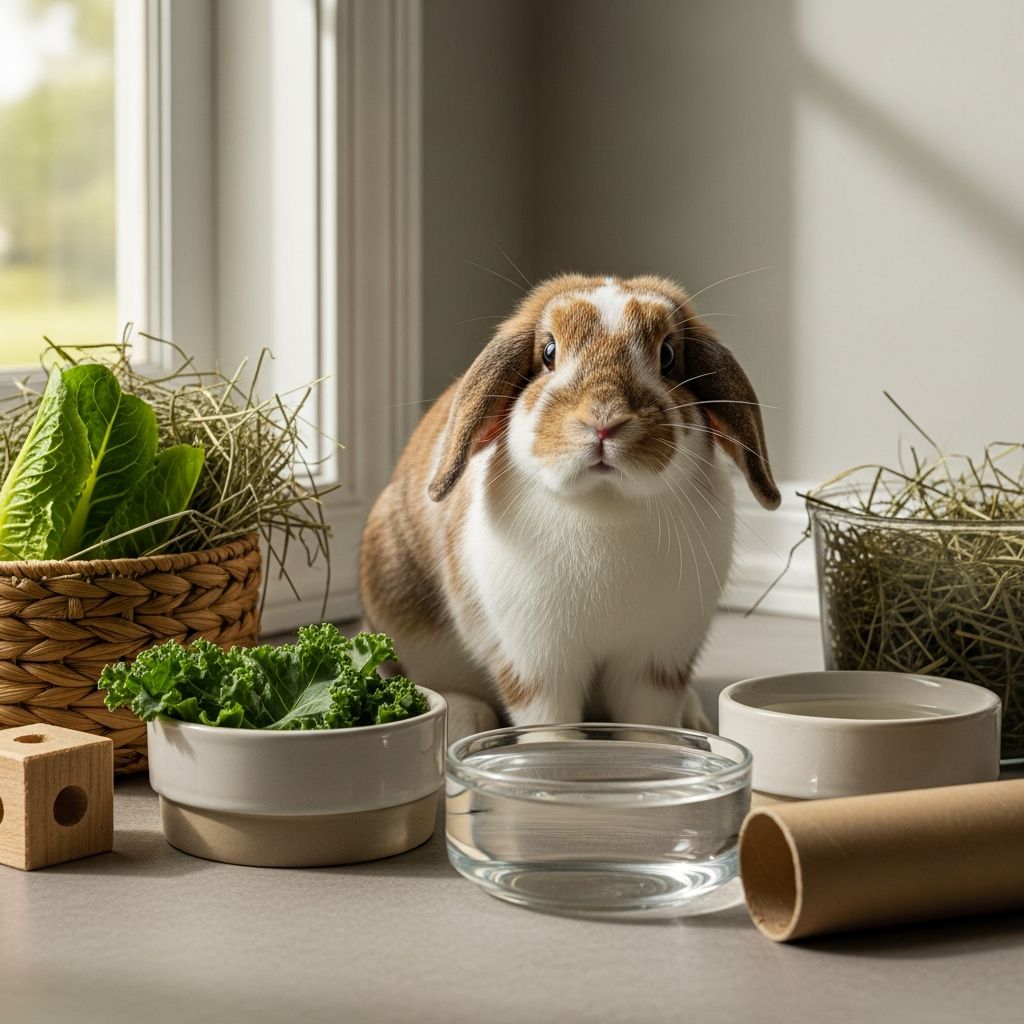
A proper diet is the cornerstone of rabbit health and longevity. Rabbits have specific nutritional requirements that must be met through a balanced combination of hay, fresh greens, and quality pellets.
Hay: The Foundation of Rabbit Diet
Hay should comprise approximately 80% of your rabbit’s daily food intake. This is not just filler—hay is essential for maintaining proper digestive function and naturally wearing down your rabbit’s continuously growing teeth. Different types of hay include Timothy hay, orchard grass, and meadow hay, all of which are excellent choices. The high fiber content in hay prevents digestive issues and helps maintain a healthy weight.
Fresh Greens and Vegetables
Rabbits thrive on a variety of fresh, leafy greens. Dark, leafy vegetables like kale, romaine lettuce, cilantro, and parsley provide essential vitamins and minerals. Offer 2-4 cups of fresh greens daily, depending on your rabbit’s size. Rotate different greens regularly to provide nutritional variety and prevent boredom.
Pellets and Treats
High-quality rabbit pellets should comprise no more than 10-15% of your rabbit’s diet. Choose pellets that are high in fiber but low in protein and calcium. A general guideline is to feed approximately 1/4 cup of pellets per 5 pounds of body weight daily. Treats should be given sparingly and should never exceed 5% of daily caloric intake. Common safe treats include small pieces of apple, carrot, and banana.
Water and Hydration
Fresh, clean water must be available at all times. Provide water in a heavy ceramic bowl that cannot be easily tipped over, or use a water bottle attached to their enclosure. Clean and refill the water daily to prevent bacterial growth and contamination. Proper hydration is crucial for maintaining digestive health and overall wellness.
Housing and Environment
Creating the right living space is critical for your rabbit’s physical and mental health. A proper habitat should provide security, comfort, and space for movement.
Enclosure Size and Setup
Your rabbit’s enclosure should be spacious enough to allow free movement and exercise. The minimum recommended floor space is 4 times your rabbit’s body size, though larger is always better. Ideally, rabbits should have access to a rabbit-proofed room or area where they can exercise freely for several hours daily. If using a cage or hutch, ensure it has multiple levels or access to a connected play area.
Bedding Materials
Use soft, absorbent bedding such as hay, straw, or shredded paper. Never use pine or cedar shavings, as the oils in these woods are harmful to rabbits and can cause respiratory issues. Change bedding regularly to maintain a clean, dry environment and prevent the buildup of ammonia from urine.
Litter Box Setup
Rabbits naturally use designated bathroom areas, making litter training relatively easy. Provide a large, rabbit-safe litter box filled with paper-based pellets or hay. Place the litter box in a corner of the enclosure where your rabbit typically goes to the bathroom. Keep the litter box clean by removing soiled bedding daily and replacing it with fresh material.
Ventilation and Cleanliness
Rabbits have an extraordinary sense of smell, and a clean environment is essential for their health and happiness. Ensure adequate ventilation in your rabbit’s space by removing wet or soiled bedding daily and providing fresh bedding regularly. A well-ventilated space helps prevent the buildup of harmful ammonia from urine and reduces the risk of respiratory infections.
Exercise and Enrichment
Rabbits are energetic, intelligent animals that require daily exercise and mental stimulation to maintain their physical and emotional wellbeing.
Daily Exercise Requirements
Rabbits need a minimum of 3-5 hours of exercise outside their enclosure daily. This allows them to stretch their legs, hop, run, and explore. A rabbit-proofed room or outdoor play area provides the ideal space for exercise. During exercise time, supervise your rabbit to ensure their safety and prevent them from chewing on electrical cords or other hazardous items.
Toys and Enrichment Items
Provide a variety of enrichment items to keep your rabbit mentally stimulated and entertained. Safe toys and enrichment options include:
– Cardboard boxes for chewing and hiding- Tunnels and hideaways for exploring- Wooden chew toys to satisfy their natural urge to chew- Dig boxes filled with paper or hay- Ball toys that can be pushed around- Natural wood branches for gnawing
Rotate toys regularly to maintain novelty and prevent boredom. Create a stimulating environment that encourages natural behaviors like digging, chewing, and exploring.
Social Interaction
Rabbits can be social animals and often enjoy interacting with their owners. Spend time with your rabbit daily through gentle petting, playing, and talking to them. Some rabbits may bond closely with their owners and enjoy being held, though many prefer interaction on their own terms. Always handle your rabbit gently to prevent injury and stress.
Health and Wellness
Proactive health care is essential for ensuring your rabbit lives a long, healthy life. Regular veterinary visits and keen observation of your rabbit’s behavior and appearance are crucial components of responsible pet ownership.
Regular Veterinary Care
Schedule annual wellness examinations with a veterinarian experienced in rabbit care. These check-ups help catch potential health issues early and provide an opportunity to discuss nutrition and care practices. Find a veterinarian with specific rabbit expertise, as general practitioners may not be familiar with rabbit-specific health concerns.
Signs of Illness
Be alert for signs that your rabbit may be unwell, including:
– Changes in appetite or eating habits- Weight loss or gain- Lethargy or unusual inactivity- Diarrhea or changes in fecal pellets- Labored breathing or wheezing- Discharge from eyes or nose- Hair loss or skin issues- Tooth grinding (indicating pain)
Contact your veterinarian immediately if you notice any of these symptoms, as rabbits can deteriorate quickly when ill.
Dental Health
Rabbit teeth never stop growing throughout their lives. Proper diet, particularly adequate hay intake and chew toys, helps naturally wear down teeth and maintain dental health. Regular veterinary check-ups include dental examinations to identify potential problems early. If your rabbit’s teeth become overgrown or misaligned, professional dental care may be necessary.
Spaying and Neutering
Spaying or neutering your rabbit is highly recommended and offers significant health and behavioral benefits. Unaltered rabbits are prone to reproductive cancers and behavioral issues such as aggression and territorial spraying. Female rabbits reach sexual maturity around 6 months of age, while males mature around 4 months. Consult your veterinarian about the optimal age for spaying or neutering your rabbit.
Parasite Prevention
Rabbits can be affected by external parasites like fleas and mites, as well as internal parasites such as coccidia. Maintain a clean living environment through regular bedding changes and cleaning. Groom your rabbit regularly to check for signs of parasites. Your veterinarian may recommend preventative treatments depending on your location and your rabbit’s lifestyle.
Vaccinations
Depending on your geographic location, your rabbit may require vaccinations against diseases such as myxomatosis and rabbit hemorrhagic disease (RHD). These diseases can be fatal, so consult with your veterinarian to determine the appropriate vaccination schedule for your rabbit.
Grooming and Maintenance
Regular grooming keeps your rabbit comfortable, healthy, and beautiful. Different rabbit breeds have varying grooming needs based on their coat length and thickness.
Brushing and Coat Care
Brush your rabbit at least once weekly to remove loose fur and prevent matting. During heavy shedding seasons (typically spring and fall when rabbits molt), brush your rabbit more frequently to manage the significant amount of loose fur. Regular brushing prevents hairballs and reduces the risk of digestive blockages caused by ingested fur. It also provides an opportunity to check your rabbit’s skin for any abnormalities or parasites.
Nail Trimming
Keep your rabbit’s nails trimmed to prevent overgrowth, which can cause discomfort and mobility issues. Trim nails every 4-6 weeks or as needed. Use rabbit-specific nail clippers and be careful to avoid the sensitive blood vessel (quick) inside the nail. If you’re uncomfortable trimming nails yourself, your veterinarian or a professional groomer can assist.
Ear and Eye Care
Check your rabbit’s ears regularly for cleanliness and signs of infection or mites. While rabbits typically keep their ears clean naturally, you can gently wipe the visible outer ear with a damp cloth if needed. Monitor your rabbit’s eyes for any discharge, redness, or cloudiness, and report any concerns to your veterinarian.
Handling and Behavior
Understanding rabbit behavior and proper handling techniques ensures a positive relationship with your pet and prevents injury.
Proper Handling Techniques
Not all rabbits enjoy being held, and it’s important to respect your individual rabbit’s preferences. When holding your rabbit, support their hindquarters firmly while cradling them against your body. Never pick up a rabbit by the ears or drop them, as these actions can cause serious injury. Always supervise young children during interactions with rabbits to prevent accidental harm.
Understanding Rabbit Body Language
Rabbits communicate through body language. Ears held upright indicate alertness, while flattened ears suggest fear or aggression. A happy rabbit may perform “binkies”—rapid hops with mid-air twists—to express joy. Teeth grinding can indicate contentment or, in some cases, pain. Understanding these signals helps you respond appropriately to your rabbit’s needs.
Rabbit-Proofing Your Home
If your rabbit has access to rooms in your home, thorough rabbit-proofing is essential to prevent accidents and destructive behavior.
Safety Precautions
Cover or conceal electrical cords to prevent chewing and electrical hazards. Remove access to toxic plants, household chemicals, and medications. Ensure that windows and doors are secure to prevent escape. Remove or protect furniture legs and baseboards that might be tempting to chew. Keep small objects that could be swallowed out of reach.
Frequently Asked Questions (FAQs)
Q: How long do rabbits typically live?
A: With proper care, rabbits typically live 8-12 years, with some breeds living even longer. Providing excellent nutrition, veterinary care, and a stimulating environment contributes to longevity.
Q: Can rabbits be housed outdoors?
A: While rabbits can be kept outdoors, indoor housing is generally safer and allows for better temperature regulation and predator protection. If kept outdoors, provide shelter from extreme weather and predators.
Q: Do rabbits need companionship?
A: Rabbits can be social and may benefit from having a bonded rabbit companion. However, proper introduction and gradual bonding are essential. Some rabbits prefer living alone, so pay attention to your individual rabbit’s personality.
Q: What should I do if my rabbit is showing signs of illness?
A: Contact your veterinarian immediately. Rabbits can deteriorate quickly when ill, so prompt professional attention is crucial for the best outcome.
Q: How can I litter train my rabbit?
A: Place a litter box in a corner where your rabbit naturally goes. Keep a small amount of soiled bedding in the box to encourage use. Most rabbits instinctively use designated bathroom areas, making training relatively straightforward.
References
- Rabbit Care Essentials: A Beginner’s Guide to Caring for Your Rabbit — Well Kept Rabbit. 2025. https://wellkeptrabbit.com/blogs/care/rabbit-care-essentials-a-beginners-guide-to-caring-for-your-rabbit
- Rabbit Care Guide — Shepton Vets. 2025. https://sheptonvets.com/small-animal/information-2/rabbit-care-guide/
- Hop Into Rabbit Care: A Comprehensive Guide for Bunny Owners — Hale Ola Veterinary Services. 2025. https://www.haleolavet.com/services/other/blog/hop-rabbit-care-comprehensive-guide-bunny-owners
- Rabbit Care: The Complete Guide — The Bunny Lady. 2025. https://bunnylady.com/rabbit-care-guide/
- Rabbit Care — Animal Humane Society. 2025. https://www.animalhumanesociety.org/resource/rabbit-care
- Care Guidelines — Rabbit.org. 2025. https://rabbit.org/care/
Similar Articles








Read full bio of medha deb