Essential Rabbit Care: Housing, Diet, and Health
Complete guide to raising healthy, happy rabbits at home
Rabbits make wonderful companion animals, but they require specific care to thrive in a domestic environment. Unlike some pets, rabbits have complex needs related to housing, nutrition, enrichment, and medical attention. Understanding these requirements before bringing a rabbit home ensures you can provide an optimal living situation and maintain your pet’s long-term health and wellbeing.
Creating an Appropriate Living Environment
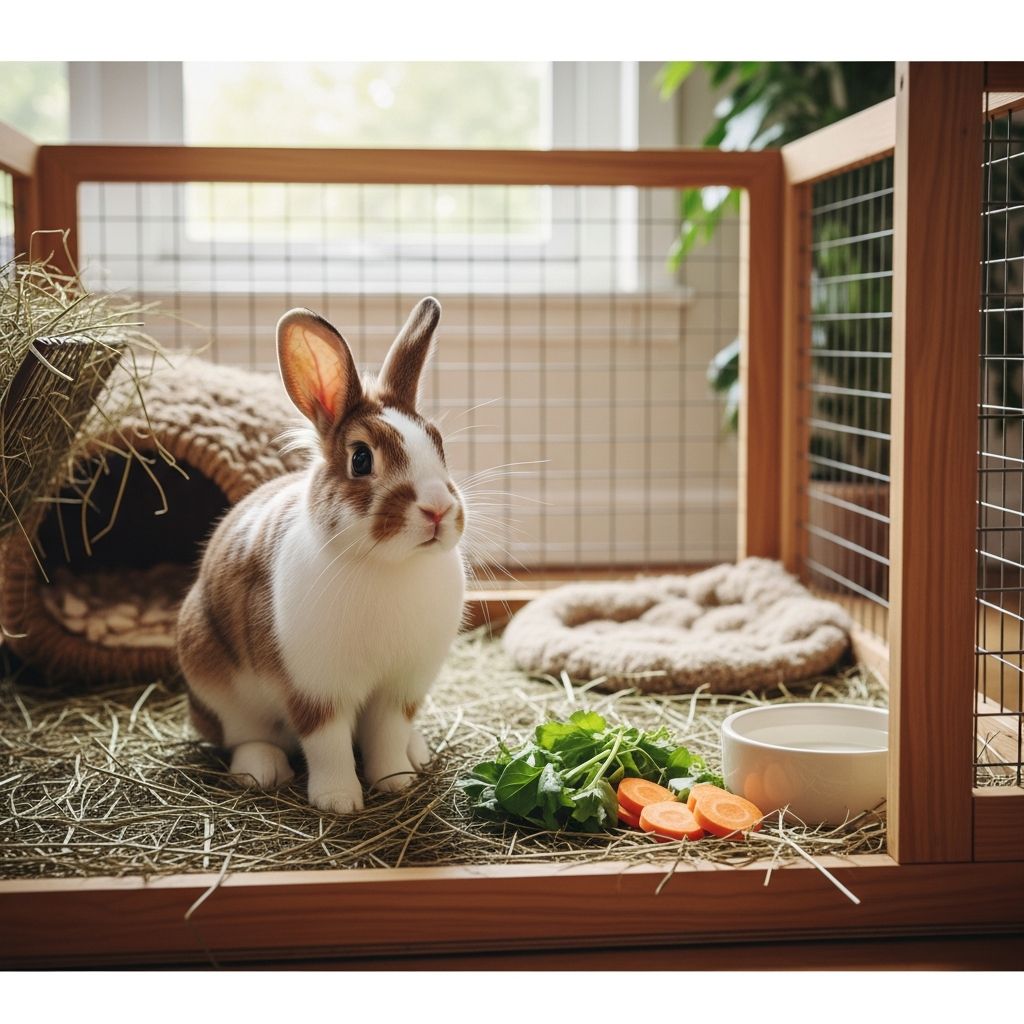
The foundation of good rabbit care begins with proper housing. Rabbits need considerably more space than many people realize. Your rabbit’s enclosure should provide at least four times the rabbit’s body size in floor area, allowing them to stretch out fully and move around comfortably. Many rabbit owners find that allowing their pets free access to a rabbit-proofed room or designated area of the home provides superior environmental enrichment compared to confined hutch living.
The flooring of your rabbit’s space deserves careful consideration. Solid floors are essential—wire mesh or grated bottoms can cause foot injuries and sore hocks over time. Cover solid flooring with absorbent bedding materials such as hay, straw, or shredded paper that can be changed regularly.
Environmental placement matters significantly. Position your rabbit’s habitat in a location near household activities so they feel part of family life, yet away from direct drafts, extreme temperature fluctuations, and loud noises that might stress your pet. Rabbits are prey animals by nature and need access to sheltered areas where they can retreat when feeling anxious or overwhelmed.
Bedding and Litter Management
Selecting appropriate bedding protects your rabbit’s health and comfort. Soft, absorbent materials like hay, straw, and shredded paper work well. Avoid clay-based litters and wood shavings, particularly pine, as these can damage your rabbit’s sensitive respiratory and digestive systems with long-term exposure.
Rabbits are naturally clean animals and can be trained to use litter boxes, which simplifies household management. Paper-pulp bedding or recycled paper pellets are the safest choices for litter box filling. Change litter boxes frequently to minimize odors and monitor your rabbit’s droppings for signs of health issues. A helpful strategy involves filling one side of the litter tray with fresh hay, as rabbits prefer to eat and eliminate simultaneously. This encourages consistent litter box use while providing dietary roughage.
Nutritional Requirements and Feeding
Proper nutrition forms the foundation of rabbit health and longevity. A well-balanced diet should consist of approximately 80% hay, 10% vegetables, 5% fortified pellets, and 5% treats. This composition supports dental health, digestive function, and appropriate weight maintenance.
Hay: The Dietary Cornerstone
Hay serves as the primary food component for domestic rabbits. Timothy hay, orchard grass, and other grass hays provide essential fiber that keeps the digestive system functioning properly and naturally wears down continuously growing teeth. Rabbits should have unlimited access to quality hay throughout the day. While hay racks keep hay cleaner and fresher, many rabbits prefer eating from ground level, so don’t be surprised if your rabbit pulls hay from the rack and consumes it from the floor.
Pellets and Portions
High-quality rabbit pellets supplement the diet but should not form the primary food source. Select pellets high in fiber while low in protein and calcium to prevent obesity and urinary tract issues. The recommended pellet portion is approximately ¼ cup per 5 pounds of body weight. Overfeeding pellets or treats contributes to weight gain, which impairs a rabbit’s mobility, ability to self-groom, and cardiovascular health.
Fresh Vegetables and Treats
Vegetables should comprise about 10% of your rabbit’s daily intake. Leafy greens, safe vegetables, and occasional fruits provide vitamins and minerals while adding dietary variety. Avoid treats high in sugar, as these negatively affect digestive health. Instead, offer rabbit-safe chew items like apple wood and willow branches, which satisfy the natural chewing instinct while maintaining dental health.
Hydration
Constant access to fresh, clean water is non-negotiable for rabbit health. A blocked or sluggish digestive system represents one of the most significant threats to rabbit wellbeing, and proper hydration supports normal digestive function. Provide water in sturdy ceramic bowls or gravity-fed water dispensers rather than relying on water bottles for daily use. Change water frequently and wash containers regularly to prevent bacterial growth.
Enrichment and Behavioral Needs
Rabbits are intelligent, curious animals requiring environmental stimulation to prevent boredom and associated behavioral problems. A well-enriched environment reduces destructive behaviors and promotes physical activity.
Toys and Chewing Materials
Provide diverse toys and chewable items continuously. Safe options include:
- Commercial rabbit chew toys and treats
- Untreated wooden blocks and branches
- Tunnels and hideaways
- Cardboard boxes with entrance holes filled with hay
- Natural wood chews like apple and willow
Rabbits’ teeth continuously grow throughout their lives. Providing appropriate chewing materials keeps teeth filed down to healthy lengths and prevents overgrowth-related dental problems. Without adequate chewing opportunities, rabbits often become destructive, targeting household items like electrical wires and furniture.
Natural Behaviors and Digging
Encourage natural behaviors by providing safe digging opportunities. Rabbits naturally dig, and satisfying this instinct with appropriate outlets reduces frustration and stress. Designate areas where digging is acceptable and provide materials like sand boxes or designated digging boxes.
Vertical Space and Exercise
Install shelves or platforms at various heights to encourage hopping and maintain leg strength. This vertical enrichment simulates natural terrain and provides exercise opportunities within the home. Allow your rabbits free access to rabbit-proofed space whenever possible, as movement and exploration are crucial for physical and mental health.
Grooming and Personal Care
Rabbit grooming requirements vary by coat type and age. Regular grooming strengthens the bond between owner and pet while maintaining coat health and preventing mats.
Brushing and Coat Maintenance
Short-coated rabbits require weekly grooming, increasing in frequency during molting season when hair loss accelerates. Long-haired breeds like Angoras, Fuzzy Lops, and Jersey Woolies need daily brushing to prevent matting and tangling, which becomes uncomfortable and difficult to remove once formed. A wire slicker brush designed for cats effectively removes large amounts of loose hair and wool. Feeding your rabbit treats during grooming sessions helps them associate the activity with positive experiences.
Nail Trimming
Most rabbits require regular nail trimming to prevent overgrowth and associated mobility issues. Ask your veterinarian to demonstrate proper trimming technique before attempting this at home, ensuring you avoid the blood vessel within each nail.
Hygiene Considerations
Unlike dogs and cats, rabbits are self-grooming animals and should not require bathing. However, monitor your rabbit’s rear end twice daily during warm weather to check for signs of soiling or fly strike risk—a serious condition caused by fly larvae. Keep rabbits dry and clean, as exposure to moist or damp environments predisposes them to illness.
Veterinary Care and Disease Prevention
Regular veterinary attention ensures early detection of health problems and maintains preventive care status.
Vaccinations
All rabbits should receive regular vaccinations against two potentially fatal diseases: myxomatosis and rabbit or viral hemorrhagic disease (RHD or VHD). Your veterinarian will establish a vaccination schedule, typically recommending annual boosters. Vaccination status depends on your geographic location and risk factors, so consult with your vet about appropriate timing and frequency.
Spaying and Neutering
Have your rabbits spayed or neutered by an experienced veterinarian. This procedure minimizes behavioral problems like aggression and territorial marking while reducing the risk of reproductive system cancers, which are common in unaltered rabbits.
Regular Health Examinations
Schedule annual wellness exams with your veterinarian. Bring a list of foods your rabbit regularly eats so your vet can assess nutritional adequacy and make recommendations specific to your pet’s needs. Early detection of health issues is crucial, as rabbits often hide signs of illness until problems become severe.
Essential Supplies Checklist
Before bringing your rabbit home, gather these necessary items:
- Spacious hutch or habitat with solid flooring
- Absorbent bedding material
- High-quality hay (unlimited supply)
- Rabbit pellets (high-fiber, low-protein formulation)
- Earthenware or stainless steel food bowls
- Water bowl or gravity-fed dispenser
- Litter box and rabbit-safe litter
- Hay rack
- Multiple tunnels and shelters
- Exercise run or rabbit-proofed space
- Rabbit brush for grooming
- Varied toys and enrichment items
- Safe digging materials
- Carry case for veterinary visits
- Pet insurance (optional but recommended)
Behavioral Management and Training
Understanding rabbit behavior improves your relationship and care quality. Rabbits respond well to praise and positive reinforcement but react negatively to yelling or chasing. Never chase your rabbit, as this frightens them and damages trust. Instead, use gentle handling and reward-based training.
One unusual but normal rabbit behavior involves eating softer droppings called cecotropes. These are consumed directly from the anus and represent a necessary part of rabbit digestion. Do not discourage this behavior, as it allows rabbits to digest certain nutrients twice and is essential for their health.
Creating a Safe Environment
Before allowing your rabbit free access to any area, rabbit-proof thoroughly. Remove or protect electrical wires and extension cords, as rabbits typically chew these when deprived of appropriate toys and attention. Secure loose cables, cover exposed outlets, and remove toxic houseplants. Ensure the space has no gaps or holes where rabbits could become stuck.
Provide your rabbits with constant access to entertainment and safe chewing materials. Rabbits deprived of appropriate outlets for their natural behaviors often become destructive and stressed, leading to behavioral and health problems.
References
- Caring for Your Rabbits — Blue Cross. Accessed February 2026. https://www.bluecross.org.uk/advice/rabbit/wellbeing-and-care/caring-for-your-rabbit
- Hop Into Rabbit Care: A Comprehensive Guide for Bunny Owners — Riverstone Veterinary Group. Accessed February 2026. https://www.riverstonevetgroup.com/services/blog/hop-rabbit-care-comprehensive-guide-bunny-owners
- A Cheat Sheet for Rabbit Care — Rabbits Online. Accessed February 2026. https://www.rabbitsonline.net/threads/a-cheat-sheet-for-rabbit-care.2620/
- Rabbit Care Guide — Bunny Buddies. Accessed February 2026. https://bunnybuddies.org/rabbit-care-guide/
- How to Care For Your Pet Rabbit — Oxbow Animal Health. Accessed February 2026. https://oxbowanimalhealth.com/blog/how-to-care-for-your-rabbit/
- Rabbit Care Basics — Southern States. Accessed February 2026. https://southernstates.com/blogs/how-to-library/rabbit-care-basics
- Rabbit Care — Animal Humane Society. Accessed February 2026. https://www.animalhumanesociety.org/resource/rabbit-care
Similar Articles








Read full bio of medha deb