Rabbit Care Essentials: Complete Guide For Healthy Pets
Master the fundamentals of rabbit husbandry for a thriving, joyful companion with expert-backed housing, diet, and wellness strategies.
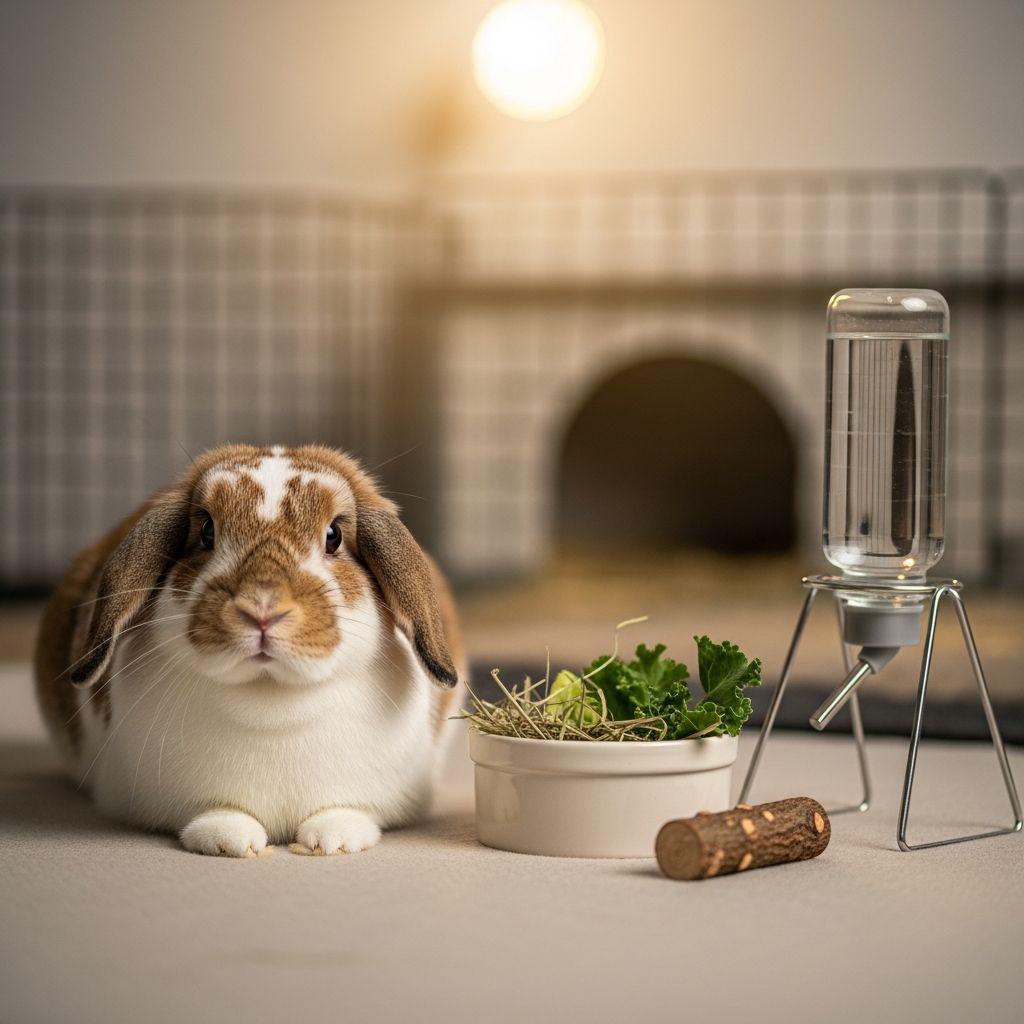
Rabbits make delightful pets when provided with tailored environments, nutrition, and attention to their unique needs. Proper care supports lifespans exceeding 10 years while preventing common health pitfalls.
Creating the Ideal Living Environment
A rabbit’s home must prioritize space, safety, and comfort to mimic natural behaviors. Enclosures should exceed minimum sizes: at least 24 inches long, wide, and high for small to medium breeds, scaling to 36 inches for larger ones. Larger setups allow standing, hopping, and stretching, reducing stress and obesity risks.
Opt for solid flooring covered with 1-2 inches of paper-based bedding to avoid foot sores and infections. Avoid wood shavings like cedar, which irritate skin and lungs due to aromatic oils. Well-ventilated areas maintain 60-70°F temperatures, steering clear of drafts, direct sun, or extreme heat.
- Include hide boxes from chew-safe materials like cardboard or wicker for security, as rabbits are prey animals needing dark retreats.
- Position enclosures in active household spots for social stimulation without isolation.
- Install hay racks, water bottles or ceramic crocks, and heavy food bowls to prevent tipping.
Outdoor options demand secure, shaded runs with no digging access to evade predators and parasites. Always store bedding indoors to block contamination.
Nutrition for Optimal Health
Diet forms the cornerstone of rabbit vitality, focusing on digestive and dental wellness. Unlimited timothy or grass hay comprises 80-90% of intake, grinding ever-growing teeth and aiding gut motility.
| Food Type | Daily Amount | Benefits |
|---|---|---|
| Hay (Timothy/Grass) | Unlimited | Dental wear, digestion |
| Pellets | 1/8-1/4 cup per lb body weight | Balanced nutrients |
| Leafy Greens | 1-2 cups per 2 lbs body weight | Vitamins, hydration |
| Water | Always fresh | Hydration (bowls preferred) |
Avoid alfalfa hay for adults due to excess calcium risking stones; limit pellets to prevent obesity. Introduce veggies gradually, washing thoroughly and skipping high-sugar items like corn or seeds. Cecotropes—soft, nutrient-rich night feces—must be re-ingested undisturbed for full nutrition.
Exercise and Mental Stimulation
Daily activity outside enclosures combats boredom, supports joints, and curbs destructive chewing. Supervised playpens or rabbit-proofed rooms enable hopping, digging, and exploring.
- Chew toys, tunnels, and dig boxes with shredded paper fulfill instincts.
- Rotate toys weekly for novelty, reducing stress.
- Limit free-roam to supervised sessions; block wires, plants, and baseboards.
Active breeds need extra space or routines per breed standards. Outdoor time requires predator-proof fencing and shade.
Grooming Routines and Hygiene
Regular maintenance prevents matting, ingestion-related blockages, and infections. Brush long-haired breeds like Angoras 2-3 times weekly with soft brushes; short coats need weekly sessions.
Trim nails monthly, using styptic powder for accidental quick cuts. Spot-clean habitats daily, fully sanitizing weekly: remove waste, wash with pet-safe solutions, and dry thoroughly. Litter-train using corner pans with paper pellets for easy upkeep.
Health Monitoring and Veterinary Care
Rabbits mask illness, so vigilance is key. Seek immediate vet care for appetite loss, lethargy, diarrhea, or nasal discharge. Annual exams check teeth, gut, and overall status; spaying/neutering cuts cancer and aggression risks.
Common issues include GI stasis from poor diet—counter with hay emphasis, brushing, and laxatives like Laxatone. Pododermatitis from wire floors demands soft bedding.
Socialization and Handling Tips
Social creatures thrive on daily human interaction via petting, play, and training. Handle gently supporting hindquarters to avoid spine injuries; start young for trust. Pair bonded rabbits if compatible, but monitor intros.
Common Mistakes to Avoid
- Insufficient hay leading to dental overgrowth.
- Wire cages causing ulcers.
- Neglecting exercise, fostering obesity.
- Overlooking subtle illness signs.
FAQs
Can rabbits live outdoors?
Possible in mild climates with insulated, predator-proof hutches, but indoor housing is safer and promotes bonding.
How often should I clean the cage?
Daily spot-cleans; weekly deep cleans to maintain hygiene.
What if my rabbit stops eating?
Emergency—contact a rabbit-savvy vet immediately, as stasis can be fatal.
Are rabbits good for apartments?
Yes, with proper enclosures and playtime; they’re quiet and litter-trainable.
Do rabbits need vaccines?
Not routine like dogs/cats, but check for regional needs like rabies; focus on diet/preventives.
Choosing Your Rabbit
Research breeds for size/activity; adopt from rescues. Prepare habitat pre-arrival.
References
- How To Care for a Pet Rabbit: Bunny Care Sheet — PetMD. 2023. https://www.petmd.com/rabbit/bunnies-care-sheet
- 5 Things to Consider When Caring For a Rabbit — Mazuri. 2022. https://mazuri.com/blogs/education-and-nutrition/5-things-to-consider-when-caring-for-a-rabbit
- Rabbit Care — Clermont Animal Hospital. 2019-10-01. https://www.clermontanimal.net/wp-content/uploads/2019/10/Rabbit-Care.pdf
- Selecting a pet rabbit — American Veterinary Medical Association. 2024. https://www.avma.org/resources/pet-owners/petcare/selecting-pet-rabbit
- Introductory Care For Rabbits — The Open Sanctuary Project. 2023. https://opensanctuary.org/introductory-care-for-rabbits-2/
- ARBA Recommendations for the Care of Rabbits and Cavies — American Rabbit Breeders Association. 2023. https://arba.net/arba-recommendations-for-the-care-of-rabbits-and-cavies/
- Care of Rabbits — Purdue University College of Veterinary Medicine. 2022. https://vet.purdue.edu/hospital/small-animal/primary-care/documents/CareofRabbits.pdf
Similar Articles








Read full bio of medha deb