Rabbit Breeds: A Complete Guide to Choosing Your Perfect Pet
Discover diverse rabbit breeds from tiny Dwarf varieties to giant Flemish Giants and find your ideal companion.
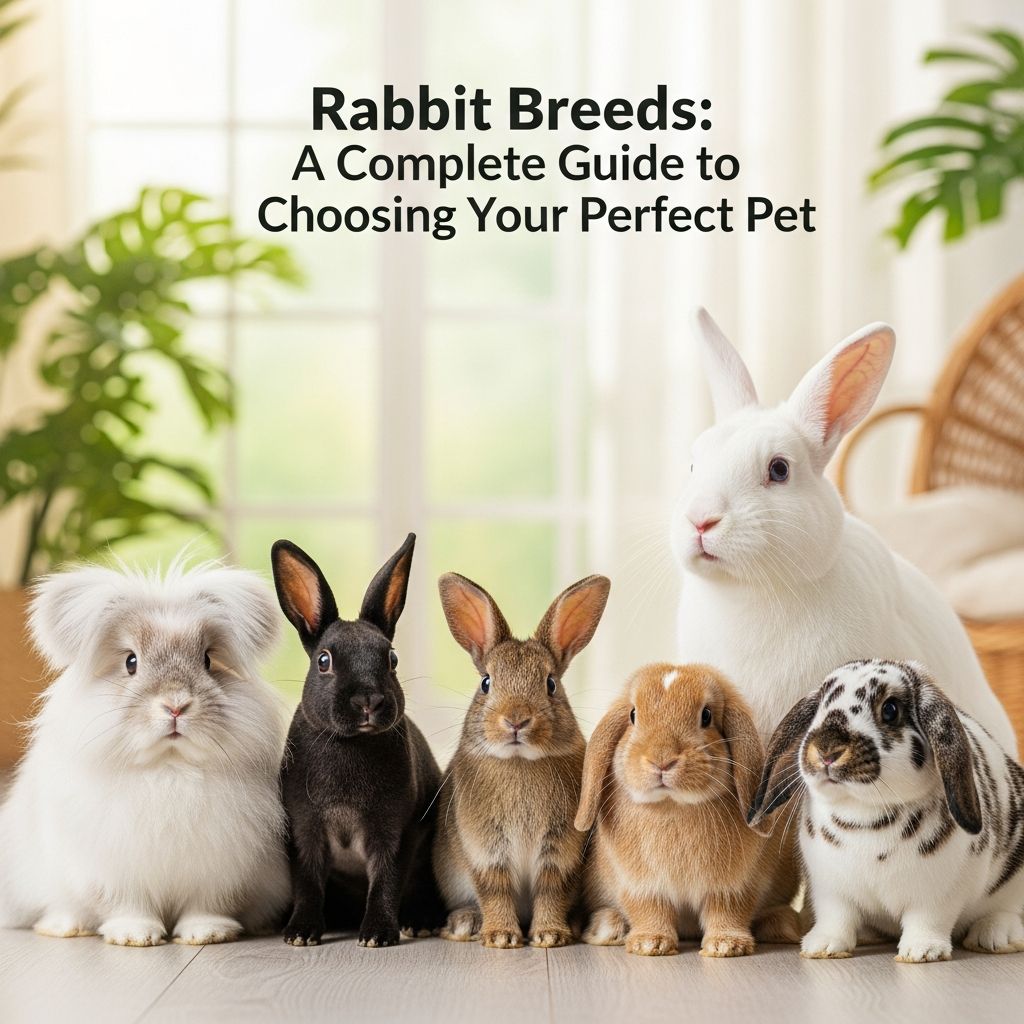
Rabbits make wonderful companion animals, but choosing the right breed requires understanding the significant differences that exist among them. From tiny Dwarf rabbits weighing just a few pounds to impressive Giant breeds exceeding twenty pounds, rabbit breeds vary dramatically in size, temperament, grooming needs, and space requirements. Whether you’re a first-time rabbit owner or an experienced enthusiast, understanding these breed characteristics will help you select a rabbit that fits perfectly into your lifestyle and home.
Rabbits are classified into five distinct body types: full arch, semi-arch, compact, commercial, and cylindrical. Additionally, breeds are often categorized by weight, with rabbits under nine pounds classified differently from their larger counterparts. Each breed has evolved with specific characteristics that influence not only their appearance but also their personality and care requirements.
Understanding Rabbit Breed Categories
When selecting a rabbit breed, it’s important to understand how they’re organized. Rabbit breeds fall into several size categories, each with distinct characteristics and care needs. The classification system helps potential owners identify which breeds might be best suited for their particular circumstances, living situation, and experience level.
Giant Rabbit Breeds
Giant rabbit breeds are the largest domesticated rabbits, typically weighing between 12 and 25 pounds. These magnificent animals require more space, more food, and generally have longer lifespans compared to smaller breeds. Despite their imposing size, most giant breeds are known for their calm, gentle, and patient temperaments, making them excellent family pets when properly socialized.
Flemish Giant Rabbit
The Flemish Giant is probably the most well-known large rabbit breed and is considered the “grandfather” of many other large rabbit breeds. It’s believed that the Flemish Giant breed originated from breeding the now-extinct Patagonian Rabbit to smaller and more docile bunnies.
- Lifespan: Typically 8-10 years
- Weight: 15-25 pounds
- Temperament: Calm, patient, and intelligent. They enjoy companionship and are often friendly with children and other pets when socialized early
- Coat: Thick coat requiring minimal grooming
Flemish Giants are prized for their docile nature and ability to bond with families. Their size makes them impressive to view, but their gentle disposition makes them manageable and affectionate companions for those with adequate space.
Continental Giant Rabbit
The Continental Giant, also known as the German Giant, is descended from the Flemish Giant and shares many physical characteristics, including broad heads and long straight ears. However, this breed has some important distinctions from its ancestor.
- Lifespan: 5 years on average
- Weight: 16-20 pounds
- Temperament: Gentle, playful, and intelligent. They can be affectionate but may be less tolerant of handling than Flemish Giants
- Coat: Double coat with guard hairs and softer underlayer requiring regular grooming
Continental Giants tend to be more energetic and playful than Flemish Giants, though they may be slightly less patient with handling. Children must be taught to respect and be gentle with these giant companions.
Blanc De Bouscat
The Blanc De Bouscat represents another impressive giant breed with distinctive characteristics that appeal to many rabbit enthusiasts.
- Lifespan: Typically 9-11 years
- Weight: 12-14 pounds
- Temperament: Intelligent, gentle, and social. They enjoy companionship and make calm family pets but may dislike being handled too much
With early socialization, Blanc De Bouscat rabbits bond well with children who respect their space and can coexist peacefully with other pets. They thrive in family environments where they receive appropriate attention.
Spanish Giant Rabbit
The Spanish Giant is thought to be a result of crossbreeding between the Flemish Giant and other large Spanish breeds. This breed nearly went extinct until Spain started working to bring it back in 2009.
- Lifespan: Typically 7-10 years
- Weight: Around 15 pounds
- Temperament: Easygoing, docile, and friendly. They are laid-back and well-suited to family life
- Coat: Short, dense fur in a variety of colors with long erect ears
Spanish Giants are known for their easygoing temper that makes them ideal family pets. They adapt easily to household routines and generally enjoy gentle interaction.
Other Notable Giant Breeds
Several other giant breeds deserve mention for their unique characteristics and suitability as family companions. The Giant Angora is known for calm and gentle temperaments and is extremely social, requiring plenty of time and socialization with their family. The Hungarian Giant, while one of the smaller breeds among the giants, is known for being hardy and highly adaptable, making them excellent family pets that are easy to handle. The British Giant, derived from the Flemish Giant in the 1940s, is most commonly found in the United Kingdom and shares the easygoing and docile nature characteristic of giant breeds. The Champagne D’argent, one of the oldest rabbit breeds traceable back to the 1600s in France, features a compact build, calm and gentle nature, and distinctive silver-colored fur with black markings on the nose and ears. The American Rabbit, with its stunning medium blue-grey coat, is known for its docile nature making it a wonderful option for family pets.
Medium and Small Rabbit Breeds
Beyond the giant breeds, there are numerous medium and small rabbit breeds, each with their own distinctive characteristics and care requirements. These breeds are often more suitable for individuals with limited space while still offering the wonderful companionship that rabbits provide.
Best Breeds for Different Situations
Understanding which breeds work best for specific circumstances can help ensure a successful rabbit ownership experience.
- Best for First-Time Owners: Holland Lops and Mini Rex rabbits are friendly and easy to care for
- Best for Families with Kids: Mini Lops and Dutch Rabbits are social and enjoy gentle playtime
- Best for People with Allergies: Rex and Mini Rex rabbits shed less dander than other breeds
- Best for Small Living Spaces: Netherland Dwarfs and Polish Rabbits do well in smaller areas
- Best for Experienced Owners: Angoras require frequent grooming and need more attention
Notable Medium and Small Breeds
The English Spot rabbit was developed in England in the 19th century and features distinctive colored markings including butterfly nose marking, eye circles, cheek spots, herringbone, colored ears, and a chain of spots. Weighing up to eight pounds, English Spots are considered running breeds and make exciting show rabbits.
The Rhinelander is a trim and athletic medium-sized breed known for flashy markings of orange and black, or fawn and blue. Developed in Germany in the early twentieth century, Rhinelanders were recognized as a breed in the United States in 1924 and are considered rare in the US today, weighing up to ten pounds.
The American Fuzzy Lop became a recognized breed in 1989 and is known for its lopped ears, large head, and wooled coat. These sweet-tempered rabbits are energetic and popular with both beginning and seasoned exhibitors, with a maximum weight of four pounds.
The Polish breed, also known as the Britannia Petite in Britain, is one of the smallest breeds recognized by ARBA. Active and energetic, the Petite is more high-strung than other breeds and takes perseverance and patience to handle, though they are one of the most showy breeds to exhibit, with a maximum weight of 2.5 pounds.
Coat Types and Color Varieties
Rabbit breeds display remarkable diversity in coat types and colors. Rabbit breeds with the most color varieties include Angoras (English, French, Satin), Holland Lop, Jersey Wooly, Lops (English, French, Mini), Mini Rex, and Netherland Dwarf.
Understanding coat type is important because it directly impacts grooming requirements. Some breeds have short coats requiring minimal grooming, while others have long wooled coats requiring frequent attention. The Angora breeds, in particular, demand regular grooming to prevent matting and maintain coat health.
Life Expectancy and Health Considerations
Large rabbit breeds can live around 5-12 years, though age can vary significantly depending on an individual’s breed, genetics, and long-term diet. Giant breeds typically live between 8-10 years, though some may live longer with proper care. Smaller breeds often have similar lifespans, though the Continental Giant averages only 5 years, which is relatively short for rabbits.
Proper nutrition, appropriate living space, regular veterinary care, and mental stimulation all contribute to longevity and quality of life. Rabbits require spacious environments where they can exercise and express natural behaviors.
Space and Housing Requirements
Size directly correlates with space requirements. Giant breeds such as Flemish Giants and Continental Giants need substantially more room than dwarf varieties. A Flemish Giant rabbit requires a much larger enclosure than a Dwarf Lop, and this consideration is crucial when selecting a breed.
Medium and small breeds are better suited for apartment living or homes with limited space. Dwarf breeds like the Netherland Dwarf and Polish can thrive in smaller housing situations when provided with appropriate enrichment and exercise opportunities outside their enclosure.
Temperament and Socialization
Rabbit personalities are as varied as ours, with some being total sweethearts and others being more aloof. However, breed tendencies provide general guidelines for expected temperament. Most giant breeds are known for calm, patient, and gentle dispositions. Smaller breeds can range from extremely social and playful to more independent personalities.
Early socialization is critical for all breeds. Rabbits raised with gentle human contact from a young age are more likely to be comfortable with handling and develop stronger bonds with their families. However, some breeds are naturally more tolerant of handling than others.
Grooming and Coat Maintenance
Grooming needs vary significantly among breeds. Breeds with short, dense coats like the Spanish Giant require minimal grooming. In contrast, Continental Giants with their double coats need regular grooming to prevent matting and maintain coat health. Angora breeds require the most intensive grooming, with regular brushing essential to prevent painful mats and maintain their beautiful wooled coats.
Selecting Your Ideal Rabbit Breed
Choosing the right rabbit breed involves evaluating multiple factors including available space, time commitment for grooming and socialization, family situation, and personal preferences regarding size and temperament. First-time rabbit owners should consider starting with friendly, easy-to-care-for breeds like Holland Lops or Mini Rex rabbits. Families with children benefit from social breeds like Mini Lops and Dutch Rabbits.
Those with allergies may find relief with Rex and Mini Rex rabbits that shed less dander. Apartment dwellers should focus on smaller breeds like Netherland Dwarfs and Polish rabbits. Experienced rabbit enthusiasts comfortable with extensive grooming may enjoy the challenges and rewards of caring for Angora breeds.
Frequently Asked Questions
Q: How long do rabbits typically live?
A: Most rabbits live between 8-12 years depending on breed, genetics, diet, and care quality. Giant breeds often live 8-10 years, though some live longer with excellent care.
Q: Are giant rabbit breeds good for families?
A: Yes, giant breeds like Flemish Giants and Spanish Giants are excellent family pets due to their calm, gentle, and patient temperaments. They require socialization and respect for their size, but are wonderful companions.
Q: Which rabbit breed is best for first-time owners?
A: Holland Lops and Mini Rex rabbits are ideal for first-time owners due to their friendly nature and relatively easy care requirements.
Q: How much space does a giant rabbit breed need?
A: Giant rabbits like Flemish Giants require substantially more space than smaller breeds. They need a large enclosure and plenty of room for exercise and natural movement.
Q: Which breeds are suitable for apartments?
A: Smaller breeds like Netherland Dwarfs, Polish rabbits, and Mini Lops are better suited for apartment living due to their compact size and lower space requirements.
Q: Do all rabbit breeds require the same grooming?
A: No, grooming needs vary significantly. Short-coated breeds need minimal grooming, while double-coated breeds and Angoras require regular brushing to maintain coat health.
Q: Are rabbit breeds with long ears easier to care for than lop-eared breeds?
A: Not necessarily. While lop-eared rabbits may require occasional ear cleaning, long-eared breeds like Flemish Giants have their own care requirements. Grooming and care needs depend more on coat type than ear shape.
References
- Essential Guide to the Top 13 Largest Rabbit Breeds — Oxbow Animal Health. 2025. https://oxbowanimalhealth.com/blog/guide-large-rabbit-breeds/
- Rabbit Breed Guide: Choosing Your Ideal Pet — Rabbit Hole Hay. 2025. https://www.rabbitholehay.com/blogs/rabbit-hole-hay-blog/exploring-rabbit-breeds
- Recognized Breeds — American Rabbit Breeders Association (ARBA). https://arba.net/recognized-breeds/
- All About Rabbit Breeds — Lafeber Co. Small Mammals. https://lafeber.com/mammals/all-about-rabbit-breeds/
- Rabbit Personalities — The Educated Rabbit. https://www.theeducatedrabbit.com/rabbit-personalities.html
Similar Articles








Read full bio of medha deb