Rabbit Behavior After Neutering: 4 Key Changes To Expect
Understanding how neutering transforms your rabbit's behavior and improves bonding.
Rabbit Behavior Changes After Neutering
Neutering is one of the most beneficial procedures you can provide for your male rabbit. If you’ve recently had your rabbit neutered because of behavioral issues like spraying or aggression, you’re likely wondering when you’ll see improvement and what changes to expect. The good news is that neutering makes a dramatic difference in rabbit behavior, and understanding this transformation helps you support your pet through the recovery process.
Understanding Why Male Rabbits Display Problematic Behaviors
Un-neutered male rabbits are driven by powerful hormones that compel them to seek mates and establish territory. These hormones are responsible for a wide range of behaviors that many rabbit owners find challenging and frustrating. Your intact male rabbit may exhibit multiple behavioral issues simultaneously, making him difficult to live with and challenging to bond with.
Sexually mature male rabbits frequently display mounting behavior, often targeting your legs, arms, or family pets. They run circles around you persistently, spray urine to mark their territory, and may develop poor litter box habits. Additionally, these rabbits often grunt and lunge when you approach their living areas, as they’re attempting to protect what they perceive as their territory. They may also become genuinely aggressive, especially when you enter their cage or living space. The combination of these behaviors can make an otherwise sweet rabbit seem like a completely different animal.
Timeline for Behavioral Improvement After Neutering
Once your male rabbit undergoes neutering surgery, the hormonal changes begin immediately, though behavioral transformation takes time. The hormones that drive unwanted behaviors will die down over approximately two weeks following the procedure. During this period, you’ll begin noticing gradual improvements in your rabbit’s temperament and behavior patterns.
Most behavioral issues usually disappear within this two-week window, though some rabbits may take slightly longer to fully adjust. It’s important to understand that while the surgery removes the physical source of these hormones, your rabbit’s brain still carries behavioral patterns that were established while hormones were present. Patience during this transition period is essential.
Expected Behavioral Changes
Reduced Aggression and Territoriality
One of the most noticeable changes after neutering is the significant reduction in aggressive behavior. Your rabbit will stop the constant lunging and grunting when you enter his pen, assuming he has adequate living space. The protective, territorial attitude that made your rabbit difficult to handle will diminish substantially. Your once-aggressive rabbit will become noticeably calmer and more receptive to human interaction.
Elimination of Mounting Behavior
The mounting behavior that your rabbit displays on your arms, legs, or other pets will gradually cease as hormones decline. This typically resolves within the first couple of weeks post-surgery. If your neutered rabbit continues attempting to mount occasionally during the early recovery period, this is not uncommon and should resolve as hormone levels continue to drop.
Improved Litter Box Habits
Neutered rabbits become significantly easier to litter box train. They develop much better bathroom habits than their intact counterparts. The territorial urine spraying that was marking your home and furniture will stop. Your rabbit will reliably use his litter box, making him a much cleaner and more pleasant household companion.
Enhanced Bonding Potential
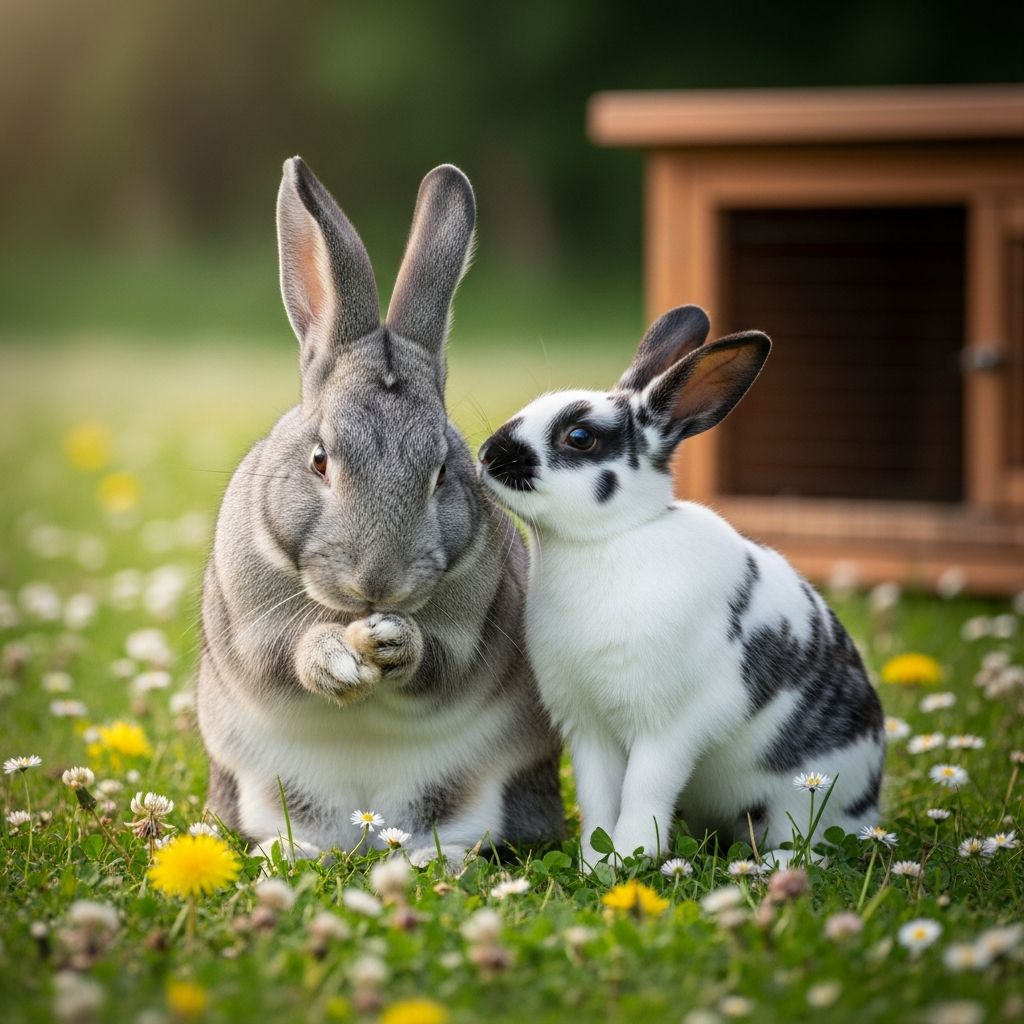
Neutered rabbits are fundamentally friendlier and more affectionate than intact rabbits. They become easier to bond with, whether you’re considering bonding with another rabbit or simply strengthening your relationship with your pet. Neutering removes the sexual frustration that was driving problematic behaviors, allowing your rabbit’s true personality to emerge.
Choosing the Right Veterinarian for Rabbit Neutering
Finding a veterinarian experienced with rabbits is crucial for successful neutering. Not all vets are equally qualified to perform rabbit surgery, and choosing the right professional significantly impacts your rabbit’s safety and recovery.
Start by researching online directories of rabbit-experienced veterinarians in your area. When you’ve identified potential candidates, call each clinic and ask specific questions about their rabbit experience. Inquire how many rabbits they see weekly and how many spay and neuter procedures they perform each week. These numbers indicate their level of expertise with rabbit surgery.
Additionally, ask about their pre- and post-operative protocols. A rabbit-savvy veterinarian should provide take-home pain medication, as managing post-operative pain is essential for proper recovery. Ask whether they fast rabbits before surgery—this is a critical question, as rabbits should never be fasted before anesthesia, unlike cats and dogs. A vet who understands this distinction demonstrates proper rabbit knowledge.
Post-Operative Care and Recovery Timeline
Immediate Recovery Period
Your rabbit will be groggy and sleepy for the first 24 hours after surgery as they recover from anesthesia. This is completely normal. During this initial recovery period, avoid excessive handling of your rabbit. Let them rest comfortably in a quiet, warm environment where they can recover undisturbed.
Eating and Drinking
Your rabbit should begin eating and drinking within 12 to 24 hours after surgery. This is an important milestone indicating proper recovery. Provide plenty of hay, fresh leafy greens, and pellets to encourage eating. If your rabbit isn’t eating or drinking normally within this timeframe, contact your veterinarian immediately, as this may indicate a complication.
Recovery Duration
Male rabbits typically bounce back from neuter surgery within 24 to 48 hours. Despite this quick initial recovery, it’s essential to limit your rabbit’s exercise for the full 10 days following surgery. Excessive activity can cause internal bleeding or other complications even if your rabbit seems ready for normal activity levels.
Inspection and Monitoring
Inspect your rabbit’s surgical site several times daily throughout recovery. Watch for any signs of infection, including redness, heat, or swelling at the incision. Monitor your rabbit’s behavior closely, noting any changes in appetite, water intake, defecation, or urination. Any significant changes warrant immediate veterinary attention.
Housing Requirements for Your Neutered Rabbit
Proper housing is essential for your neutered rabbit’s wellbeing and continued good behavior. The minimum living area suggested for a small to medium-sized rabbit is 4 feet by 4 feet. This provides adequate space for your rabbit to move, stretch, and engage in natural behaviors. Beyond this base enclosure, your rabbit should have access to a larger area for daily playtime outside the pen.
Inadequate housing space can contribute to behavioral problems even in neutered rabbits, so ensuring sufficient room is an important part of supporting your pet’s emotional wellbeing and preventing boredom-related destructive behaviors.
Possible Post-Operative Complications
While most rabbits recover from neutering without complications, being aware of potential issues helps you recognize problems early. Reactions to anesthesia are rare but can occur. Note any unusual behavioral changes, lethargy, or signs that your rabbit seems “off” following surgery.
Internal bleeding can happen if your rabbit is too active too soon. Symptoms include lethargy, pale gums, loss of appetite, weakness, or a visibly distended abdomen. If you notice any of these signs, contact your vet immediately.
Post-operative infection at the incision site is possible, particularly if your rabbit’s enclosure becomes dirty or if they lick at their wound. Watch for redness, heat, or swelling at the surgical site. If you notice these signs, notify your veterinarian promptly. Keep your rabbit’s living area clean and try to prevent your rabbit from excessively licking their incision.
Bonding Rabbits After Neutering
If your rabbit is bonded to another rabbit, they may find comfort in being near one another during recovery. However, don’t return rabbits to the same enclosure until your neutered rabbit has fully recovered. Premature reunion can sometimes break existing rabbit bonds due to changed scent and behavior during recovery.
If you’re introducing your newly-neutered male to an unneutered female, it’s critical to wait at least 30 days after his surgery. Males can remain fertile for up to 30 days following neutering, so this waiting period prevents unwanted pregnancies. Watch your rabbits closely when introducing them to prevent fighting and chasing, and be prepared to rebond them if necessary using proven bonding techniques.
Long-Term Health and Behavioral Benefits
Beyond the immediate behavioral improvements, neutering provides significant long-term health benefits for your rabbit. Neutered rabbits are less likely to develop serious reproductive cancers and urinary tract infections. They also tend to live longer, healthier lives overall.
Behaviorally, neutered rabbits remain calmer and friendlier throughout their lives. They get along better with other rabbits and with people. The aggressive and territorial behaviors that plagued your rabbit before surgery typically remain resolved, provided your rabbit has appropriate housing, diet, and enrichment.
Frequently Asked Questions About Rabbit Neutering
Q: How long after neutering will my rabbit stop spraying urine?
A: Urine spraying typically stops within two weeks as hormone levels decline. Most rabbits show significant improvement within this timeframe, though occasional spraying may occur briefly during the hormonal transition period.
Q: Why is my neutered rabbit still mounting after surgery?
A: This is not uncommon in the first few weeks after surgery as hormones are still declining. Mounting behavior should gradually disappear within two weeks. If it persists beyond this period, consult your veterinarian.
Q: When can I resume normal playtime with my rabbit after neutering?
A: While your rabbit may seem ready for normal activity within 24-48 hours, limit exercise for the full 10 days following surgery to prevent complications like internal bleeding.
Q: Is it normal for my rabbit to be less affectionate immediately after neutering?
A: Yes, your rabbit may be less clingy immediately post-surgery due to discomfort and medication. As they recover and hormones decline, they typically become more affectionate and bonded with their owners.
Q: Will neutering change my rabbit’s personality completely?
A: Neutering removes hormone-driven behaviors but your rabbit’s core personality remains. Your rabbit will be calmer and friendlier, but their individual quirks and preferences typically persist.
Q: What should I do if my rabbit hasn’t eaten 24 hours after surgery?
A: Contact your veterinarian immediately. Not eating within 12-24 hours post-surgery may indicate a complication that requires professional evaluation.
References
- Rabbit Behavior Changes After Neutering — Chewy Editors. https://www.chewy.com/education/small-pet/rabbit/rabbit-behavior-changes-after-neutering
- Caring For Your Neutered Rabbit: What to Expect After The Op — Home and Roost. https://homeandroost.co.uk/blogs/rabbits/caring-for-your-neutered-rabbit
- Spay/Neuter For Good Behavior — House Rabbit Society (Rabbit.org). https://rabbit.org/care/spay-neuter-for-good-behavior/
- Rabbit Health: Spay or Neuter my Rabbit? — University of Miami, College of Arts and Sciences. https://web.as.miami.edu/hare/spay.html
- Rabbit Spay and Neuter Surgery — PetMD. https://www.petmd.com/rabbit/rabbit-spay-and-neuter-surgery
Similar Articles








Read full bio of medha deb