

Understanding the Raas Cat: An Ancient Island Breed
The Raas cat represents one of the world’s most enigmatic and geographically isolated cat breeds, originating exclusively from Raas Island in Indonesia. Also recognized by alternative names including the Madurese cat, Busok cat (when displaying blue coats), and Amethyst cat (when exhibiting rare chocolate coloring), this breed has maintained remarkable genetic purity through centuries of natural development. As of recent estimates, fewer than 100 cats with completely pure genetics remain, making this breed exceptionally rare and highly valued among feline enthusiasts and researchers.
The breed’s isolation on a small Indonesian island has resulted in a naturally evolved feline that bears little genetic influence from other domestic cat breeds, distinguishing it from most modern pedigree cats developed through intentional human breeding programs. This isolation has created a living connection to ancient feline lineages, offering researchers and cat behaviorists insights into how cats adapt and develop within isolated ecosystems.
Physical Characteristics and Distinctive Features
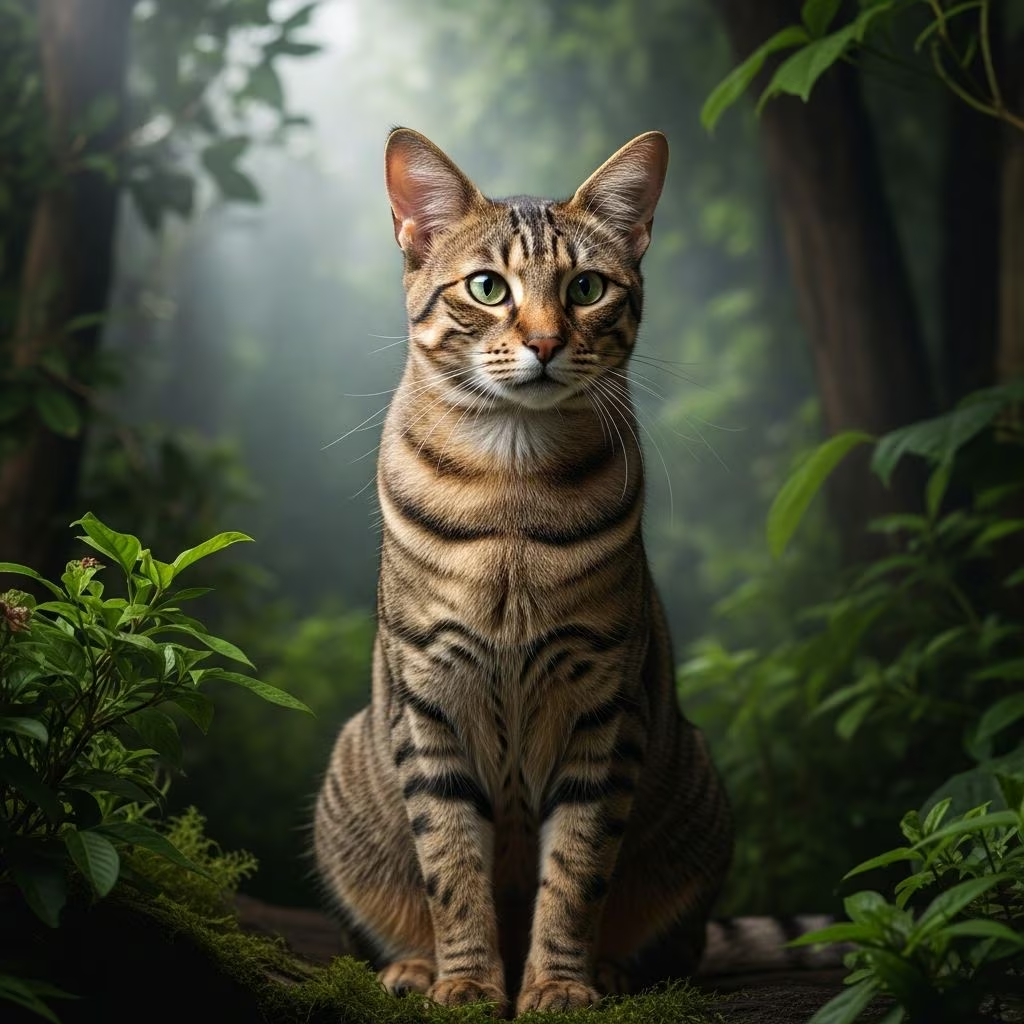
Raas cats occupy the medium-to-large size category among domestic felines, typically weighing between 13 to 17 pounds and standing 11 to 15 inches tall. Their body structure reflects their hunting heritage, presenting a sleek and muscular frame that enables remarkable agility and grace. The head structure displays distinctive characteristics including a triangular shape with a slightly squared appearance and a pointed chin, differentiating them from rounder-headed breed types.
Perhaps their most recognizable feature is the bent or curved tail tip, a characteristic common across numerous Asian cat breeds including the Siamese and Burmese. This distinctive tail formation contributes to theories regarding their Asian ancestry and evolutionary path. Their ears stand prominently with a triangular configuration, complementing their alert and intelligent expression.
Coat Colors and Patterns
The Raas cat displays a remarkable variety of coat colorations and patterns, each individual specimen offering unique aesthetic qualities. Primary recognized colors include:
- Blue-gray coats, often referred to as Busok when particularly vibrant
- Chocolate or brown colorations, with rarer cinnamon variants called Amethyst cats
- Black and solid dark colorations
- Tabby patterns and tortoiseshell combinations
The coat itself maintains a short, dense, and sleek texture that appears glossy and polished, requiring regular maintenance to preserve its lustrous appearance. Unlike long-haired breeds, their short fur minimizes matting issues while still providing adequate insulation for their tropical island environment.
Notable Physical Attributes
The eyes of Raas cats typically display striking green coloration with an ovular shape, creating an penetrating and intelligent gaze that reflects their alert nature. Their facial structure shares characteristics with jungle cats and certain wild feline species, contributing to their graceful and somewhat exotic appearance. The overall physical presentation suggests ancestral connections to wildcats, though concrete evolutionary history remains largely undocumented.
Temperament and Behavioral Characteristics
Understanding the temperament of Raas cats requires acknowledging their complex nature, shaped by centuries of island isolation and natural survival instincts. Wild Raas cats demonstrate significant wariness toward human contact, initially displaying fear and suspicion that reflects their evolutionary development without regular human interaction. However, through selective breeding and socialization—particularly when reaching the fourth filial generation (F4)—these cats become increasingly amenable to domestic living.
Once properly acclimated to their environment and bonded with their caregivers, Raas cats demonstrate remarkable loyalty and affection. Their personality transformation can be dramatic, evolving from cautious and reserved individuals into engaged and playful companions. This behavioral progression underscores the importance of patient socialization and experienced handling during the adjustment period.
Key Personality Traits
Raas cats exhibit several defining behavioral characteristics that shape their suitability as companion animals:
- Strong-willed and independent nature requiring patient, experienced handlers
- High intelligence and curiosity, leading to exploratory and investigative behavior
- Natural hunting instincts and prey drive, potentially problematic with smaller household animals
- Protective tendencies toward bonded family members and territory
- Energetic and playful disposition when properly stimulated
- Initial shyness toward strangers, gradually warming with consistent, gentle interaction
The breed’s hunting heritage remains evident in their behavior patterns, creating both challenges and opportunities for experienced cat owners. Their strong will and independent streak demand consistent training and clear boundary-setting from the beginning of cohabitation.
Historical Context and Cultural Significance
The history of the Raas cat intertwines deeply with the culture and traditions of Raas Island’s inhabitants. Local residents fiercely protect the breed’s genetic integrity, preventing exportation and maintaining strict control over breeding programs. This protective stance stems partly from practical concerns about maintaining breed purity and partly from cultural beliefs and local mythology.
According to island lore, Raas cats possess a sixth sense enabling them to recognize particular individuals deemed worthy of their companionship—specifically public officials and community leaders. Another prominent myth suggests that removing a Raas cat from the island brings catastrophic bad luck to the perpetrator, serving as a powerful cultural deterrent to smuggling or theft. These legends reflect the deep cultural connection between the local population and their endemic feline breed.
In 2022, the Busok cat—the blue-coated variant of the Raas breed—received official recognition from the World Cat Federation (WCF) as the native breed of neighboring Madura Island. This recognition provided international acknowledgment of the breed’s legitimacy and unique status within the global feline community.
Health Considerations and Genetic Makeup
Raas cats generally demonstrate robust health profiles, benefiting from natural selection processes that eliminated many genetic vulnerabilities over centuries. However, their limited genetic diversity resulting from geographic isolation presents both advantages and potential concerns. Extensive inbreeding, occurring naturally throughout their island history, has maintained breed purity while potentially concentrating certain genetic traits.
The breed shows high genetic variation within their pure population, suggesting diverse ancestral lineages. Some researchers theorize that Korat cats may share ancestral connections with Raas cats, though definitive evidence remains elusive. Prospective owners should consult with breeders regarding health screening and genetic background to ensure acquiring cats from lines demonstrating strong health outcomes.
Typical lifespan ranges from 12 to 15 years when provided appropriate care, nutrition, and veterinary attention. This moderate lifespan reflects their natural heritage and relatively recent domestication compared to breeds with longer histories of selective breeding.
Care Requirements and Living Environment
Activity and Stimulation Needs
Raas cats require substantial physical and mental stimulation to thrive in domestic environments. Their natural hunting instincts and high energy levels demand interactive play sessions, climbing structures, and environmental enrichment. Cats lacking adequate stimulation may develop behavioral problems, including destructive tendencies or excessive aggression.
Interactive toys that simulate hunting scenarios—feather wands, laser pointers, and puzzle feeders—provide appropriate outlets for their predatory instincts. Multiple daily play sessions lasting 15 to 30 minutes each help channel their considerable energy constructively and strengthen bonding between cat and owner.
Grooming and Coat Care
Despite their short coats, Raas cats benefit from regular grooming maintenance approximately once weekly. Brushing removes loose hair, distributes natural oils throughout the coat, and provides opportunities for physical closeness and bonding. Regular grooming also allows owners to inspect skin condition, identify potential health concerns, and establish consistent care routines that cats learn to anticipate and enjoy.
Social Environment and Household Composition
Raas cats’ strong prey drive makes them potentially incompatible with households containing smaller pets such as rabbits, rodents, or birds. Their hunting heritage creates natural impulses to pursue and capture smaller moving creatures. Families with existing small pets should carefully consider whether a Raas cat fits their household dynamics or whether alternative breeds better suit their situation.
In households with children or other cats, early and consistent socialization proves essential for developing positive interactions. Rewarding appropriate behavior toward family members and other animals during the adjustment period establishes behavioral patterns that persist throughout the cat’s life. Young cats respond well to positive reinforcement and structured socialization protocols.
Suitability Assessment for Different Owner Profiles
| Owner Profile | Suitability | Reasoning |
|---|---|---|
| Experienced Cat Owners | Excellent | Understanding feline behavior and experienced training techniques make these owners well-suited to the breed’s independent nature |
| First-Time Cat Owners | Poor | Raas cats require patient, knowledgeable handling unsuitable for novice owners unfamiliar with behavioral modification |
| Single Owners | Good | Individual attention and consistent interaction benefit their bond-formation process |
| Multi-Pet Households | Challenging | Prey drive and aggressive tendencies complicate cohabitation with other animals |
| Families with Young Children | Moderate | Possible with proper socialization, but their strong will requires careful supervision |
Adoption and Availability
While Raas cats remain extremely rare, rescue opportunities occasionally emerge through adoption from shelters and specialized rescue organizations. Rather than exclusively seeking kittens from breeders, potential owners should investigate rescue channels, as adult Raas cats sometimes require new homes due to changing owner circumstances.
Adoption offers advantages including reduced costs, established behavioral temperament assessment, and the opportunity to provide loving homes for displaced animals. Many rescue cats demonstrate remarkable gratitude and loyalty toward adopters who provide patient, loving environments.
Frequently Asked Questions About Raas Cats
What makes the Raas cat breed so rare?
The breed’s extreme rarity results from their isolation on a single Indonesian island, limited reproduction rates, and local protection policies preventing exportation. Geographic confinement and intentional breeding restrictions have maintained purity while limiting population expansion.
Do Raas cats require special diet or nutrition?
Raas cats benefit from high-quality feline diets supporting their active lifestyle and muscle development. Consultation with veterinarians regarding appropriate caloric intake, protein content, and nutritional balance ensures optimal health maintenance.
Can Raas cats be trained like other domestic cats?
Yes, but their independent nature requires patient, consistent training emphasizing positive reinforcement rather than punishment. Their intelligence allows learning complex behaviors when motivated appropriately by caring owners.
How do Raas cats interact with humans during the adjustment period?
Initially, many display wariness, suspicion, and reluctance toward human contact. Gradual, patient interaction allows them to overcome natural fear responses and develop trust with consistent, gentle handlers.
What distinguishes the Busok and Amethyst color variants?
Busok cats display striking blue-gray coats recognized internationally by the WCF, while Amethyst cats exhibit rare chocolate or cinnamon colorations. Both represent natural color variations within the Raas breed.
References
- Raas Cat Breed Information & Characteristics — CatTime. 2024. https://cattime.com/cat-breeds/raas-cat
- All about Raas cat breed — Animalia. 2024. https://animalia.bio/pets/raas-cat
- Raas Cat Breed: Info, Pictures, Temperament & Traits — Hepper. 2024. https://articles.hepper.com/raas-cat/
- Raas Cat: Breed Info, Facts, Pictures & Care — Catster. 2024. https://www.catster.com/cat-breeds/raas-cat/
- Grace and Personality: A Guide to the Raas Cat — Pretty Litter. 2024. https://www.prettylitter.com/blog/grace-and-personality-a-guide-to-the-raas-cat



