

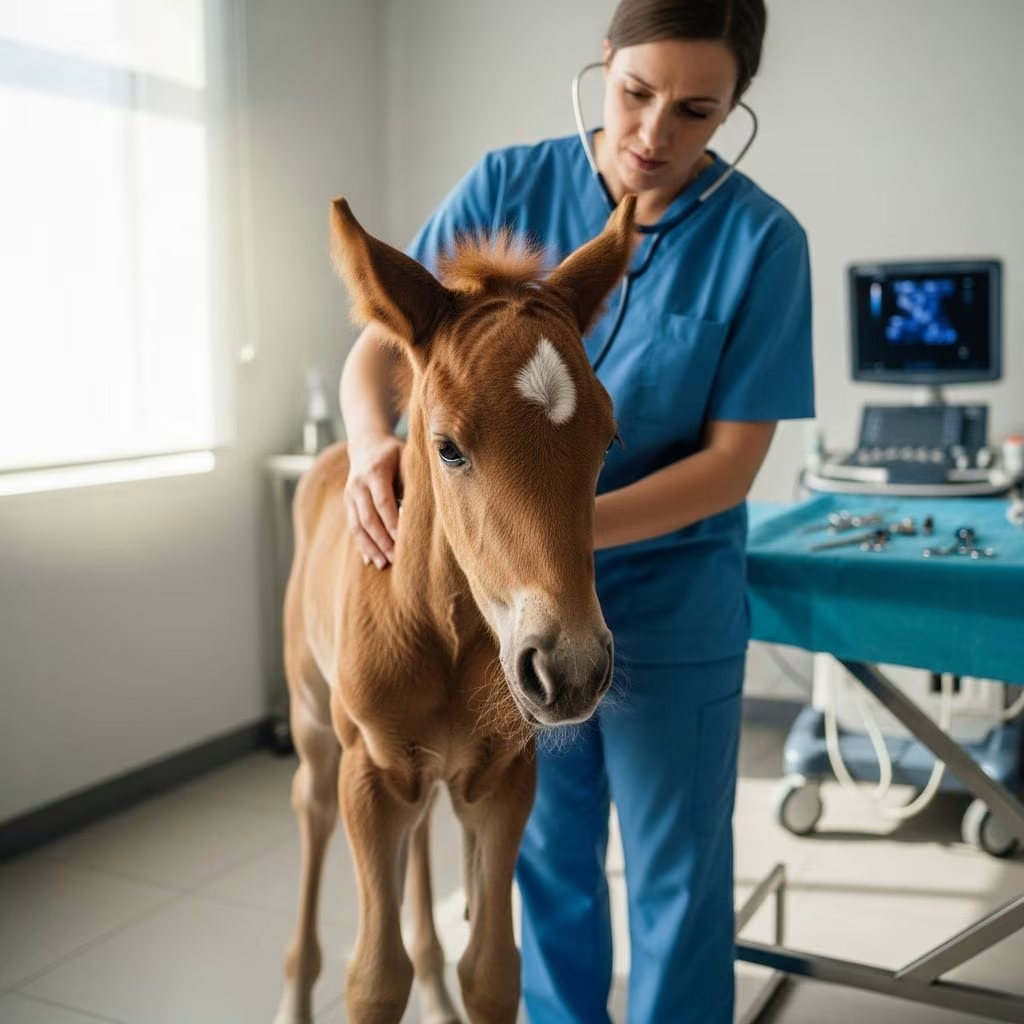
Rhodococcus equi pneumonia represents one of the primary respiratory challenges for foals between 1 and 5 months of age, often leading to lung abscesses and significant health complications if not addressed promptly. This condition, sometimes referred to as “rattles,” arises from inhalation of dust-borne bacteria prevalent in equine environments, particularly on breeding farms.
The Nature of Rhodococcus equi Infection
Rhodococcus equi is a gram-positive, intracellular bacterium that thrives in soil and manure, making it ubiquitous on horse properties worldwide. Foals typically encounter it through inhaling contaminated aerosols, with infection often initiating in the first few weeks of life. While not directly contagious between foals, environmental contamination from infected manure heightens risk on densely populated farms. The pathogen targets the lower respiratory tract, causing suppurative bronchopneumonia that progresses slowly over weeks to months.
Many infections remain subclinical, with 70-85% of exposed foals showing no overt signs as small abscesses resolve naturally. However, when clinical disease develops, it imposes high morbidity, mortality risks, and treatment costs, especially on endemic farms requiring ongoing surveillance. Adult horses rarely succumb, but immunodeficient individuals can be affected.
Recognizing Early Warning Signs
Initial symptoms are subtle, mimicking other minor ailments, which delays intervention. Owners might notice:
- Mild fever and slight tachypnea (rapid breathing), often absent at rest.
- Lethargy and reduced appetite as the infection advances.
- Occasional cough, exacerbated by stress or exercise.
As pneumonia worsens, signs intensify: pronounced coughing, purulent nasal discharge, labored breathing with nostril flaring, and abnormal lung sounds like crackles or wheezes on auscultation. Thoracic percussion may reveal dull areas over consolidated lungs, and ultrasound often detects abscesses greater than 10 cm in total diameter, signaling need for treatment.
Beyond pulmonary involvement, extrapulmonary issues occur, including abdominal abscesses causing diarrhea, colic, and weight loss; joint infections (physitis, polysynovitis); and ocular inflammation like uveitis. Foals with gastrointestinal forms face poorer prognoses due to ulcerative enterocolitis and lymph node suppuration.
Diagnostic Approaches for Accurate Identification
Confirming R. equi requires more than clinical suspicion, as symptoms overlap with viral or other bacterial pneumonias. Key diagnostics include:
- Thoracic ultrasound: Gold standard for early detection of consolidations or abscesses, routine on high-risk farms.
- Transtracheal wash or bronchoalveolar lavage: Culture for R. equi and PCR detection of the VapA virulence gene provide definitive proof.
- Radiography: Reveals interstitial patterns or abscess shadows in advanced cases.
- Bloodwork: Elevated white cells and fibrinogen indicate inflammation.
Farms endemic for the disease often implement weekly ultrasonographic screening from 2-4 weeks of age to catch subclinical cases before decompensation. Fecal shedding correlates with clinical pneumonia, aiding environmental monitoring.
Effective Treatment Protocols
Once confirmed, treatment centers on prolonged antimicrobial therapy combining a macrolide (e.g., erythromycin, azithromycin, or clarithromycin) with rifampin, targeting the intracellular bacterium effectively. Typical regimens last 4-9 weeks, guided by clinical response and imaging resolution.
| Treatment Component | Dosage Example | Duration | Notes |
|---|---|---|---|
| Macrolide (e.g., Azithromycin) | 10 mg/kg PO q24h | 4-8 weeks | Monitor for resistance; alternate if needed |
| Rifampin | 5-10 mg/kg PO q12h | Matching macrolide | Synergistic; avoid monotherapy |
| Supportive Care | NSAIDs, fluids | As needed | Reduce fever, support appetite |
Prophylactic antibiotics in at-risk foals are discouraged due to resistance risks and poor long-term efficacy. Hyperimmune plasma transfusions show mixed results and are not routinely recommended. Recovery demands strict rest—up to a month post-treatment—to prevent relapse, with gradual return to activity. Success rates exceed 80% with early intervention, but severe abscesses or extrapulmonary spread worsen outcomes.
Prevention Strategies for Farm Owners
Since eradication is impossible, management focuses on minimizing exposure and boosting foal immunity. Proven tactics include:
- Environmental hygiene: Remove manure promptly from foaling areas; avoid overcrowding and dust-raising activities.
- Surveillance programs: Routine ultrasound to treat early, reducing environmental bacterial load.
- Nutrition and colostrum: Ensure adequate passive transfer of antibodies via high-quality colostrum, as low IgG levels increase susceptibility.
- Vaccination research: Emerging oral vaccines show promise in reducing clinical disease, though not universally available.
- Farm design: Optimize ventilation in barns; rotate pastures to dilute soil bacteria.
Large, high-turnover farms face elevated risks, so biosecurity like quarantining new arrivals is vital. Economic analyses highlight that proactive screening offsets treatment costs over time.
Risk Factors and Epidemiology
Foals under 3 months are most vulnerable due to immature immunity, with peaks in spring on breeding operations. Mare health indirectly influences outcomes via colostrum quality. Regional variations exist, but global prevalence underscores universal vigilance. Climate impacts dust levels, indirectly affecting inhalation risk.
Long-Term Prognosis and Monitoring
With timely treatment, most foals recover fully, growing into healthy adults. Survivors may have residual lung scarring, but athletic performance is rarely impaired. Post-treatment ultrasounds confirm abscess resolution before weaning. Endemic farms benefit from annual reviews of protocols to adapt to emerging resistance patterns.
Frequently Asked Questions (FAQs)
What age group is most at risk for R. equi pneumonia?
Foals aged 1-5 months, especially those 3 weeks to 3 months, face the highest risk due to inhalation exposure and developing immunity.
Is R. equi contagious between foals?
No, it’s not directly transmissible; infection stems from environmental sources like contaminated dust and manure.
Can adult horses get R. equi pneumonia?
Extremely rare; it primarily affects young foals, though immunocompromised adults may develop infections.
How do I prevent R. equi on my farm?
Focus on manure management, dust control, colostrum quality, and routine thoracic ultrasounds for early detection.
What is the success rate of treatment?
Over 80% with combined macrolide-rifampin therapy started early, though severe cases with extrapulmonary involvement have lower odds.
References
- Rattles in Foals: Rhodococcus equi Pneumonia Signs & Treatment — Mad Barn. 2023. https://madbarn.com/rattles-in-foals/
- Rhodococcus equi Pneumonia in Foals – Respiratory System — Merck Veterinary Manual. 2023-10-17. https://www.merckvetmanual.com/respiratory-system/respiratory-diseases-of-horses/rhodococcus-equi-pneumonia-in-foals
- Rhodococcus equi — UC Davis Center for Equine Health. 2024. https://ceh.vetmed.ucdavis.edu/health-topics/rhodococcus-equi
- Incubation period – Equine Disease Communication Center — Equine Disease Communication Center (.edu affiliate). 2023. https://equinediseasecc.org/handler/managedfilehandler.ashx?id=84&ext=pdf
- Current Trends in Understanding and Managing Equine… – PMC — National Center for Biotechnology Information (NIH). 2020-10-20. https://pmc.ncbi.nlm.nih.gov/articles/PMC7603097/



