

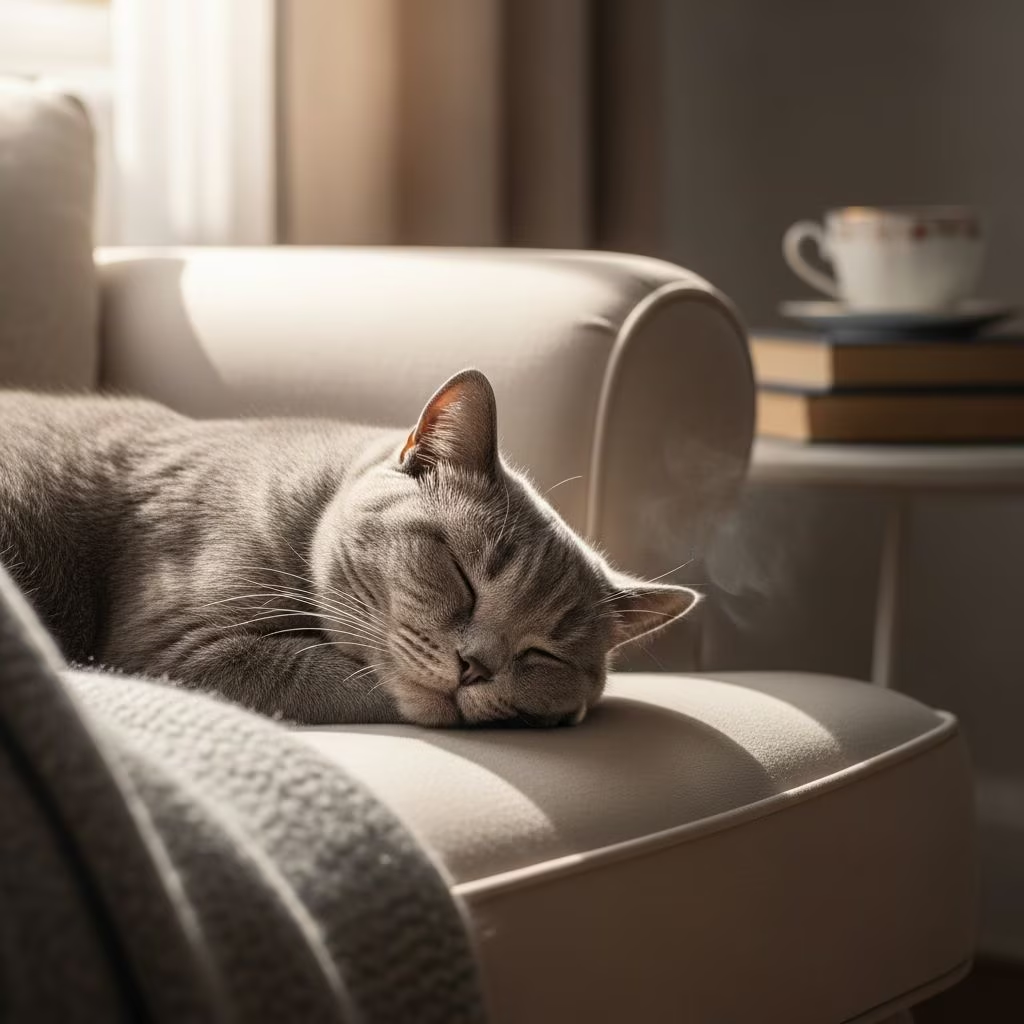
Cat lovers often seek companions that enhance tranquility rather than disrupt it. Certain breeds stand out for their subdued vocal habits, preferring subtle chirps, purrs, or body language over loud yowls. These quiet felines thrive in serene settings like apartments or homes with light sleepers, providing affection without the noise. This guide profiles 12 of the quietest breeds, drawing from breed standards and owner experiences to help you choose the perfect low-volume pet.
Why Choose a Quiet Cat Breed?
Quiet cats minimize disturbances, making them ideal for multi-unit dwellings or shared living spaces. Their reserved nature often stems from genetics and temperament, leading to less meowing for attention or during play. These breeds communicate effectively through eyes, tail flicks, and gentle rubs, fostering deep bonds without clamor. Benefits include reduced stress for owners, better neighbor relations, and a harmonious household dynamic.
- Low Noise Levels: Rare loud meows suit noise-sensitive environments.
- Relaxed Personalities: Many enjoy lounging over high-energy antics.
- Adaptable Companions: Bond closely with families while respecting personal space.
Top Quiet Cat Breeds Profiles
Below, we detail breeds renowned for silence, including origins, traits, and care needs. Each offers unique appeal for peaceful living.
1. Scottish Fold: The Tranquil Observer
Recognized for their distinctive forward-folded ears from a unique gene, Scottish Folds embody calmness. Originating in Scotland, they prefer watching family activities from a perch rather than demanding involvement vocally. Owners report soft trills at most, with long periods of silent contentment. Their playful side emerges quietly, in short bursts of batting toys.
- Coat: Short, dense; low shedding.
- Size: Medium, 6-13 lbs.
- Activity: Moderate; loves laps but independent.
Health watch: Monitor ears for cartilage issues and joints for osteodystrophy.
2. Russian Blue: Elegant and Reserved
This shimmering blue-coated breed from Russia exudes shyness and sophistication. Russian Blues vocalize sparingly, using reserved mews only when necessary. They form loyal ties, shadowing owners silently and communicating via intense green eyes. Perfect for introverted homes, they dislike chaos and flourish in routine.
- Coat: Short, plush; minimal grooming.
- Size: Medium, 7-15 lbs.
- Activity: Low; prefers quiet exploration.
Allergy-friendly due to low-shedding fur; ensure interactive toys to prevent boredom.
3. British Shorthair: The Stoic Companion
With roots in Victorian England, British Shorthairs boast a plush, rounded build and unflappable demeanor. They rarely raise their voices, content to lounge nearby without insistence. Their independence shines, yet they offer undemanding affection, making them superb for busy households seeking peace.
- Coat: Short, thick; moderate shedding.
- Size: Large, 9-18 lbs.
- Activity: Low; enjoys puzzles over chases.
Prone to obesity; measured feeding prevents weight gain.
4. Persian: Luxurious Lap Warmer
Ancient Persians, with flat faces and flowing coats, prioritize serenity. They “speak” through expressive gazes, seldom meowing loudly. Ideal for cuddle sessions, they adapt to slow-paced lives but need grooming to maintain their opulent fur. Their docile vibe suits quiet seniors or professionals.
- Coat: Long; daily brushing essential.
- Size: Medium, 7-12 lbs.
- Activity: Very low; nap enthusiast.
Breathing issues common; choose breeders screening for brachycephalic traits.
5. Chartreux: The Silent Hunter
France’s Chartreux, with woolly blue-gray fur, were bred as monastery mousers. Exceptionally quiet, they chirp softly during hunts or greetings. Robust and adaptable, they balance naps with brief play, fitting families or singles who value subtlety.
- Coat: Short, dense; low maintenance.
- Size: Medium-large, 8-14 lbs.
- Activity: Moderate; enjoys walks.
Smile-like mouths add charm; hypoallergenic potential.
6. Norwegian Forest Cat: Majestic Minimalist
These water-resistant giants from Scandinavia vocalize via trills, not yowls. Despite size, they’re gentle, preferring silent climbs or family proximity. Hardy for cold climates, they bring wilderness calm indoors.
- Coat: Long, waterproof; seasonal shedding.
- Size: Large, 12-20 lbs.
- Activity: Moderate; tree lovers.
Heart health screening vital.
7. Ragdoll: Floppy and Muted
Ragdolls go limp when held, matching their soft-spoken ways. They meow infrequently, using purrs for connection. Affectionate without clamor, they’re family-friendly.
- Coat: Semi-long; regular combing.
- Size: Large, 10-20 lbs.
- Activity: Low-moderate; dog-like.
HCM testing recommended.
8. Exotic Shorthair: Playful Yet Peaceful
Persian cousins with short fur, Exotics blend chill vibes with mild play. Quiet mews punctuate their relaxed days.
- Coat: Short, dense.
- Size: Medium, 8-15 lbs.
- Activity: Low.
9. Birman: Graceful Shadow
Colorpointed Birmans follow silently, trilling softly. Sacred Burmese origins yield gentle souls.
- Coat: Semi-long; glove patterns.
- Size: Medium, 6-12 lbs.
- Activity: Low-moderate.
10. Maine Coon: Gentle Giant
America’s largest breed chirps conversationally but avoids volume. Sociable without noise.
- Coat: Long, rugged.
- Size: Very large, 10-25 lbs.
- Activity: Moderate.
11. Somali: Active Whisperer
Abyssinian longhairs explore quietly, alerting subtly.
- Coat: Long, ticked.
- Size: Medium, 6-12 lbs.
- Activity: High but silent.
12. Siberian: Forest Quietude
Russian hypoallergenic powerhouses vocalize rarely, thriving in calm.
- Coat: Triple, water-repellent.
- Size: Large, 10-20 lbs.
- Activity: Moderate.
Comparing Quiet Breeds: Quick Reference Table
| Breed | Vocalization Level | Grooming | Size | Best For |
|---|---|---|---|---|
| Scottish Fold | Very Low | Low | Medium | Apartments |
| Russian Blue | Low | Low | Medium | Allergics |
| British Shorthair | Very Low | Moderate | Large | Families |
| Persian | Very Low | High | Medium | Seniors |
| Chartreux | Low | Low | Medium-Large | Active Homes |
| Norwegian Forest | Low | Moderate | Large | Cold Climates |
Caring for Your Quiet Companion
Quiet breeds need mental stimulation to stay content. Provide scratching posts, window perches, and puzzle feeders. Diet matters—high-protein kibble supports energy without excess. Vet checkups catch breed-specific issues early. Socialize kittens gently for adaptability.
FAQs About Quiet Cat Breeds
Are all cats in these breeds silent?
No, individuals vary, but breeds trend quiet. Environment influences vocalization.
Can quiet cats live with noisy pets?
Yes, many adapt, but introduce slowly.
Which is best for apartments?
British Shorthair or Russian Blue excel in small spaces.
Do they get lonely?
They bond deeply; daily interaction prevents withdrawal.
How to encourage play without noise?
Use silent toys like lasers or wand feathers.
References
- 7 Most Quiet Cat Breeds — iHeartCats.com. 2023. https://iheartcats.com/most-quiet-cat-breeds/
- 20 Silent Cat Breeds (With Info & Pictures) — Catster. 2024-01-15. https://www.catster.com/cat-breeds/silent-cat-breeds/
- Silent & Quiet Cat Breeds — Purina US. 2025. https://www.purina.com/cats/cat-breeds/collections/silent-and-quiet-cat-breeds
- Quiet Cat Breeds and Turning Yours into One — Cat Tales, The Columbian. 2019-07-28. https://blogs.columbian.com/cat-tales/2019/07/28/quiet-cat-breeds-and-turning-yours-into-one/
- 9 Easy-Going Cat Breeds — Chewy. 2024. https://www.chewy.com/education/cat/general/behavior-breeds-9-easy-going-cat-breeds



