
Quiet Canine: Home Office Harmony
Master strategies to keep your dog calm and quiet during remote work, fostering a productive workspace without stress.
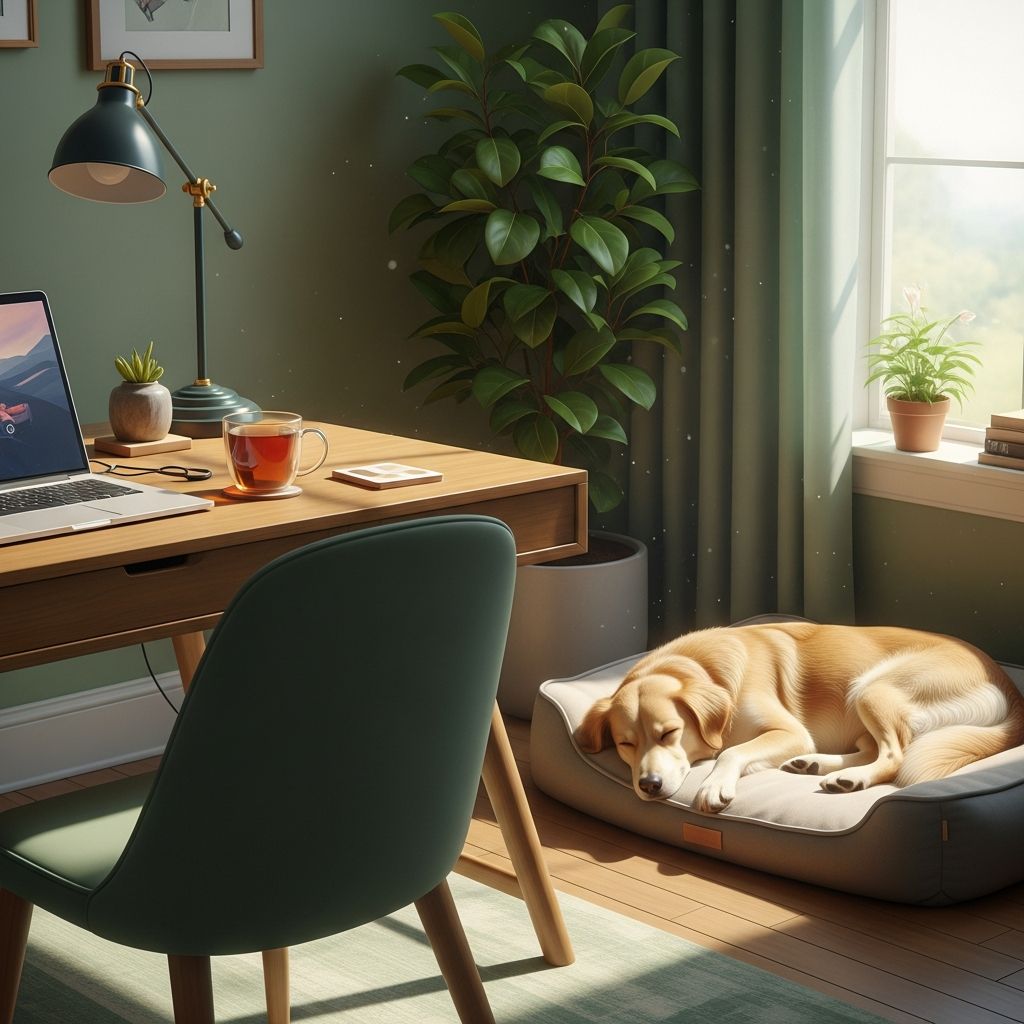
Remote work has transformed many households into bustling home offices, but for dog owners, this shift often brings challenges like constant barking, pawing for attention, or disruptive zooming. Creating a serene environment requires proactive strategies that address your dog’s physical, mental, and emotional needs. This guide explores comprehensive approaches to help your pup settle into a routine that supports your productivity while keeping them content.
Establishing a Solid Daily Routine
The foundation of a quiet home office lies in predictability. Dogs flourish with structure, so begin your day by aligning their schedule with yours. Start with an early morning outing to expend energy before you log in. A brisk walk or backyard fetch session signals the start of ‘work mode’ for both of you.
- Morning Exercise Burst: Aim for 30-60 minutes of activity tailored to your dog’s breed and age. High-energy breeds like Border Collies need intense play, while smaller companions benefit from extended strolls.
- Scheduled Breaks: Incorporate short 10-minute play sessions mid-morning and afternoon to prevent pent-up energy buildup.
- Wind-Down Ritual: Evening decompression with a calm walk reinforces boundaries between work and leisure time.
Consistency reinforces that certain times are for engagement and others for independent rest, reducing attention-seeking interruptions.
Physical Exercise: The Key to Calmness
A fatigued dog is far less likely to demand play during your Zoom calls. Prioritize vigorous exercise to tap into their natural instincts. Throwing a ball in a hallway or yard mimics hunting behaviors, providing mental stimulation alongside physical output.
| Breed Type | Recommended Daily Exercise | Indoor Alternatives |
|---|---|---|
| High-Energy (e.g., Labs, Huskies) | 60+ minutes | Stair fetches, tug-of-war |
| Medium-Energy (e.g., Beagles) | 45 minutes | Hallway sprints, puzzle toys |
| Low-Energy (e.g., Bulldogs) | 20-30 minutes | Gentle indoor walks |
Adjust based on your dog’s fitness level, and always warm up to avoid injury. Post-exercise, they’ll often nap peacefully nearby.
Mental Enrichment for Lasting Engagement
Beyond physical outlets, mental challenges keep dogs occupied for hours. Food-dispensing toys turn meals into puzzles, channeling foraging instincts. Stuff Kongs with kibble, peanut butter, or yogurt, then freeze for extended duration.
- Puzzle Feeders: Devices like Nina Ottosson boards require problem-solving, burning cognitive energy.
- Snuffle Mats: Hide treats in fabric folds for scent-work simulation.
- Long-Lasting Chews: Antlers or bully sticks provide safe gnawing without quick consumption.
Rotate toys weekly to maintain novelty, preventing boredom. This approach not only quiets them but also promotes healthier eating habits.
Training Essentials for Office Manners
Teach specific behaviors to cue ‘settle time.’ Place training, where your dog learns to relax on a mat or bed near your desk, is invaluable. Use positive reinforcement: reward calm lying down with treats or praise.
- Introduce the Spot: Lure to a designated bed with high-value treats.
- Build Duration: Gradually increase stay time, starting at 1 minute.
- Add Distance and Distractions: Practice with mild interruptions like keyboard typing.
- Cue ‘All Done’: Signal end of interaction to prevent lingering demands.
Hand signals for ‘bed’ allow silent direction during calls. Ignore whining or pawing entirely—attention reinforces it. Reward quiet moments instead.
Creating Designated Spaces
Separate your workspace from play zones to set clear boundaries. A gated area with their bed, water, and toys fosters independence. For clingy dogs, start with short separations, gradually extending time.
- Crate Training: If not already proficient, introduce positively with treats and meals inside.
- Exercise Pen Setup: Ideal for larger spaces, stocked with enrichment items.
- Tether Option: Short leash near you prevents jumping but allows supervision.
Proximity without access teaches self-soothing. Sunlit corners can encourage napping, but block window views if they trigger barking at passersby.
Managing Interruptions During Calls
Video meetings amplify disruptions. Preempt by exercising and feeding beforehand. Mute is your ally, but train ‘quiet’ by offering a special toy only during calls.
Practice ‘dog push-ups’: rapid sit-stand-down sequences for mental fatigue. If barking persists, calmly remove to their space without engagement until silent.
Addressing Common Behavior Pitfalls
Demand barking often stems from reinforced past successes. Break the cycle: turn away, avoid eye contact, and wait for four paws on the ground before acknowledging.
- Whining: Respond only to quiet pauses, extending intervals.
- Pawing: Stand up and step away briefly.
- Zoomies: Redirect to a toy toss before they escalate.
Patience yields results; most dogs adapt within 1-2 weeks of consistency.
Advanced Tools and Supplements
For persistent issues, consider calming aids like pheromone diffusers or vet-approved chews with L-theanine. Always consult a professional before starting.
Interactive cameras allow remote treat dispensing, blending supervision with rewards for good behavior.
Long-Term Lifestyle Integration
Prepare for hybrid schedules by varying routines occasionally. This builds resilience for days you’re away. Enroll in obedience classes for ongoing polish.
Frequently Asked Questions
How long does it take for my dog to adjust?
Typically 1-3 weeks with daily practice, depending on age and prior training.
What if my dog hates crates?
Counter-condition with positive associations: feed meals inside, door open initially.
Can puppies follow this routine?
Yes, but shorten sessions and increase potty breaks. Focus on crate rest.
Is exercise enough for destructive chewers?
Combine with chews and training; consult a behaviorist if needed.
What about multi-dog homes?
Stagger exercise and provide individual spaces to avoid rivalry.
References
- Survival Guide for Dog Owners Working From Home — Whole Dog Journal. 2020-04-01. https://www.whole-dog-journal.com/training/survival-guide-for-dog-owners-working-from-home/
- 5 Tips for Working From Home With Dogs — Embark Vet. 2023-01-15. https://embarkvet.com/resources/how-to-work-from-home-with-dogs/
- How to Train Your Dog for the Home Office — OC Dog Training. 2022-06-10. https://ocdogtraining.com/how-to-train-your-dog-for-the-home-office-and-the-working-from-home-lifestyle/
- Ways to Keep Your Dog Busy While Working From Home — Pride + Groom. 2021-09-20. https://prideandgroom.com/blogs/news/ways-to-keep-your-dog-busy-while-working-from-home
- Working From Home With Your Dog — Bark Busters. 2023-03-05. https://www.barkbusters.com/news/working-from-home-with-your-dog
Similar Articles








Read full bio of medha deb




