

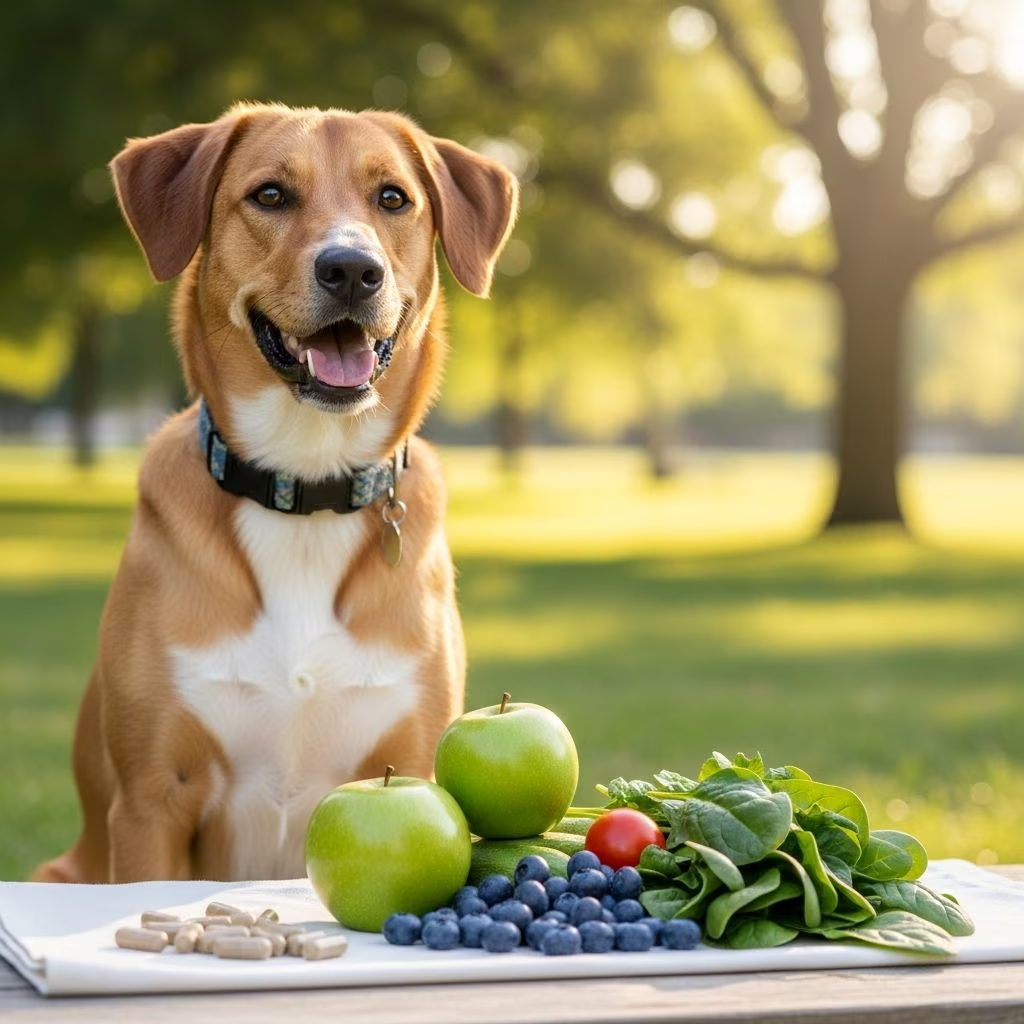
Quercetin for Dogs: A Natural Antihistamine Solution
If your dog suffers from allergies, you’ve likely explored various treatment options. Among the natural remedies gaining recognition in veterinary circles is quercetin, a powerful plant compound that works as nature’s answer to traditional antihistamines. According to veterinary professionals, quercetin “works as a gentle antioxidant, helps calm inflammation, and acts like a natural antihistamine.” Unlike pharmaceutical alternatives, quercetin offers a holistic approach to managing your dog’s allergic reactions while minimizing unwanted side effects.
Quercetin is a bioflavonoid—one of the most abundant flavonoids found in nature. It’s present in many everyday fruits and vegetables, yet most dogs receive only minimal amounts through their regular diet. For therapeutic benefits, supplementation becomes necessary to achieve concentrations powerful enough to address allergic conditions effectively.
Understanding How Quercetin Works in Dogs
The mechanism behind quercetin’s effectiveness lies in its ability to modulate the body’s allergic response at the cellular level. When dogs encounter allergens, their immune system releases histamine—a chemical responsible for the uncomfortable symptoms associated with allergies. Quercetin intervenes in this process through multiple pathways:
Mast Cell Stabilization
Quercetin works by stabilizing mast cells, which are immune cells that release histamine during allergic reactions. By preventing the release of histamine from these cells, quercetin reduces the severity of allergic symptoms before they begin. This preventative mechanism makes it particularly effective when administered consistently.
Enzyme Inhibition
Beyond mast cell stabilization, quercetin inhibits histidine decarboxylase, the enzyme responsible for producing histamine. By limiting histamine production directly, quercetin tackles allergies from multiple angles simultaneously.
Inflammatory Pathway Modulation
Quercetin also reduces the synthesis of leukotrienes and prostaglandins—compounds that amplify inflammation during allergic responses. Additionally, it downregulates pro-inflammatory cytokine production, helping to calm the body’s over-the-top reaction to allergens.
How Quercetin Helps Dogs With Allergies
Dogs with environmental allergies often experience multiple symptoms affecting different body systems. Quercetin addresses these symptoms through its natural antihistamine properties, offering relief in several key areas:
Reduces Itching and Inflammation
One of the most bothersome allergy symptoms for dogs is persistent itching, which often leads to excessive scratching, licking, or chewing of the skin. Quercetin helps reduce skin inflammation, thereby soothing irritation and redness. By calming the inflammatory response in the skin, it can significantly improve your dog’s comfort level and reduce the risk of secondary skin infections caused by excessive licking and scratching.
Helps With Watery Eyes and Runny Nose
Environmental allergies commonly manifest as eye discharge, sneezing, and nasal discharge—histamine-driven symptoms that make dogs visibly uncomfortable. Quercetin can ease these respiratory and ocular symptoms, allowing your dog to breathe more easily and see clearly without constant discharge.
Supports Skin Health
Beyond temporary relief, quercetin promotes long-term skin health by dialing down chronic inflammation. This is especially beneficial for dogs prone to hot spots, rashes, or recurring skin infections related to allergic reactions. Healthier skin means fewer complications and a more comfortable life for your pet.
The Gut-Skin Connection in Canine Allergies
Modern veterinary research recognizes the critical relationship between gut health and skin allergies in dogs. Many dogs experiencing allergic reactions suffer from what professionals call “leaky gut”—a condition where the intestinal lining becomes compromised, allowing food particles, bacteria, and toxins to pass through. This intestinal permeability triggers inflammatory responses that often manifest as skin itching and ear infections.
Quercetin supports the gut lining, helping to restore its integrity and reduce intestinal inflammation. By addressing this root cause of allergic sensitization, quercetin provides benefits that extend far beyond simple symptom management. This multi-system approach represents one of quercetin’s most significant advantages over traditional pharmaceutical antihistamines.
Beyond Allergies: Additional Health Benefits
While quercetin gained popularity as a natural allergy remedy, emerging research indicates its therapeutic potential extends across multiple body systems. Veterinary experts agree that quercetin’s antioxidant and anti-inflammatory properties may offer benefits beyond allergies, though evidence for these additional applications continues to develop.
Gastrointestinal Health
Quercetin’s anti-inflammatory properties support digestive tract health, making it beneficial for dogs with inflammatory bowel conditions or chronic gastrointestinal sensitivity. By promoting a healthy inflammatory response in the gut, quercetin helps maintain proper digestive function and nutrient absorption.
Joint Support and Arthritis Management
By scavenging free radicals and promoting healthy inflammatory responses, quercetin becomes an invaluable ally for aging dogs or those dealing with arthritis and joint issues. The compound’s antioxidant effects help protect joint tissues from oxidative damage, potentially slowing degenerative processes.
Cardiovascular Function
Early research points to quercetin’s potential in supporting heart health through its ability to reduce inflammation and oxidative stress in cardiovascular tissues. Dogs with existing heart conditions or breed predispositions to cardiac issues may benefit from quercetin’s protective mechanisms.
Respiratory Support
For dogs experiencing breathing difficulties or asthma, quercetin may provide relief by relaxing bronchial tubes and reducing airway inflammation. This makes it particularly useful for dogs with chronic respiratory issues, whether allergy-related or otherwise.
Cellular and DNA Protection
Quercetin’s powerful antioxidant properties protect cells throughout the body from oxidative damage. This cellular protection extends to vital organs including the kidneys, liver, and heart, contributing to long-term health maintenance and potentially supporting disease prevention.
Metabolic and Immune Function
Quercetin acts as a potent immunomodulator, strengthening the body’s natural defenses against pathogens while supporting metabolic balance. This immune-boosting capability is particularly crucial for working dogs or those with heightened oxidative stress loads.
Quercetin vs. Pharmaceutical Alternatives
When comparing quercetin to traditional pharmaceutical options, several important distinctions emerge:
| Factor | Quercetin | First-Generation Antihistamines | Second-Generation Antihistamines |
|---|---|---|---|
| Side Effects | Minimal, well-tolerated | Sedation, dry mouth, urinary retention | Drowsiness (10-15% of dogs), GI upset |
| Natural Origin | Plant-based bioflavonoid | Synthetic pharmaceutical | Synthetic pharmaceutical |
| Multi-System Benefits | Antioxidant, anti-inflammatory, immune support | Limited to antihistamine effects | Limited to antihistamine effects |
| Mast Cell Stabilization | Potent and comparable to cromolyn sodium | Variable effectiveness | Variable effectiveness |
| Long-Term Use | Cumulative benefits, preventative | Primarily symptom relief | Primarily symptom relief |
Research demonstrates that quercetin’s mast cell stabilization potency is comparable or superior to cromolyn sodium, a pharmaceutical mast cell stabilizer used in veterinary medicine. Importantly, quercetin shows remarkable safety even at doses significantly higher than therapeutic recommendations, making it an attractive option for long-term supplementation.
How Much Quercetin Does Your Dog Need?
Most dogs obtain only trace amounts of quercetin from their regular diet, typically through fruits and vegetables. However, these naturally occurring amounts prove insufficient to produce therapeutic effects on allergies. Veterinary guidance becomes essential when determining appropriate supplementation levels for your individual dog.
Several factors influence optimal quercetin dosing, including your dog’s weight, age, health status, and the severity of their allergic symptoms. Multi-source quercetin formulations—which deliver quercetin through botanical sources like Sophora japonica, stinging nettle, and cranberry—often provide superior bioavailability and extended activity compared to isolated quercetin supplements alone.
Getting Started With Quercetin Supplementation
Before introducing quercetin to your dog’s wellness routine, consult with your veterinarian. Dogs with mild allergies may benefit most from quercetin’s antihistamine properties, making it an excellent starting point for natural allergy management. Your veterinarian can recommend appropriate formulations, dosing protocols, and monitoring strategies specific to your dog’s needs.
When beginning supplementation, consistency matters. Rather than providing immediate symptom relief like some pharmaceutical options, quercetin delivers cumulative benefits through regular administration. Many dogs experience progressive improvement over weeks, with increasingly noticeable benefits as quercetin levels build in their system.
Monitoring Effectiveness and Safety
Track your dog’s response to quercetin supplementation by noting changes in itching frequency, skin condition, eye discharge, nasal symptoms, and overall comfort levels. Most dogs demonstrate measurable improvement within 4-6 weeks of consistent supplementation, though individual responses vary.
Quercetin’s excellent safety profile means side effects are exceptionally rare, even with extended use. However, maintain regular communication with your veterinarian to ensure quercetin remains an appropriate component of your dog’s overall health management strategy.
Frequently Asked Questions About Quercetin for Dogs
Q: Is quercetin safe for all dogs?
A: Quercetin demonstrates remarkable safety for most dogs with minimal reported side effects. However, pregnant or nursing dogs, puppies, or dogs with specific medical conditions should be supplemented only under veterinary supervision. Always consult your veterinarian before starting any new supplement.
Q: How quickly does quercetin work?
A: Unlike pharmaceutical antihistamines that may provide rapid relief, quercetin works through cumulative mechanisms. Most dogs show measurable improvement within 4-6 weeks of consistent supplementation, with benefits continuing to increase with long-term use.
Q: Can quercetin replace my dog’s current allergy medication?
A: Quercetin works well as a complementary therapy alongside other treatments. Never discontinue prescribed medications without veterinary guidance. Your veterinarian can help determine whether quercetin can eventually replace or reduce the need for pharmaceutical options.
Q: Are there any food sources of quercetin for dogs?
A: Yes, quercetin naturally occurs in many dog-safe fruits and vegetables including apples, berries, and leafy greens. However, the amounts present in food typically prove insufficient for therapeutic allergy relief, making supplementation necessary for noticeable health benefits.
Q: What’s the difference between quercetin supplements and botanical formulations?
A: Multi-source botanical formulations deliver quercetin through whole plant sources alongside supporting compounds that enhance bioavailability and extend activity. These formulations often prove more effective than isolated quercetin supplements due to synergistic effects from accompanying flavonoids and beneficial plant compounds.
Q: Can quercetin help with food allergies as well as environmental allergies?
A: While quercetin primarily targets environmental allergies through its antihistamine mechanisms, its gut-healing properties may support dogs with food sensitivities by improving intestinal lining integrity and reducing leaky gut responses.
References
- Quercetin Supplement for Dogs: Multi-System Health Benefits — Bonza. 2025-05-15. https://www.bonza.dog/2025/05/quercetin-supplement-for-dogs-more-than-just-allergy-control/
- Quercetin for Dogs — Chewy. https://www.chewy.com/education/dog/health-and-wellness/quercetin-for-dogs
- Quercetin For Dogs: Is It Really Nature’s Benadryl? — The Natural Dog Store. https://thenaturaldogstore.com/blogs/health/quercetin-for-dogs
- Quercetin for Dogs & Cats: Top Natural Antihistamine — The Natural Pet Doctor. https://www.thenaturalpetdoctor.com/blog/quercetin-for-dogs-cats-top-natural-antihistamine-for-itchy-skin-gut-health/
- Your Questions About Quercetin for Pets Answered — Thorne Veterinary. https://thornevet.com/your-questions-about-quercetin-for-pets-answered/



