

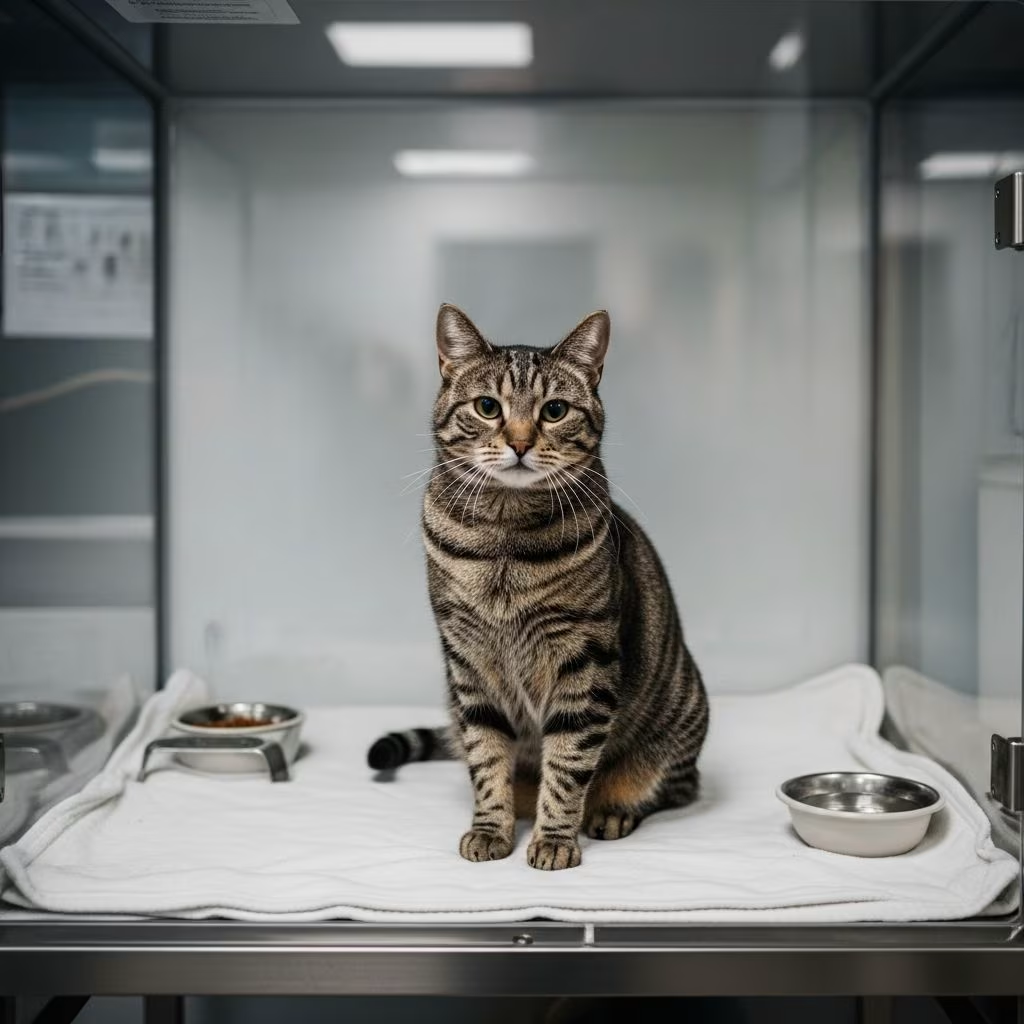
Ringworm in cats, a highly contagious fungal infection caused by dermatophytes, requires prompt isolation to prevent spread to other pets and humans. Cats typically remain contagious for about three weeks with aggressive treatment, but full quarantine and therapy often extend to 4-6 weeks or longer based on the cat’s health and response.
Understanding Feline Ringworm and Its Transmission Risks
Ringworm, despite its name, is not a worm but a fungal infection primarily from Microsporum canis, thriving on skin, hair, and nails. It appears as circular, scaly patches with hair loss, though some cats show no symptoms yet shed infectious spores. Kittens, seniors, and immunocompromised cats are most vulnerable due to weaker defenses, with self-resolution possible in 3-5 months for healthy adults but risking household outbreaks.
Spores spread via direct contact, contaminated objects like bedding or brushes, or environmental surfaces. In multi-pet homes or shelters, rapid isolation is critical as invisible spores persist in fur and dust, leading to reinfection without decontamination.
Why Isolation Is Essential for Ringworm Management
Quarantine confines the infection, allowing targeted treatment while protecting others. Without it, spores contaminate shared spaces, prolonging contagiousness beyond three weeks. Veterinary protocols emphasize separating affected cats in a single, easy-to-clean room, minimizing handling and using disposable gloves.
Isolation also facilitates monitoring: visual improvements like reduced lesions combined with fungal cultures confirm progress. Two consecutive negative cultures signal the end of contagiousness, typically after 4-6 weeks of combined therapies.
Recommended Quarantine Duration for Infected Cats
| Factor | Typical Duration | Notes |
|---|---|---|
| Aggressive Treatment Response | 2-4 weeks initial quarantine | Extend if cultures positive; full treatment 5-6+ weeks |
| Severe or Kitten Cases | 6-10 weeks total | Recheck every 2 weeks; pulse dosing for young cats |
| Contagious Period | About 3 weeks | With topical/oral meds; confirm via cultures |
| Post-Exposure Watch | 2 weeks | For in-contact pets; check at 1 and 2 weeks |
Quarantine length varies: healthier cats clear faster, while stressed or feral ones may need extended isolation. Always prioritize veterinary fungal cultures over visuals alone.
Step-by-Step Treatment Protocols for Ringworm
Effective management combines systemic and topical therapies with environmental controls. Begin with vet diagnosis via Wood’s lamp, microscopy, or culture.
- Oral Antifungals: Itraconazole or terbinafine at 30 mg/kg daily for 21-28 days, extendable to 6-8 weeks. Pulse therapy (e.g., 7 days on/off) suits kittens to minimize side effects.
- Topical Applications: Lime sulfur dips twice weekly or miconazole/chlorhexidine shampoos. Clip fur in affected areas for better penetration; full body clipping for generalized cases.
- Monitoring: Weekly cultures; adjust based on negatives. Treatment success requires 80%+ clearance rate in shelters with protocols.
Environmental Decontamination Strategies
Spores survive months on surfaces, so daily cleaning is vital during quarantine.
- Vacuum floors/carpets frequently, seal/dispose bags. Steam clean if possible.
- Wipe hard surfaces with 1:10 bleach, accelerated hydrogen peroxide, or veterinary disinfectants; let sit 10 minutes.
- Wash fabrics in hot water with bleach; discard unwashables like old toys.
- Separate food/water bowls; sanitize daily.
In shelters, designate ringworm wards with weekly deep cleans.
Caring for Your Cat During Quarantine
House the cat in a bathroom or spare room with litter, food, and toys. Minimize stress with play and affection via gloves. Monitor appetite/weight, as oral meds may upset stomachs—give with food. Bathe weekly, but avoid over-bathing to prevent dry skin.
For multi-cat homes, test/treat contacts prophylactically. Humans with lesions should consult doctors, as ringworm zoonosis affects 20-40% of cases.
Signs of Recovery and When to End Quarantine
Improvement shows as new hair growth and fading patches within 1-2 weeks. End quarantine only after two negative cultures 1-2 weeks apart, typically post-4 weeks treatment. Premature release risks recurrence.
If no progress after 8 weeks, investigate underlying issues like FIV or poor compliance.
Preventing Ringworm Recurrence and Outbreaks
- Quarantine new cats 2 weeks.
- Maintain hygiene: regular grooming, clean litter.
- Avoid overcrowding in catteries.
- Vaccines exist but aren’t standard; focus on early detection.
Frequently Asked Questions (FAQs)
How long is a cat with ringworm contagious?
Approximately 3 weeks with proper treatment, confirmed by negative cultures.
Can ringworm spread to humans from cats?
Yes, especially immunocompromised individuals; practice hygiene.
Is lime sulfur dip safe for kittens?
Yes, twice weekly; it’s highly effective with residual action.
What if my cat’s ringworm doesn’t improve?
Reculture and adjust meds; extend to 8-10 weeks or check for comorbidities.
Do I need to throw away all my cat’s bedding?
Only if uncleanable; otherwise, hot wash and bleach.
Long-Term Outlook for Cats Post-Ringworm
Most cats recover fully without scarring, regaining full coats. Recurrence is rare with decontamination. Shelters report 90%+ cure rates using combined protocols. Consult vets for follow-ups.
References
- Ringworm in Cats: How Long to Quarantine? — Creative Science. Accessed 2026. https://creative.science/education/how-long-to-quarantine-cat-with-ringworm
- What to Do If Your Cat Has a Ringworm Infection — Vetster. Accessed 2026. https://vetster.com/en/wellness/what-to-do-if-your-cat-has-a-ringworm-infection
- Foster Handbook for Dealing with Ringworm — City of Austin Texas (.gov). Accessed 2026. https://www.austintexas.gov/sites/default/files/files/Animal_Services/Foster_Care_Manual/Ringworm_FostersFNL.pdf
- Ringworm Diagnosis and Treatment Protocols — American Pets Alive! Accessed 2026. https://americanpetsalive.org/uploads/resources/Ringworm-Diagnosis-and-Treatment-Protocols.pdf
- Ringworm in Cats — VCA Animal Hospitals. Accessed 2026. https://vcahospitals.com/know-your-pet/ringworm-in-cats
- Ringworm Management Playbook — Best Friends Animal Society. Accessed 2026. https://bestfriends.org/network/resources-tools/ringworm-management-playbook
- Preventing Ringworm in a Shelter Setting — Shelter Medicine, University of Wisconsin (.edu). Accessed 2026. https://sheltermedicine.wisc.edu/library/guidebooks/ringworm/preventing-ringworm-in-a-shelter-setting



