

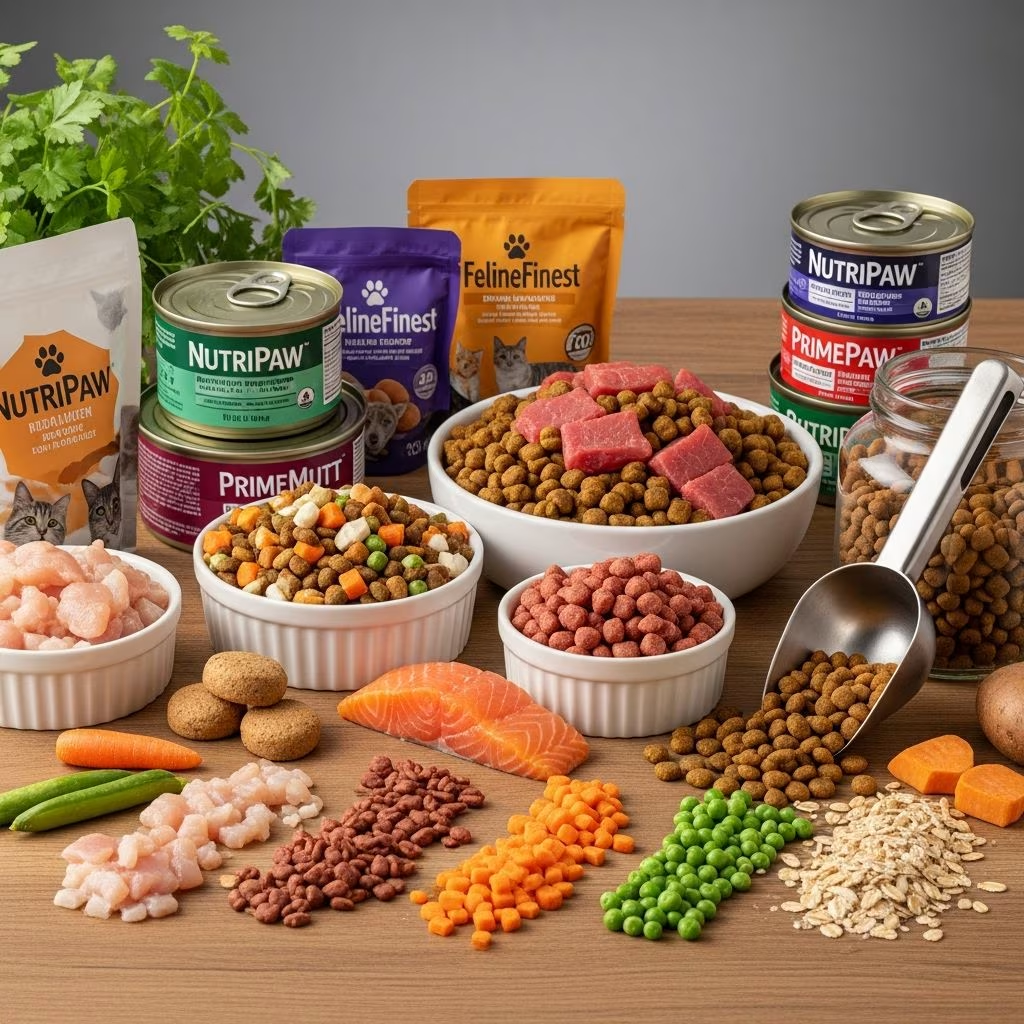
Selecting the right pet food is fundamental to your animal companion’s long-term health and happiness. High-quality options provide balanced nutrients that support everything from muscle maintenance to immune strength. This guide explores critical elements to consider, helping you navigate labels and ingredients effectively.
Understanding Nutritional Foundations
Pet food must deliver a complete profile of macronutrients and micronutrients tailored to species-specific needs. Dogs and cats thrive on diets emphasizing animal-derived proteins, digestible carbs, and essential fats. The cornerstone is a formulation meeting established standards, such as those from the Association of American Feed Control Officials (AAFCO), which verifies completeness for life stages like growth, maintenance, or gestation.
A well-constructed recipe starts with identifiable whole-food sources. Prioritize products where the primary components align with your pet’s physiological requirements, avoiding vague or low-value fillers. Balanced ratios prevent deficiencies, promoting steady energy, coat shine, and digestive regularity.
Primacy of Protein Sources
Proteins form the backbone of any superior pet diet, fueling tissue repair, enzyme production, and hormone synthesis. Opt for named animal proteins like chicken, beef, salmon, or lamb listed first on the ingredient panel. These deliver bioavailable amino acids superior to plant alternatives for carnivorous pets.
- Chicken: Lean, versatile, rich in essential amino acids for muscle support.
- Beef: Provides iron and B vitamins, ideal for active dogs.
- Fish (e.g., salmon): Omega-rich for anti-inflammatory benefits and skin health.
- Lamb: Novel protein for allergies, gentle on digestion.
- Eggs: Complete protein with added biotin for coat integrity.
Animal meals, when specified (e.g., “chicken meal”), concentrate nutrients without excess water weight, outperforming generic “meat by-products.” Protein levels should match life stage: puppies and kittens need 22-32%, adults 18-25%.
Role of Carbohydrates in Energy Supply
While not the star, carbohydrates offer sustained energy and fiber for gut motility. Choose complex sources over simple sugars to stabilize blood glucose and aid nutrient absorption. Whole grains and veggies provide antioxidants alongside calories.
| Ingredient | Benefits | Suitable For |
|---|---|---|
| Brown rice | High fiber, B vitamins, easy digestion | All ages, sensitive stomachs |
| Sweet potatoes | Beta-carotene, low glycemic | Grain-free diets |
| Oats | Soluble fiber for cholesterol control | Seniors, heart health |
| Barley | Prebiotic effects, steady energy | Active pets |
| Peas | Protein boost, vitamins | Grain-inclusive formulas |
These selections enhance satiety and microbiome diversity, reducing risks like obesity or constipation.
Essential Fats for Vital Functions
Fats supply twice the energy of proteins or carbs, plus carry fat-soluble vitamins. Focus on omega-3 and omega-6 balance for inflammation control, brain health, and lustrous fur. Quality sources avoid rancidity risks.
- Fish oil or salmon oil: EPA/DHA for joints and cognition.
- Chicken fat: Palatable, stable omega-6 source.
- Flaxseed: Plant omega-3s, though less convertible.
- Sunflower oil: Vitamin E-rich.
Aim for 5-15% fat content, higher for working breeds. Excess can lead to pancreatitis; deficiencies dull coats.
Fiber: The Digestive Ally
Fiber regulates bowels, feeds beneficial bacteria, and moderates sugar spikes. Blend soluble (for loose stools) and insoluble (for bulk) types.
- Soluble: Beet pulp, chicory root, psyllium – soothe irritation, support probiotics.
- Insoluble: Pumpkin, cellulose, green beans – prevent bloat, promote regularity.
Target 2-5% crude fiber. Probiotic-enhanced fibers benefit seniors by nurturing gut flora.
Vitamins, Minerals, and Superfoods
Micronutrients fortify immunity and organ function. Look beyond basics to chelated minerals (e.g., zinc proteinate) for better uptake. Superfoods amplify benefits:
- Blueberries: Anthocyanins combat oxidative stress.
- Pumpkin: Hydration, beta-carotene for vision.
- Kale: Calcium, antioxidants sans oxalates.
- Chia seeds: Mucilage for hydration, omegas.
Vitamin profiles should include A, E, C, and D; trace minerals like selenium and iodine. Avoid over-supplementation.
Decoding the Guaranteed Analysis
This panel quantifies crude protein, fat, fiber, moisture, and select nutrients. Compare “as-fed” to dry matter basis for accuracy (subtract moisture %).
| Nutrient | Adult Minimum (%) | Growth Min (%) |
|---|---|---|
| Protein | 18 | 22 |
| Fat | 5 | 8 |
| Fiber (max) | 5 | 5 |
| Moisture (max) | 10 (dry) | 10 (dry) |
Higher isn’t always better; balance matters. Omega listings signal quality.
Label Red Flags and Smart Avoidances
Steer clear of low digestibility items and synthetics. Ingredients dwindle by weight, so multiples (e.g., corn x3) inflate carbs.
- Generic meats: “By-products” hide organs, feet.
- Fillers: Corn syrup, soy – empty calories.
- Artificial preservatives: BHA/BHT – linked to cancer risks.
- Excessive carbs: Over 50% signals poor formulation.
Prefer natural antioxidants like mixed tocopherols or rosemary extract.
AAFCO Seal and Beyond
The AAFCO statement confirms testing or formulation to standards: “complete and balanced” for all life stages or specific. Independent testing (e.g., NUTRO or WSAVA compliance) adds assurance, though not mandatory.
Tailoring to Individual Needs
Age, breed, activity, and health dictate tweaks. Puppies demand growth formulas; seniors need joint/glucosamine boosts. Allergies? Hydrolyzed or novel proteins. Consult vets for personalized plans.
Practical Shopping Strategies
1. Scan first five ingredients: Protein-dominant.
2. Verify AAFCO.
3. Check analysis vs. needs.
4. Trial gradually, monitor stool/energy.
5. Rotate flavors for variety.
Frequently Asked Questions
What makes a protein source high-quality?
Named, whole animal sources or specified meals topping the list, providing complete aminos.
Are grain-free diets always better?
No; wholesome grains aid digestion unless allergies exist. Recent links to DCM favor balanced carbs.
How much water in wet food?
Up to 78%; compare dry matter nutrients.
Raw vs. kibble safety?
Raw risks bacteria; kibble offers convenience, pathogen kill via extrusion.
Best for overweight pets?
Lower calorie, high fiber/protein formulas with L-carnitine.
Long-Term Benefits of Wise Choices
Consistent quality feeding yields vibrant energy, resilient immunity, and disease resistance. Invest time in labels for a thriving pet partnership. Transition slowly over 7-10 days to avoid upsets.
References
- A Guide to Healthy Dog Food Ingredients — The Healthy Pet House. 2023. https://thehealthypethouse.com/blog/what-ingredients-make-up-healthy-dog-food
- The Ultimate Guide to Dog Food Ingredients — Chewy.com. 2024-02-15. https://www.chewy.com/education/dog/food-and-nutrition/dog-food-ingredients
- Pet Food Ingredients 101 — Petagogy. 2023. https://petagogy.com/east-liberty/blog/pet-food-ingredients-101
- What Should Top 3 Ingredients Be in Dog Food? — MyWoof. 2024. https://mywoof.com/blogs/articles/what-should-top-3-ingredients-be-in-dog-food
- A Guide to Dog Food Ingredients and Reading Dog Food Labels — PetMD. 2025-01-10. https://www.petmd.com/dog/nutrition/pet-food-ingredient-and-label-guide
- Guide to Choosing the Right Pet Food — Dr. Kaiser’s Animal Clinic. 2024. https://drkaisersanimalclinicofmandarin.com/blog/1267671-guide-to-choosing-the-right-pet-food-insights-into-reading-labels-and-understanding-ingredients



