

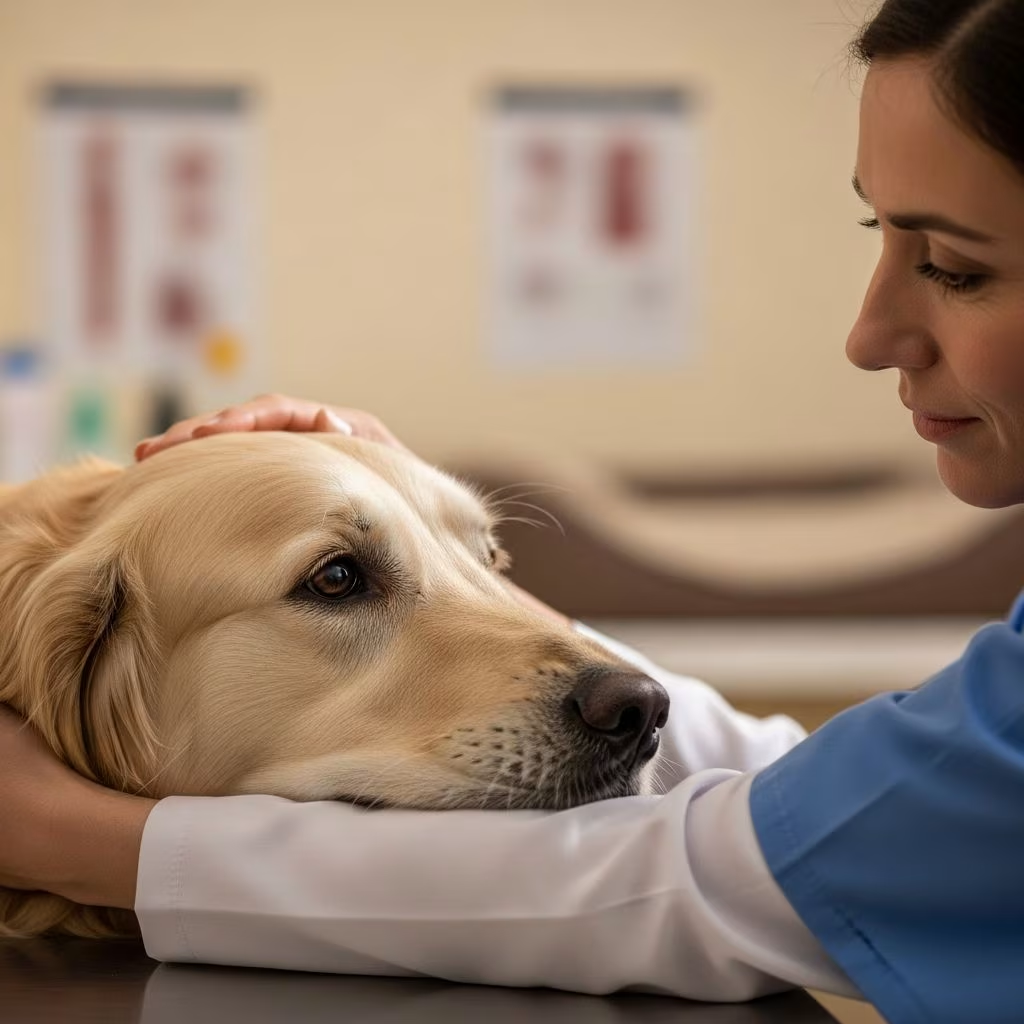
Understanding the Quality of Life Scale for Dogs
Making the decision to euthanize a beloved pet is one of the most difficult choices a dog owner must face. During these emotionally challenging times, having a clear framework to assess your dog’s well-being can provide comfort and guidance. The Quality of Life Scale, also known as the HHHHHMM or H5M2 Quality of Life Scale, is a compassionate assessment tool designed to help caregivers evaluate their pet’s condition from the dog’s perspective rather than from their own emotional standpoint. This scale shifts the focus from the caregiver’s feelings of guilt and regret to what truly matters: whether your dog’s life is worth living and if they are experiencing unnecessary suffering.
The primary purpose of the Quality of Life Scale is to help pet caregivers make decisions that are genuinely in their dog’s best interest. By using this tool, you can move through the difficult end-of-life decision-making process with clarity and purpose, ensuring that any decisions you make prioritize your dog’s comfort and dignity. Whether you are managing a terminal diagnosis, chronic illness, or the natural decline that comes with aging, this scale provides a structured approach to assessing your dog’s physical and emotional well-being.
How the Quality of Life Scale Works
The Quality of Life Scale uses a straightforward scoring system where 0 represents poor quality of life and 10 represents normal or ideal quality of life. This numerical approach allows you to objectively measure different aspects of your dog’s daily experience and track changes over time. The scale assesses seven fundamental criteria that together paint a comprehensive picture of your dog’s overall well-being. By evaluating and honestly scoring these criteria, you work alongside your veterinary team to face reality and make informed decisions about your dog’s care.
One of the key features of this scale is its flexibility. You can use it on an as-needed basis—weekly, daily, or even hourly—depending on your dog’s condition and your need for assessment. This adaptability makes it useful for both long-term monitoring of chronic conditions and acute situations where changes occur rapidly. If you can improve your dog’s score on one or two failing criteria by 30 to 50 percent, the overall quality of life may improve significantly, which can justify continuing pawspice care and pursuing an integrative approach with medications designed to slow declining health conditions.
The Seven Criteria of the HHHHHMM Scale
The acronym HHHHHMM represents five H’s and two M’s, each addressing a critical component of your dog’s quality of life. Understanding what each criterion means and how to evaluate it empowers you to make comprehensive assessments of your pet’s condition.
Hurt: Pain Management and Breathing
The first H stands for hurt, which encompasses pain control and your dog’s ability to breathe properly. Pain is one of the most significant quality-of-life factors, as untreated or poorly managed pain dramatically reduces your dog’s ability to enjoy life. When evaluating this criterion, ask yourself whether your dog’s pain is well-managed with current medications or therapies. Are there signs of discomfort such as limping, reluctance to move, whimpering, or changes in posture? Does your dog require oxygen supplementation or show signs of struggling to breathe? Adequate pain management is essential to maintaining acceptable quality of life, and working with your veterinarian to adjust medications or explore new pain management options can significantly improve this score.
Hunger: Nutrition and Eating
Hunger, the second H, focuses on whether your dog is eating enough to maintain adequate nutrition. Proper nutrition is crucial for maintaining energy levels and supporting the body’s systems, especially during end-of-life care. When assessing this criterion, consider whether your dog is eating their normal amount of food, showing interest in meals, and maintaining a healthy appetite. Some dogs may benefit from hand-feeding, syringe feeding, or specialized diets tailored to their medical condition. If your dog refuses nutrition entirely, quality of life will decline rapidly toward death. Working with your veterinarian to find appealing food options, adjust feeding schedules, or explore alternative feeding methods can help maintain this important aspect of well-being.
Hydration: Water Intake and Fluid Balance
The third H represents hydration, which is essential for maintaining bodily functions and overall health. Adequate water intake supports kidney function, digestion, and temperature regulation. When evaluating hydration, observe whether your dog is drinking normal amounts of water, showing interest in drinking, and maintaining proper fluid balance. Some dogs may need encouragement to drink, while others may benefit from water bowls placed in convenient locations or the addition of wet food to their diet. Dehydration can accelerate decline, so ensuring your dog has consistent access to fresh water and monitoring intake is important.
Hygiene: Cleanliness and Comfort
Hygiene, the fourth H, refers to your dog’s ability to maintain cleanliness and their comfort level with their physical condition. This includes whether your dog can manage their bathroom needs appropriately, maintain a clean coat, and feel comfortable in their environment. Dogs experiencing incontinence, excessive shedding, or inability to groom themselves may feel distressed or uncomfortable. Caregivers can address hygiene concerns through regular bathing, the use of washable pads, frequent changes of bedding, and assistance with grooming. Maintaining good hygiene contributes significantly to your dog’s emotional well-being and sense of dignity.
Happiness: Joy, Interest, and Emotional Well-being
The fifth H stands for happiness, which encompasses your dog’s emotional state and engagement with life. The human-animal bond is a treasured relationship that should be maintained during pawspice care, and happiness is fundamentally about whether your dog is still enjoying that bond. Does your dog express joy and interest in their surroundings? Are they responsive to family members, toys, or favorite activities? Conversely, is your dog showing signs of depression, loneliness, anxiety, boredom, or fear? A non-responsive dog is no longer enjoying the human-animal bond, which is a significant driver for continuing life. If there is no tail wagging, no happy facial expressions, no snuggling, and no two-way exchange of love, your dog may be enduring poor quality of life. You can help maintain happiness by moving your dog’s bed closer to family activities, engaging them in gentle play, and ensuring they feel connected to their loved ones.
Mobility: Movement and Physical Function
The first M represents mobility, which addresses your dog’s ability to move around and engage in physical activity. Providing care for a dog with limited mobility becomes increasingly demanding, particularly with larger breeds. When assessing mobility, consider whether your dog can get up without assistance, whether they need floor mats to prevent slipping, and if they require human or mechanical help to walk, such as a ramp, lifting harness, or wheeled cart. Does your dog show interest in going for walks, or do they prefer to remain stationary? While some dogs with limited mobility but who are otherwise alert, happy, and responsive can still have a good quality of life, severe immobility combined with other declining factors may indicate that quality of life is compromised.
More Good Days Than Bad Days: Overall Life Satisfaction
The second M addresses whether your dog is experiencing more good days than bad days. Animals do not live for the future; they only know the present moment. If that present moment is characterized by continuous pain or suffering, it becomes too frustrating and inhumane for them to continue living. When bad days outnumber good days, quality of life might be too compromised to justify continued care. Caregivers must recognize that when a healthy human-animal bond is no longer possible and suffering outweighs comfort, the end may be near. Keeping a journal of good days and bad days can help you track patterns and make more objective assessments.
Scoring and Interpreting the Scale
Once you have evaluated each of the seven criteria on a scale of 0 to 10, add up all the scores to obtain a total. A total score over 35 points represents an acceptable quality of life that supports continuing with pet hospice care. Scores below 35 may indicate that quality of life is declining and that conversations with your veterinarian about end-of-life options become increasingly important. However, the numerical score is only part of the picture. Context matters, and your veterinarian can help you interpret what the scores mean for your individual dog and their specific medical situation.
Practical Application in End-of-Life Care
The Quality of Life Scale becomes particularly valuable as a management tool during pawspice care. By simultaneously and consistently focusing on pain and symptom management while using the scale to track progress, caregivers can often extend survival times while improving quality of life for end-of-life patients. This approach provides room for palliative medications that slow life-limiting diseases without pursuing aggressive treatments that may cause additional suffering.
Real-world examples demonstrate the scale’s effectiveness. Consider a dog named Marley who was managing pancreatic cancer with symptomatic treatment. Initially dealing with vomiting and diarrhea, Marley’s caregivers worked with her veterinary team to assess her condition using the Quality of Life Scale, discovering she had a high score indicating good quality of life. By implementing a comprehensive care plan including supplements, low-dose chemotherapy, and management of incontinence, Marley’s caregivers were able to continue providing care rather than immediately pursuing euthanasia. At her four-month recheck, her caregivers reported that she seemed to be getting younger. This example illustrates how the scale provides a pathway for making informed decisions that balance extending life with maintaining quality.
When to Consider Euthanasia
The Quality of Life Scale helps caregivers recognize when euthanasia becomes a compassionate choice. If quality-of-life scores consistently remain low despite interventions, if your dog is experiencing more bad days than good days, or if multiple criteria are severely compromised with no realistic hope for improvement, it may be time to consider euthanasia as a gift of compassion. Euthanasia, when the time comes, provides a peaceful and painless passing that prevents unnecessary suffering.
Working with your veterinarian is crucial during this process. Your vet can help you understand what the scores mean, explore treatment options that might improve scores, and ultimately guide you toward decisions that truly serve your dog’s best interests. Veterinarians who specialize in palliative care and hospice are particularly skilled at helping families navigate these difficult decisions.
Supporting Your Dog’s Quality of Life
Beyond using the scale to make decisions, understanding these seven criteria empowers you to actively support your dog’s quality of life during their final months or years. This might involve:
- Working with your veterinarian to optimize pain management
- Offering favorite foods or trying new, more appealing options
- Ensuring access to fresh water and monitoring fluid intake
- Maintaining cleanliness through gentle bathing and bedding changes
- Engaging your dog in activities they enjoy within their physical limitations
- Providing mobility assistance through ramps, harnesses, or other aids
- Creating a comfortable, safe environment where your dog can rest
- Maintaining emotional connection through gentle touch and presence
Frequently Asked Questions
Q: How often should I use the Quality of Life Scale?
A: The scale can be used as frequently as needed, whether weekly, daily, or even hourly. The frequency depends on your dog’s condition and your need for assessment. During acute changes or at end-of-life stages, more frequent assessments may be helpful.
Q: What if my dog’s score improves with treatment?
A: If you can improve scores on one or two failing criteria by 30-50 percent, overall quality of life may improve significantly. This justifies continuing pawspice care and pursuing an integrative approach with medications and supportive therapies designed to slow decline.
Q: Is the Quality of Life Scale a definitive tool for deciding euthanasia?
A: While the scale provides valuable guidance, it should not be the only factor in such a significant decision. Always work with your veterinarian to interpret scores in the context of your dog’s specific medical condition, prognosis, and individual circumstances.
Q: Can my dog have a good quality of life with limited mobility?
A: Yes, some dogs with limited mobility can still have good quality of life if they are alert, happy, responsive, and not in pain. The key is evaluating all seven criteria together rather than focusing on any single factor.
Q: How do I know if my dog is in pain?
A: Signs of pain include limping, reluctance to move, whimpering, changes in posture, restlessness, or behavioral changes. Your veterinarian can help assess pain levels and recommend appropriate pain management strategies.
Q: What if I disagree with my veterinarian’s assessment?
A: It’s perfectly acceptable to seek a second opinion from another veterinarian, particularly one experienced in palliative care or hospice. Different veterinarians may offer different perspectives that help you feel more confident in your decision.
Q: Can the Quality of Life Scale be used for other species besides dogs?
A: Yes, the HHHHHMM scale has been adapted for use with various pets including cats and other animals. However, specific criteria may need adjustment based on species-specific needs and behaviors.
Conclusion
The Quality of Life Scale represents a compassionate, structured approach to evaluating your dog’s well-being during challenging times. By focusing on seven fundamental criteria—hurt, hunger, hydration, hygiene, happiness, mobility, and more good days than bad—you can make informed decisions that prioritize your dog’s comfort and dignity. Whether you ultimately choose to continue pawspice care or move toward euthanasia, this tool helps ensure that your decisions are guided by what truly matters: your beloved dog’s quality of life and freedom from unnecessary suffering. Working alongside your veterinary team and using this scale as your guide, you can navigate the end-of-life journey with confidence and compassion.
References
- Quality of Life Scale: When to Put a Dog Down — Chewy. 2024. https://www.chewy.com/education/dog/health-and-wellness/quality-of-life-scale-when-to-put-a-dog-down
- How to Assess Your Senior Pet’s Quality of Life — American Animal Hospital Association (AAHA). 2024. https://www.aaha.org/resources/how-to-assess-your-senior-pets-quality-of-life/
- How Do You Know When to Put a Dog Down? — PetMD. 2024. https://www.petmd.com/dog/care/when-to-put-dog-down
- How can I tell if my pet still has a good quality of life? — People’s Dispensary for Sick Animals (PDSA). 2024. https://www.pdsa.org.uk/pet-help-and-advice/looking-after-your-pet/all-pets/how-can-i-tell-if-my-pet-still-has-a-good-quality-of-life
- Quality of Life Scale (The HHHHHMM Scale) — Caring Pathways. 2024. https://caringpathways.com/pet-care/quality-of-life-scale/



