

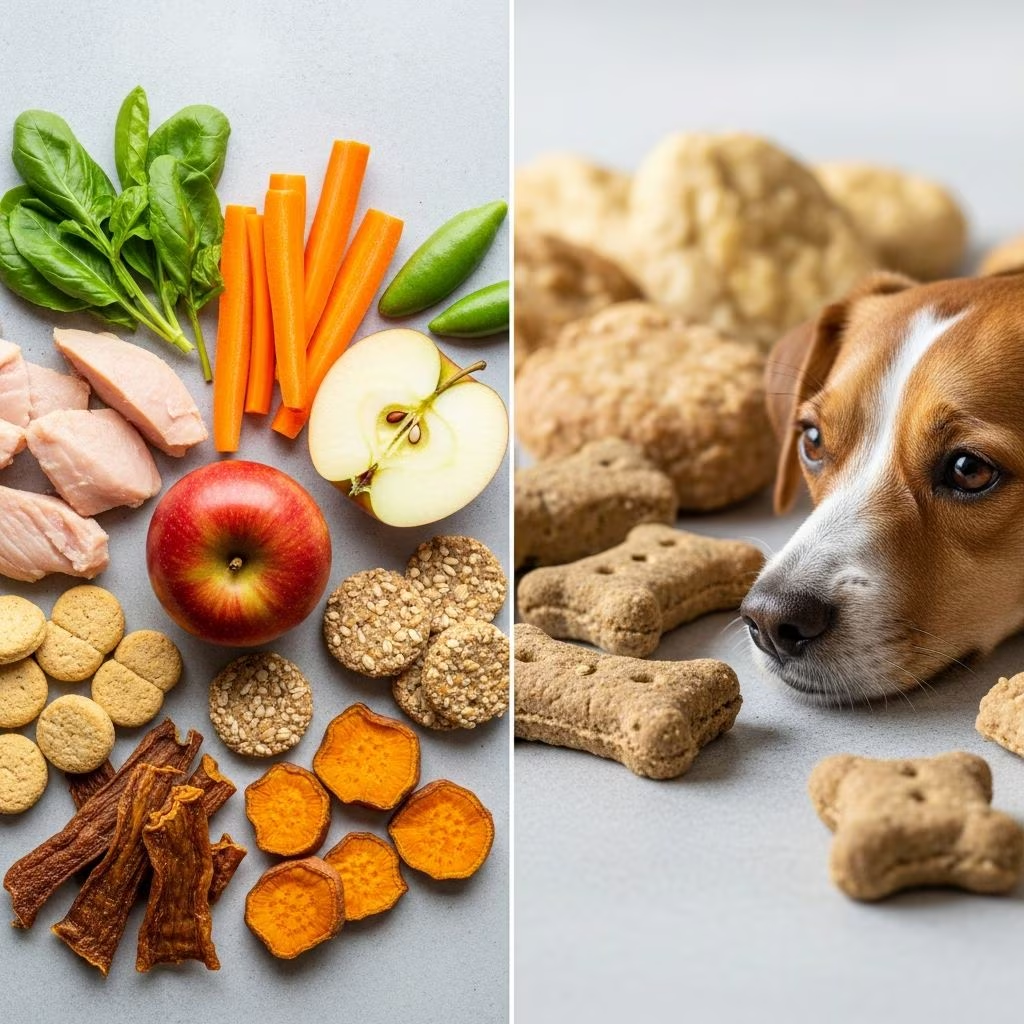
Selecting the right treats for your dog goes beyond mere indulgence; it directly influences their long-term health, energy levels, and overall vitality. With countless options lining store shelves, distinguishing between nourishing rewards and harmful snacks requires careful scrutiny of ingredients, nutritional profiles, and manufacturing practices. This guide empowers dog owners to make informed choices that align with their pet’s dietary needs and wellness goals.
Why Treats Matter in Your Dog’s Diet
Treats serve multiple purposes in a dog’s daily routine, from reinforcing training behaviors to providing moments of joy during playtime. However, they should never exceed 10% of your dog’s total daily caloric intake to prevent nutritional imbalances or weight gain. High-quality treats complement a balanced diet rich in proteins, vitamins, and minerals, supporting everything from dental health to immune function. In contrast, poor choices can contribute to obesity, digestive upset, and chronic conditions like heart disease.
Consider a typical 20-pound dog requiring about 400-500 calories daily. A single unhealthy treat packing 50 calories could represent a significant portion of their allowance, leaving less room for nutrient-dense kibble or fresh meals. Prioritizing quality ensures every bite delivers value without compromising health.
Red Flags: Ingredients to Avoid in Dog Treats
Many commercial treats hide problematic components under appealing labels. Spotting these early prevents potential harm. Here’s what to watch for:
- Artificial Colors and Flavors: These synthetic additives mimic bacon or meat scents but offer no nutritional benefit and may trigger allergies or organ stress over time.
- Chemical Preservatives like BHA, BHT, or Hydrogenated Oils: Designed for shelf stability, they link to increased risks of cancer and cardiovascular issues in long-term studies.
- Excessive Sugars, Corn Syrup, or Salts: These promote dental decay, thirst, and hypertension, mirroring human junk food pitfalls.
- Fillers such as Corn, Wheat By-Products, or Soy: Low-cost bulking agents with minimal digestibility, often leading to bloating or allergies.
- Rawhide and Certain Chews: Prone to splintering, choking hazards, and bacterial contamination, they burden digestion without true nutritional gains.
Avoiding these keeps your dog’s system free from unnecessary toxins. Always flip to the ingredient list first— the first five items reveal the treat’s true foundation.
Hallmarks of Premium Dog Treats
Superior treats prioritize whole, recognizable ingredients that mirror a dog’s natural diet. Look for products listing real meats, vegetables, and fruits at the top, with minimal processing. Key indicators include:
- High-Quality Proteins: Named sources like chicken, beef, or fish as the primary ingredient, providing essential amino acids for muscle maintenance.
- Natural Preservatives: Vitamin E (tocopherols), rosemary extract, or mixed tocopherols extend freshness without chemicals.
- Limited Ingredients: Fewer than 10 components reduce allergy risks and ensure transparency.
- Grain-Free or Low-Grain Options: Ideal for sensitive stomachs, featuring alternatives like sweet potatoes or peas for fiber and sustained energy.
- Functional Add-Ins: Probiotics for gut health, glucosamine for joints, or omega-3s from fish oil for coat shine.
These elements ensure treats contribute positively, perhaps even addressing specific needs like dental care through textured biscuits lower in fat.
Comparing Treat Types: A Breakdown
Not all treats suit every dog. Use this table to match options with your pet’s preferences and health profile:
| Treat Type | Pros | Cons | Best For |
|---|---|---|---|
| Meaty Jerky | High protein, palatable | Potential high fat/sodium if processed | Active adults (check labels) |
| Biscuits/Crunchy | Low calorie, dental benefits | May lack appeal for picky eaters | Weight management, seniors |
| Soft Chews | Quick training rewards | Shorter shelf life | Puppies, quick sessions |
| Freeze-Dried | Minimal processing, nutrient retention | Higher cost | All ages, raw diet fans |
| Vegetable-Based | Low fat, high fiber | Less motivating for meat lovers | Dogs with allergies |
This comparison highlights how variety prevents boredom while tailoring to lifestyle—jerky for hikes, biscuits for couch potatoes.
Health Risks of Unhealthy Treats Exposed
Feeding subpar treats accumulates risks over time. High-fat jerky or meat mimics elevate obesity odds, with overweight dogs facing 2-3 times higher diabetes rates. Sodium overload strains kidneys, especially in breeds like Bulldogs prone to heart issues. Sugary snacks erode enamel, fostering infections.
Toxic human foods disguised as treats—chocolate, grapes, onions, garlic—pose acute dangers, causing anemia or organ failure even in tiny amounts. Rawhide chews splinter into gastrointestinal blockages, sometimes requiring surgery. Long-term artificial additive exposure correlates with hyperactivity and weakened immunity.
Moderation mitigates some risks, but prevention through selection is key. Monitor your dog’s weight weekly and adjust treat volume accordingly.
DIY Treats: Safe, Simple Recipes for Home
Crafting treats at home guarantees control over quality. Start with basic recipes using pantry staples:
Peanut Butter Bites
- 1 cup oat flour
- 1/2 cup natural peanut butter (xylitol-free)
- 1/4 cup pumpkin puree
- 1 egg
Mix, roll into balls, bake at 350°F for 15 minutes. Yields 20 low-calorie rewards packed with fiber and healthy fats.
Chicken Veggie Jerky
- 1 lb boneless chicken breast
- 1 carrot, pureed
- 1 tsp parsley
Slice thin, dehydrate at 165°F for 6 hours. Protein-rich and free of additives.
These cost less than store-bought and allow customization for allergies. Store in airtight containers for up to two weeks.
Training and Enrichment with Smart Treats
Beyond nutrition, treats enhance behavior. Opt for small, soft pieces under 5 calories each for rapid reinforcement during sits, stays, or recalls. Puzzle toys stuffed with crumbled healthy treats build mental acuity, reducing boredom-induced chewing.
For potty training puppies, pair tiny rewards with praise to accelerate learning. In agility classes, higher-value options like freeze-dried liver motivate peak performance without digestive upset.
Frequently Asked Questions (FAQs)
Can treats replace dog food?
No. Treats should comprise no more than 10% of calories; the rest from complete meals.
Are grain-free treats always better?
Not necessarily—some dogs thrive on grains. Choose based on your pet’s tolerances.
What if my dog loves junk treats?
Transition gradually by mixing with healthier versions over 1-2 weeks.
How many treats per day?
Depends on size: 5-10 small for toy breeds, 15-20 for large. Consult calorie needs.
Are dental treats effective?
Yes, crunchy varieties reduce plaque when combined with brushing.
Storage and Shelf Life Tips
Preserve freshness with resealable packaging—glass jars or zip bags. Refrigerate soft treats; freeze extras for months-long viability. Check for mold or off odors before offering.
Buying in bulk saves money but rotate stock to avoid staleness, which diminishes appeal and nutrition.
References
- Good Dog Treats And Bad Dog Treats — LORD JAMESON. 2023. https://www.lordjameson.com/blogs/news/good-dog-treats-and-bad-dog-treats
- What Dog Treats to Avoid and Healthy Alternatives — Willow Glen Pet Hospital. 2024. https://willowglenpethospital.com/dog-treats-to-avoid/
- Are Treats Good for Dogs? How to Find Healthy Dog Treats — PetMD. 2025-03-15. https://www.petmd.com/dog/nutrition/are-treats-good-for-dogs
- The Difference Between Quality Dog Treats and Unhealthy Dog Treats — Whole Dog Journal. 2024. https://www.whole-dog-journal.com/food/the-difference-between-quality-dog-treats-and-unhealthy-dog-treats/
- Choosing a healthy dog treat — Merck Animal Health USA. 2023. https://www.merck-animal-health-usa.com/pet-owners/food/treat/choosing-a-healthy-dog-treat/
- The Ultimate Guide to Healthy Dog Treats — Bone & Biscuit. 2024. https://boneandbiscuit.ca/the-ultimate-guide-to-healthy-dog-treats-ingredients-to-look-for-and-avoid/
- Vet Ranks Popular Dog Treats From Best to WORST — YouTube (Tula Vet Nutrition). 2024-06-10. https://www.youtube.com/watch?v=eUn2U8s3RHI



