

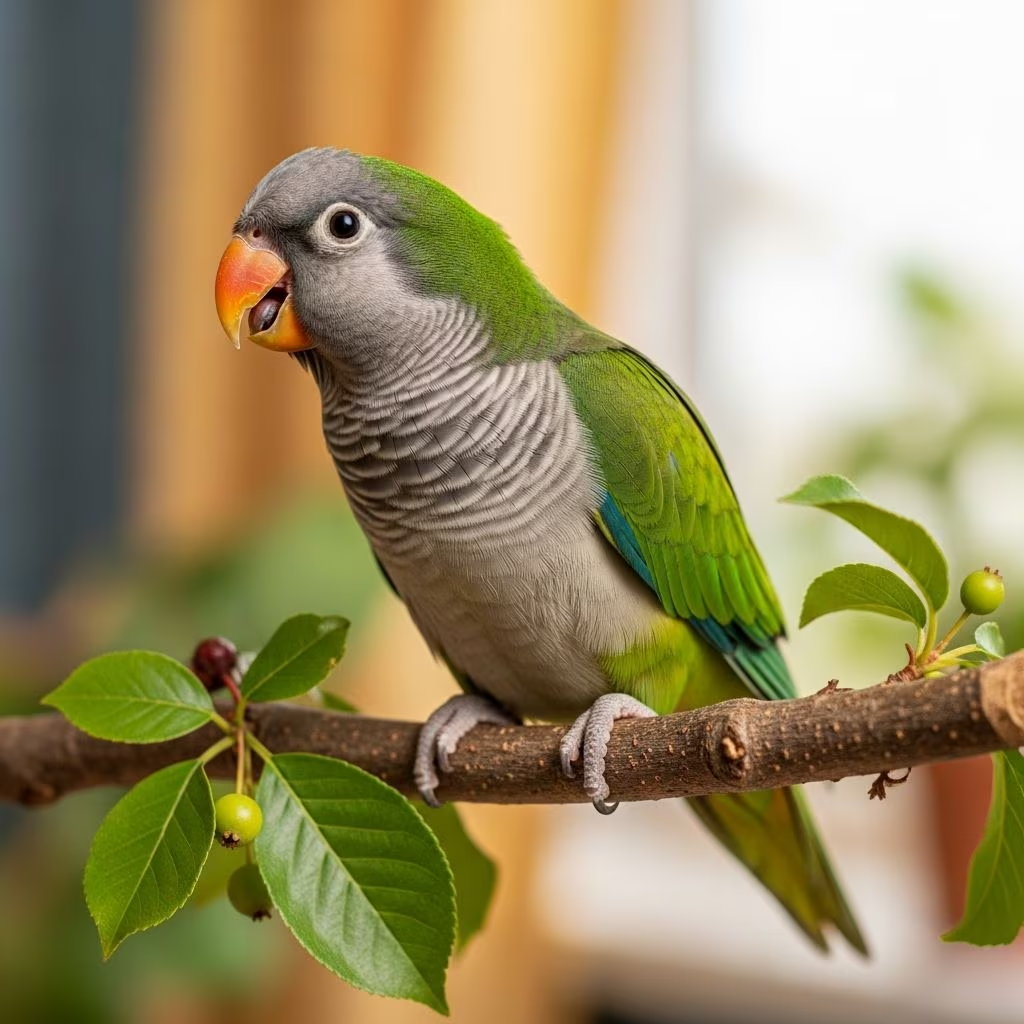
Why Quaker Parrots Make Great Pet Birds
Quaker parrots, also known as Monk parakeets, have become increasingly popular as pet birds due to their remarkable personality, intelligence, and ability to form strong bonds with their human caregivers. These charismatic birds are known for their playful nature, vocal abilities, and entertaining antics that bring joy and laughter to any household. Whether you are a first-time bird owner or an experienced avian enthusiast, Quaker parrots offer a rewarding and fulfilling pet ownership experience that can last decades.
Unlike some larger parrot species, Quaker parrots are more manageable in size while still possessing the intelligence and personality traits that make parrots such captivating companions. They are curious, social creatures that thrive on interaction and mental stimulation. With proper socialization, training, and care, a Quaker parrot can become an affectionate and devoted family member that brings entertainment and companionship to your daily life.
Understanding Quaker Parrot Characteristics
Quaker parrots are medium-sized parrots with distinctive green plumage on their backs and wings, combined with a gray face and chest. Their appearance is striking and beautiful, making them visually appealing to bird enthusiasts. Beyond their physical beauty, these birds are renowned for their exceptional intelligence and problem-solving abilities.
These intelligent birds possess remarkable cognitive abilities comparable to that of a young child. They can learn words, tricks, and commands with consistent training and positive reinforcement. Many Quaker parrots develop impressive vocabularies and can string words together to form simple sentences. This intelligence makes them interactive and engaging pets that can surprise their owners with their wit and responsiveness.
Quaker parrots are highly social birds with strong flock instincts. In the wild, they live in large colonies and maintain close bonds with their companions. As pet birds, they seek similar social connections with their human families. They crave attention, interaction, and quality time with their caregivers. Regular social engagement is not just a nice-to-have; it is essential for their emotional well-being and mental health.
Housing and Cage Requirements
Providing an appropriate living space is fundamental to your Quaker parrot’s health and happiness. The cage serves as your bird’s home and should be spacious, well-designed, and enriching. When selecting a cage, size matters significantly. Your Quaker parrot should have a cage that is at least 24″ x 30″ x 24″ in size, though larger accommodations are always better if your living space allows. A larger cage provides more room for movement, climbing, and exercise, which are crucial for maintaining physical fitness and preventing behavioral issues.
The cage construction is equally important. A wrought-iron parrot cage that is free of rust and chips is ideal. The bar spacing should be between 1/2″ to 5/8″ to prevent escape or injury. Horizontal bars are preferable to vertical bars as they allow your bird to climb more naturally and engage their climbing instincts. Ensure the cage has multiple perches made from natural wood or other safe materials, as perches of varying diameters help maintain foot health and prevent pressure sores.
Location and environmental conditions play a vital role in your Quaker parrot’s well-being. Place the cage in a quiet area away from direct sunlight, drafts, and extreme temperature fluctuations. Quaker parrots are sensitive to temperature extremes, so maintain a comfortable environment between 65-75°F. Position the cage in a family-centered, busy room to make your Quaker feel like part of the flock. They thrive when they can see and hear family members, even if not directly interacting at that moment.
Proper lighting is essential for your Quaker parrot’s physiological and psychological health. These birds should be exposed to UVB light for at least 3-4 hours daily. This can be achieved by placing a fluorescent UVB bulb in the cage or by placing the cage outside in a shaded area during warm weather with water and shelter available. UVB light supports calcium metabolism and overall bone health, preventing serious conditions like metabolic bone disease.
Regular cage maintenance is non-negotiable. Clean the cage thoroughly at least once weekly, removing soiled bedding, uneaten fresh food, and droppings. Food and water bowls should be washed and rinsed thoroughly each day to prevent bacterial growth and foodborne illness. Maintaining a clean environment significantly reduces the risk of respiratory infections and other health problems.
Enrichment and Toys
Mental stimulation is crucial for preventing boredom and destructive behaviors in Quaker parrots. These intelligent birds require a variety of toys and activities to keep their sharp minds engaged. Your Quaker should have at least three different types of toys available in the cage at all times. Rotate toys regularly, removing old ones and introducing new ones to maintain novelty and prevent habituation.
Quaker parrots enjoy diverse toy types including swings, foraging toys, plastic puzzle toys, wooden chew toys, shredding toys, and bells. These birds have strong nest-building instincts, so providing sticks or weaving materials in the cage satisfies this natural behavior. However, supervise them when they’re out of the cage to prevent them from using inappropriate materials like wires or toxic items for nest building.
Out-of-cage time is essential for your Quaker parrot’s physical and mental well-being. Allow your bird to fly and explore a safe, supervised area outside their cage for at least a few hours daily. A play stand on top of the cage makes an excellent place for your bird to spend time while out of its confined space. This out-of-cage time provides exercise opportunities, prevents obesity, and strengthens the bond between you and your feathered companion.
Proper Nutrition and Diet
Maintaining a balanced, nutritious diet is fundamental to your Quaker parrot’s long-term health and vitality. A good rule of thumb is to provide a daily mix consisting of 60% high-quality pellets, 30% fresh fruits and vegetables, and 10% grains and seeds. This balanced approach ensures your bird receives all necessary vitamins, minerals, and nutrients for optimal health.
High-quality pellets should form the foundation of your Quaker’s diet. Look for pellets specifically formulated for medium-sized parrots and avoid those with artificial colors, flavors, or excessive fillers. Supplement the pellet diet with a varied seed mix, but be cautious about fattening seeds like sunflower seeds and peanuts, which can lead to obesity and fatty liver disease when consumed in excess.
Fresh fruits and vegetables should be offered daily, providing variety and essential micronutrients. Red and orange fruits and vegetables are particularly important as they contain vitamin A, which is crucial for eye health and immune function. Remove any uneaten fresh food after a maximum of 24 hours to prevent mold growth and bacterial contamination.
Calcium is the only supplement necessary for an adequately fed Quaker parrot. Provide calcium through a cuttlebone or calcium block, which your bird can gnaw on as needed. Always provide fresh, clean water, and wash food and water dishes daily to maintain cleanliness and prevent bacterial growth.
There are certain foods that should never be fed to your Quaker parrot. Chocolate and avocado are highly toxic to birds and can cause serious health complications. Avoid giving your bird salt, caffeine, or foods high in fat and sodium. When in doubt about whether a food is safe, consult your avian veterinarian.
Socialization and Training
Proper socialization and training are essential for developing a well-adjusted, friendly Quaker parrot. Start by handling your bird gently from an early age to ensure they become comfortable with human touch. Offer treats and rewards while gradually introducing them to being touched on different parts of their body. This process helps them become accustomed to being handled, making veterinary visits and grooming sessions less stressful.
Consistent positive reinforcement is key to successful training. Reward desired behaviors with treats, praise, and attention. This approach helps your Quaker learn commands, tricks, and appropriate social behaviors. Patience is essential, as learning takes time and repetition. Never use punishment or negative reinforcement, as this can lead to fear, aggression, and behavioral problems.
While Quaker parrots are generally affectionate and social, they can exhibit aggressive behavior if not properly socialized and trained. This can include biting, screaming, or feather plucking. These behaviors often signal underlying issues such as boredom, lack of social interaction, or inappropriate living conditions. With consistent positive reinforcement and patient training, these behaviors can be corrected, and a loving bond can be formed.
Provide plenty of toys, puzzles, and activities to keep your Quaker mentally stimulated and content. They thrive in an environment that challenges them intellectually and encourages physical exercise. Regular out-of-cage time and social interaction with human caregivers are crucial for their emotional well-being and preventing destructive behaviors.
Health and Veterinary Care
Regular veterinary care is essential to ensure your Quaker parrot lives a long, healthy life. Schedule regular checkups with an avian veterinarian, particularly when you first bring your bird home and annually thereafter. These checkups help maintain overall health and catch potential problems early.
Routine grooming is an important part of health maintenance. Your Quaker may require wing clipping to prevent escape and manage flight, though this should only be done by professionals or under veterinary guidance. Regular nail trims are also necessary to prevent overgrowth and discomfort. Because Quakers are light-bodied birds, their wings may need to be trimmed significantly to avoid escape.
Offer your bird a bird bath at least twice weekly to maintain clean, healthy feathers. Bathing is important for feather maintenance and overall hygiene. Many Quaker parrots enjoy water and will appreciate the opportunity to splash and clean themselves. Never use styptic powder on your bird’s skin if bleeding occurs; instead, contact your veterinarian immediately.
Lifespan and Long-Term Commitment
One of the most important considerations before adopting a Quaker parrot is understanding the long-term commitment involved. Quaker parrots have an average lifespan of 20 to 30 years, though some can live even longer with proper care. This longevity means that adopting a Quaker parrot is not a casual decision but a significant, decades-long commitment.
Before bringing a Quaker parrot into your home, ensure that you have the time, resources, and commitment to provide them with a suitable environment and proper care throughout their entire life. This includes regular veterinary checkups, a balanced diet, mental stimulation, and consistent social interaction. Consider your living situation, financial resources, and lifestyle to ensure you can meet these needs for the next two to three decades.
Frequently Asked Questions About Quaker Parrots
Q: What is the difference between a Quaker parrot and a Monk parakeet?
A: Quaker parrot and Monk parakeet are two names for the same bird species (Myiopsitta monachus). They are called Quakers because of their resemblance to Quaker religious dress, while the term Monk parakeet refers to their monastic appearance.
Q: How much does a Quaker parrot cost?
A: The cost of a Quaker parrot varies depending on whether you adopt from a rescue organization or purchase from a breeder. Adoption fees typically range from $50-$150, while breeder prices can range from $300-$1,000 or more depending on the bird’s quality and lineage.
Q: Can Quaker parrots live alone?
A: While Quaker parrots are social birds that thrive on interaction, they can live alone with your human family as their flock. However, they require significant daily attention and interaction to prevent loneliness and behavioral problems.
Q: How loud are Quaker parrots?
A: Quaker parrots are vocal birds known for their loud calls and screaming, particularly at dawn and dusk. If noise is a concern, apartment living may not be ideal, and you should consider your tolerance for bird vocalizations before adopting.
Q: Are Quaker parrots good for beginners?
A: Yes, Quaker parrots are generally good for beginner bird owners due to their smaller size, relative hardiness, and trainability compared to larger parrot species. However, they still require significant commitment, time, and resources.
Q: What is the best cage size for a Quaker parrot?
A: The minimum recommended cage size is 24″ x 30″ x 24″, though larger is always better. A bigger cage allows for more movement, climbing, and exercise, which supports better physical and mental health.
Q: Can Quaker parrots learn to talk?
A: Yes, Quaker parrots are excellent talkers and can develop impressive vocabularies. With consistent training and positive reinforcement, many Quakers learn numerous words and can string them together to form simple sentences.
Q: What should I do if my Quaker parrot is screaming excessively?
A: Excessive screaming often indicates boredom, lack of social interaction, or inappropriate living conditions. Increase enrichment, provide more toys and out-of-cage time, and spend more quality time with your bird. If behavior persists, consult with an avian veterinarian to rule out underlying health issues.
Creating the Perfect Home for Your Quaker Parrot
Quaker parrots make wonderful companions for those willing to commit to their care and well-being. These intelligent, social, and entertaining birds can bring decades of joy, laughter, and companionship to your life. By understanding their unique characteristics and providing appropriate housing, nutrition, enrichment, socialization, and veterinary care, you can create a fulfilling and enriching environment for your feathered friend.
Before bringing a Quaker parrot into your home, carefully consider whether you can meet their needs for the next 20-30 years. Ensure you have the time, resources, and commitment necessary to provide them with a balanced diet, spacious cage, mental stimulation, regular social interaction, and access to avian veterinary care. With love, dedication, and proper care, your Quaker parrot will thrive and become a beloved member of your family, providing endless entertainment and affection throughout its life.
References
- The Ultimate Guide to Quaker Parrot Care: Everything You Need to Know — We Know Pets. 2024. https://www.weknowpets.com.au/blogs/news/the-ultimate-guide-to-quaker-parrot-care-everything-you-need-to-know
- Quaker Parrot (Monk Parakeet) – Profile & Care Guide — Parrot Essentials. 2024. https://parrotessentials.co.uk/blog/quaker-parrot-monk-parakeet-profile-care-guide
- Specialized Care for Avian & Exotic Pets: Quaker Parrot Care Sheet — Buffalo Bird Nerd & Specialized Care for Avian & Exotic Pets. 2024. https://www.buffalobirdnerd.com/
- Quaker Parakeet Care — Animal Humane Society. 2024. https://www.animalhumanesociety.org/resource/quaker-parakeet-care



