
Quail Bronchitis: Prevention, Diagnosis, And Management
Essential insights into quail bronchitis: symptoms, causes, prevention, and management for healthy flocks.
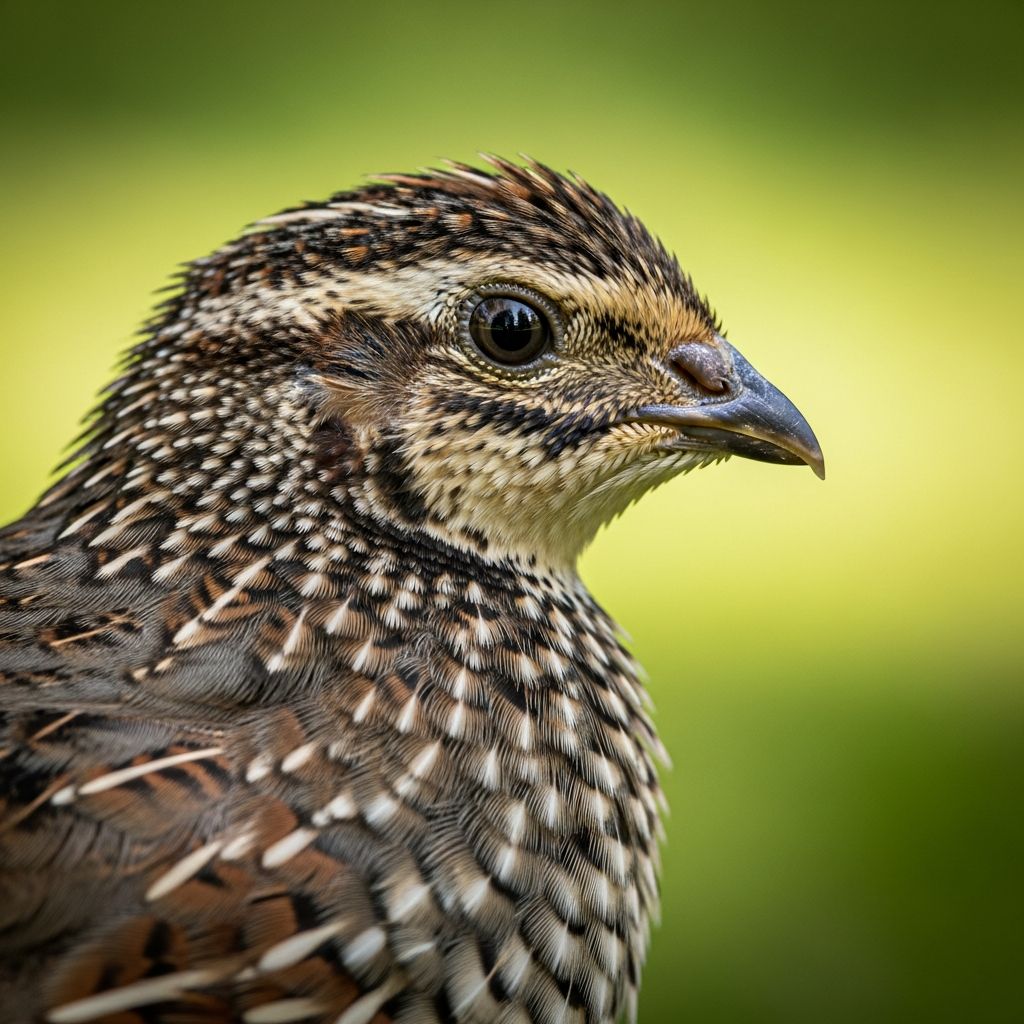
Quail bronchitis represents a significant health challenge primarily for bobwhite quail, triggered by a specific avian adenovirus that targets the respiratory system. This condition leads to acute outbreaks with high mortality rates, especially among young birds, demanding vigilant management from poultry keepers.
Understanding the Disease Basics
At its core, quail bronchitis is an infectious respiratory disorder that spreads rapidly within susceptible populations. Unlike many poultry ailments, it spares Japanese Coturnix quail, focusing its impact on bobwhite varieties common in regions like the southern United States where they are bred for release into hunting areas. The pathogen persists in infected flocks throughout breeding cycles, infecting successive hatches and perpetuating the disease cycle.
The virus belongs to the adenovirus family, closely related to strains affecting chickens like the chicken embryo lethal orphan virus, though it causes subclinical infections in those species. In bobwhite quail, it provokes severe inflammation in the trachea, bronchi, and lungs, often compounded by secondary bacterial invaders.
Recognizing Clinical Manifestations
Early detection hinges on observing distinct symptoms that emerge swiftly post-infection. Signs typically appear 2-7 days after exposure, with rapid flock-wide dissemination marking the outbreak’s onset.
- Respiratory Distress: Birds display tracheal rales (rattling sounds), persistent sneezing, coughing, and open-mouth breathing, signaling airway obstruction.
- Ocular and Nasal Issues: Watery eyes, conjunctivitis, and nasal discharges contribute to unthriftiness and dehydration.
- Behavioral Changes: Affected quail huddle, exhibit droopy wings, ruffled feathers, depression, and reduced feed/water intake.
- Gastrointestinal Signs: Loose, watery feces appear in subacute cases, alongside occasional neurological symptoms like neck twisting.
Mortality surges dramatically in chicks under 3-4 weeks, often exceeding 50%, while older birds suffer milder effects but face lasting reproductive setbacks.
How the Virus Spreads
Transmission occurs via multiple routes, amplifying its contagious nature. Airborne particles from coughing birds, direct contact with infected feces or secretions, and mechanical transfer via equipment or personnel facilitate spread.
| Transmission Mode | Description | Prevention Focus |
|---|---|---|
| Airborne | Droplets from sneezes/coughs | Ventilation, spacing |
| Contact | Shared surfaces, birds | Sanitation protocols |
| Mechanical | Hands, tools, feed | Disinfection routines |
Flocks remain carriers post-recovery, shedding virus and risking new hatches. Environmental factors like crowding exacerbate outbreaks.
Pathological Changes in Affected Birds
Post-mortem examinations reveal hallmark lesions confirming suspicion. Excessive mucus fills the trachea and bronchi, with inflammation extending to air sacs and lung hila, appearing consolidated and red.
- Trachea and bronchi show necrotizing, proliferative changes with lymphocytic and heterophilic infiltrates.
- Lungs exhibit bronchial exudate and occasional hepatic necrosis foci.
- Electron microscopy detects viral particles in epithelial cells.
These findings distinguish it from mere bacterial pneumonias, underscoring the viral primacy.
Diagnostic Approaches
Confirming quail bronchitis requires integrating clinical history, signs, necropsy, and lab tests. Serological assays and virus isolation from tissues provide definitive identification.
Key Diagnostic Steps:
- Observe flock signs and rapid spread.
- Perform necropsies for respiratory lesions.
- Submit samples for virus isolation and PCR.
Differential Diagnosis Essentials
Several conditions mimic quail bronchitis, necessitating careful differentiation to guide interventions.
| Condition | Key Distinguishing Features |
|---|---|
| Newcastle Disease/Avian Influenza | Wider species impact, nasal discharge prominent, high embryo mortality. |
| Mycoplasmosis | Chronic sinusitis, slower onset; often co-occurs. |
| Coccidiosis | Intestinal lesions dominant, bloody droppings. |
| Aspergillosis | Moldy feed history, fungal elements in lungs. |
| Infectious Laryngotracheitis | Bloody tracheal exudate, diphtheric membranes. |
Absence of nasal discharge in pure cases helps rule out some viral analogs.
Management and Treatment Strategies
No antiviral cure exists, shifting focus to supportive care and secondary infection control. Antibiotics target complicating mycoplasma or bacteria.
- Antibiotics: Tylosin (500g/ton feed for 10 days, 5-day break, 5 more days) or erythromycin in water.
- Supportive Measures: Maintain warmth, hydration, electrolytes; anti-inflammatories and diuretics if edema present.
- Isolation: Separate affected from healthy birds promptly.
Survivors gain immunity but may show reduced egg production, fertility, and hatchability long-term.
Prevention and Control Measures
Proactive biosecurity forms the cornerstone of prevention, given the lack of vaccines.
- Biosecurity: All-in-all-out systems, footbaths, limited visitors.
- Sanitation: Disinfect housing between batches; remove litter thoroughly.
- Stock Selection: Source from clean flocks; monitor for carriers.
- Environment: Optimal ventilation, low density to curb airborne spread.
Young birds under 7 weeks demand extra vigilance, as they bear the brunt.
Impact on Quail Farming
Outbreaks disrupt production, slashing chick survival and breeder performance. In hunting preserve operations, losses cascade to release stocks. Economic toll includes treatment costs and flock replacements, emphasizing integrated health programs.
Research gaps persist, particularly on wild quail implications and cross-species dynamics, urging ongoing studies.
FAQs
Is quail bronchitis contagious to other poultry?
Yes, the virus infects chickens and turkeys subclinically but does not cause disease there.
Can adult quail recover fully?
Older birds experience milder symptoms and immunity post-recovery, though reproduction may suffer.
What is the mortality rate in young quail?
Often over 50%, potentially higher in chicks under 3 weeks.
Are there vaccines available?
No commercial vaccines exist; prevention relies on management.
How do I differentiate from infectious bronchitis?
Quail bronchitis lacks prominent nasal discharge; lesions are more tracheobronchial.
References
- Quail Bronchitis – Small and backyard poultry — University of Kentucky. Accessed 2026. https://poultry.extension.org/articles/poultry-health/common-poultry-diseases/quail-bronchitis/
- PS47/PS044: Common Poultry Diseases — University of Florida. Accessed 2026. https://edis.ifas.ufl.edu/publication/PS044
- Quail Bronchitis — Journal of Wildlife Diseases (BioOne). 1967-01-01. https://bioone.org/journals/Journal-of-Wildlife-Diseases/volume-3/issue-1/0090-3558-3.1.10/Quail-Bronchitis1/10.7589/0090-3558-3.1.10.full
- Bobwhite Quail Production 4 — The Poultry Site. Accessed 2026. https://www.thepoultrysite.com/articles/bobwhite-quail-production-4
- Adenovirus Infections Quail Bronchitis — University of Technology (cvet.tu.edu.iq). Accessed 2026. https://cvet.tu.edu.iq/images/vetmednew/files/new-24-25/4th/poultry%20disease%20abduljabar%20nawar%20ismail/ismail/Adenovirus%20Infections%20Quail%20Bronchitis.pdf
- Respiratory Diseases of Gallinaceous Birds — PMC – NIH. 2020. https://pmc.ncbi.nlm.nih.gov/articles/PMC7110668/
Similar Articles








Read full bio of Sneha Tete


