

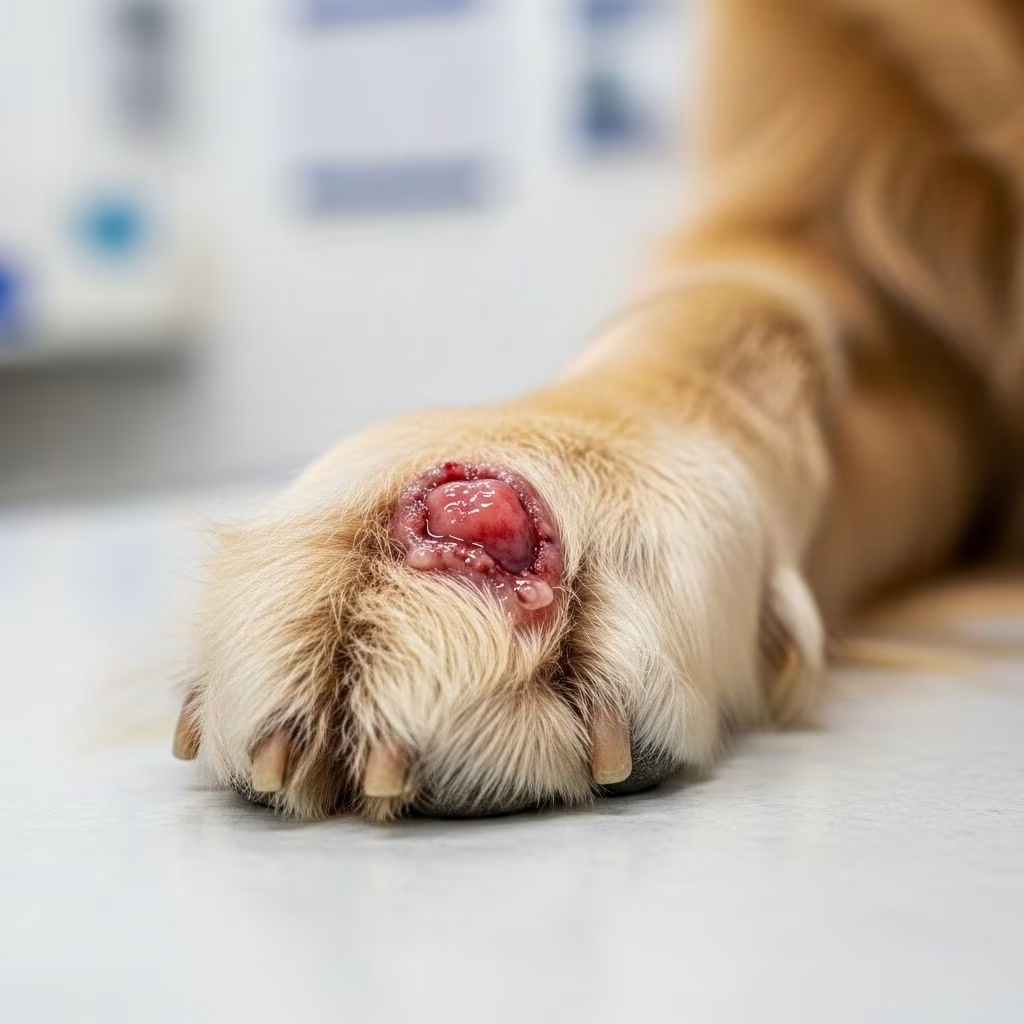
Pythiosis in Dogs: A Comprehensive Guide
Pythiosis, also known as oomycosis or lagenidiosis, is a serious and often life-threatening fungal infection in dogs caused by the pathogenic organism Pythium insidiosum. This water mold infection affects the gastrointestinal tract, skin, respiratory system, and occasionally the central nervous system. While pythiosis is relatively uncommon in dogs, it requires immediate veterinary attention due to its aggressive nature and potentially fatal consequences if left untreated.
Understanding Pythiosis: What It Is and How Dogs Get Infected
Pythium insidiosum is an aquatic pathogen found in warm, stagnant water environments such as lakes, ponds, swamps, and marshes. Dogs typically contract pythiosis through exposure to contaminated water during swimming, wading, or hunting activities in endemic areas. The infection occurs when the organism enters through open wounds, skin abrasions, or the gastrointestinal tract.
Interestingly, most dogs naturally possess some resistance to Pythium insidiosum. Dogs that develop pythiosis typically have compromised immune systems, either due to genetic factors or injuries that allow the pathogen to establish infection. Large-breed dogs under six years of age are most commonly affected, particularly those actively involved in hunting or field trial activities in and around water.
Clinical Signs and Symptoms
The clinical presentation of pythiosis varies depending on the location and extent of infection. The disease manifestations differ between gastrointestinal and cutaneous forms, though some dogs may develop multiple forms simultaneously.
Gastrointestinal Pythiosis
Gastrointestinal pythiosis is the most common form of the disease. The infection causes severe thickening of the stomach and intestinal tissues, leading to a chronic inflammatory condition. Clinical signs of GI pythiosis include:
- Chronic vomiting and regurgitation
- Persistent diarrhea
- Progressive weight loss and emaciation
- Abdominal pain and distension
- Loss of appetite
- Fever
- Palpable abdominal masses
- Enlarged abdominal lymph nodes
- Hematochezia (blood in stool)
- Tenesmus (straining during defecation)
One of the most notable characteristics of gastrointestinal pythiosis is that affected dogs may appear relatively healthy for extended periods. Animals can have GI pythiosis for months, or even years, before showing obvious clinical signs, making early detection challenging.
Cutaneous Pythiosis
When pythiosis affects the skin, infected dogs develop swollen, ulcerating nodules that characteristically drain and fail to heal despite standard treatment. These lesions are often invasive masses of pus-filled nodules with draining tracts. The condition may progress to tissue necrosis (death), causing affected areas to become black and wasted.
Respiratory and Neurological Forms
When pythiosis involves the lungs, brain, or sinuses, clinical signs include stuffiness, head pain, fever, coughing, and sinus swelling. These forms are less common but can be equally serious.
Diagnosis and Diagnostic Testing
Diagnosing pythiosis requires a comprehensive approach combining clinical examination, laboratory testing, and imaging studies. A tentative diagnosis is typically based on clinical signs and compatible imaging findings, but definitive diagnosis requires identification of the organism.
Diagnostic methods include:
- Histopathology: Tissue samples examined under a microscope to identify characteristic pathological changes and the organism
- Serological testing: Blood tests to detect antibodies against Pythium insidiosum
- Culture: Attempting to grow the organism from tissue samples
- Imaging studies: X-rays, ultrasound, and computed tomography (CT) scans to visualize affected tissues and identify the extent of disease
- Endoscopy: Direct visualization of gastrointestinal lesions
Imaging is particularly important prior to surgical intervention to identify whether lesions can be completely removed and to screen for non-resectable lesions in the abdomen or chest.
Treatment Options for Pythiosis
Treatment approaches for pythiosis depend on the location and extent of infection, the general health status of the dog, and owner preferences. Treatment can be challenging, and the prognosis varies based on these factors.
Surgical Treatment
Surgical removal of infected tissue remains the most effective and consistently successful treatment modality for pythiosis. When feasible, the primary goal is complete resection of all affected tissues with adequate surgical margins to remove the entire infection. Depending on the location and extent of disease, surgical options include:
- Partial or subtotal colectomy: Removal of affected portions of the colon
- Intestinal resection: Removal of infected segments of small intestine
- Amputation: Required when limbs are severely affected
- Lymph node removal: Enlarged regional lymph nodes should be removed to eliminate infection
Following surgical resection, tissue remaining after surgery may be treated with laser therapy (photoablation) to kill fungal filaments in surrounding tissue. However, aggressive lesions and challenging anatomical locations may make complete surgical removal impossible, necessitating alternative or adjunctive treatment approaches.
Medical Treatment with Antifungal Medications
When surgical intervention is not feasible or declined by owners, medical management offers an alternative approach. Actively infected dogs may require hospitalization with intravenous fluid support to maintain hydration and nutritional status. The primary antifungal medications used include:
- Itraconazole: Typically administered at 8-10 mg/kg orally once daily
- Terbinafine: Typically administered at 10-12 mg/kg orally once daily
- Amphotericin B: May be administered intravenously in severe cases
These antifungal agents target ergosterol in fungal cell membranes. While Pythium insidiosum is technically an oomycete and cannot synthesize ergosterol, it must incorporate sterols from environmental sources or host tissues, making these medications potentially effective.
Combination Therapy with Corticosteroids
Recent evidence suggests that combining antifungal medications with low-dose corticosteroids (typically prednisone) improves treatment outcomes, particularly for dogs with non-resectable gastrointestinal pythiosis. Corticosteroids reduce inflammation and may enhance the effectiveness of antifungal agents. When used in combination regimens, prednisone is typically administered at 0.4-0.5 mg/kg twice daily for initial weeks, then decreased to once daily dosing.
Studies have demonstrated that the combination of itraconazole, terbinafine, and prednisone can achieve complete resolution of clinical signs and regression of diseased tissue in some dogs. At least 75% of dogs with gastrointestinal pythiosis may achieve remission with medical treatment, particularly when treatment is initiated early and continued for extended periods.
Nutritional Support
Dogs with pythiosis require high-calorie, highly digestible food to counter the significant weight loss that typically occurs with this disease. Nutritional support is a critical component of any treatment regimen and should be tailored by your veterinarian to support immune function and promote healing.
Treatment Duration and Monitoring
Medical treatment for pythiosis typically requires a long commitment. Dogs receiving antifungal therapy should continue treatment for a minimum of six months to one year or longer, depending on clinical response and serological titer changes. Regular monitoring is essential, including:
- Physical examinations to assess clinical improvement
- Serological titers to monitor immune response and infection burden
- Liver and kidney function tests, as antifungal medications can cause hepatic and renal toxicity
- Body weight assessment
- Re-imaging studies to document resolution of lesions
Prognosis and Outcome Factors
The prognosis for dogs with pythiosis depends on several critical factors. Early diagnosis and prompt treatment initiation significantly improve outcomes. Dogs diagnosed and treated promptly have considerably better prognosis than those with delayed diagnosis. The location and extent of infection also influence prognosis, with dogs having localized, resectable disease having better outcomes than those with extensive or non-resectable lesions.
Importantly, euthanasia is generally recommended if your dog’s condition has already deteriorated to the point where treatments will not be helpful or if the burden of disease is such that quality of life cannot be maintained. This difficult decision should be made in consultation with your veterinarian.
Frequently Asked Questions About Pythiosis
Q: How common is pythiosis in dogs?
A: Pythiosis is relatively uncommon in dogs, but it is a serious condition when it occurs. It is most prevalent in warm, humid regions with bodies of stagnant water and is more common in large-breed dogs under six years of age.
Q: Can pythiosis be prevented?
A: While complete prevention is difficult, minimizing your dog’s exposure to warm, stagnant water environments (especially in endemic areas) can reduce risk. Prompt treatment of skin wounds and maintaining a healthy immune system through proper nutrition and preventive care may also help.
Q: Is pythiosis contagious to other dogs or humans?
A: Pythiosis is not contagious between dogs or from dogs to humans. It requires direct exposure to contaminated water environments containing Pythium insidiosum.
Q: What is the survival rate for dogs with pythiosis?
A: Survival rates vary significantly based on disease location, extent, and treatment timing. Early surgical intervention with complete resection offers the best prognosis. Medical management can achieve remission in approximately 75% of dogs with gastrointestinal pythiosis when treatment is initiated early and continued long-term.
Q: Are there side effects associated with antifungal medications?
A: Yes, antifungal medications can cause liver and kidney damage. Dogs receiving these medications must undergo regular blood work to monitor liver and kidney function throughout treatment.
Q: How long does treatment typically last?
A: Medical treatment for pythiosis generally continues for a minimum of six months to one year or longer, depending on clinical response and disease resolution.
When to Seek Veterinary Care
If your dog shows signs of chronic gastrointestinal disease, including persistent vomiting, diarrhea, weight loss, or the presence of non-healing skin lesions, immediate veterinary evaluation is essential. Early diagnosis and treatment significantly improve outcomes. Do not delay seeking professional veterinary care, as pythiosis is a progressive disease that can become life-threatening if left untreated.
References
- Successful management of 3 dogs with colonic pythiosis using combination antifungal and corticosteroid therapy — National Center for Biotechnology Information (NIH). 2019. https://pmc.ncbi.nlm.nih.gov/articles/PMC6524395/
- Pythiosis or Lagenidiosis (Oomycosis) in Dogs — VCA Animal Hospitals. https://vcahospitals.com/know-your-pet/pythiosis-in-dogs
- Pythiosis in Small Animals — MiraVista Veterinary Diagnostics. https://miravistavets.com/fungal-diseases/pythiosis/pythiosis-in-small-animals/
- Water Mold Infection (Pythiosis) in Dogs — PetMD. https://www.petmd.com/dog/conditions/infectious-parasitic/c_multi_pythiosis
- Pythiosis — AKC Canine Health Foundation. https://www.akcchf.org/disease-history/pythiosis/
- Pythiosis in Dogs — Purdue University Animal Disease and Diagnostic Laboratory. https://www.addl.purdue.edu/newsletters/1999/spring/pythiosis.shtml



