

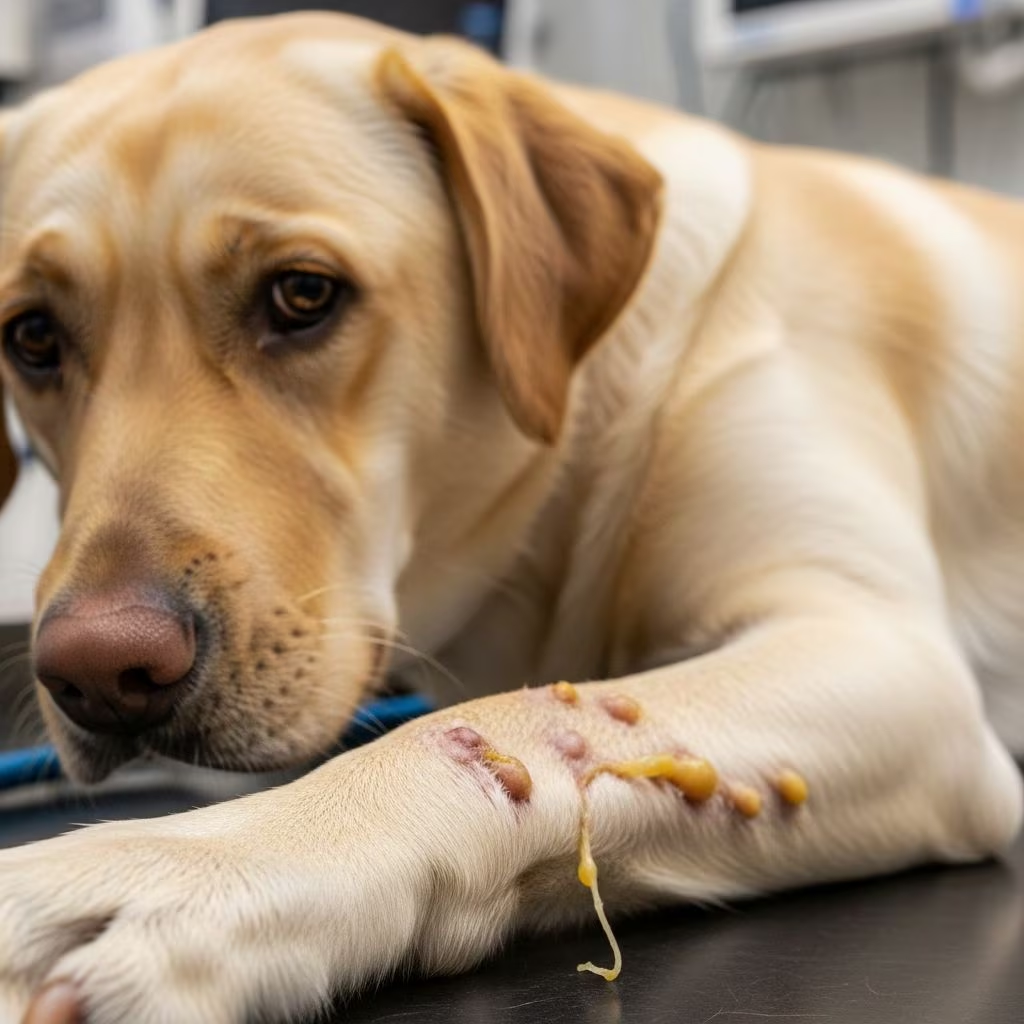
Pythiosis represents a grave threat to canine health, triggered by the water mold Pythium insidiosum. This pathogen invades skin or digestive tissues, leading to rapid deterioration if untreated. Dogs in warm, wet environments face the highest risk, but awareness and prompt action can turn the tide.
Understanding the Pathogen Behind Pythiosis
The culprit, Pythium insidiosum, thrives in stagnant freshwater like swamps or ponds. Unlike true fungi, this oomycete absorbs sterols from hosts, evading standard antifungal attacks. It spreads via zoospores that penetrate wounds or mucous membranes, sparking intense inflammation.
Dogs encounter it during swims or hunts in endemic areas such as the southeastern U.S. Young, active breeds like retrievers or hounds are prone due to frequent water exposure. The disease progresses stealthily, often evading notice until advanced stages.
Recognizing Cutaneous Pythiosis Signs
Skin infections manifest as firm, ulcerated nodules that ooze pus and fail to heal. Lesions start small but expand aggressively, forming yellow-to-green discharge tracks. Owners might spot lameness if limbs are involved, or notice tail/base swelling.
- Non-healing sores with draining tracts
- Swelling and pain around affected areas
- Occasional fever or lethargy
These mimic tumors or abscesses, delaying diagnosis. Early vigilance in at-risk dogs prevents limb loss.
Gastrointestinal Pythiosis: A Silent Killer
GI form strikes the stomach, intestines, or colon, causing tissue thickening and blockages. Dogs waste away rapidly, losing muscle despite eating. Common alerts include:
- Chronic vomiting, sometimes bloody
- Diarrhea with blood or mucus
- Abdominal distension and pain
- Weight loss leading to emaciation
- Difficulty defecating
This variant dominates cases, per veterinary reports, with symptoms lagging infection by weeks or months. Prompt vet visits save lives here.
Rare Manifestations and Risk Factors
Beyond skin and gut, pythiosis rarely hits lungs, sinuses, or brain, yielding coughs, nasal discharge, or neurological woes. Any breed can suffer, but youth and outdoor lifestyles heighten odds. Weak immunity from stress or injury aids entry.
| Form | Primary Sites | Key Risks |
|---|---|---|
| Cutaneous | Legs, tail, trunk | Wounds in water |
| Gastrointestinal | Intestines, stomach | Swimming in ponds |
| Systemic | Lungs, brain | Advanced spread |
Diagnostic Approaches for Confirmation
Vets rely on history, exams, and tests. Biopsies reveal eosinophilic inflammation and broad hyphae, distinguishing from cancers. Serology detects antibodies via ELISA, offering quick, non-invasive screening. Ultrasounds or endoscopes visualize GI masses.
Culture on selective media grows the organism, but it’s tricky. PCR assays confirm DNA rapidly. Combining these yields accuracy over 90%.
Surgical Interventions: The Gold Standard
Wide excision removes infected tissue, often curing early cases. Limb or tail amputations occur for distal lesions. GI resections demand skilled surgeons to preserve function. Post-op, 70-80% succeed if margins are clean.
Challenges arise with extensive spread; non-resectable masses demand alternatives. Always pair surgery with adjunct therapies.
Pharmacological Strategies and Limitations
Antifungals like itraconazole and terbinafine target sterol pathways, given 3-6 months. Success hovers at 20% standalone due to oomycete resistance. Amphotericin B infusions help critically ill dogs but risk kidney toxicity.
Novel combos shine: one study treated three colonic cases with itraconazole, terbinafine, and prednisone, yielding full remission and negative titers.1 Corticosteroids curb eosinophilic fury, easing symptoms and aiding clearance.
Immunotherapy: Boosting Natural Defenses
Pythium insidiosum antigen (PIA) vaccine redirects immunity, achieving 55% efficacy, best early. Weekly injections for months strengthen responses. Combine with drugs for synergy; contact providers like Pan American Veterinary Labs for access.
Nutrition supports recovery: high-calorie, digestible diets combat cachexia. Hospitalization with IV fluids stabilizes severe cases.
Prognosis Factors and Survival Odds
Early detection boosts survival to 80% with surgery. Delayed GI cases drop to 25%. Cutaneous fares better than GI. Monitor via titers and imaging; recurrence demands re-intervention.
- Early stage: Excellent with excision
- Advanced GI: Guarded, even with combos
- Immunotherapy-aided: Moderate improvement
Preventive Measures for At-Risk Dogs
Avoid swampy waters, especially post-hurricane. Rinse after swims. Inspect wounds promptly. No preventive vaccine exists, but awareness trumps all.
Case Studies Highlighting Success
Three dogs with inoperable colon pythiosis received itraconazole (5 mg/kg BID), terbinafine (30 mg/kg BID), and prednisone (1 mg/kg SID), tapering over months. Masses regressed, signs vanished, titers normalized by 6 months.1 Another trial added mefenoxam, aiding GI recoveries.2
These underscore multimodal promise where surgery fails.
Frequently Asked Questions (FAQs)
What breeds get pythiosis most?
Hunting breeds like Labs and hounds, due to water exposure.
Is pythiosis contagious dog-to-dog?
No, it’s environmental from water sources.
How long do treatments last?
Antifungals: 3-6 months; immunotherapy: ongoing weeks.
Can pythiosis spread to humans?
Rarely, mostly immunocompromised.
What’s the cost of treatment?
Varies; surgery $5k+, drugs/immuno $1-3k.
Owner Action Plan
- Watch for unexplained weight loss or sores.
- Seek vet immediately in endemic areas.
- Request serology/biopsy.
- Commit to full regimens.
Pythiosis demands urgency, but advances offer hope.
References
- Successful management of 3 dogs with colonic pythiosis using itraconazole, terbinafine, and prednisone — J Vet Intern Med. 2019-05-01. https://pmc.ncbi.nlm.nih.gov/articles/PMC6524395/
- Pythiosis: A Scary and Emerging Disease — Whole Dog Journal. 2023. https://www.whole-dog-journal.com/health/pythiosis-in-dogs/
- Pythiosis in Dogs: Signs, Symptoms, and Treatment — AKC. 2024-01-15. https://www.akc.org/expert-advice/health/pythiosis-in-dogs/
- Pythiosis or Lagenidiosis (Oomycosis) in Dogs — VCA Animal Hospitals. 2025. https://vcahospitals.com/know-your-pet/pythiosis-in-dogs
- Pythiosis in Pets: Symptoms, Causes & Treatment — MiraVista Diagnostics. 2024. https://miravistavets.com/pet-owners/pythiosis/



