

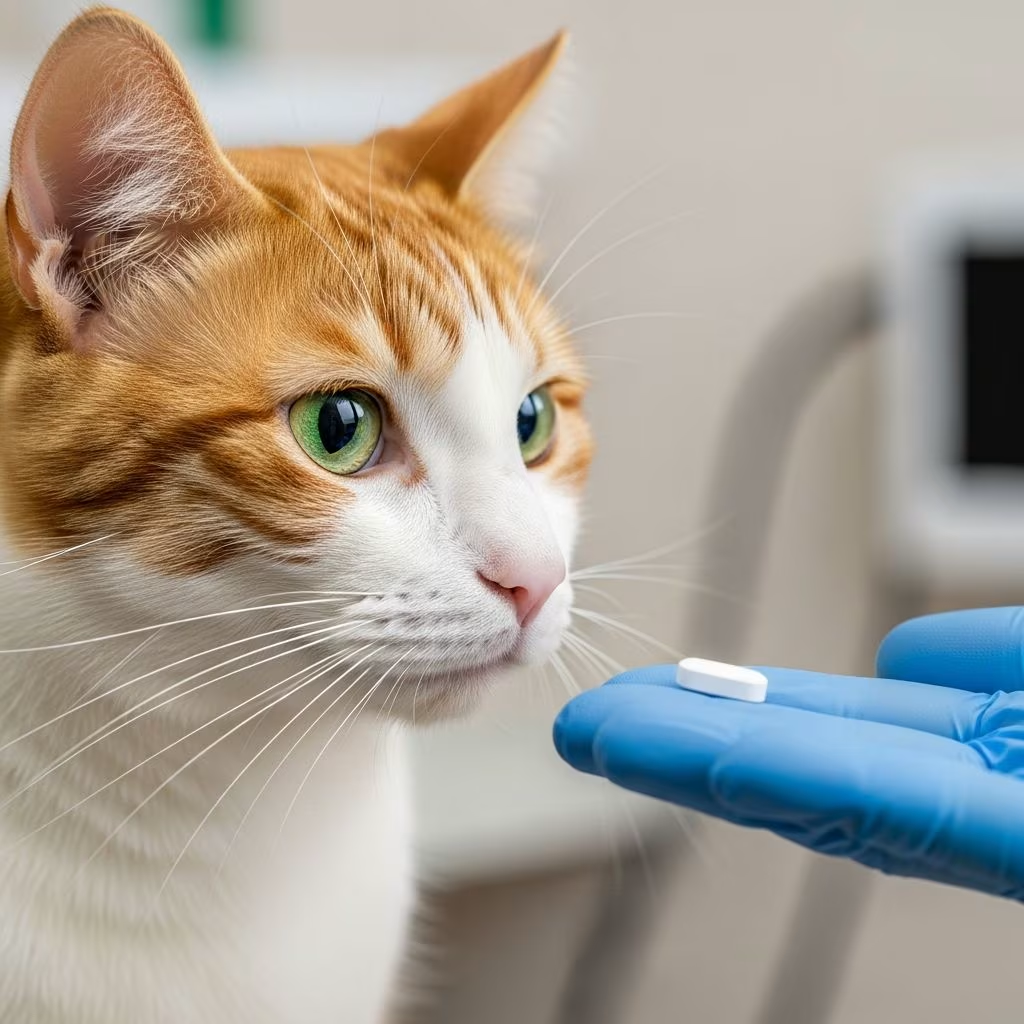
Pyrantel pamoate is a widely used anthelmintic medication specifically effective against common intestinal parasites in cats, such as roundworms and hookworms. This over-the-counter dewormer works by paralyzing the worms, allowing them to be expelled naturally from the cat’s digestive tract. Veterinarians frequently recommend it for kittens and adult cats alike due to its safety profile and ease of administration.
In this comprehensive guide, we’ll explore what pyrantel pamoate is, how it functions, proper dosing guidelines, administration methods, potential side effects, precautions, and answers to frequently asked questions. Whether you’re dealing with a confirmed worm infection or following a preventive deworming schedule for your kitten, understanding this medication ensures your cat receives optimal care.
What Is Pyrantel Pamoate?
Pyrantel pamoate, also known simply as pyrantel, is an oral deworming agent belonging to the tetrahydropyrimidine class of anthelmintics. It targets nematodes (roundworms) and some hookworms by acting as a neuromuscular blocking agent on the parasites. Unlike systemic drugs, pyrantel works primarily in the gastrointestinal tract with minimal absorption into the bloodstream, which contributes to its excellent safety margin in cats.
The medication is available in various forms, including liquid suspensions (typically 50 mg/mL), tablets, capsules, pastes, and combination products like Drontal (pyrantel with praziquantel for tapeworms). While FDA-approved for dogs, it is commonly and safely used in cats under veterinary guidance. It’s particularly valuable in multi-cat households, shelters, and foster programs where parasite exposure is high.
Key benefits include:
- Effective against ascarids (Toxocara cati roundworms) and hookworms (Ancylostoma tubaeforme).
- High margin of safety—even doses up to seven times the recommended amount rarely cause toxicity.
- Suitable for kittens as young as 2-3 weeks old.
- Over-the-counter availability in many forms, though vet consultation is advised.
What Is Pyrantel Pamoate Used for in Cats?
The primary use of pyrantel pamoate in cats is the treatment and prevention of intestinal parasites, specifically roundworms and hookworms. These worms can cause symptoms like diarrhea, vomiting, weight loss, pot-bellied appearance (especially in kittens), and poor coat condition. In severe cases, heavy infestations lead to anemia, intestinal blockage, or migration of larvae to other organs.
Roundworms are the most common, transmitted via ingestion of eggs from contaminated soil, prey, or mother’s milk. Hookworms attach to the intestinal wall, feeding on blood. Pyrantel paralyzes these adult worms in the intestines, preventing them from gripping the mucosal lining, so they are flushed out in the feces. Importantly, it does not kill migrating larvae or eggs, necessitating repeat dosing.
It’s also used empirically (without fecal confirmation) in young kittens every 2-3 weeks until 12 weeks old, as stool tests may miss low-level infections. In adults, it’s ideal for targeted treatment after fecal analysis confirms parasites. Combination products extend coverage to tapeworms, making pyrantel versatile for comprehensive deworming protocols.
The 4 Smartest Ways to Use Pyrantel Pamoate for Cats
To maximize efficacy and safety, follow these evidence-based strategies for using pyrantel pamoate:
- Confirm Diagnosis First: Request a fecal flotation test from your vet to identify specific parasites. This ensures targeted treatment and avoids unnecessary dosing.
- Follow a Multi-Dose Protocol: Administer an initial dose, then repeat in 2-4 weeks to catch migrating larvae. Kittens may need 3-4 doses total.
- Choose the Right Form: Liquid suspensions are best for precise dosing in small kittens; use syringes for accuracy. Tablets work for larger cats but require careful division.
- Integrate with Prevention: Pair with monthly broad-spectrum preventives (e.g., those containing pyrantel like Sentinel) and environmental cleaning to break the parasite lifecycle.
Always shake liquid forms well and measure precisely. Effects begin within 1-2 hours, but follow-up fecal exams confirm clearance.
Pyrantel Pamoate Dosage for Cats
Dosage varies by age, weight, and product concentration. General guidelines (always vet-confirmed):
| Cat Weight (lbs) | Liquid Dose (50 mg/mL, approx. 1 mL/10 lbs) | mg/lb Range |
|---|---|---|
| 2 lbs (kitten) | 0.2 mL | 2.5-5 mg/lb |
| 5 lbs | 0.5 mL | 2.5-5 mg/lb |
| 10 lbs (adult) | 1.0 mL | 5-10 mg/kg (higher for adults) |
| 20 lbs | 2.0 mL | 5-20 mg/kg |
For kittens: 2.5-5 mg/lb (5-10 mg/kg) every 2-3 weeks until 12 weeks. Adults: Up to 20 mg/kg, repeat in 3 weeks. Use weight-based calculations; never eyeball doses. Overdose is rare but monitor for symptoms.
How Safe Is Pyrantel Pamoate for Cats?
Pyrantel pamoate boasts an outstanding safety profile due to poor systemic absorption. Studies in kittens tolerated 100 mg/kg for 3 days without adverse effects—far exceeding standard doses. Toxicity requires 7x+ overdoses, manifesting as ataxia, rapid breathing, or salivation.
It’s safe for pregnant/lactating queens and puppies/kittens from 2 weeks. No breed contraindications, but consult vets for sick, dehydrated, or MDR1-sensitive cats (though irrelevant for pyrantel). FDA-approved combinations like Drontal confirm safety in cats over 8 weeks/2 lbs.
Pyrantel Pamoate Side Effects in Cats
Side effects are uncommon and mild:
- Common (1-5%): Vomiting, diarrhea, drooling, loss of appetite—often from worm die-off or empty-stomach dosing. Mitigate by giving with food.
- Rare: Ataxia, tremors, allergic reactions (rash, swelling)—seek immediate vet care.
- Worm Expulsion: Visible worms in stool/vomit within 24-48 hours is normal and expected.
Monitor post-dose; contact vet if symptoms persist >24 hours.
Pyrantel Pamoate Drug Interactions and Contraindications
- Interactions: Minimal; safe with most meds. Avoid concurrent levamisole or morantel (enhanced toxicity). No issues with flea/tick preventives.
- Contraindications: None absolute, but caution in severely ill cats or those with GI obstruction. Not for extraintestinal parasites.
Pyrantel Pamoate Storage Instructions
Store at room temperature (59-86°F), away from light/moisture. Shake suspensions well. Discard expired product. Shelf-stable post-opening for months if sealed.
Final Thoughts on Pyrantel Pamoate for Cats
Pyrantel pamoate remains a cornerstone of feline parasite control—safe, effective, and accessible. Pair with fecal testing, hygiene, and preventives for optimal health. Consult your vet for tailored protocols, especially in high-risk scenarios.
Frequently Asked Questions (FAQs)
Q: How much pyrantel pamoate do I give my cat?
A: Dose at 1 mL per 10 lbs (50 mg/mL liquid) or 2.5-5 mg/lb for kittens, up to 20 mg/kg for adults. Repeat in 2-3 weeks. Vet confirmation essential.
Q: How often do you give a cat pyrantel pamoate?
A: Kittens every 2-3 weeks to 12 weeks; adults: 2 doses 3 weeks apart, or monthly in preventives.
Q: How fast does pyrantel pamoate work in cats?
A: Paralyzes worms in 1-2 hours; expulsion in feces within 24-48 hours.
Q: Can I give my cat pyrantel pamoate every 2 weeks?
A: Yes for kittens under 12 weeks; adults follow vet schedule to avoid resistance.
Q: Is pyrantel pamoate safe for pregnant cats?
A: Yes, considered safe with no reported teratogenic effects.
References
- Pyrantel for Cats — WagWalking. 2023. https://wagwalking.com/cat/treatment/pyrantel-for-cats
- Pyrantel for Cats: Overview, Dosage & Side Effects — Cats.com. 2023. https://cats.com/pyrantel-for-cats
- Pyrantel Pamoate — VCA Animal Hospitals. 2024-01-14. https://vcahospitals.com/know-your-pet/pyrantel-pamoate



