

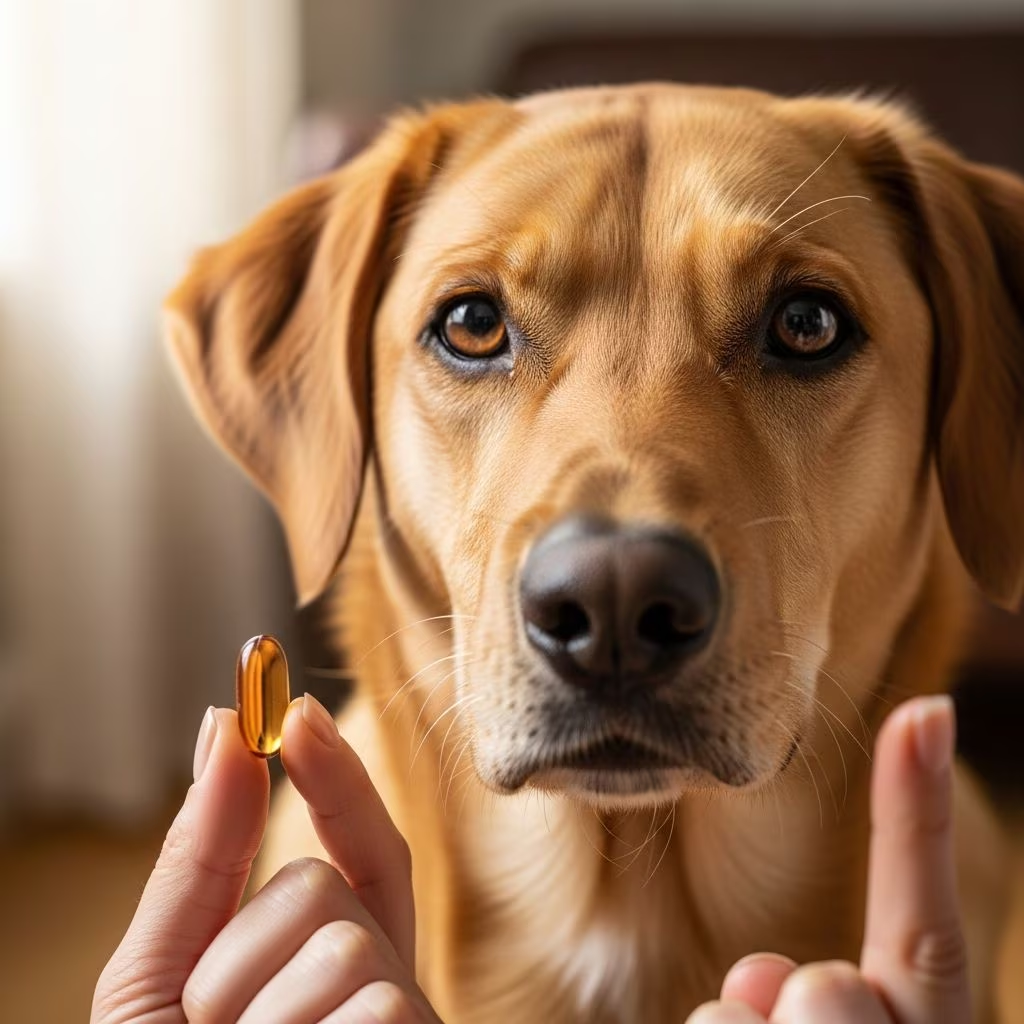
Understanding Pyrantel Pamoate for Dogs
Pyrantel pamoate is one of the most commonly prescribed and trusted deworming medications for dogs. This antiparasitic medication is used to treat intestinal roundworm, hookworm, and stomach worm parasites in many species, including dogs, cats, small mammals, and birds. Veterinarians have relied on pyrantel pamoate for decades due to its proven effectiveness, safety profile, and ease of administration. Whether you have a new puppy or an adult dog, understanding how this medication works can help you protect your pet from parasitic infections.
The medication works by paralyzing the parasitic worms, which allows them to be expelled from the dog’s digestive system through natural elimination processes. Unlike some other dewormers that kill worms on contact, pyrantel pamoate’s mechanism of action makes it particularly effective for managing multiple types of intestinal parasites in a single treatment.
What Parasites Does Pyrantel Pamoate Treat?
Pyrantel pamoate is effective against several types of intestinal parasites that commonly affect dogs. Understanding which parasites this medication targets can help you determine if it’s the right choice for your pet’s specific condition.
The primary parasites treated by pyrantel pamoate include:
- Roundworms (Toxocara canis) – One of the most common parasites found in dogs, especially puppies
- Hookworms (Ancylostoma caninum) – Parasites that attach to the intestinal walls and can cause anemia
- Stomach worms – Various species that inhabit the canine digestive system
- Whipworms (Trichuris vulpis) – Effective in some cases of whipworm infestation
- Tapeworms – When used in combination with other medications for enhanced effectiveness
Puppies are particularly susceptible to roundworm and hookworm infections, making pyrantel pamoate an essential part of routine puppy care. Veterinarians typically recommend pyrantel pamoate as a routine deworming treatment for puppies to ensure they are free of intestinal worms before they reach adulthood. It’s also used as part of broader parasite control programs for adult dogs, especially those with outdoor access or in high-risk environments.
How Is Pyrantel Pamoate Administered?
One of the advantages of pyrantel pamoate is its ease of administration. The medication is available in multiple formulations, making it suitable for different dogs and preferences. Your veterinarian will determine the best form for your dog based on age, size, and individual needs.
Available Formulations
Pyrantel pamoate is available in three main forms:
- Capsules – Traditional pill form for dogs that can swallow whole tablets
- Chewable tablets – Flavored tablets that many dogs find palatable and will consume willingly
- Liquid suspension – A liquid formulation with a provided dropper for precise dosing, ideal for puppies and dogs with difficulty swallowing pills
Administration Guidelines
Pyrantel pamoate can be given with or without food, providing flexibility in administration. However, if your dog experiences vomiting after receiving a dose on an empty stomach, provide future doses with food to minimize gastrointestinal upset. Always shake liquid forms well before use to ensure even distribution of the medication.
When using liquid suspension, measure the dosage carefully using the provided dropper. For chewable tablets or capsules, you can give them directly or hide them in a small amount of dog food if your dog is reluctant to take them. Most dogs find the medication palatable and will consume it willingly, but mixing it with food is an effective strategy if needed.
It is not necessary to withhold food prior to or after treatment, making the medication convenient for most pet owners. The medication should take effect within one to two hours; however, effects may not be noted outwardly, so laboratory tests may be needed to evaluate the medication’s effectiveness in eliminating parasites.
Pyrantel Pamoate Dosage Chart for Dogs
Proper dosing is essential for the safe and effective use of pyrantel pamoate. The dosage depends on your dog’s weight, and it’s crucial to follow your veterinarian’s specific dosing instructions. Below is a general dosage guide for pyrantel pamoate in liquid form:
| Dog Weight | Dosage (mL) |
|---|---|
| Up to 5 lbs | 1 mL |
| 6–10 lbs | 2 mL |
| 11–15 lbs | 3 mL |
| 16–25 lbs | 5 mL |
| 26–50 lbs | 10 mL |
| 51–75 lbs | 15 mL |
| 76–100 lbs | 20 mL |
The general dosage for dogs is 5 mg per kilogram (2.25 mg per pound) of body weight. Another common dosing standard is 1 teaspoon (5 mL) for each 10 pounds of body weight. Always consult your veterinarian to determine the exact dosage based on your dog’s condition, age, and specific health status.
How Often Should Pyrantel Pamoate Be Given?
The frequency of pyrantel pamoate administration varies depending on your dog’s age, lifestyle, and parasite risk factors. Understanding the appropriate treatment schedule ensures optimal parasite control.
For most dogs, a single dose is sufficient for a round of deworming. However, a follow-up dose is often recommended after 2-3 weeks to ensure complete elimination of parasites, as the initial dose may not eliminate all lifecycle stages of the worms.
Puppies typically require more frequent treatment. Puppies are usually dewormed every 2-3 weeks until they reach 12 weeks of age, as they are more susceptible to parasitic infections and may be born with parasites transmitted from their mother. After 12 weeks, the frequency can typically be reduced.
Adult dogs may need pyrantel pamoate once a month or as part of a broader parasite prevention program, depending on their risk of exposure. Dogs maintained under conditions of constant exposure to worm infestation should have a follow-up fecal exam within 2-4 weeks after treatment to confirm the effectiveness of the medication. It’s always best to follow your veterinarian’s specific recommendations based on your individual dog’s needs.
Safety Profile and Precautions
Pyrantel pamoate is known for its exceptional safety profile and wide margin of therapeutic safety in dogs. Clinical studies conducted across a wide variety of geographic locations using more than 40 different dog breeds have shown no drug-induced toxic effects.
One of the most outstanding features of pyrantel pamoate is its therapeutic index, which exceeds 138 times the recommended dosage. The acute oral lethal dose (LD50) administered in gelatin capsules to female and male dogs is greater than 314 mg base per pound of body weight, indicating an exceptionally safe medication. In subacute and chronic studies, no significant morphological abnormalities could be attributed to pyrantel pamoate when administered at daily dose rates up to 94 mg base per pound of body weight (40 times the recommended dosage) for periods of 19, 30, and 90 days.
Clinical efficacy studies in dogs demonstrated that pyrantel pamoate at the recommended dosage is highly efficacious against common parasites: 99% efficacy against T. leonina, 85% against T. canis, 97% against A. caninum, and 94% against U. stenocephala.
Important Precautions
- Healthy puppies and adult dogs – Pyrantel pamoate is generally safe for use in healthy adult dogs and puppies older than 2 weeks of age
- Pregnant and lactating dogs – Should be used cautiously in pregnant or lactating dogs unless specifically recommended by your veterinarian
- Accurate dosing – Always follow the dosing guidelines provided by your veterinarian to avoid under- or overdosing
- Missed doses – If a dose is missed, administer it as soon as you remember; however, do not double the dose to make up for a missed one
- Proper storage – Keep the medication out of reach of children and store according to package instructions
Possible Side Effects
While pyrantel pamoate is generally very safe and well-tolerated, some dogs may experience mild side effects. The most common side effect is gastrointestinal upset, particularly if the medication is given on an empty stomach. If vomiting or diarrhea occurs after administering a dose, give future doses with food to minimize digestive upset.
Serious adverse effects are extremely rare when the medication is used at recommended dosages. The exceptional safety profile of pyrantel pamoate makes it suitable for use across a wide range of dogs, from nursing puppies to adults and pregnant bitches used for breeding.
Frequently Asked Questions About Pyrantel Pamoate
Q: Can pyrantel pamoate be given with food?
A: Yes, pyrantel pamoate can be given with or without food. If your dog experiences vomiting on an empty stomach, administering it with food can help minimize gastrointestinal upset and improve tolerance.
Q: How long does it take for pyrantel pamoate to work?
A: The medication should take effect within one to two hours. However, the effects may not be immediately noticeable, and laboratory tests may be needed to evaluate the medication’s effectiveness in eliminating parasites.
Q: Is pyrantel pamoate available over-the-counter?
A: Yes, pyrantel pamoate is available over-the-counter in most cases and does not require a prescription. However, always consult your veterinarian before administering any medication to ensure proper dosing and diagnosis.
Q: Can cats receive pyrantel pamoate?
A: Yes, pyrantel pamoate is used to treat intestinal parasites in cats as well as dogs, along with small mammals and birds. The dosing will differ based on the species and individual animal’s weight.
Q: What should I do if I miss a dose of pyrantel pamoate?
A: If you miss a dose, administer it as soon as you remember. However, do not double the dose to compensate for the missed one. Contact your veterinarian if you’re unsure about the appropriate next steps.
Q: Are there any drug interactions with pyrantel pamoate?
A: While pyrantel pamoate is generally safe, inform your veterinarian about any other medications or supplements your dog is taking to ensure there are no potential interactions.
Q: How should pyrantel pamoate liquid suspension be stored?
A: Store the liquid suspension according to the package instructions, typically at room temperature. Always shake well before each use to ensure proper medication distribution.
References
- Pyrantel Pamoate | VCA Animal Hospitals — VCA Animal Hospitals. 2025. https://vcahospitals.com/know-your-pet/pyrantel-pamoate
- Drugs for Intestinal Helminths of Dogs Approved in the US and UK — Merck Veterinary Manual. 2024. https://www.merckvetmanual.com/multimedia/table/drugs-for-intestinal-helminths-of-dogs-approved-in-the-us-and-uk
- PETARMOR® FOR DOGS Sure Shot® 2X (pyrantel pamoate) — Prescribing Information — FDA DailyMed. 2024. https://dailymed.nlm.nih.gov/dailymed/fda/fdaDrugXsl.cfm?setid=6b035e09-971c-48da-9ac3-8d0085661e9a
- Nemex-2 Prescribing Information — Zoetis. 2024. https://www.zoetisus.com/content/_assets/docs/vmips/package-inserts/nemex-2-prescribing-information.pdf
- Affordable Pet Dewormer Pyrantel Pamoate Liquid for Safe Treatment — SmartyVets. 2024. https://www.smartyvets.com/products/affordable-pet-dewormer-pyrantel-pamoate



