

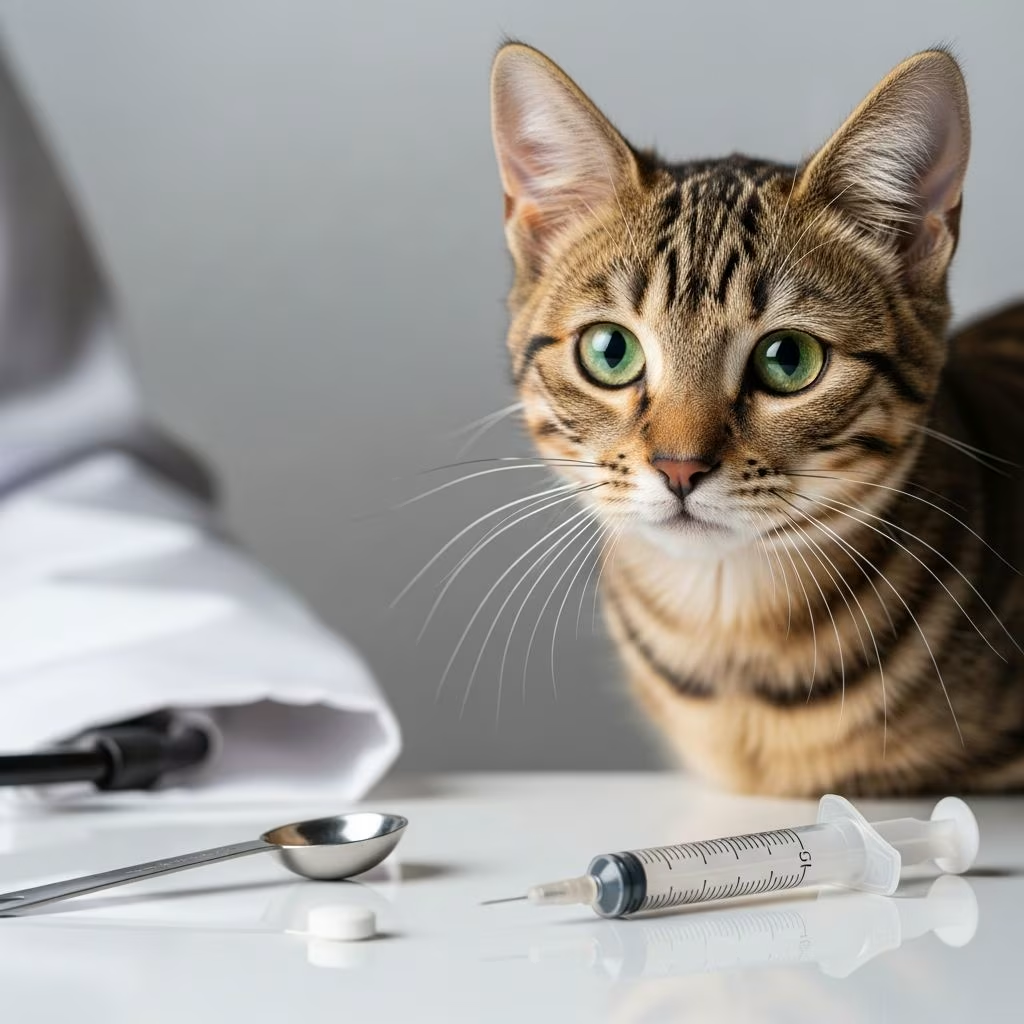
Understanding Pyrantel Pamoate for Cats
Pyrantel pamoate is a widely used anthelmintic medication that effectively treats intestinal parasites in cats. This oral dewormer is particularly effective against roundworms and hookworms, which are among the most common parasitic infections in feline populations. While pyrantel pamoate is not FDA-approved specifically for cats, it is considered just as safe and appropriate for feline use as it is for dogs, and the combination product Drontal (pyrantel combined with praziquantel) is FDA-approved for use in cats and kittens at least 8 weeks of age.
What Does Pyrantel Pamoate Do for Cats?
Pyrantel pamoate functions as a powerful dewormer by paralyzing intestinal parasites, allowing them to be naturally expelled from the pet’s body through normal digestive processes. The medication is most commonly prescribed when roundworms or hookworms are identified through fecal stool samples. Veterinarians frequently use pyrantel pamoate as an empirical dewormer in young kittens, administering doses every two to three weeks until the kitten reaches at least 12 weeks of age.
The medication works locally within the gastrointestinal tract rather than being absorbed systemically, which significantly reduces the risk of systemic side effects on the body. Because of this localized mechanism of action, pyrantel pamoate demonstrates an excellent safety profile in cats when doses are administered correctly.
Effectiveness Against Parasites
Pyrantel pamoate is highly effective against multiple parasite species, including:
- Roundworms (Toxocara cati, Toxocara canis, Toxascaris leonina)
- Hookworms (Ancylostoma caninum, Ancylostoma braziliense, Uncinaria stenocephala)
- Stomach worms in some cases
Pyrantel Pamoate Dosage for Cats
Proper dosing is essential for ensuring the medication’s effectiveness while maintaining safety. Dosage recommendations vary depending on the cat’s age and whether it is a kitten or adult cat.
Kitten Dosage
For kittens, the standard dose is 10 milligrams per kilogram of body weight. A practical rule of thumb for the 50 mg/mL liquid formulation is to administer 1 milliliter per 10 pounds of body weight. For example, a 2-pound kitten would receive 0.2 milliliters, while a 12-pound cat would receive 1.2 milliliters.
Kittens can begin receiving pyrantel pamoate as early as 2 to 3 weeks of age and should continue receiving doses every two to three weeks until they reach at least 12 weeks of age. This repeated dosing schedule is recommended because stool samples may not always represent a complete picture of parasite burden, and continued deworming through 12 weeks ensures thorough parasite elimination even if earlier stool samples show no parasite eggs.
Adult Cat Dosage
Adult cats typically require a higher dose of 20 milligrams per kilogram of body weight. While a single dose may be effective in some cases, veterinarians often recommend administering a second dose approximately three weeks after the initial treatment to ensure complete elimination of parasites, particularly for roundworm infections.
Standard Dosing Guidelines
The general dosage for both dogs and cats is 5 mg per kilogram (2.25 mg per pound) of body weight as an initial dose, with the option to repeat the dosage in 2-3 weeks if necessary. When using the liquid suspension at 50 mg/mL concentration, the measurement becomes straightforward using the body weight formula mentioned above.
Forms and Administration of Pyrantel Pamoate
Pyrantel pamoate is available in multiple formulations, each with specific advantages for different situations.
Available Forms
- Liquid Suspension: The most commonly recommended form for accurate dosing, especially in young and growing kittens
- Capsules: Available but less practical for precise kitten dosing
- Chewable Tablets: Can be used but may require breaking into smaller pieces for proper dosing
- Combination Products: Such as Drontal (pyrantel combined with praziquantel), which offers broader parasite coverage
How to Administer Pyrantel Pamoate
The preferred method of administration is oral delivery using a dosing syringe, which allows for the greatest accuracy in volume, particularly for young kittens. The liquid suspension can be given directly into the pet’s mouth or mixed with a small amount of food if the cat is reluctant to take it directly.
Before each use, the bottle should be shaken well to ensure proper mixing. If vomiting occurs after receiving a dose on an empty stomach, future doses should be given with food. It is important to ensure the pet consumes the entire dose to guarantee effective treatment.
When administering tablets, they may need to be broken into smaller pieces to achieve the proper dose, though this method is generally less accurate than using the liquid formulation.
Safety and Toxicity Profile
Pyrantel pamoate demonstrates an exceptionally high margin of safety in cats. Because the medication is poorly absorbed from the gastrointestinal tract and acts primarily on parasites present in the intestine, systemic effects on the body are very rare when appropriate doses are administered.
Safety in Overdose Situations
The safety profile of pyrantel pamoate is so robust that doses of up to seven times the appropriate dose generally do not result in signs of toxicity. In severe overdose situations, potential signs may include increased respiratory rate, profuse sweating (which in cats may only be visible from the bottoms of the feet), and difficulty walking (ataxia). Such severe overdose scenarios are extremely unlikely with proper dosing practices.
Prescription Availability
While most pyrantel and pyrantel combination products are available over the counter, some sources, especially online pharmacies, may require a prescription from a veterinarian. The combination product Drontal is FDA-approved for cats and kittens and may be more readily available through veterinary channels.
Potential Side Effects
Side effects of pyrantel pamoate are rare when the medication is dosed appropriately. However, pet owners should be aware of possible adverse reactions.
Common Side Effects
When side effects do occur, they typically include:
- Nausea
- Vomiting
- Loss of appetite or lack of appetite
- Diarrhea
These side effects are generally mild and resolve quickly. If vomiting occurs when the medication is given on an empty stomach, administering future doses with food may help reduce this side effect.
When to Contact Your Veterinarian
Pet owners should contact their veterinarian immediately if side effects become severe, continue to be problematic, or if they notice any unusual symptoms in their cat. Although pyrantel pamoate is a short-acting medication that should stop working within 24 hours, effects may be longer in pets with liver or kidney disease.
Precautions and Contraindications
While pyrantel pamoate is generally very safe, certain precautions should be observed to ensure optimal outcomes.
When Not to Use Pyrantel Pamoate
Do not use pyrantel pamoate in:
- Cats that are allergic to pyrantel pamoate or any other ingredients in the formulation
- Severely weakened or frail cats
When to Use With Caution
Use pyrantel pamoate with caution in pregnant animals, following dosing instructions carefully. Consult your veterinarian before using this product in pregnant or lactating cats. While off-label use in cats is common and generally safe, the decision to use this medication in pregnant or nursing cats should be made in consultation with a veterinary professional.
Off-Label Use in Cats
It is important to note that the use of pyrantel pamoate to treat intestinal parasites in cats is considered off-label (extra-label) use. This means the medication is being used in a way that has not been reviewed or approved by the FDA or Health Canada. However, off-label use of many drugs is common in veterinary medicine, and pyrantel pamoate is considered safe and effective for this purpose. Veterinarians may also prescribe pyrantel pamoate off-label to treat parasites in small mammals such as rabbits and rodents, as well as birds.
Frequently Asked Questions
Q: How much pyrantel pamoate can I give my cat?
A: The dose can range from 5 milligrams per kilogram for initial treatment up to 20 milligrams per kilogram for adult cats. The practical rule of thumb of 1 milliliter per 10 pounds of body weight approximates a 10 mg/kg dose. In kittens, deworming should be repeated every two to three weeks until 12 weeks of age. In adult cats, at least two doses three weeks apart are often recommended to ensure complete elimination of roundworm infections.
Q: How do you give pyrantel pamoate to a cat?
A: Pyrantel pamoate is most commonly given as a liquid medication orally through a dosing syringe, which allows for the greatest accuracy, especially for young kittens. The liquid can also be mixed with a small amount of food if needed. Avoid mixing with milk or canned food for groups of cats, as some cats may receive more medication than necessary while others may be underdosed. Tablets may also be used if broken into smaller pieces to achieve the proper dose.
Q: Is pyrantel pamoate dewormer safe for cats?
A: Yes, pyrantel pamoate is extremely safe to use in cats when dosed appropriately. Although as a single agent it is not FDA-approved for cats, the combination product Drontal is approved for cats. The margin of safety is very high, with doses up to seven times the therapeutic dose generally not showing signs of toxicity. Side effects are rare when the medication is properly dosed, and the medication should stop working within 24 hours.
Q: What parasites does pyrantel pamoate treat in cats?
A: Pyrantel pamoate is particularly effective against roundworms (ascarids) and hookworms. It works by paralyzing these parasites, which are then expelled from the cat’s body through natural digestive processes. It may also be effective against certain stomach worms depending on the species involved.
Q: How long does it take for pyrantel pamoate to work?
A: The medication should take effect within one to two hours; however, effects may not be noted outwardly, so laboratory tests may be needed to evaluate this medication’s effectiveness. It is a short-acting medication that should stop working within 24 hours, although effects can be longer in pets with liver or kidney disease.
Q: What should I do if I miss a dose of pyrantel pamoate?
A: If you miss a dose, give it as soon as you remember and then wait the recommended time for the next dose as prescribed by your veterinarian. Do not give the pet two doses at once. It is critical to give the medication for the full length of time your veterinarian recommends to ensure complete parasite elimination.
Conclusion
Pyrantel pamoate is a highly effective and safe deworming medication for treating intestinal parasites in cats. Whether treating diagnosed infections identified through fecal testing or using it as an empirical dewormer in young kittens, this medication has an excellent safety profile with minimal side effects when properly dosed. By following your veterinarian’s dosing instructions carefully, administering the medication using appropriate methods such as a dosing syringe with the liquid formulation, and being aware of potential side effects, you can effectively protect your cat from common parasitic infections. Always consult with your veterinarian regarding the most appropriate deworming schedule for your individual cat’s age, weight, and health status.
References
- Pyrantel for Cats: Overview, Dosage & Side Effects — Cats.com. 2025. https://cats.com/pyrantel-for-cats
- Affordable Pet Dewormer Pyrantel Pamoate Liquid for Safe Treatment — SmartyVets. 2025. https://www.smartyvets.com/products/affordable-pet-dewormer-pyrantel-pamoate
- Pyrantel Pamoate — VCA Animal Hospitals. 2025. https://vcahospitals.com/know-your-pet/pyrantel-pamoate



