

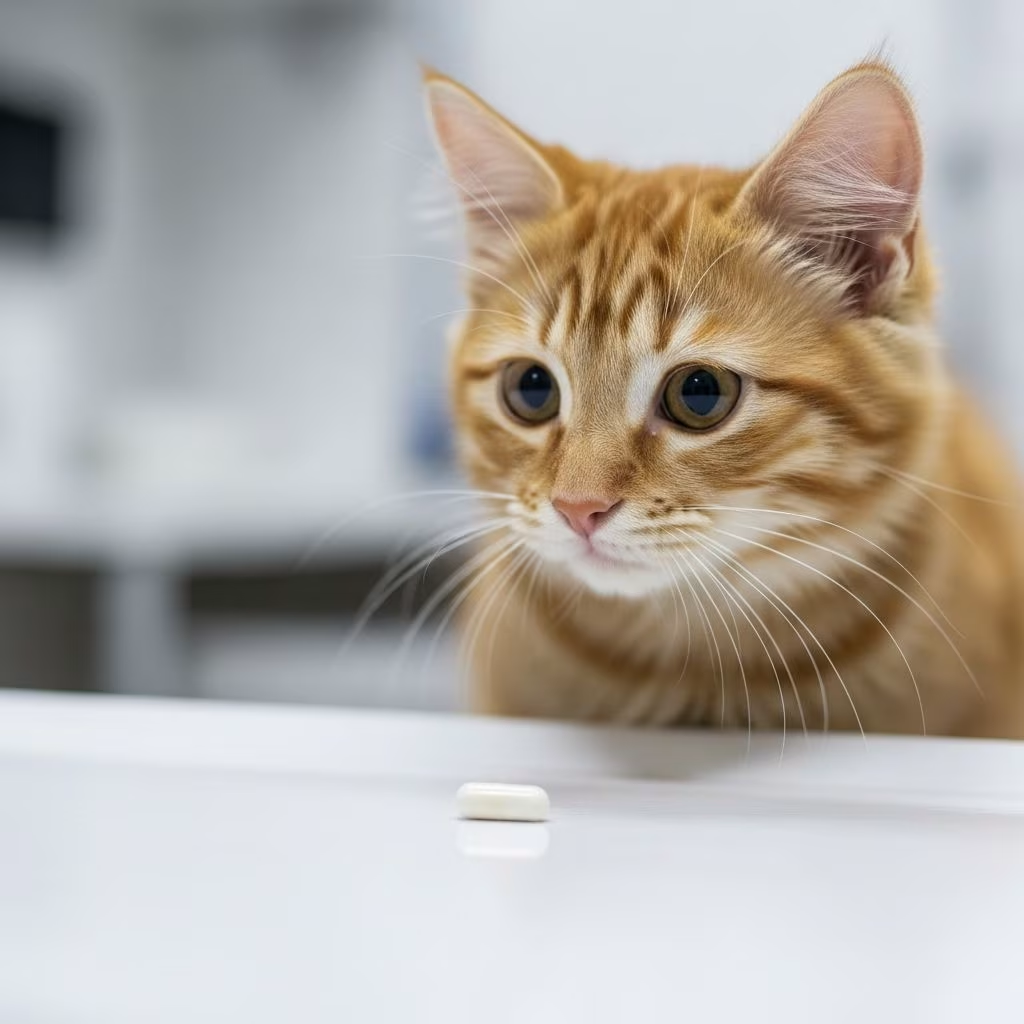
Pyrantel pamoate is a widely used over-the-counter dewormer for cats, effective against common intestinal parasites like roundworms and hookworms. This medication works by paralyzing the worms, allowing them to be expelled naturally through the cat’s digestive system. While safe when dosed correctly, it requires veterinary guidance for optimal use, especially in kittens or pregnant cats. Understanding its applications, proper dosing, administration methods, and potential side effects is crucial for cat owners managing parasite issues.
What Does Pyrantel Treat in Cats?
Pyrantel pamoate targets specific nematodes in the feline gastrointestinal tract. Primarily, it treats roundworms (Toxocara cati) and hookworms (Ancylostoma tubaeforme), which are prevalent in cats, particularly kittens from contaminated environments or nursing queens. These parasites can cause symptoms like diarrhea, vomiting, weight loss, pot-bellied appearance, and poor coat condition. In severe cases, heavy infestations lead to anemia, especially with hookworms that feed on blood. Pyrantel does not cover tapeworms, whipworms, or external parasites like fleas, so combination therapies may be needed for broader protection.
Roundworms are the most common, with eggs passed in feces becoming infective in 2-4 weeks. Kittens often acquire them transplacentally or via milk from infected mothers. Hookworms burrow into the intestinal wall, posing risks to young cats. Early detection via fecal exams and treatment prevents complications like intestinal blockages or nutritional deficiencies.
How Does Pyrantel Work?
Pyrantel acts as a neuromuscular blocking agent on susceptible parasites. It mimics acetylcholine, causing spastic paralysis in worms within the intestines, where it remains poorly absorbed systemically. Paralyzed worms are then expelled in feces, typically within 24-48 hours post-dose. This localized action minimizes side effects in the host cat. Unlike systemic dewormers, pyrantel’s low absorption (less than 15-30%) makes it suitable for young kittens as early as 2-3 weeks old.
The medication’s efficacy peaks against luminal (intestinal) stages of roundworms and hookworms but may require repeat dosing to catch larvae migrating or reinfecting. Studies show high clearance rates: over 90% for ascarids after a single dose.
Pyrantel Dosage for Cats
Dosage varies by age, weight, and parasite type. Always consult a veterinarian for tailored advice, as over-the-counter products like Nemex or Strongid T are labeled for dogs but safely used off-label in cats. Standard dosing is 2.5-5 mg/lb (5-10 mg/kg) of body weight, repeated in 2-4 weeks.
For the common 50 mg/mL liquid suspension:
| Weight (lbs, Cats 8+ Weeks) | Dose (mL at 50 mg/mL) |
|---|---|
| 3 | 0.3 |
| 5 | 0.5 |
| 7 | 0.7 |
| 10 | 1.0 |
| 12 | 1.2 |
| 15 | 1.5 |
| 17 | 1.7 |
| 20 | 2.0 |
| 22 | 2.2 |
| 25 | 2.5 |
A rule of thumb: 1 mL per 10 lbs body weight approximates 10 mg/kg. Kittens under 8 weeks need vet-specific dosing, often every 2 weeks until 12-16 weeks.
Adults may receive 20 mg/kg for stubborn infections, with a second dose 3 weeks later. Lactating queens and all littermates should be treated simultaneously to prevent reinfestation. Shake suspensions well before use.
How to Give Pyrantel to Cats
Administer orally using a needle-free syringe for precision, especially in kittens. Insert the tip into the cheek pouch (side of mouth), not center, to avoid choking. Advance slowly as the cat swallows. Liquid forms (2.27 mg/mL, 4.54 mg/mL, 50 mg/mL) are easiest; tablets can be crushed but require accurate weighing.
- Shake bottle vigorously.
- Measure exact dose.
- Give directly or mix minimally with food (avoid group dosing to prevent uneven intake).
- Follow with water or wet food if needed.
Treatment post-meal reduces stomach upset. Monitor for worm expulsion in feces; recheck fecal 2-4 weeks later.
Side Effects of Pyrantel in Cats
Pyrantel is remarkably safe with a wide therapeutic index—even 7x overdose rarely causes issues due to poor absorption. Common mild effects mimic parasite die-off: drooling, vomiting, diarrhea, or appetite loss. These resolve quickly.
Rare overdose signs include ataxia, rapid breathing, salivation, or tremors—seek emergency vet care. No toxicity in kittens at 100 mg/kg over days. Cats with liver/kidney disease may need dose adjustments.
Is Pyrantel Safe for Cats?
Yes, when used as directed. It’s non-FDA approved as a single agent for cats but standard in practice and part of approved combos like Drontal. Safe for pregnant/lactating cats and kittens from 2 weeks. Contraindications: known hypersensitivity; use caution in severely debilitated cats.
Compared to others:
| Dewormer | Targets | Safety Margin |
|---|---|---|
| Pyrantel | Round/hookworms | Very high |
| Praziquantel | Tapeworms | High |
| Fenbendazole | Broad spectrum | Moderate |
Prevent resistance by rotating or combining drugs.
Pyrantel for Kittens
Kittens are prime candidates due to maternal transmission. Dose at 2-3 weeks, repeat every 2-3 weeks to 12 weeks, regardless of fecal results—eggs may not appear early. Example: 0.1 mL/lb for 50 mg/mL (0.05 mL for 0.5 lb kitten). Pair with hygiene: clean litter daily, freeze feces to kill eggs.
Conclusion
Pyrantel pamoate offers a safe, effective first-line defense against feline roundworms and hookworms. Pair with regular vet checkups, fecal tests, and prevention like monthly topicals. Never self-treat without guidance—professional oversight ensures parasite-free health for your cat.
Frequently Asked Questions (FAQs)
Q: How much pyrantel do I give my cat?
A: Typically 2.5-5 mg/lb (5-10 mg/kg), or ~1 mL/10 lbs for 50 mg/mL suspension. Repeat in 2-4 weeks. Vet confirmation essential.
Q: Can I give pyrantel to kittens?
A: Yes, from 2 weeks old every 2-3 weeks until 12 weeks. Use precise dosing.
Q: Is pyrantel safe for pregnant cats?
A: Generally yes, at standard doses. Consult vet.
Q: How do I know if it worked?
A: Worms in stool; confirm with fecal test 2-4 weeks post-treatment.
Q: Does pyrantel kill tapeworms?
A: No, use praziquantel for tapeworms.
References
- Pyrantel for Cats – Wag! — WagWalking. 2023. https://wagwalking.com/cat/treatment/pyrantel-for-cats
- Pyrantel Pamoate Dosage Chart for Cats — A-Z Animals. 2024. https://a-z-animals.com/pets/cats/cat-facts/pyrantel-pamoate-dosage-chart-for-cats/
- Pyrantel Pamoate (Nemex, Strongid T) for Dogs and Cats — PetPlace. 2023. https://www.petplace.com/article/drug-library/drug-library/library/pyrantel-pamoate-nemex-strongid-t-for-dogs-and-cats
- Pyrantel for Cats: Overview, Dosage & Side Effects — Cats.com. 2024. https://cats.com/pyrantel-for-cats
- Pyrantel Pamoate | VCA Animal Hospitals — VCA Hospitals. 2024. https://vcahospitals.com/know-your-pet/pyrantel-pamoate



