

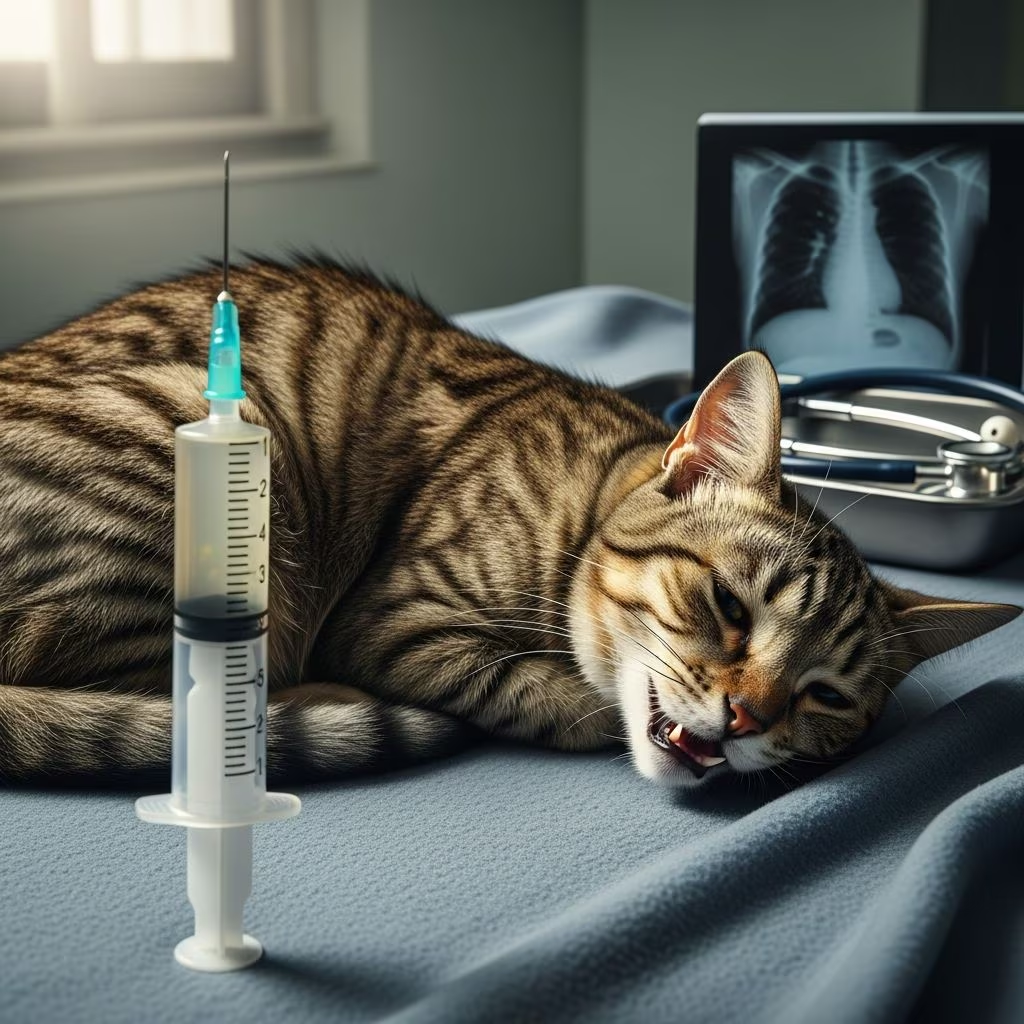
Understanding Pyothorax in Cats
Pyothorax is a serious and potentially life-threatening condition in which pus accumulates in the pleural space, the area between the lungs and chest wall in cats. This septic pleural effusion represents a severe infection within the thoracic cavity that requires immediate veterinary attention and aggressive treatment. The condition can develop rapidly and may lead to sudden deterioration in a cat’s health, making early recognition and intervention critical for survival.
The pleural space normally contains only a small amount of lubricating fluid that allows the lungs to expand and contract smoothly during breathing. When bacteria or other pathogens enter this space and cause infection, pus accumulates, creating pressure that prevents the lungs from functioning properly. This leads to respiratory distress and systemic illness as the cat’s body struggles to fight the overwhelming infection.
What Causes Pyothorax in Cats?
Pyothorax in cats can develop through various pathways, though the specific cause is often difficult to identify. The condition typically results from bacterial contamination of the pleural space through one or more mechanisms:
Penetrating chest wounds: Trauma to the chest wall, including cat bite wounds, puncture wounds from sharp objects, or surgical complications, can introduce bacteria directly into the thoracic cavity. Even seemingly minor wounds may lead to serious infection if contaminated with pathogenic bacteria.
Hematogenous spread: Bacteria circulating in the bloodstream from infections elsewhere in the body may seed the pleural space. This can occur secondary to infections of the lungs, heart, or other internal organs.
Extension from adjacent structures: Infection may extend to the pleural space from nearby infected tissues, such as the lungs (pneumonia), mediastinum, or esophagus. Esophageal perforations are particularly concerning as they commonly introduce oral anaerobic bacteria into the thorax.
Foreign bodies: In some cases, foreign material such as grass awns, plant material, or other objects may migrate into the chest cavity and trigger infection.
Despite thorough investigation, the underlying cause cannot be determined in many cases of feline pyothorax, classified as idiopathic. However, identifying the source when possible is important for guiding long-term management and preventing recurrence.
What Are the Clinical Signs of Pyothorax?
Cats with pyothorax often present with acute and severe symptoms that reflect the serious nature of the condition. The clinical presentation can vary significantly from cat to cat, ranging from gradual onset to dramatic, life-threatening deterioration.
Respiratory symptoms: The most characteristic sign is rapid, shallow, open-mouthed breathing. Affected cats may breathe with their mouth open continuously, a sign of significant respiratory distress. Breathing may be painful, and cats often assume a posture that makes breathing easier, such as standing with elbows spread outward to maximize chest expansion.
General systemic signs: Cats with pyothorax typically display depression and lethargy, showing little interest in their surroundings or activities they normally enjoy. Decreased appetite or complete anorexia is common, as is fever contributing to general malaise. Many cats will isolate themselves and show reluctance to move or exercise.
Severity and progression: The severity of clinical signs is highly variable and may change rapidly. Some cats may suddenly die without any previous signs of illness, particularly if the infection becomes overwhelming or complications develop. Other cats may show gradually worsening signs over days to weeks. This unpredictability underscores the importance of seeking immediate veterinary care when pyothorax is suspected.
Any cat presenting with open-mouthed breathing, respiratory distress, fever, lethargy, and loss of appetite should be evaluated by a veterinarian without delay, as these signs may indicate pyothorax or another life-threatening condition.
Diagnosis of Pyothorax
Diagnosing pyothorax requires a combination of clinical assessment, imaging studies, and fluid analysis. The diagnostic approach must be rapid in severely ill cats, as immediate fluid drainage may be necessary before completing all diagnostic tests.
Physical examination: Veterinarians will perform a thorough physical examination, listening to the lungs and heart with a stethoscope. Muffled heart and lung sounds may be heard due to the presence of fluid in the chest cavity. The cat’s respiratory rate, effort, and pattern will be carefully assessed.
Chest radiographs: Thoracic radiography is typically the first imaging modality used. X-rays reveal fluid accumulation in the pleural space as areas of increased opacity that may obscure the normal lung and heart silhouettes. The pattern and distribution of fluid can provide clues about the underlying cause, though definitive diagnosis requires fluid analysis.
Advanced imaging: In some cases, advanced imaging such as ultrasound, CT, or MRI may be recommended to better evaluate the chest cavity and identify underlying causes such as abscesses, foreign bodies, or necrotic tissue. These imaging modalities are particularly useful before or after surgical intervention.
Thoracocentesis and fluid analysis: Thoracocentesis, also called a chest tap, is both a diagnostic and therapeutic procedure. A needle or catheter is inserted through the chest wall into the pleural space under ultrasound guidance or using anatomical landmarks. Fluid is withdrawn and sent to a laboratory for evaluation. Laboratory analysis includes cytology (microscopic examination of cells), bacterial culture, and sensitivity testing to identify the causative organism and determine which antibiotics will be most effective.
How Is Pyothorax Treated?
Treatment of pyothorax requires aggressive, multimodal therapy combining drainage of infected fluid, antimicrobial therapy, supportive care, and sometimes surgical intervention. Success depends on prompt initiation of treatment and diligent management throughout the recovery period.
Fluid drainage: Draining the infected fluid is essential and often the most critical component of treatment. In many cases, a flexible catheter will be inserted into the chest to remove the fluid. The specific drainage method depends on the clinical situation and the surgeon’s experience:
- Thoracocentesis (chest tap) involves needle aspiration of fluid and may be repeated multiple times during the initial treatment period
- Thoracostomy tube placement involves surgically inserting a small tube into the chest cavity that can remain in place for several days, allowing repeated drainage and lavage procedures
- Large-bore and small-bore tubes are available, with small-bore tubes showing comparable efficacy to traditional large-bore tubes but with lower complication rates
Chest lavage: In many cases, the chest cavity will be flushed with warm, sterile saline solution (lavage) every 6 to 8 hours during the initial treatment period, typically for the first 24 to 48 hours. This helps remove remaining pus and debris and reduces bacterial burden within the cavity. Heparinized saline may be used to prevent clot formation within the drainage tubes.
Antimicrobial therapy: Aggressive antibiotic treatment is absolutely essential for successful outcome. Initial treatment typically uses broad-spectrum intravenous antibiotics while awaiting culture and sensitivity results. Common first-line antibiotics include amoxicillin-clavulanic acid and ampicillin. Once culture results are available, antibiotics may be tailored based on the identified organism and its sensitivities. Treatment typically continues for 4 to 8 weeks, with imaging repeated at 4 weeks to assess for recurrence before discontinuing medication.
Supportive care: Very sick cats require intensive supportive care in addition to definitive treatment. Intravenous fluid therapy helps maintain hydration and supports circulation. Pain medication is critical, as chest tubes and the underlying infection cause significant discomfort. Medications to prevent nausea (antiemetics) may improve appetite and aid recovery. Oxygen supplementation may be necessary initially to maintain adequate blood oxygen levels.
Surgical intervention: Surgery may be required in cases where medical management fails or when underlying causes such as large abscesses or foreign bodies are identified. Surgical exploration of the chest cavity allows identification and removal of necrotic tissue, foreign material, and loculated collections of pus that might be missed by drainage and lavage alone. Surgical management is recommended in 4 to 6 percent of cases due to intrathoracic abscesses and in 5 to 9 percent of cases due to failure of medical management.
Hospitalization and Recovery
Cats with pyothorax require hospitalization in an intensive care setting for treatment. The initial phase of treatment is intensive and may last several days to weeks. Cats that respond well to initial aggressive treatment and are clinically stable may eventually be discharged to continue recovery at home with ongoing oral antibiotic therapy.
Most cats successfully treated with thoracostomy tubes and closed-chest lavage according to protocol are discharged after a median of 10 days, though some may require longer hospitalization. Close monitoring during recovery is essential, with regular assessment of clinical examination findings, body weight, and other parameters to ensure continued improvement.
Prognosis and Complications
The prognosis for cats with pyothorax varies depending on the severity of illness at presentation, the underlying cause, the organism involved, and the response to treatment. Early recognition and aggressive treatment significantly improve survival chances. Cats that respond well to initial medical management generally have a favorable prognosis.
Potential complications include recurrence of infection, development of adhesions within the chest cavity, persistent respiratory issues, and treatment-related complications such as subcutaneous fluid leakage or pneumothorax. Close follow-up with repeat imaging and continued monitoring help detect and manage these complications.
Frequently Asked Questions About Pyothorax in Cats
Q: Can pyothorax be prevented in cats?
A: While not all cases can be prevented, minimizing the risk of trauma, preventing fight wounds through indoor housing or supervision, and promptly treating respiratory infections may reduce the likelihood of developing pyothorax. Ensuring cats are up-to-date on vaccinations and maintaining good overall health supports immune function.
Q: How long does treatment for pyothorax typically take?
A: Initial intensive hospitalization typically lasts 7 to 23 days depending on the severity and response to treatment. Antibiotic therapy continues for 4 to 8 weeks total. Complete recovery and resolution of all signs may take several weeks to months after discharge.
Q: Is pyothorax contagious to other cats?
A: No, pyothorax is not contagious. It is not spread from cat to cat through contact or respiratory droplets. The condition develops from bacterial infection within an individual cat’s pleural space.
Q: What is the cost of treating pyothorax in cats?
A: Treatment costs vary significantly depending on the severity of illness, length of hospitalization, imaging and laboratory requirements, and surgical intervention needs. Costs typically range from several hundred to several thousand dollars. Discussing financial options and treatment plans with your veterinarian is important.
Q: Can pyothorax recur in cats?
A: While most treated cases resolve without recurrence, recurrence is possible in some cats, particularly if the underlying cause is not identified and addressed. Close follow-up with repeat imaging at 4 weeks and continued monitoring help detect early signs of recurrence.
References
- Pyothorax in Cats — VCA Animal Hospitals. Retrieved from https://vcahospitals.com/know-your-pet/pyothorax-in-cats
- Therapy of Pyothorax in Cats via Small-Bore Thoracostomy Tube in Cats — National Center for Biotechnology Information (NCBI). 2022. https://pmc.ncbi.nlm.nih.gov/articles/PMC8749518/
- Canine and Feline Pyothorax – Treatment and Management — Vet Times. https://www.vettimes.com/news/vets/small-animal-vets/canine-and-feline-pyothorax-treatment-and-management
- Pyothorax in Cats — Pet Health Network. https://www.pethealthnetwork.com/cat-health/cat-diseases-conditions-a-z/pyothorax-cats
- Pus in the Chest Cavity of Cats — PetMD. https://www.petmd.com/cat/conditions/respiratory/c_ct_pyothorax
- Management of the Feline Pyothorax Patient — VETgirl Veterinary Continuing Education. https://vetgirlontherun.com/videos/management-of-the-feline-pyothorax-patient-vetgirl-veterinary-continuing-education-videos/
- Pyothorax in Dogs and Cats — BluePearl Pet Hospital. https://bluepearlvet.com/medical-articles-for-pet-owners/pyothorax/



