

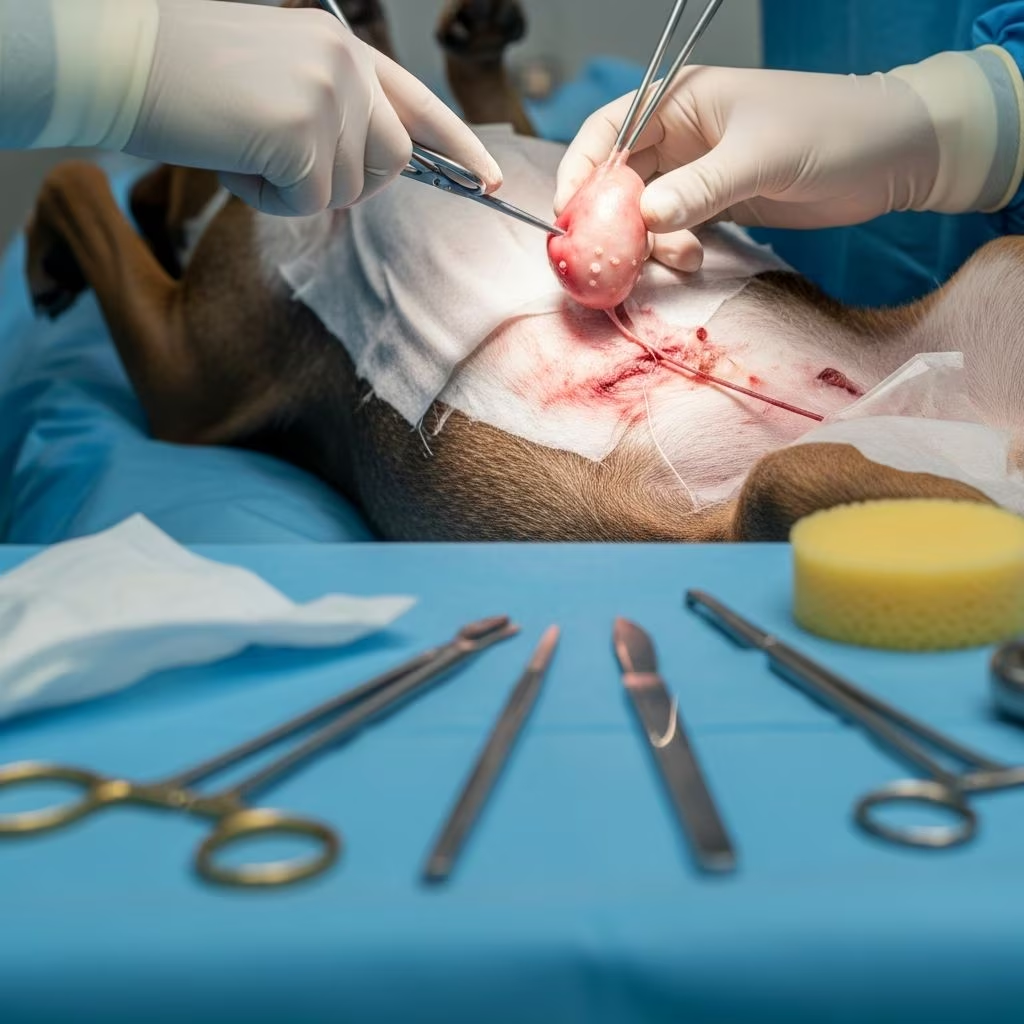
Pyometra, a severe uterine infection filling the organ with pus, primarily affects unspayed female dogs but can rarely occur in spayed ones due to incomplete removal of reproductive tissues. Spaying dramatically reduces this risk by eliminating hormonal triggers and the uterus, yet cases linked to ovarian remnants or uterine stumps highlight the need for awareness among owners.
Understanding Pyometra’s Core Mechanisms
Pyometra develops when bacteria, often E. coli, invade the uterus, thriving in an environment altered by hormonal shifts post-estrus. Progesterone thickens the uterine lining, creating cysts via cystic endometrial hyperplasia (CEH), which fosters bacterial growth. In unspayed dogs, this peaks 1-2 months after heat cycles.
Spaying via ovariohysterectomy removes ovaries and uterus, preventing these changes. However, rare ‘stump pyometra’ arises if uterine tissue remains, or ovarian remnant syndrome reactivates hormones, mimicking intact conditions.
Rare but Real: Pyometra After Spaying
In spayed dogs, pyometra incidence is under 1%, stemming from surgical oversights like retained ovarian tissue (0.1-0.5% of cases) or incomplete uterine ligation. These remnants respond to residual hormones, leading to infection. Vets report stump pyometra where leftover cervix or uterus becomes infected, presenting similarly to classic cases.
- Ovarian Remnant Syndrome: Fragments left during spay regrow, cycling heats and risking pyometra.
- Uterine Stump Pyometra: Proximal uterus remnants inflame, especially if bacteria ascend.
- Other Factors: Tumors or atypical bacteria like Brucella in remnants exacerbate risks.
Spotting the Warning Signs Early
Symptoms mirror those in intact dogs: lethargy, appetite loss, fever, polydipsia/polyuria, vomiting, and abdominal swelling. Discharge varies—visible in ‘open’ cases (pus/blood from vulva), absent in ‘closed’ ones, accelerating sepsis.
| Symptom | Open Pyometra | Closed Pyometra |
|---|---|---|
| Vaginal Discharge | Foul, pus-like, bloody | None (pus trapped) |
| Onset Speed | Gradual | Rapid, severe illness |
| Abdomen | Possible swelling | Distended, painful |
| Systemic Signs | Lethargy, thirst | Sepsis, collapse risk |
In spayed dogs, owners might dismiss signs as aging or unrelated, delaying care. Pale gums, panting, or weakness demand immediate vet visits.
Diagnosis: Confirming the Threat
Vets use history (recent heat in remnants), ultrasound (fluid-filled uterus/stump), bloodwork (elevated white cells, toxins), and cytology of discharge. Radiographs detect abdominal masses. Early detection via routine exams prevents rupture/peritonitis.
For spayed cases, hormone assays confirm remnants; exploratory surgery verifies.
Treatment Pathways for Success
Emergency ovariohysterectomy is gold standard for intact dogs, with 90-95% survival if pre-sepsis. Spayed dogs require stump removal or remnant excision. Medical options (prostaglandins, antibiotics) suit poor surgical candidates but risk recurrence.
- Surgical: Removes infected tissue; ICU post-op for fluids/antibiotics.
- Medical: Prostaglandins expel pus (side effects: panting, salivation); monitors needed.
- Supportive: IV fluids combat dehydration/kidney strain.
Prognosis excels (95%+) with prompt action; delays cause multi-organ failure.
Prevention: Beyond Basic Spaying
Spay before second heat minimizes CEH/pyometra risk (lifelong ~25% in unspayed). For remnants, vigilant post-spay monitoring—note heats, ultrasounds if suspected.
Breeds like Rottweilers, Bernese Mountain Dogs face higher odds; early spay advised. Routine wellness checks catch subclinical issues.
FAQs on Pyometra in Dogs
Is pyometra possible in spayed dogs?
Yes, rarely via ovarian remnants or uterine stumps, but spaying reduces risk to near zero.
How quickly does closed pyometra progress?
Days to fatal sepsis; no discharge masks urgency.
Can pyometra be treated without surgery?
Medically in select cases, but surgery prevents recurrence best.
What breeds are pyometra-prone?
Larger breeds post-multiple heats; any unspayed female risks it.
Does pyometra affect male dogs?
No, uterus-specific to females.
Long-Term Care Post-Treatment
Survivors thrive sans reproductive organs; monitor for complications like adhesions. Annual bloodwork tracks kidneys, as toxins linger. Spayed dogs enjoy longer, healthier lives, dodging mammary cancers too.
Owner education empowers: track cycles pre-spay, report anomalies. Pyometra’s rarity post-spay underscores surgery’s efficacy, yet vigilance ensures safety.
References
- Pyometra in Dogs: Causes, Signs and Treatment — Vetic. 2023. https://vetic.in/blog/pet-health/pyometra-in-dogs-signs-causes-diagnosis-treatment-and-prognosis/
- The Early Signs and Symptoms of Pyometra in Dogs — EVCC. 2023. https://evcc.com/blog/pyometra-signs-symptoms/
- Pyometra in Dogs: What Every Dog Owner Needs to Know — CareCredit. 2023. https://www.carecredit.com/well-u/pet-care/pyometra-in-dogs/
- Pyometra in Dogs — VCA Animal Hospitals. 2023. https://vcahospitals.com/know-your-pet/pyometra-in-dogs
- Early Signs of Pyometra in Dogs — Shore Pet Surgery. 2023. https://www.shorepetsurgery.com/blog/early-signs-of-pyometra-in-dogs.html
- Canine Pyometra: A Short Review of Current Advances — PMC – NIH. 2023-10-25. https://pmc.ncbi.nlm.nih.gov/articles/PMC10647846/
- Pyometra — Cornell University College of Veterinary Medicine. 2023. https://www.vet.cornell.edu/departments-centers-and-institutes/riney-canine-health-center/canine-health-topics/pyometra



