
Pyometra In Pets: 7 Urgent Symptoms And What To Do
Discover the hidden dangers of pyometra in dogs and cats, from early warning signs to life-saving treatments and proven prevention strategies.
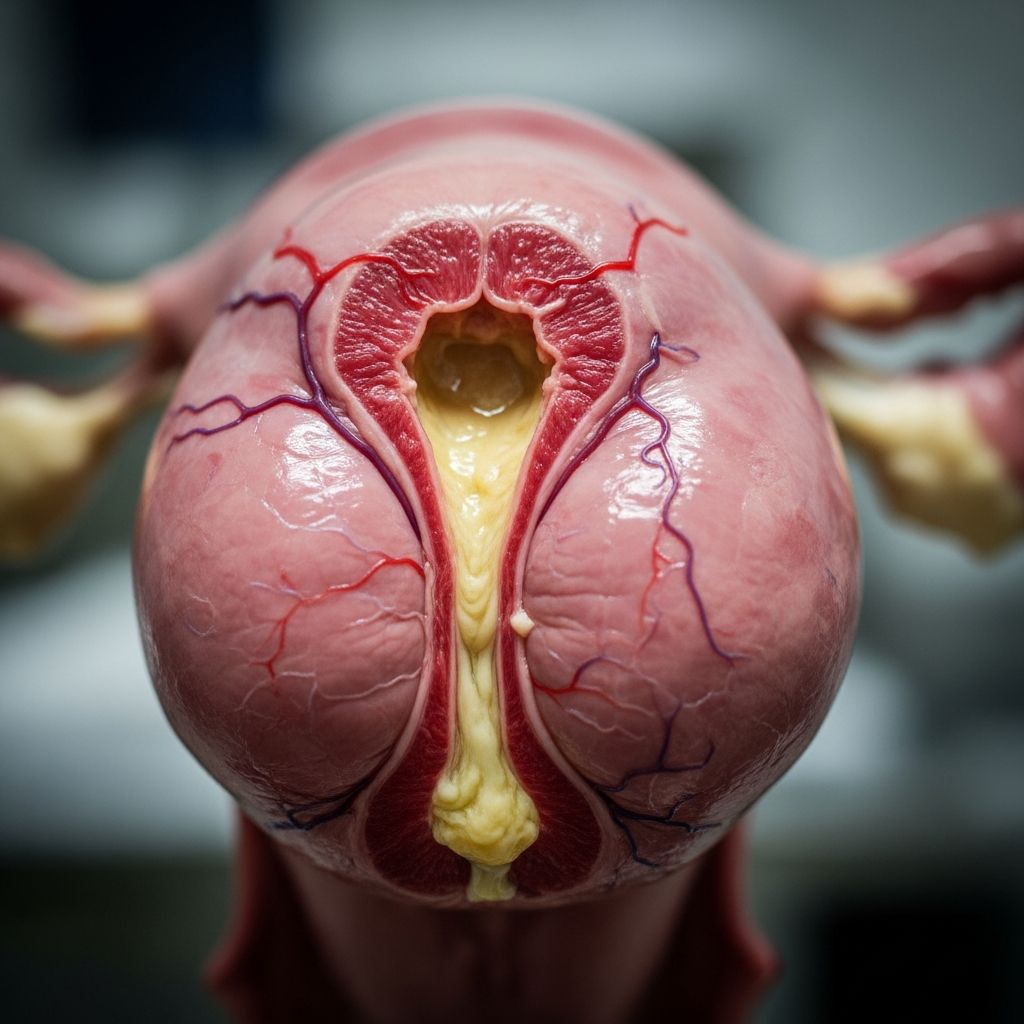
Pyometra represents a critical health crisis for unspayed female dogs and cats, characterized by a bacterial infection that fills the uterus with pus. This condition escalates rapidly, often becoming fatal without swift intervention, primarily affecting middle-aged or older intact females due to hormonal influences post-heat cycles.
The Hidden Mechanisms Behind Pyometra Development
During a female pet’s estrus cycle, hormonal surges like progesterone thicken the uterine lining to support potential pregnancy. If no pregnancy occurs, this lining becomes vulnerable to bacterial invasion, typically from E. coli ascending from the vagina. The infection proliferates, forming pus pockets within the uterus.
Two forms exist: open pyometra, where the cervix allows pus discharge, and closed pyometra, where the cervix seals, trapping toxins that lead to sepsis faster. Both demand urgent action, as bacteria release endotoxins harming organs via bloodstream spread.
Critical Symptoms Demanding Immediate Attention
Early detection hinges on recognizing subtle shifts that worsen quickly. Owners often miss initial signs, mistaking them for minor ailments.
- Lethargy and weakness: Pets appear unusually tired, reluctant to play or move.
- Loss of appetite: Refusal of food, leading to rapid weight loss.
- Increased thirst and urination: Polydipsia and polyuria signal kidney strain from toxins.
- Vomiting and diarrhea: Gastrointestinal upset from systemic infection.
- Vaginal discharge: In open cases, bloody, pus-like fluid; absent in closed cases.
- Abdominal swelling or pain: Distended belly from uterine enlargement.
- Fever or pale gums: Indicators of advancing sepsis.
Cats groom excessively, hiding discharge, while dogs show it more visibly. Any unspayed female over 5 years exhibiting these post-heat requires emergency vet evaluation.
Diagnostic Approaches for Swift Confirmation
Veterinarians employ a multi-step process to diagnose pyometra accurately, ruling out similar conditions like urinary infections or tumors.
| Method | Purpose | Key Findings |
|---|---|---|
| Physical Exam | Assess abdomen | Painful, enlarged uterus palpable |
| Bloodwork | Check organ function | Elevated white cells, toxins; kidney/liver markers |
| Ultrasound/X-ray | Visualize uterus | Fluid-filled tubes, swelling confirmed |
| Vaginal swab | Identify bacteria | Culture guides antibiotics |
These tools confirm pyometra, gauge severity, and prepare for treatment, with closed cases often showing graver blood abnormalities.
Primary Treatment: Surgical Resolution
The gold standard is ovariohysterectomy (spay), removing the infected uterus and ovaries. Early-stage pets recover excellently, though surgery is riskier due to systemic illness.
- Stabilization: IV fluids correct dehydration; antibiotics combat infection.
- Surgery: Under anesthesia, excision prevents rupture and sepsis spread.
- Post-op care: Hospital monitoring, pain relief, antibiotics for 2 weeks.
Most pets stabilize within days, returning home cone-clad to prevent incision interference. Fatality rates hover around 5-6% with prompt care, far higher if delayed.
Alternative Medical Options for Breeding Pets
For valuable breeders, prostaglandin drugs with antibiotics flush the uterus non-surgically. Risks include recurrence (up to 70%), abdominal pain, and side effects like panting or fever. Not advised for sick pets; spay recommended post-treatment.
Post-Treatment Recovery Roadmap
Recovery spans 10-14 days. Monitor for clean incisions, normal eating, and bowel movements. Restrict activity, administer meds as prescribed. Full health returns swiftly, eliminating future pyometra risk.
- Daily incision checks: No redness, swelling, or discharge.
- Prevent licking: Use e-collar or suit.
- Follow-up: Vet recheck at 10-14 days.
Proven Prevention Through Spaying
Spaying before first heat slashes pyometra risk dramatically, also curbing mammary cancers and unwanted litters. Timing matters: Younger pets face lower surgical risks. For intact pets, routine post-heat checks catch issues early.
Pyometra Across Dogs and Cats: Key Differences
| Aspect | Dogs | Cats |
|---|---|---|
| Onset Age | Middle-aged+ | Any age, often older |
| Discharge Visibility | Often obvious | Hidden by grooming |
| Progression Speed | Days to weeks | Hours to days |
| Surgery Complexity | Higher volume | Routine but urgent |
Dogs show bolder signs; cats decline stealthily, heightening closed pyometra dangers.
Frequently Asked Questions (FAQs)
What triggers pyometra most commonly?
Hormonal changes post-estrus invite bacterial overgrowth in the uterus.
Can pyometra resolve without treatment?
No; it invariably worsens, risking organ failure and death.
Is pyometra preventable in all cases?
Yes, via spaying, the most reliable safeguard.
How long post-heat does pyometra appear?
Typically 1-2 months after, during progesterone peak.
What if my pet is pregnant—can it have pyometra?
Yes, mimicking pregnancy complications; treatment ends pregnancy.
Real-World Impact: Survival Statistics
Early intervention yields over 90% survival; delays elevate mortality. Spaying populations show near-zero incidence, underscoring prevention’s power.
References
- Pyometra in Cats — VCA Animal Hospitals. 2023. https://vcahospitals.com/know-your-pet/pyometra-in-cats
- Pyometra in Cats: Signs, Treatment, and When It’s an Emergency — GSVS. 2024. https://gsvs.org/blog/pyometra-in-cats-emergency/
- Pyometra Prevention: Uterine Infections in Cats and Dogs — Emerald Animal Hospital. 2023. https://emeraldanimal.com/pyometra-prevention-uterine-infections-in-cats-and-dogs/
- Pyometra in Cats: What Is It and How Do Vets Treat It? — PetMD. 2024. https://www.petmd.com/cat/conditions/reproductive/pyometra-cats-what-it-and-how-do-vets-treat-it
- Canine Pyometra: A Short Review of Current Advances — PMC (NCBI). 2023-10-25. https://pmc.ncbi.nlm.nih.gov/articles/PMC10647846/
Similar Articles








Read full bio of medha deb


