

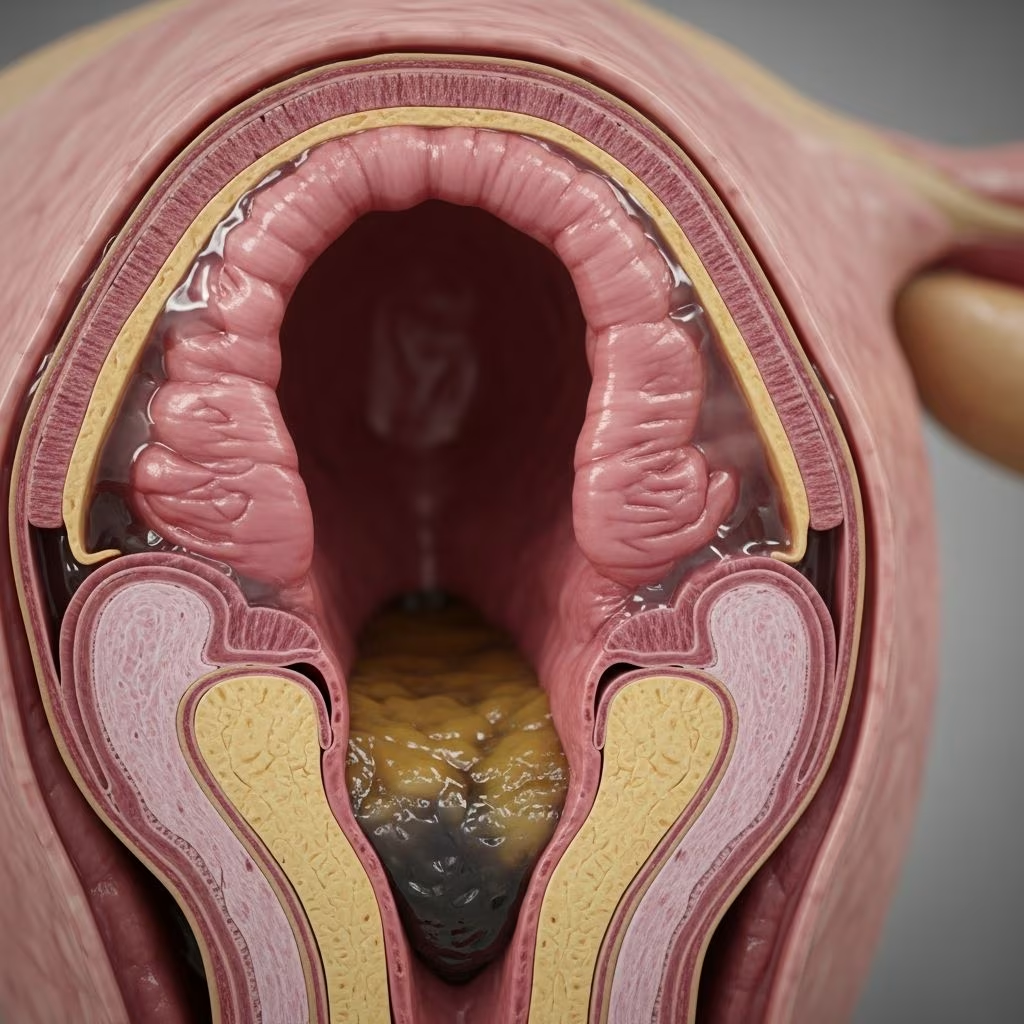
Pyometra represents a significant reproductive challenge in mares, defined as the buildup of pus within the uterine cavity due to bacterial infection and impaired clearance mechanisms. This condition primarily stems from cervical dysfunction or chronic endometritis, rendering affected mares infertile while typically sparing their overall vitality.
Understanding the Pathophysiology of Uterine Pyometra
The uterus in healthy mares efficiently clears debris and bacteria through muscular contractions and mucus production. In pyometra cases, this process falters, often because of a rigid or scarred cervix that fails to open properly during estrus. Common triggers include persistent corpora lutea, which maintain high progesterone levels, preventing full cervical dilation and promoting fluid retention.
Bacterial invaders, such as Streptococcus zooepidemicus or Pseudomonas aeruginosa, exploit this environment, leading to persistent inflammation. Environmental factors like dusty conditions can exacerbate endometrial damage, fostering fibrosis and glandular atrophy that further hampers clearance. Unlike in dogs, where pyometra often proves life-threatening, equine cases seldom cause fever, depression, or appetite loss, allowing mares to appear outwardly normal.
Recognizing Clinical Manifestations in Affected Mares
Mares with pyometra may exhibit subtle or absent symptoms, complicating early detection. Key indicators include:
- Irregular estrous cycles, such as prolonged diestrus or shortened intervals between heats.
- Intermittent vaginal discharge, typically purulent and noticeable only during estrus when the cervix partially relaxes.
- A distended uterus palpable on rectal exam, feeling fluid-filled and larger than normal.
- Infertility, with repeated breeding failures despite normal ovulation.
Owners might notice poor body condition in chronic cases, though systemic illness remains rare. Differentiation from pregnancy is crucial, as both present with uterine enlargement.
Diagnostic Approaches for Accurate Identification
Veterinarians employ a multi-faceted strategy to confirm pyometra:
- Rectal Palpation: Reveals a fluid-filled, non-gravid uterus.
- Ultrasonography: Visualizes hypoechoic fluid accumulations and endometrial thickening.
- Uterine Culture and Cytology: Identifies pathogens and inflammatory cells from swab samples.
- Endometrial Biopsy: Assesses tissue damage, fibrosis, or atrophy.
These tests rule out pregnancy via hormone assays or ultrasound, ensuring appropriate intervention.
Therapeutic Strategies: From Conservative to Surgical
Treatment aims to evacuate pus, eliminate infection, and restore fertility where possible. Options vary by severity:
| Approach | Description | Success Rate | Suitability |
|---|---|---|---|
| Uterine Lavage | Infusion and drainage of sterile fluids (e.g., 2-10 liters saline) to flush debris. | Moderate; recurrence common | Mild cases, breeding mares |
| Pharmacological | Prostaglandins (PGF2α) to lyse corpora lutea; oxytocin for contractions; antibiotics based on culture. | 60-80% initial clearance | Early, open cervix cases |
| Surgical | Ovariohysterectomy or cervical resection for drainage. | High for resolution | Recurrent, severe, non-breeding mares |
Medical management succeeds in about 80% of initial treatments but often recurs without addressing underlying cervical issues. Surgery guarantees cure but ends reproductive capability.
Factors Influencing Prognosis and Fertility Outcomes
Prognosis hinges on cervical integrity and endometrial health. Mares with minimal fibrosis respond best to lavage and hormones, conceiving within 3-4 cycles post-treatment. Severe atrophy or adhesions predict poor fertility, favoring surgical salvage. Studies indicate first-service conception rates post-therapy around 20-40%, improving with repeated breedings.
Preventive Measures for Horse Owners
Proactive steps mitigate pyometra risk:
- Maintain hygiene in breeding sheds to reduce bacterial exposure.
- Monitor cycles and palpate regularly in subfertile mares.
- Promptly treat dystocias or metritis to prevent scarring.
- Avoid irritating intrauterine therapies unless essential.
- Consider environmental controls in dusty regions.
Early detection via routine reproductive exams enhances outcomes.
Comparative Insights: Pyometra Across Species
While canine pyometra demands emergency spaying due to sepsis risks, equine versions prioritize fertility preservation. In cows, PGF2α alone resolves most cases without lavage, contrasting mares’ need for mechanical evacuation. These differences underscore species-specific hormonal and anatomical adaptations.
Emerging Research and Biomarkers
Recent studies explore acute-phase proteins, cytokines, and oxidative stress markers for earlier diagnosis in Arabian mares, potentially improving intervention timing. Polymyxin B trials address antibiotic-resistant infections, though neurotoxicity warrants caution.
Frequently Asked Questions (FAQs)
What causes pyometra in mares?
Primarily cervical fibrosis, adhesions, or poor uterine clearance allowing bacterial proliferation.
Is pyometra fatal in horses?
Rarely, as it seldom causes systemic illness, unlike in dogs.
Can mares recover fertility after treatment?
Yes, with conservative therapy in mild cases, though recurrence risks persist.
How is pyometra diagnosed?
Via ultrasound, palpation, cultures, and biopsies to exclude pregnancy.
Should I breed a mare with pyometra history?
Only after veterinary clearance and monitoring, given reduced conception rates.
Pyometra demands vigilant management to protect mare health and breeding potential. Consult equine specialists promptly for tailored plans.
References
- Pyometra in Horses – Horse Owners – MSD Veterinary Manual — MSD Veterinary Manual. 2023. https://www.msdvetmanual.com/horse-owners/reproductive-disorders-of-horses/pyometra-in-horses
- Pyometra | Cornell University College of Veterinary Medicine — Cornell University. 2023. https://www.vet.cornell.edu/departments-centers-and-institutes/riney-canine-health-center/canine-health-topics/pyometra
- Pyometra in Production Animals – Reproductive System — Merck Veterinary Manual. 2023. https://www.merckvetmanual.com/reproductive-system/uterine-diseases-in-production-animals/pyometra-in-production-animals
- Uterus: pyometra in Horses (Equis) — Vetlexicon. 2023. https://www.vetlexicon.com/equis/reproduction/articles/uterus-pyometra/
- Pyometra in Horses – Equine Research Database — Mad Barn. 2023. https://madbarn.com/research-topics/pyometra/



