

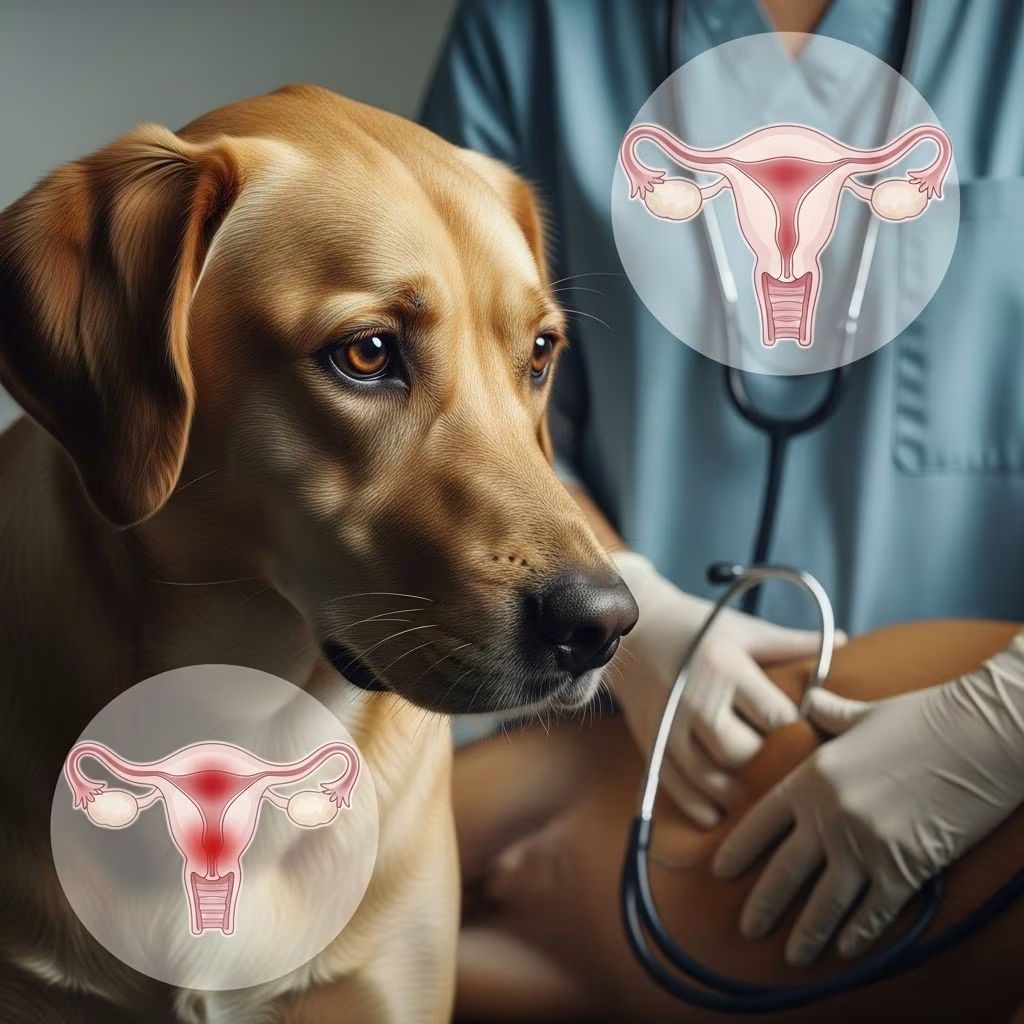
Pyometra in Dogs: A Serious Reproductive Condition
Pyometra is a potentially life-threatening infection of the uterus that primarily affects unspayed female dogs. This condition develops as a result of hormonal changes that occur during a dog’s heat cycle, creating an environment where harmful bacteria can thrive and multiply. Understanding pyometra is crucial for dog owners because early recognition and prompt treatment can be the difference between life and death for an affected dog.
The severity of pyometra cannot be overstated—it is considered a medical emergency that requires immediate veterinary attention. Dogs with pyometra can deteriorate rapidly, especially in cases where the cervix is closed and bacterial toxins accumulate within the uterus. Spaying remains the gold standard preventative measure, eliminating the hormonal cycles that lead to this dangerous condition.
Understanding the Causes of Pyometra
Pyometra develops through a complex interplay of hormonal and bacterial factors. The primary cause is bacterial infection, predominantly caused by E. coli bacteria that ascend from the intestinal tract into the uterus. Researchers have identified that E. coli accounts for 57 to 100 percent of pyometra cases in dogs, making it the overwhelming leading cause of this condition.
The hormonal component is equally important. During a dog’s heat cycle, the body produces progesterone, a hormone that prepares the uterus for pregnancy. However, elevated progesterone levels also reduce the uterus’s ability to defend itself against bacterial invasion by decreasing white blood cells in the uterine lining. This combination of increased hormones and decreased white blood cells creates an ideal environment for bacterial proliferation.
Several risk factors increase a dog’s likelihood of developing pyometra:
- Age: The condition is more common in middle-aged to older unspayed dogs, with risk increasing significantly after age five
- Repeated Heat Cycles: Each heat cycle the dog experiences increases her risk of developing pyometra
- Breed Predisposition: Larger breeds such as Golden Retrievers, Rottweilers, and Bernese Mountain Dogs appear to have higher susceptibility
- Hormonal Medications: Dogs receiving progesterone-based medications for heat prevention or other hormonal therapies face elevated risk
- Dietary Factors: Recent research has shown an increase in pyometra cases among dogs fed raw meat diets, likely due to increased numbers of bacteria such as salmonella and E. coli in their stool
Recognizing the Symptoms of Pyometra
Pyometra symptoms typically develop four to eight weeks after a dog completes her heat cycle. However, the specific symptoms can vary considerably depending on whether the cervix remains open or has closed, which significantly affects disease severity.
Common symptoms of pyometra include:
- Increased water consumption and frequent urination
- Nausea or vomiting
- Vaginal discharge that may appear purulent (containing pus) or bloody and have a foul odor
- Abdominal distention or bloating
- Lethargy and depression
- Loss of appetite or changes in eating habits
- Frequent panting
- Collapse or extreme weakness
- Fever
It is important to note that a common misconception exists among dog owners: the assumption that vaginal discharge will always be visible if pyometra is present. This is not necessarily true. In cases of open pyometra, discharge may be visible as the cervix remains partially open, allowing drainage. However, in closed pyometra situations, the cervix remains tightly sealed except during heat cycles, preventing any external drainage and creating a much more dangerous situation.
Open Versus Closed Pyometra: Understanding the Difference
Open Pyometra occurs when the cervix remains partially open, allowing infected uterine contents to drain through the vagina. While still serious, this form allows for some drainage of the infection and is generally less immediately life-threatening than its closed counterpart. Dogs with open pyometra may show vaginal discharge, but symptoms may develop more gradually.
Closed Pyometra presents a more severe scenario. When the cervix is completely closed, purulent material accumulates within the uterus, causing the abdomen to become noticeably distended or swollen. The bacteria release toxins that are absorbed into the bloodstream, leading to systemic illness. Dogs with closed pyometra become severely ill very rapidly, often showing signs of sepsis including anorexia (refusal to eat), listlessness, depression, vomiting, and diarrhea.
The bacterial toxins also affect kidney function, impairing the kidneys’ ability to retain fluid. This leads to increased urine production and compensatory increased water consumption, a symptom present in both types of pyometra. Closed pyometra requires emergency treatment as delayed intervention can result in rupture of the uterus, peritonitis, septic shock, and death.
Diagnosis of Pyometra
Veterinary diagnosis of pyometra typically involves multiple diagnostic approaches. A thorough physical examination combined with the dog’s history of recent heat cycles provides initial suspicion of the condition. Laboratory work including complete blood count and biochemistry panel often reveals elevation in white blood cells, indicating infection, along with other abnormalities reflecting systemic illness.
Transabdominal ultrasound is the definitive diagnostic tool, allowing visualization of uterine enlargement and fluid accumulation within the uterus. This imaging technique is essential for confirming pyometra diagnosis and determining whether the cervix appears open or closed. In some cases, radiography may also be performed to assess abdominal status and rule out other conditions.
Treatment Options for Pyometra
Two primary treatment approaches exist for managing pyometra: surgical intervention and medical management. The choice between these options depends on disease severity, cervical status, the dog’s overall health, and the owner’s goals regarding the dog’s reproductive future.
Surgical Treatment: Ovariohysterectomy
Surgical removal of the infected uterus and ovaries through an ovariohysterectomy (spay procedure) remains the preferred and most effective treatment for pyometra. Dogs diagnosed in early disease stages are excellent surgical candidates and typically have favorable prognoses. However, most dogs are diagnosed when they are quite ill, making the surgical procedure considerably more complex than a routine spay on a healthy dog.
Pyometra surgery typically costs five to ten times more than a routine spay due to the increased complexity. The surgical procedure requires extreme caution to ensure that pus and bacteria are not spilled into the abdominal cavity during removal. Dogs require intravenous fluid therapy before and after surgery to correct dehydration, electrolyte imbalances, and systemic effects of the infection. Antibiotics are administered for at least two weeks post-operatively to eliminate residual infection and prevent complications.
Most dogs recover well from emergency pyometra surgery if treated promptly, though hospitalization periods tend to be longer for severely affected individuals. The procedure is curative and eliminates all future risk of pyometra recurrence.
Medical Management
Medical treatment represents an alternative approach, primarily considered for dogs of high genetic value or those at high risk for anesthesia complications. Medical management is only possible in open pyometra cases where the cervix is open, allowing for drainage of infected material. It cannot be attempted in closed pyometra situations.
Medical protocols aim to achieve several objectives simultaneously:
- Stabilize the patient through supportive care
- Eliminate progesterone effects on the reproductive tract through progesterone receptor antagonists, dopamine agonists, or prostaglandins
- Induce uterine muscle contractions to expel purulent contents
- Manage bacterial infection through appropriate antimicrobial therapy
Prostaglandin Therapy: Prostaglandins, particularly cloprostenol (a synthetic prostaglandin), are administered by injection to relax the cervix and induce strong uterine contractions that help expel infected material. Cloprostenol is typically given at a dose of 1 to 5 micrograms per kilogram subcutaneously every 24 hours. Common side effects include panting, vomiting, hypersalivation, anxiety, shivering, diarrhea, and increased urination. Extreme caution must be exercised with brachycephalic (flat-faced) breeds due to their predisposition to bronchospasm.
Antimicrobial Therapy: Appropriate antibiotics are crucial for controlling the bacterial infection. Initial antibiotic selection typically includes amoxicillin-clavulanate or combinations of penicillin and fluoroquinolone pending culture and sensitivity results. For dogs experiencing vomiting from prostaglandin use, injectable antimicrobial therapy may be necessary. Common choices include ampicillin (10-20 mg/kg intravenously every 6 hours) combined with enrofloxacin, or amoxicillin-sulbactam (10-20 mg/kg intravenously every 8 hours). Antimicrobial therapy typically continues for two weeks beyond complete resolution of pyometra.
Monitoring Progress: Transabdominal ultrasound is performed daily to monitor uterine size and evacuation of luminal contents. Clinical improvement should be expected within 48 hours of starting therapy. Complete resolution of pyometra is indicated by complete uterine evacuation, cessation of vaginal discharge, return of serum progesterone concentration to baseline levels (less than 3.2 nanomoles per liter), normalization of blood work and biochemical parameters, and return to normal diet and activity.
Important Limitation: Medical management has a significant drawback: if the dog does not become pregnant during the next heat cycle, the recurrence rate of pyometra is estimated at 77 percent. This makes medical management suitable only for breeding dogs where planned pregnancy will follow immediately after resolution.
Prevention of Pyometra
The most effective prevention strategy is spaying (ovariohysterectomy) of female dogs early in life. This surgical procedure completely eliminates hormonal heat cycles and removes the uterus, rendering pyometra impossible. Spaying performed on young, healthy dogs is a routine procedure with minimal complications and lifelong protective benefits.
For owners choosing not to spay their dogs, maintaining awareness of heat cycle timing and recognizing early warning signs becomes critical. Prompt veterinary evaluation of any suspicious symptoms can facilitate early diagnosis and treatment before the condition progresses to life-threatening severity.
Prognosis and Recovery
With prompt diagnosis and appropriate treatment, the prognosis for pyometra is generally good. Dogs treated surgically in early disease stages typically have excellent outcomes with complete recovery and return to normal function. Even severely ill dogs can recover well if emergency surgery is performed quickly, though recovery may require extended hospitalization and supportive care.
The key to favorable outcomes is early recognition of symptoms and immediate veterinary consultation. Any unspayed female dog showing signs of illness during the weeks following a heat cycle should be evaluated for pyometra without delay.
Frequently Asked Questions About Pyometra in Dogs
Q: Can spayed dogs develop pyometra?
A: No. Once the uterus and ovaries are removed during spaying, pyometra cannot develop. This is why spaying is the definitive preventative measure.
Q: How quickly can pyometra develop after a heat cycle?
A: Pyometra typically develops four to eight weeks after a dog completes her heat cycle, though symptoms may develop at varying rates depending on whether pyometra is open or closed.
Q: Is pyometra contagious to other dogs?
A: No. Pyometra is not contagious between dogs. It develops internally in individual female dogs due to hormonal and bacterial factors.
Q: Can young dogs develop pyometra?
A: While less common, pyometra can occur in younger dogs, particularly those on progesterone-based medications. However, it is more prevalent in middle-aged to older unspayed dogs.
Q: What is the cost difference between surgical and medical treatment?
A: Pyometra surgery is typically five to ten times more expensive than routine spaying due to increased complexity and longer hospitalization. Medical management costs vary but generally require extended veterinary monitoring and multiple medications.
Q: Will my dog need long-term medication after treatment?
A: Dogs treated surgically typically do not require long-term medication beyond the two-week post-operative antibiotic course. Medical management may require ongoing monitoring during recovery, and breeding females receiving medical treatment need planned pregnancy during the next heat cycle.
References
- Pyometra in Dogs — VCA Animal Hospitals. 2025. https://vcahospitals.com/know-your-pet/pyometra-in-dogs
- Medical Management of Canine Pyometra — VetEducation.com. 2024. https://veteducation.com/medical-management-of-canine-pyometra/
- Pyometra in Dogs: What Every Dog Owner Needs to Know — CareCredit Well-U. 2025. https://www.carecredit.com/well-u/pet-care/pyometra-in-dogs/
- Pyometra in Dogs — PetMD. 2025. https://www.petmd.com/dog/conditions/reproductive/pyometra-dogs
- Pyometra: Causes, Diagnosis and Treatment — Towne Center Animal Hospital. 2024. https://www.townecenteranimalhospital.com/pyometra-causes-diagnosis-treatment/
- Pyometra in Dogs and Cats: Signs, Treatment, and Prevention — Greenfield Pet Vet. 2024. https://greenfieldpetvet.com/pyometra-in-dogs-and-cats-signs-treatment-and-prevention/



