

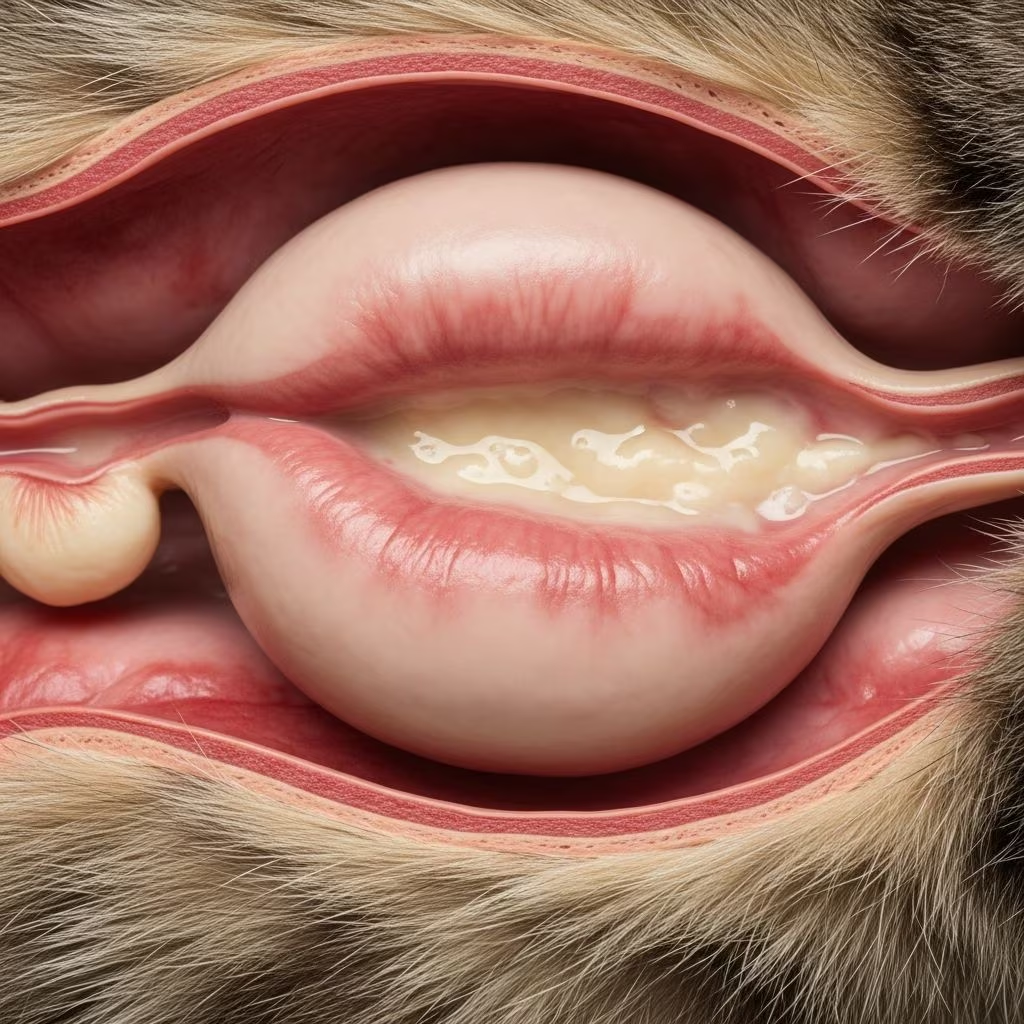
Pyometra is a potentially fatal bacterial infection of the uterus that primarily affects unspayed female cats, often occurring after heat cycles due to hormonal changes that thicken the uterine lining and allow bacterial proliferation.
What Is Pyometra in Cats?
Pyometra, meaning ‘pus in the uterus,’ develops when bacteria, commonly Escherichia coli from the vagina, ascend into the uterus during a cat’s estrus (heat) cycle. Progesterone surges post-ovulation cause the uterine lining to thicken, creating an ideal environment for bacterial growth and pus accumulation. This condition is a medical emergency, as toxins from bacteria can enter the bloodstream, leading to sepsis, organ failure, or death if untreated.
Unspayed queens are at highest risk, with symptoms typically appearing 4-8 weeks after heat ends. Early detection is crucial, as closed-cervix pyometra can rupture, causing peritonitis.
Types of Pyometra in Cats
Pyometra is classified into two types based on cervical status, each with distinct risks and presentations.
- Open Pyometra: The cervix remains open, allowing pus to drain externally. This leads to visible vaginal discharge (yellow, green, bloody, or foul-smelling), making diagnosis easier but still dangerous due to ongoing infection.
- Closed Pyometra: The cervix seals shut, trapping pus and bacteria inside. This is more life-threatening, with subtler symptoms like abdominal swelling and higher rupture risk, potentially causing rapid sepsis.
Open cases are noticed sooner due to discharge, while closed cases progress silently, often presenting in advanced stages with shock.
Symptoms of Pyometra in Cats
Symptoms in cats are often vague and insidious compared to dogs, as felines groom excessively, hiding discharge, and tend to hide illness. Watch for these signs 2-8 weeks post-heat:
- Lethargy, weakness, or hiding more than usual.
- Loss of appetite or refusal to eat.
- Increased thirst (polydipsia) and urination (polyuria).
- Vomiting, drooling, or diarrhea.
- Abdominal distension or tenderness (swollen belly).
- Unkempt coat from reduced grooming.
- Vaginal discharge (in open pyometra): bloody, pus-filled, or foul.
- Fever, low body temperature, or collapse in severe cases.
Cats may lick excessively under the tail or avoid litter box use. Subtle behavioral shifts like reduced play or interaction are early red flags. Closed pyometra often shows systemic signs first, mimicking other illnesses.
Causes and Risk Factors of Pyometra in Cats
The primary cause is bacterial invasion during diestrus, when progesterone levels stay high for 30-40 days, suppressing uterine contractions and immune response. E. coli is most common (followed by Streptococcus), entering via the vagina.
Risk factors include:
- Intact (unspayed) status: Nearly all cases occur in unspayed cats.
- Age: Older cats (5+ years) have higher cumulative risk after multiple heats.
- Previous heat cycles: Each increases exposure.
- Hormone therapies: Progesterone or contraceptives elevate risk.
- Breeding history: Even non-breeders are susceptible.
Spaying eliminates risk by removing ovaries and uterus.
How Is Pyometra Diagnosed in Cats?
Vets suspect pyometra from history (recent heat, unspayed) and symptoms, confirming via:
- Physical exam: Palpating enlarged, doughy uterus; checking discharge.
- Bloodwork: Elevated white blood cells, toxins indicating sepsis; kidney values (elevated due to dehydration).
- Ultrasound or radiographs: Visualize fluid-filled uterus, rule out pregnancy/masses.
- Vaginal cytology: Bacteria/pus in discharge.
- Urinalysis: Kidney involvement.
Early-stage cats are stable surgical candidates; advanced cases need stabilization first. Differential diagnoses include pregnancy, metritis, or tumors.
Treatment for Pyometra in Cats
Emergency ovariohysterectomy (spay) is the gold standard, curative and preventive. Surgery removes infected uterus/ovaries, but is riskier than routine spays due to friable tissues and patient instability.
Pre-surgery stabilization (critical):
- IV fluids for hydration/shock.
- Broad-spectrum antibiotics (e.g., Clavamox, Convenia) for 2+ weeks.
- Pain relief and anti-nausea meds.
Medical management (rare, breeding cats only): Prostaglandins/hormones + antibiotics for open pyometra; 95% resolve illness, 60% regain fertility, but 0-14% recurrence. Not recommended due to risks vs. surgery.
| Treatment Type | Pros | Cons | Best For |
|---|---|---|---|
| Surgical (OVH) | Curative, no recurrence, standard | Higher complexity, hospitalization | All cases, esp. closed/severe |
| Medical | Preserves fertility | High recurrence, side effects (vomiting, pain) | Young breeding queens only |
Delay risks rupture/sepsis; immediate vet care saves lives.
Recovery and Prognosis for Cats with Pyometra
Prognosis is excellent with early intervention: 5.6% fatality rate overall. Post-op recovery takes 10-14 days:
- Hospitalization: 1-3 days for fluids/antibiotics.
- Home care: E-collar/suit to prevent licking incision; monitor for infection (redness, discharge).
- Medications: Oral antibiotics, pain meds (gabapentin/buprenorphine).
- Rest: Limit activity; check incision daily.
- Follow-up: Bloodwork recheck in 2 weeks.
Complications (rare): Sepsis, anesthesia risks. Spayed cats return to normal life without recurrence risk.
Prevention of Pyometra in Cats
Spay before first heat (ideally 4-6 months) prevents pyometra 100%, plus eliminating mammary/ovarian cancers. For breeders, vigilant post-heat monitoring and prompt vet checks. Avoid hormone treatments. Routine wellness exams catch early signs.
Frequently Asked Questions (FAQs)
What is pyometra in cats?
Pyometra is a pus-filled uterine infection in unspayed female cats, caused by bacteria entering post-heat, requiring urgent spay surgery.
Can pyometra in cats be fatal?
Yes, untreated pyometra leads to sepsis and death; early treatment has over 94% survival.
How do I know if my cat has pyometra?
Look for lethargy, no appetite, increased thirst, abdominal swelling, or vaginal discharge 4-8 weeks after heat.
Is surgery the only treatment for pyometra?
Surgery is preferred and curative; medical options exist for breeders but carry recurrence risks.
Can spaying prevent pyometra?
Yes, spaying removes the uterus/ovaries, eliminating risk entirely.
What are the symptoms of closed pyometra in cats?
Subtle: lethargy, vomiting, swollen abdomen, thirst; no discharge, higher danger.
References
- Pyometra in Cats | VCA Animal Hospitals — VCA. 2023. https://vcahospitals.com/know-your-pet/pyometra-in-cats
- Pyometra in Cats: What Is It and How Do Vets Treat It? — PetMD. 2024. https://www.petmd.com/cat/conditions/reproductive/pyometra-cats-what-it-and-how-do-vets-treat-it
- Pyometra | Cornell University College of Veterinary Medicine — Cornell Vet. 2023. https://www.vet.cornell.edu/departments-centers-and-institutes/riney-canine-health-center/canine-health-topics/pyometra
- Understanding Pyometra: Part II. Diagnosis, Treatment and Prognosis — EveryCat Health Foundation. 2022. https://everycat.org/cat-health/understanding-pyometra-part-ii-diagnosis-treatment-and-prognosis/
- Pyometra in Cats – Symptoms, Causes, Diagnosis, Treatment — WagWalking. 2024. https://wagwalking.com/cat/condition/pyometra



