
Pyometra in Dogs: Symptoms, Diagnosis, and Treatment
Understanding pyometra in dogs: recognize symptoms, get proper diagnosis, and explore treatment options for your pet's health.
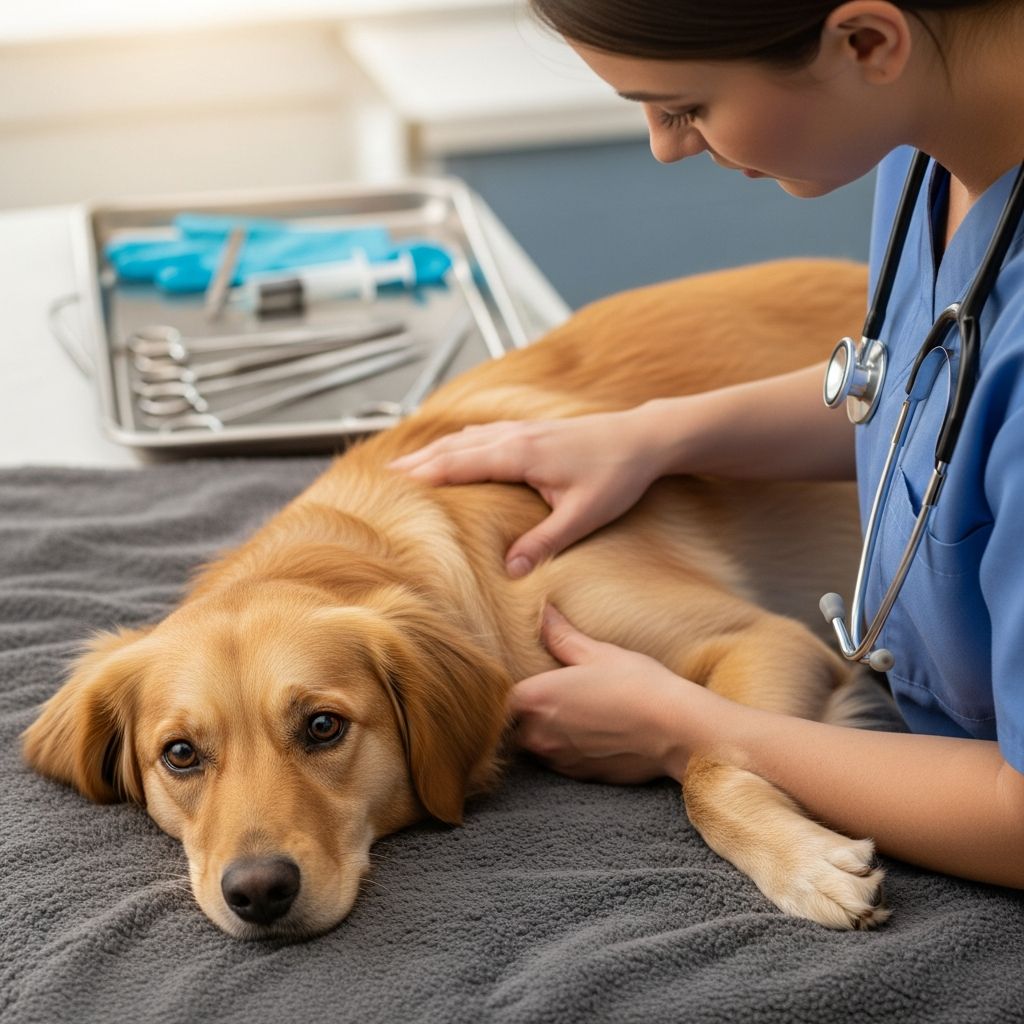
Pyometra is a serious and potentially life-threatening infection of the uterus that affects female dogs, particularly those that have not been spayed. This condition develops when bacteria invade the uterus and cause it to fill with pus, creating a medical emergency that demands immediate veterinary attention. Understanding the symptoms, diagnostic procedures, and treatment options is crucial for every dog owner, especially those with unspayed female dogs. Early recognition and prompt intervention can mean the difference between life and death for your beloved pet.
What Is Pyometra?
Pyometra, often referred to as “pyo” by veterinarians, is a life-threatening uterine infection that occurs exclusively in female dogs who have not been spayed. The condition develops when bacteria colonize the uterus, typically during the heat cycle, and the infected organ becomes filled with pus. There are two forms of this disease: open pyometra and closed pyometra. In open pyometra, the cervix remains open, allowing discharge to drain from the vagina. In closed pyometra, the cervix closes, trapping the infection inside the uterus, which leads to rapid accumulation of pus and more severe symptoms. Closed pyometra is considered more dangerous because the infection and toxins remain contained within the body, causing systemic illness to develop quickly. If left untreated, pyometra can lead to sepsis, shock, organ failure, and ultimately death.
When Does Pyometra Develop?
Pyometra typically develops one to three months after a dog completes her heat cycle, though it can occur at various times. The condition is most common in middle-aged and older dogs, but it can affect dogs of any age that have not been spayed. The infection begins when bacteria enter the uterus and proliferate within the hormone-altered environment following estrus. The longer a female dog remains unspayed, the greater her cumulative risk of developing this condition throughout her lifetime.
Recognizing the Symptoms
The symptoms of pyometra can vary depending on whether the cervix is open or closed, and how advanced the infection is. Dogs examined early in the course of the disease may have only a slight vaginal discharge with minimal other signs. However, most dogs are not brought to the veterinarian until they are quite ill and displaying multiple concerning symptoms.
Common Signs of Pyometra
The most frequently observed symptoms include:
- Increased thirst and water consumption
- Increased urination
- Vaginal discharge that may be pus-like, bloody, or foul-smelling
- Lethargy and depression
- Loss of appetite or poor appetite
- Nausea or vomiting
- Diarrhea
- Fever
- Frequent panting
- Bloated or distended abdomen
- Painful, enlarged abdomen
- Unusual collapse or weakness
In closed pyometra, symptoms can be particularly severe and develop rapidly. When the cervix is closed and pus accumulates inside the uterus, the dog may experience severe weakness, vomiting, diarrhea, and signs of shock. Any unspayed female dog displaying increased water consumption, increased urination, and vaginal discharge should be suspected of having pyometra and requires immediate veterinary evaluation.
Diagnosing Pyometra
Early detection and prompt medical attention are critical to your dog’s survival. Veterinarians diagnose pyometra through a combination of clinical evaluation and diagnostic testing.
Medical History and Physical Examination
Your veterinarian will begin by asking detailed questions about your dog’s medical history, recent heat cycles, and the specific symptoms you have observed. A thorough physical examination will be performed, looking for signs such as vaginal discharge, fever, dehydration, abdominal pain, and abdominal distension.
Diagnostic Tests
Several tests may be recommended to confirm the diagnosis and assess the severity of the infection:
- Complete Blood Count (CBC): Dogs with pyometra typically show an elevated white blood cell count, indicating infection and immune system activation. Anemia may also be present.
- Chemistry Profile: This blood test assesses kidney function, liver function, blood glucose, and electrolyte levels, which can be affected by systemic infection.
- Urinalysis: The urine is examined to check for abnormalities. Dogs with pyometra often have dilute urine due to excessive drinking and urination.
- Vaginal Cytology: If vaginal discharge is present, a sample can be collected and analyzed under a microscope to detect bacteria and other cells consistent with infection.
- Abdominal Ultrasound: This imaging test is highly effective at detecting pyometra. The ultrasound reveals a distended, fluid-filled uterus, confirming the diagnosis. The size of the uterus can also be assessed to determine disease severity.
- Abdominal X-rays: Radiographs may be taken to identify an enlarged uterus and assess overall abdominal condition, though ultrasound is generally more informative.
Elevated globulin levels in the blood are often seen in pyometra cases as well. Your veterinarian may also monitor serum progesterone levels to confirm that the corpus luteum is present, supporting the diagnosis.
Treatment Options for Pyometra
Pyometra is a medical emergency requiring immediate treatment. Dogs presenting with systemic signs of illness or shock must be appropriately stabilized before definitive treatment of the uterine disease can begin. Stabilization involves restoration of fluid volume, correction of electrolytes, control of nausea, and initiation of antimicrobial therapy.
Surgical Treatment
The preferred and most reliable treatment for pyometra is surgical removal of the infected uterus and ovaries through a procedure called ovariohysterectomy, commonly known as spaying. This is the definitive cure for the condition. Dogs diagnosed in the early stages of pyometra are very good surgical candidates with improved outcomes. However, most dogs are diagnosed when they are quite ill, making the surgical procedure considerably more complex and complicated than a routine spay in a healthy dog.
During pyometra surgery, extreme care is taken to prevent contamination of the abdominal cavity with pus and bacteria. The procedure typically costs five to ten times more than a routine spay due to the increased complexity, the dog’s compromised health status, the need for extended anesthesia time, and the higher risk of complications. Most dogs require hospitalization for recovery, intravenous fluid therapy before and after surgery, and post-operative antibiotics for approximately two weeks.
Medical Management
An alternative approach to treatment involves medical management without surgery. This option is sometimes pursued by breeders who wish to preserve the dog’s reproductive capacity. Medical treatment involves administering prostaglandins, synthetic hormones that cause the uterine muscles to contract and expel infected material through the cervix. Prostaglandins also help relax the cervix, facilitating drainage.
Prostaglandin Therapy
Commonly used prostaglandins include dinoprost and cloprostenol. Dinoprost is typically started at a lower dose and increased over subsequent days while monitoring for adverse effects, which can include panting, vomiting, excessive salivation, anxiety, shivering, diarrhea, and increased urination. Extreme caution must be taken with brachycephalic (flat-faced) breeds such as Bulldogs and Pugs, as they may be predisposed to bronchospasm. Cloprostenol, a synthetic prostaglandin, is often accompanied by fewer side effects and is administered as a subcutaneous injection every 24 hours.
Antimicrobial Therapy
Regardless of treatment approach, antibiotics are essential. E. coli is the primary bacterium isolated in approximately 90 percent of canine pyometra cases, so initial empirical antimicrobial therapy should target this organism. While culture and sensitivity results are pending, amoxicillin-clavulanate or a combination of penicillin and fluoroquinolone are good initial choices. For dogs experiencing vomiting due to prostaglandin use, injectable antimicrobial therapy such as ampicillin or amoxicillin-sulbactam may be considered. Antimicrobial therapy should continue for two weeks beyond complete resolution of the infection.
Supportive Care
Dogs undergoing medical management require hospitalization for close monitoring. Intravenous fluid therapy continues until hydration and perfusion are corrected and electrolyte and acid-base status normalize. Serum progesterone levels should be monitored daily to confirm they are declining, indicating that the corpus luteum is regressing and therapy is working. Transabdominal ultrasound is performed daily to monitor uterine size and evacuation of infected material. Clinical improvement is expected within 48 hours of starting therapy. Complete resolution is indicated by cessation of vaginal discharge, attainment of normal serum progesterone levels, normalization of blood work and biochemical parameters, and return to normal appetite and activity levels.
Comparison of Treatment Options
| Treatment Option | Surgical (Ovariohysterectomy) | Medical (Prostaglandins) |
|---|---|---|
| Cure Rate | Definitive cure; 100% effective | Success rate 70-80%; recurrence possible |
| Preserves Breeding | No; dog cannot breed after surgery | Yes; breeding capability maintained |
| Cost | 5-10 times more expensive than routine spay | Generally less expensive than emergency surgery |
| Hospital Stay | Usually longer; requires post-op recovery | Variable; depends on response to therapy |
| Side Effects | Anesthesia-related risks; surgical complications | Panting, vomiting, salivation, anxiety, diarrhea |
| Best Candidates | All dogs, especially early disease | Breeding dogs; early-stage, stable patients |
Prevention of Pyometra
The most effective prevention for pyometra is spaying (ovariohysterectomy) your female dog before her first heat cycle or at a young age. Spaying eliminates the hormonal changes that predispose the uterus to infection and completely eliminates the risk of pyometra. This is one of the most important health decisions you can make for your unspayed female dog.
Prognosis and Recovery
The prognosis for pyometra depends on how quickly the condition is recognized and treated. Dogs diagnosed and treated in the early stages have excellent survival rates and recover well. However, dogs diagnosed after significant systemic illness has developed may require longer hospitalization, more intensive supportive care, and face a higher risk of complications. With prompt surgical treatment, most dogs recover fully and return to normal activity within a few weeks. Dogs treated medically may take longer to recover and face a higher risk of recurrence if future heat cycles occur.
Frequently Asked Questions About Pyometra
Q: Can young dogs get pyometra?
A: Yes, although pyometra is more common in middle-aged and older dogs, it can occur in dogs of any age that have not been spayed, even relatively young dogs.
Q: Is pyometra always fatal if untreated?
A: Left untreated, pyometra can progress to sepsis, shock, organ failure, and death. Early treatment significantly improves survival rates.
Q: Can a dog with pyometra recover without surgery?
A: Medical management with prostaglandins and antibiotics can be successful in some cases, particularly early-stage disease, but surgery remains the definitive cure with the highest success rate.
Q: How quickly should a dog with suspected pyometra see a veterinarian?
A: Pyometra is a medical emergency. Any unspayed female dog showing increased thirst, increased urination, or vaginal discharge should be evaluated by a veterinarian as soon as possible, ideally immediately.
Q: Will my dog be able to breed after pyometra treatment?
A: If treated surgically with spaying, no—the reproductive organs are removed. If treated medically with prostaglandins, breeding may be possible in future heat cycles, though the risk of recurrence is significant.
References
- Pyometra in Dogs — VCA Animal Hospitals. 2024. https://vcahospitals.com/know-your-pet/pyometra-in-dogs
- What Is Pyometra in Dogs? Causes, Symptoms, and More — WebMD Pets. 2024. https://www.webmd.com/pets/dogs/what-is-pyometra-in-dogs
- Medical Management of Pyometra in Dogs: Treatment & Best Practices — VetEducation. 2024. https://veteducation.com/medical-management-of-canine-pyometra/
- Pyometra in Dogs – PetMD — PetMD. 2024. https://www.petmd.com/dog/conditions/reproductive/pyometra-dogs
- Pyometra (infected womb) in dogs — PDSA. 2024. https://www.pdsa.org.uk/pet-help-and-advice/pet-health-hub/conditions/pyometra-infected-womb-in-dogs
- Canine pyometra: Early recognition and diagnosis — DVM360. 2024. https://www.dvm360.com/view/canine-pyometra-early-recognition-and-diagnosis/1000
- Pyometra: Causes, Diagnosis and Treatment — Towne Center Animal Hospital. 2024. https://www.townecenteranimalhospital.com/pyometra-causes-diagnosis-treatment/
Similar Articles








Read full bio of medha deb




