

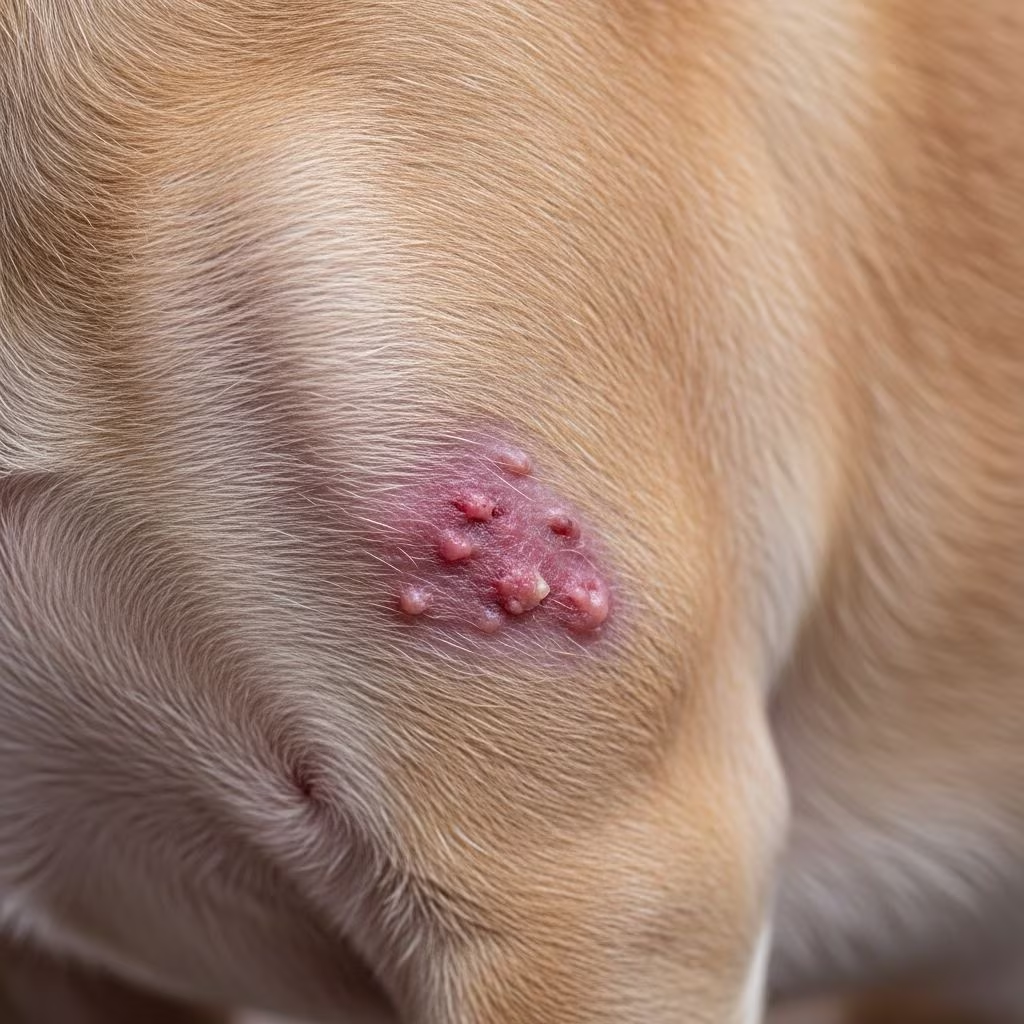
Bacterial skin infections known as pyoderma represent one of the leading dermatological issues in dogs and cats, often stemming from underlying health conditions that compromise the skin barrier. These infections demand prompt attention to alleviate discomfort and prevent chronic cycles of recurrence.
Understanding the Nature of Pyoderma
Pyoderma refers to pus-forming bacterial infections affecting the skin, ranging from mild surface-level issues to severe deep-tissue involvement. In dogs, superficial forms dominate clinical cases, making it a top reason for prescribing antimicrobials in small animal practices. Cats experience it less frequently, typically linked to specific triggers like allergies or acne.
The condition arises when normal skin bacteria overgrow due to disrupted defenses. Dogs’ outer skin layer and hair follicles prove particularly vulnerable, fostering colonization by pathogens. Primary culprits include Staphylococcus pseudintermedius in dogs and various Staphylococcus species in cats.
Common Triggers Behind Skin Infections
Pyoderma rarely occurs in isolation; it usually signals an underlying problem. Allergies top the list, manifesting as intense itching that leads to self-trauma and bacterial entry points. Other contributors encompass parasitic infestations, hormonal imbalances, and immune suppression.
In cats, feline chin acne frequently escalates into pyoderma, influenced by keratinization defects, stress, or environmental factors. Deep, persistent cases may tie to systemic illnesses like feline leukemia virus or immunodeficiency. Early identification of these root causes proves crucial for long-term management.
Recognizing Symptoms in Dogs and Cats
Pet owners often spot the first signs through behavioral changes and visible skin alterations. Intense pruritus, or itching, stands out as a hallmark, exacerbated by the infection atop primary irritants like allergies.
- Dogs: Multifocal hair loss, small papules or pustules around follicles, circular epidermal collarettes, crusty or scaly patches, especially on the trunk and belly.
- Cats: Similar lesions but often localized to the chin, with yellowish crusts or folliculitis in allergic or parasitic contexts.
Deep pyoderma brings more dramatic features: draining tracts, nodules, and furunculosis, signaling dermal penetration and potential pain. Prompt veterinary consultation prevents escalation.
Diagnostic Approaches for Accurate Identification
Diagnosis hinges on combining clinical observation with targeted tests to confirm bacteria and exclude mimics like mange or ringworm. Cytology reigns essential, involving microscopic examination of skin samples for bacterial presence and white blood cell activity.
A minimum investigative panel includes coat brushings for parasites, hair plucks for mites or fungi, and skin scrapings. Bacterial culture and susceptibility testing guide therapy, especially amid rising antimicrobial resistance.
| Diagnostic Method | Purpose | Key Findings |
|---|---|---|
| Cytology | Confirm infection | Intracellular bacteria, neutrophils |
| Culture & Sensitivity | Identify pathogen | Susceptibility to antibiotics |
| Skin Scrapings | Rule out parasites | Mites like Demodex |
| Wood’s Lamp/Trichogram | Check fungi | Dermatophyte spores |
Treatment Strategies: Topical First-Line Options
For surface and superficial pyoderma, topical therapies suffice as the cornerstone, minimizing systemic drug needs and resistance risks. Antiseptic shampoos, sprays, or mousses applied every 1-2 days disrupt bacterial biofilms and soothe inflammation.
Clipping affected areas enhances penetration in severe cases, sometimes paired with whirlpool baths for crusted lesions. Owners should follow protocols diligently, often combining with moisturizers to restore barrier function.
Systemic Antimicrobials: When and How
Reserve oral or injectable antibiotics for deep pyoderma or unresponsive superficial cases. Recent guidelines advocate shorter courses—two weeks for superficial with topical support, three weeks for deep—followed by reassessment.
Empirical choices falter against beta-lactamase-producing staphylococci; thus, culture-directed selection is imperative. First-line agents target methicillin-susceptible strains, with alternatives for resistant ones. Avoid penicillins initially due to common resistance.
- Monitor progress every 2 weeks.
- Combine with topicals for synergy.
- Address primary diseases concurrently.
Managing Recurrence and Resistance Challenges
Recurrent pyoderma stems from untreated triggers, inadequate dosing, or improper drug selection. Methicillin-resistant staphylococci complicate therapy, underscoring culture’s role.
Proactive measures include ongoing antiseptics, allergy management via hypoallergenic diets or immunotherapy, and parasite preventives. Immunomodulators may aid chronic cases.
Species-Specific Considerations
Dogs: High Prevalence and Prevention
As the most antimicrobial-demanding skin issue, canine pyoderma benefits from vigilant grooming and allergy screening. Trunk-focused lesions respond well to localized topicals.
Cats: Localized and Systemic Links
Feline cases cluster around the chin or allergy sites. Deep variants warrant viral testing. Chin acne management involves keratomodulators alongside antibacterials.
Home Care Tips for Pet Owners
Support veterinary plans with gentle cleansing, Elizabethan collars to curb scratching, and environmental hypoallergenics. Track lesion photos for progress reports.
- Bathe 2-3 times weekly with vet-recommended products.
- Avoid human shampoos or steroids.
- Maintain flea control year-round.
FAQs on Pyoderma Management
What causes pyoderma in my dog?
Typically allergies or parasites breach the skin, allowing bacterial overgrowth.
Can pyoderma resolve without antibiotics?
Yes, superficial cases often clear with topicals alone.
How long does treatment last?
2-3 weeks initially, with rechecks.
Is pyoderma contagious?
No, but underlying issues like fleas can spread.
When to seek emergency care?
For deep lesions, lethargy, or fever.
Long-Term Prognosis and Wellness
With root cause control, most pets achieve resolution and stay infection-free. Regular dermatology check-ups benefit chronic sufferers, promoting antimicrobial stewardship amid resistance trends.
References
- When Skin Infections Keep Coming Back: Pyoderma in Dogs and Cats — University of Illinois College of Veterinary Medicine. 2023. https://vetmed.illinois.edu/pet-health-columns/pyoderma-skin-infections-dogs-cats/
- Pyoderma in Dogs and Cats — Merck Veterinary Manual. 2023. https://www.merckvetmanual.com/integumentary-system/pyoderma/pyoderma-in-dogs-and-cats
- Antimicrobial use guidelines for canine pyoderma by the International Society for Companion Animal Infectious Diseases (ISCAID) — PMC (PubMed Central). 2024. https://pmc.ncbi.nlm.nih.gov/articles/PMC12058580/
- Canine Pyoderma — Today’s Veterinary Practice. 2016. https://todaysveterinarypractice.com/wp-content/uploads/sites/4/2016/04/T1203F04.pdf
- Synopsis of the antimicrobial use guidelines for canine pyoderma — Wiley Online Library (Veterinary Dermatology). 2024. https://onlinelibrary.wiley.com/doi/full/10.1111/vde.13365



