

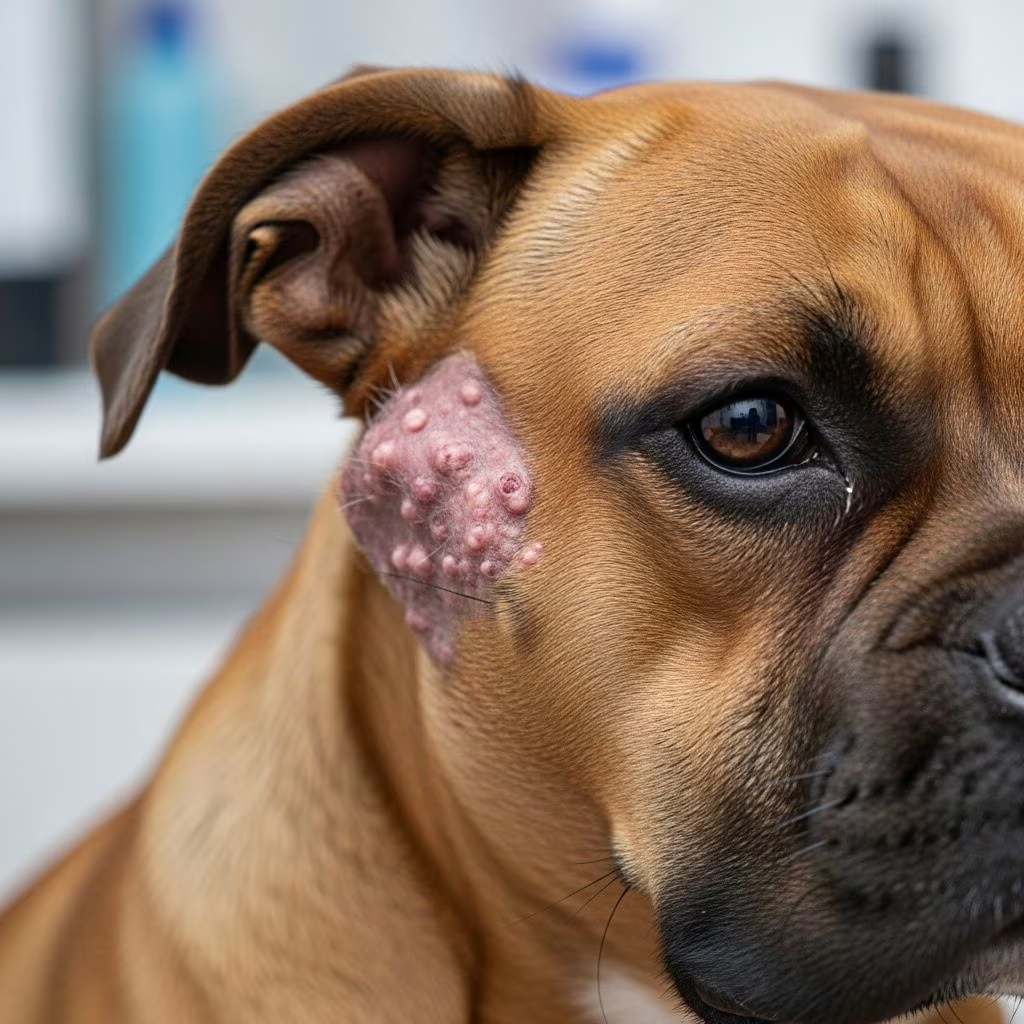
Understanding Pyoderma in Dogs
Pyoderma is a common bacterial skin infection that affects dogs of all ages and breeds. The term “pyoderma” literally means a skin infection accompanied by pus formation, creating an uncomfortable and irritating condition for affected pets. This condition can range from mild superficial infections affecting only the topmost layers of skin to severe deep infections that penetrate multiple skin layers. Understanding pyoderma is essential for dog owners, as early recognition and treatment can prevent the condition from worsening and causing significant discomfort to your pet.
Bacterial skin infections in dogs are remarkably common and often develop as secondary problems resulting from underlying health conditions. While pyoderma can occur in otherwise healthy animals, it frequently accompanies allergies, parasitic infestations, hormonal imbalances, or immune system issues. The most common causative agent is Staphylococcus pseudintermedius, responsible for more than 90 percent of canine pyoderma cases. This bacterium normally inhabits the skin’s surface but becomes problematic when the skin barrier is compromised or unhealthy.
Recognizing the Signs and Symptoms
Identifying pyoderma in your dog requires familiarity with the various clinical signs associated with the condition. Pet owners should watch for distinctive skin lesions and behavioral changes that may indicate a bacterial infection.
Common Symptoms Include:
- Red, raised, and inflamed skin lesions
- White pus-filled centers on affected areas
- Circular crusts on the skin surface
- Dry or flaky patches of skin
- Hair loss in affected regions
- Excessive itching and scratching
- Greasy or oily appearance of the skin due to infectious fluid discharge
In puppies, pyoderma often appears in thin-haired areas such as the groin and underarms, a condition commonly referred to as “puppy pyoderma.” Warm, moist areas on the skin, including lip folds, facial folds, armpits, feet, and neck folds, naturally have higher bacterial counts and face increased infection risk. These areas provide ideal environments for bacterial proliferation due to moisture retention and reduced air circulation.
What Causes Pyoderma in Dogs?
Understanding the underlying causes of pyoderma is crucial for effective treatment and prevention. Bacterial skin infections develop when several factors combine to compromise the skin’s natural protective barrier.
Primary Causes of Skin Barrier Breakdown:
- Surface damage: When the skin’s surface is broken through cuts, abrasions, or minor trauma
- Chronic moisture exposure: Prolonged exposure to wet conditions that soften and weaken the skin
- Altered skin bacteria: Changes in the normal bacterial flora that maintain skin health
- Impaired blood flow: Reduced circulation to affected skin areas
- Immune suppression: Weakened immune system function that reduces the body’s ability to fight infection
Secondary Factors and Contributing Conditions
Pyoderma frequently develops as a secondary infection stemming from other underlying health issues. Allergic dermatitis stands out as one of the most common precursors, often triggering pyoderma development in the skin abrasions that result from scratching. When dogs scratch intensely due to allergic reactions, they create small wounds that bacteria can exploit.
Several health conditions and factors significantly increase pyoderma risk:
- Flea and tick infestations: Parasites cause irritation and skin damage that invite bacterial infection
- Yeast and fungal infections: These organisms can compromise skin integrity and immunity
- Thyroid disease: Hypothyroidism weakens immune function and alters skin health
- Hormonal imbalances: Cushing’s disease and other endocrine disorders suppress immunity
- Hereditary predisposition: Some dogs genetically inherit susceptibility to pyoderma
- Immunosuppressive medications: Corticosteroids and other drugs that reduce immune capability
- Atopic dermatitis: Allergies to environmental allergens like pollen, dust mites, and molds
- Food allergies: Reactions to specific proteins or food ingredients
- Moisture in skin folds: Trapped moisture creates ideal breeding grounds for bacteria
- Chronic licking and chewing: Excessive self-trauma breaks the outer skin layer
Types of Pyoderma
Pyoderma is classified into two primary categories based on the depth of infection and severity:
Superficial Pyoderma
Superficial pyoderma affects only the topmost layers of the skin, including the epidermis and the upper portions of the dermis. This type typically manifests as less severe skin inflammation and is more straightforward to treat. Common presentations include hot spots, which develop due to self-trauma at itchy locations often triggered by allergies or parasites, and skin fold dermatitis affecting facial folds, tail folds, and other friction-prone areas. Superficial infections usually resolve within 2-3 weeks with appropriate treatment and typically cause redness, soreness, and itching of the affected areas.
Deep Pyoderma
Deep pyoderma penetrates the full thickness of the skin, affecting the mid and deep dermis layers and potentially extending into the subcutaneous tissue called the panniculus. This more serious form presents with more pronounced clinical signs including significant pain, pronounced crusting, unpleasant odor, and secretions of both blood and pus. Additional symptoms may include severe redness, swelling, ulceration, scabs, blisters, darkened skin, moist or draining areas, lethargy, and general malaise. Deep pyoderma often results from untreated or chronic superficial pyoderma that progresses without proper intervention.
Diagnosis and Testing
Proper diagnosis is essential for determining the most appropriate treatment approach. Your veterinarian will perform a thorough physical examination and may recommend additional diagnostic tests. Bacterial culture and sensitivity testing are particularly valuable, as these tests identify the specific bacteria causing the infection and determine which antibiotics will be most effective. Culture results guide antibiotic selection and help establish the appropriate treatment duration, which can range from several weeks to 8-12 weeks depending on the infection’s severity and nature.
Treatment Options for Pyoderma
Effective pyoderma treatment requires a multi-faceted approach addressing both the infection and underlying causes. Treatment strategies vary based on whether the infection is superficial or deep and on the specific circumstances of each case.
Topical Treatments
Topical therapeutics are often the first line of defense, particularly for superficial infections. These treatments help resolve infections without contributing to antimicrobial resistance, relieve local pain and itching, reduce inflammation, and restore skin barrier integrity.
Medicated shampoos containing antibacterial and antifungal ingredients are frequently prescribed. Common active ingredients include:
- Chlorhexidine
- Benzoyl peroxide
- Sulfur combined with salicylic acid
- Ketoconazole
- Miconazole
These medicated shampoos typically need to be used once or twice weekly for three to four weeks. For dogs with recurrent infections, veterinarians may recommend long-term maintenance use of medicated shampoos to prevent future episodes. Additional topical options include antibacterial gels, creams, and sprays that can be applied directly to affected areas.
Oral Antibiotic Therapy
Oral antibiotics are prescribed for most superficial or deep pyoderma cases, particularly when topical treatments alone are insufficient. These systemic medications circulate throughout the body, reaching bacteria in deeper skin layers. Treatment duration typically extends from several weeks to 8-12 weeks, depending on culture results and the infection’s severity. The specific antibiotic selected is determined by bacterial culture and sensitivity testing to ensure effectiveness.
Additional Supportive Care
Beyond medications, several supportive measures enhance treatment effectiveness. Maintaining clean, dry, padded bedding prevents moisture accumulation and reduces reinfection risk. If allergies are identified as the underlying cause, antihistamines or lower doses of steroids may be used concurrently with antibiotics before determining long-term management strategies.
Preventing Recurrence of Pyoderma
One critical aspect of pyoderma management that pet owners frequently overlook is the importance of completing the full prescribed treatment course. Even when your dog appears significantly better after just a few days or one week of treatment, the bacteria causing pyoderma can still be present and ready to multiply if the complete medication course is not administered. Discontinuing treatment prematurely is a major cause of recurrent infections.
The most common causes of recurrent bacterial pyoderma include:
- Failure to treat underlying causes such as allergies or hormonal disorders
- Use of glucocorticoid drugs that suppress immunity
- Inappropriate antibiotic treatment or incomplete courses of prescribed medications
To prevent pyoderma recurrence, veterinarians emphasize identifying and treating the underlying condition. Whether the root cause is allergies, thyroid disease, Cushing’s disease, parasitic infestations, or immune disorders, addressing the primary problem is essential. Prophylactic use of topical therapeutics can help prevent future episodes in dogs prone to recurrent infections.
Long-Term Management and Prevention
For dogs experiencing recurrent pyoderma, long-term management strategies become necessary. Regular use of medicated shampoos, careful attention to skin fold hygiene, and aggressive parasite prevention are important preventive measures. Dogs with hormonal disorders require appropriate management of their underlying conditions. Those with allergies benefit from allergen avoidance when possible and may require ongoing antihistamine or steroid therapy at appropriate doses.
Maintaining optimal skin health through proper grooming, regular bathing with gentle products, and keeping affected areas dry reduces reinfection risk. Additionally, ensuring your dog maintains a healthy weight, receives proper nutrition, and gets adequate exercise supports overall immune function and skin health.
Frequently Asked Questions About Canine Pyoderma
Q: What is the most common cause of pyoderma in dogs?
A: Staphylococcus pseudintermedius bacteria causes more than 90 percent of pyoderma cases in dogs. This bacterium normally lives on the skin but multiplies when the skin barrier is damaged or unhealthy, often due to allergies, parasites, or other underlying conditions.
Q: How long does it take to treat superficial pyoderma?
A: Superficial pyoderma typically resolves within 2-3 weeks with appropriate treatment. However, it’s crucial to continue prescribed medications for the full recommended duration to prevent recurrence.
Q: Can pyoderma spread from dog to dog?
A: While the bacteria that cause pyoderma are common on dogs’ skin, pyoderma itself is not typically contagious between dogs. The infection develops when an individual dog’s skin barrier is compromised.
Q: What should I do if my dog’s pyoderma keeps returning?
A: Recurrent pyoderma usually indicates an underlying condition requiring treatment. Your veterinarian will investigate potential causes such as allergies, thyroid disease, Cushing’s disease, parasites, or immune disorders and develop a treatment plan addressing the root problem.
Q: Are certain dog breeds more susceptible to pyoderma?
A: While any dog can develop pyoderma, breeds with skin folds or those genetically predisposed to allergic dermatitis may face higher risks. Dogs with compromised immune systems or endocrine disorders also experience increased susceptibility.
Q: What’s the difference between puppy pyoderma and adult pyoderma?
A: Puppy pyoderma specifically appears in puppies, typically in thin-haired areas like the groin and underarms. It’s usually a superficial infection that responds well to topical treatments, whereas adult pyoderma can be either superficial or deep and often relates to underlying health conditions.
References
- Pyoderma in Dogs — VCA Animal Hospitals. Accessed 2025-11-28. https://vcahospitals.com/know-your-pet/pyoderma-in-dogs
- Pyoderma in Dogs: Causes, Types, and Treatment — Noble Vet Clinic. Accessed 2025-11-28. https://noblevetclinic.com/blog/pyoderma-in-dogs
- Pyoderma in Dogs – Dog Owners — Merck Veterinary Manual. Accessed 2025-11-28. https://www.merckvetmanual.com/dog-owners/skin-disorders-of-dogs/pyoderma-in-dogs
- Pyoderma in Dogs — PetMD. Accessed 2025-11-28. https://www.petmd.com/dog/conditions/skin/c_multi_pyoderma
- Diagnosis and Treatment of Pyoderma in Dogs — MedVet. Accessed 2025-11-28. https://www.medvet.com/diagnosis-and-treatment-of-pyoderma-in-dogs/
- Bacterial Skin Infections in Dogs & Managing Pyoderma — Douxo UK. Accessed 2025-11-28. https://www.douxo.co.uk/pages/dog-skin-bacterial-infection



