

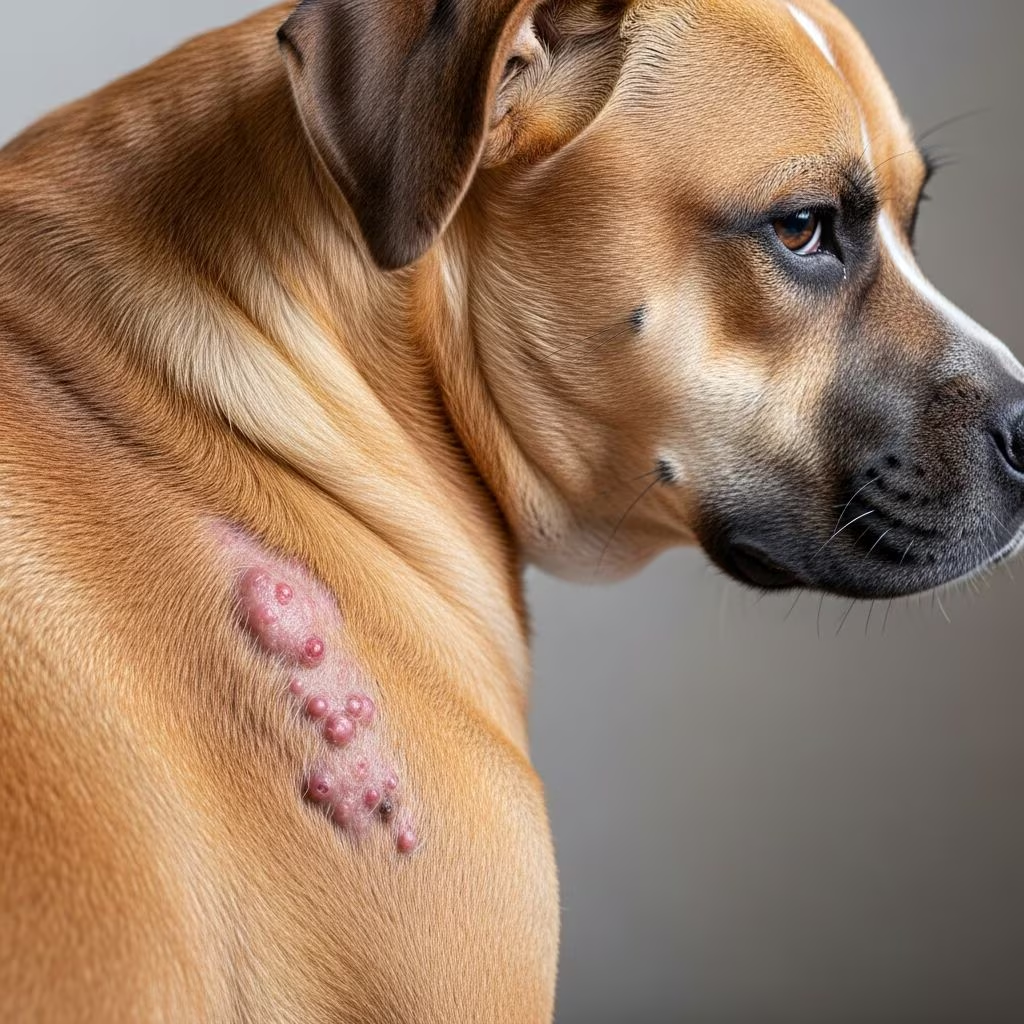
Understanding Pyoderma in Dogs
Pyoderma is a bacterial skin infection in dogs that literally means ‘pus in the skin.’ This condition is one of the most common dermatological problems veterinarians encounter in small animal practice. The infection is characterized by the development of pustules, crusts, scaling, and hair loss on the dog’s skin. In puppies, pyoderma is sometimes referred to as puppy pyoderma or impetigo, typically appearing in thin-haired areas such as the groin and underarms. Understanding this condition is essential for dog owners, as early recognition and treatment can prevent complications and improve outcomes for affected pets.
Pyoderma is often secondary to allergic dermatitis and develops in abrasions on the skin’s surface that occur as a result of scratching. The condition frequently indicates an underlying health issue rather than being a primary skin disease. The most common bacterial pathogen responsible for pyoderma is Staphylococcus pseudintermedius, which causes more than 90 percent of cases. This bacterium normally inhabits the dog’s skin as a commensal organism but becomes pathogenic when the skin barrier is compromised or when the immune system is weakened.
Types of Pyoderma in Dogs
Veterinarians classify pyoderma into different categories based on the depth of skin involvement and the specific presentation of the infection.
Superficial Pyoderma
Superficial bacterial folliculitis (SBF) is the most common form of pyoderma in dogs and affects the epidermis and part of the hair follicles. Dogs with superficial pyoderma typically display redness, circular crusts, bumps, hair loss, and itching. This type of infection is generally more responsive to treatment and may respond well to topical therapy alone in early stages. The lesions often appear on the skin surface and in hair follicles but do not extend into the deeper layers of skin.
Deep Pyoderma
Deep pyoderma affects the lower skin layers, including the dermis and subcutis. This condition can develop if superficial pyoderma goes untreated or if skin follicles rupture. Signs of deep pyoderma are more severe and may include swelling, purple-looking areas, draining tracts of infection, significant hair loss, and crusting. Dogs with deep pyoderma often experience systemic symptoms such as lethargy, loss of appetite, fever, trembling, and visible signs of pain. This type of infection requires more aggressive treatment and typically necessitates systemic antibiotic therapy.
Specialized Forms
Several specialized forms of pyoderma exist, including intertrigo (infection of skin folds common in short-muzzled breeds like English Bulldogs), furunculosis (typically occurring between a dog’s toes), acne (more common in young dogs around the chin and mouth), German Shepherd deep pyoderma (affecting outer thighs, groin, and trunk), lick granuloma (resulting from excessive licking of lower legs), and callus pyoderma (dark, thickened skin over pressure points that becomes infected). Post-grooming furunculosis is a rare condition that can occur 24 to 48 hours after bathing or intense brushing, causing pain and fever.
Causes and Risk Factors
Pyoderma rarely develops as a primary condition in healthy animals. Instead, it typically occurs secondary to various underlying conditions that compromise skin integrity or immune function.
Primary Underlying Causes
The most significant causes of pyoderma include allergies to fleas, environmental allergens, or food ingredients. Parasitic skin infections caused by mites such as Sarcoptes or Demodex can also predispose dogs to pyoderma. Endocrine diseases, particularly hypothyroidism and Cushing’s disease (hyperadrenocorticism), significantly increase the risk of developing bacterial skin infections. Immune disorders and immunosuppression make dogs more susceptible to opportunistic bacterial infections. Additionally, hereditary factors and certain medications, including immunosuppressive drugs and higher doses of steroids, may increase the risk of pyoderma development.
Environmental and Anatomical Risk Factors
Warm, moist areas on the dog’s skin, such as lip folds, facial folds, armpits, feet, and neck folds, often have higher bacterial counts than other areas and are at increased risk for infection. Dogs with skin fold conditions are particularly vulnerable to bacterial overgrowth in these protected, moisture-prone areas. Poor hygiene, inadequate grooming, and exposure to contaminated environments can also contribute to infection development.
Recognizing the Symptoms
Dogs with pyoderma present with characteristic clinical signs that vary depending on the severity and depth of infection.
Visible Signs
The most common symptoms include red and itchy skin, circular crusts, flakiness, areas of hair loss, and pimple-like lesions. In some cases, you may observe visible sores and pus if your dog has been scratching or biting its skin. The affected areas may appear inflamed and uncomfortable, with the dog showing excessive licking or scratching behavior. Chronic pyoderma can result in the skin becoming darker and thicker, a condition that typically develops after several weeks of infection.
Systemic Symptoms
Deep pyoderma and severe infections often manifest with systemic symptoms including fever, lethargy, loss of appetite, and visible signs of pain. Dogs may appear unwell, reluctant to move, and may show behavioral changes such as increased aggression due to discomfort. These systemic signs indicate a more serious infection that requires immediate veterinary attention.
Diagnosis of Pyoderma
Proper diagnosis is essential for appropriate treatment and identifying any underlying causes that require management. Veterinarians typically begin with impression cytology, which involves examining skin cells under a microscope to identify bacterial infection. This non-invasive technique can quickly confirm the presence of bacteria and help guide initial treatment decisions.
Culture and sensitivity testing should be performed, particularly for recurrent or treatment-resistant infections. This test identifies the specific bacterial species involved and determines which antibiotics will be most effective. This information is crucial for selecting appropriate systemic antibiotic therapy and for identifying methicillin-resistant strains that may require alternative treatment approaches.
After clearing the bacterial infection, additional diagnostic tests may be necessary to identify underlying causes such as allergies, hormonal imbalances, or parasitic infestations. These investigations prevent recurrent episodes by addressing the root cause of the problem.
Treatment Approaches for Pyoderma
Topical Therapy
Topical treatment represents the preferred approach for early superficial pyoderma and localized lesions. Medicated shampoos containing antibacterial and antifungal ingredients such as chlorhexidine, ketoconazole, and miconazole are commonly recommended. Benzoyl peroxide is an antibacterial ingredient often used in cases of canine acne. These shampoos typically need to be used once or twice per week for three to four weeks.
Research has demonstrated that chlorhexidine-containing products are highly effective, resulting in resolution of clinical signs in all tested dogs, including those infected with methicillin-resistant Staphylococcus pseudintermedius (MRSP). Because both MRSP and methicillin-susceptible Staphylococcus pseudintermedius (MSSP) are susceptible to chlorhexidine, products containing this ingredient are recommended as sole therapy or part of combined therapy for canine superficial bacterial folliculitis.
Topical therapy alone without systemic antibiotics is suitable for localized lesions of superficial pyoderma and early stages of generalized superficial pyoderma when lesions are mild. Additionally, topical therapy helps prevent recurrence of superficial pyoderma while diagnostic procedures for primary underlying skin disease are pursued. It is important that affected dogs have clean, dry, and padded bedding to support healing and prevent reinfection.
Systemic Antibiotic Therapy
Systemic antibiotic therapy is required to treat widespread pyoderma, deep pyoderma, and recurrent pyoderma. Antimicrobial therapy should be selected based on impression cytology with culture and sensitivity result findings and should be combined with topical therapy where possible. Most superficial pyoderma therapy should be instituted for at least 3 to 4 weeks, irrespective of the selected mode of administration of antimicrobials.
Critically, even though your dog may seem better after only a few days or a week, it is very important to continue the prescribed treatment program for the full length of time. The bacteria causing pyoderma can still be present and ready to multiply again if the complete course of medication is not given. Failure to complete the full course of antibiotics is a leading cause of treatment failure and recurrent infections.
Managing Underlying Conditions
If allergies are the underlying cause of pyoderma, antihistamines or lower doses of steroids may be used at the same time before longer-term medications are determined. In cases where allergy is the primary issue, treating the allergic condition is essential for preventing recurrent pyoderma episodes. Newer allergy treatments have made steroid use less necessary than previously, reducing the immune-suppressive effects associated with higher doses of these medications.
It is important to determine the underlying cause, whether it be allergies, Cushing’s disease, hypothyroidism, or another illness, so your dog doesn’t experience frequent relapses of pyoderma. Addressing the root cause prevents the cycle of repeated infections that can significantly impact your dog’s quality of life.
Causes of Recurrent Pyoderma
The most common causes of recurrent bacterial pyoderma include failure to treat underlying causes, use of glucocorticoid drugs, and inappropriate treatment with prescribed antibiotic medications. Allergy is the most common cause of recurrent pyoderma, as the underlying allergic condition continues to damage the skin barrier and compromise immune function.
Additional factors contributing to recurrence include inappropriate antibiotic therapy (such as using drugs with poor skin penetration or incorrect dosing), inadequate duration of treatment, lack of proper diagnostics, methicillin resistance, and poor client compliance with treatment protocols. Bacterial carriage on individual dogs, immune suppression from concurrent diseases, and persistent underlying disease can lead to selection of methicillin-resistant staphylococci in a patient, making future infections more difficult to treat.
Prevention and Management
Preventing pyoderma involves maintaining your dog’s skin health and managing underlying risk factors. Regular bathing with appropriate shampoos, maintaining clean and dry bedding, and proper grooming help prevent bacterial overgrowth. For dogs with a history of pyoderma, your veterinarian may recommend long-term use of medicated shampoos as a preventive measure.
If your dog has recurrent pyoderma, working closely with your veterinarian to identify and manage underlying allergies or endocrine conditions is essential. Flea prevention, parasite control, and appropriate management of hormonal conditions significantly reduce the likelihood of recurrent infections.
Public Health Considerations
While canine pyoderma is not typically transmissible to humans, good hygiene practices remain important. Cleaning practices within veterinary hospitals, use of appropriate antiseptics, and hand washing by staff members are important from a public health standpoint and are usually easily implemented in practice. Pet owners should practice good hand hygiene when handling infected dogs and should not share grooming tools or bedding with other animals.
Frequently Asked Questions About Canine Pyoderma
Q: Is pyoderma contagious to other dogs?
A: Pyoderma is not typically contagious between dogs. The condition develops when a dog’s own skin bacteria become pathogenic due to skin barrier damage or immune compromise. However, maintaining good hygiene practices and keeping infected dogs’ bedding and grooming tools separate is still recommended to prevent cross-contamination of other skin conditions.
Q: Can puppies develop pyoderma?
A: Yes, puppies commonly develop puppy pyoderma in thin-haired areas such as the groin and underarms. Puppy pyoderma is typically mild and responds well to appropriate treatment. It is not contagious and does not indicate a serious underlying health condition in most cases.
Q: How long does pyoderma treatment take?
A: Most superficial pyoderma therapy should be instituted for at least 3 to 4 weeks. This includes both topical and systemic antibiotic therapy. It is crucial to complete the full course of treatment even if symptoms improve earlier, as incomplete treatment can lead to recurrence and development of antibiotic-resistant bacteria.
Q: Why does my dog keep getting pyoderma?
A: Recurrent pyoderma usually indicates an underlying condition that hasn’t been adequately identified or treated. Common causes include allergies (food or environmental), parasitic infections, hormonal imbalances like hypothyroidism or Cushing’s disease, or immune suppression. Your veterinarian should conduct thorough diagnostic testing to identify the underlying cause and develop a long-term management plan.
Q: What is the difference between superficial and deep pyoderma?
A: Superficial pyoderma affects only the top layers of skin (epidermis) and hair follicles, presenting with redness, crusts, and hair loss. Deep pyoderma affects deeper skin layers (dermis and subcutis) and is more serious, causing swelling, draining tracts, and systemic symptoms like fever and lethargy. Deep pyoderma requires more aggressive treatment with systemic antibiotics.
Q: Can diet help prevent pyoderma?
A: If your dog has food allergies contributing to pyoderma, switching to an appropriate diet can significantly reduce recurrence. Food allergies are a common underlying cause of recurrent pyoderma. Work with your veterinarian to identify potential food triggers and implement an elimination diet if needed.
When to Seek Veterinary Care
Contact your veterinarian if your dog displays signs of skin infection including persistent redness, crusting, hair loss, or excessive scratching. Seek immediate veterinary attention if your dog shows signs of deep pyoderma, including draining tracts, swelling, fever, lethargy, or signs of systemic illness. Early intervention prevents complications and reduces the risk of the infection becoming deep and difficult to treat.
For dogs with recurrent pyoderma, even after successful treatment, continued veterinary supervision is important to identify and manage underlying causes. Regular monitoring and preventive measures can significantly improve your dog’s quality of life and reduce the frequency of infections.
References
- Canine Superficial Pyoderma and Therapeutic Considerations — National Center for Biotechnology Information (NCBI/PMC). 2015. https://pmc.ncbi.nlm.nih.gov/articles/PMC4713004/
- Pyoderma in Dogs — PetMD. 2024. https://www.petmd.com/dog/conditions/skin/c_multi_pyoderma
- Pyoderma in Dogs – Dog Owners — Merck Veterinary Manual. 2024. https://www.merckvetmanual.com/dog-owners/skin-disorders-of-dogs/pyoderma-in-dogs
- Pyoderma in Dogs — VCA Animal Hospitals. 2024. https://vcahospitals.com/know-your-pet/pyoderma-in-dogs
- Pyoderma Chronic — Best Friends Veterinary Center. 2024. https://bestfriendsvet.com/library/pyoderma-chronic/
- Pyoderma in Dogs: What You Need to Know — American Kennel Club. 2024. https://www.akc.org/expert-advice/health/pyoderma-in-dogs/



