

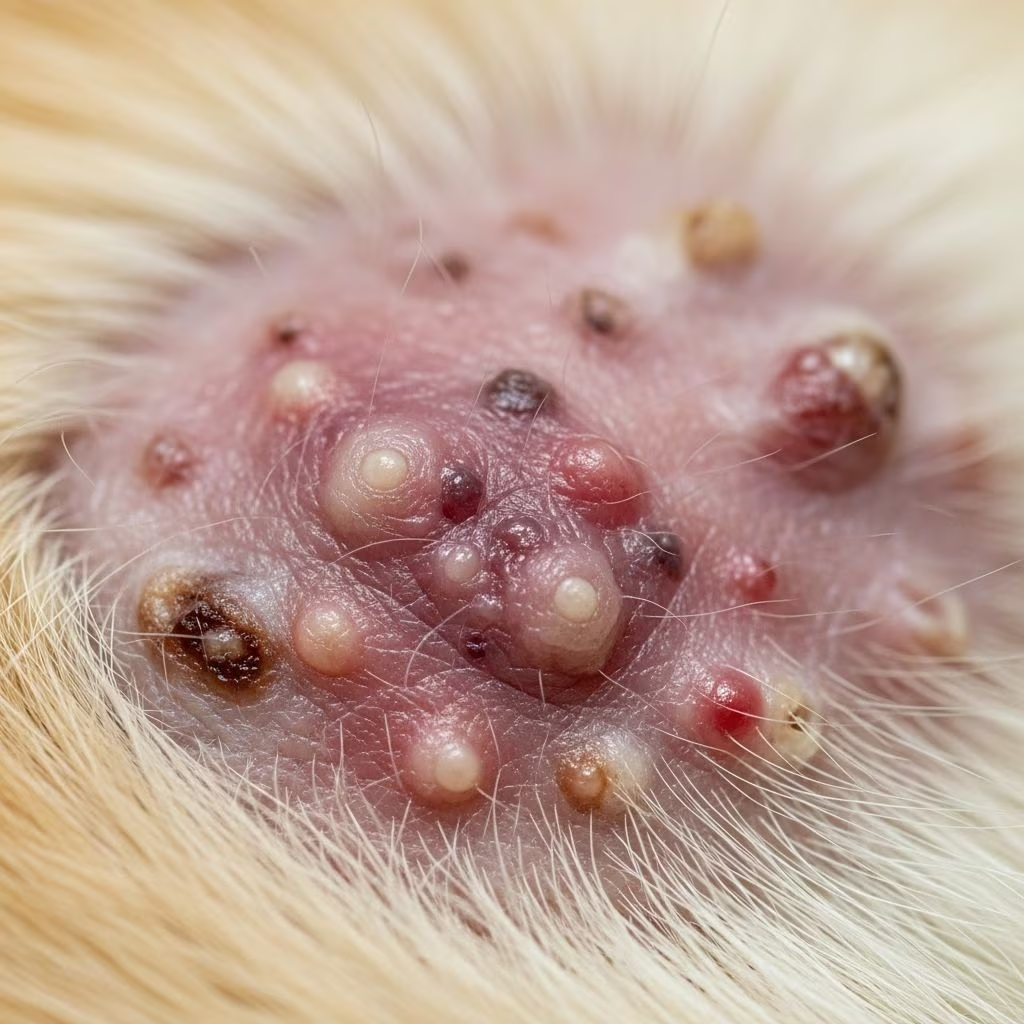
Bacterial skin infections known as pyoderma affect many dogs, manifesting as red, itchy, and pus-filled lesions on the skin. These infections typically arise when normal skin bacteria overgrow due to underlying issues like allergies or parasites, requiring prompt veterinary attention to prevent recurrence.
Understanding the Nature of Canine Pyoderma
Pyoderma, translating to “pus in the skin,” primarily involves bacteria such as Staphylococcus pseudintermedius, a common resident on healthy canine skin that becomes problematic when the skin barrier is compromised. Unlike primary infections, pyoderma in dogs is almost always secondary, triggered by factors that disrupt normal skin function, leading to inflammation and bacterial proliferation.
Dogs are particularly prone due to their coat structure and grooming habits, with warm, moist areas like folds and paws serving as ideal breeding grounds for bacteria. Early recognition is key, as untreated cases can deepen and cause pain or systemic illness.
Common Types of Pyoderma Affecting Dogs
Pyoderma is classified by depth and location, influencing treatment approaches. Surface infections are milder, while deep ones demand more aggressive intervention.
- Surface Pyoderma: Limited to the epidermis, often seen as moist, crusty patches. Includes puppy pyoderma (impetigo), hot spots (pyotraumatic dermatitis), and intertrigo in skin folds.
- Superficial Pyoderma: Involves hair follicles, presenting as folliculitis with red bumps, pustules, and hair loss. Common in allergic dogs.
- Deep Pyoderma: Penetrates dermis, causing furunculosis (boils), draining tracts, and pain. Subtypes include pressure-point pyoderma on elbows and canine acne on the chin.
German Shepherds are notably susceptible to a chronic deep form, highlighting breed predispositions.
Root Causes and Risk Factors
Pyoderma rarely occurs in isolation; it stems from conditions impairing skin integrity or immunity.
| Category | Examples | Impact on Skin |
|---|---|---|
| Allergies | Atopic dermatitis, food allergies, flea hypersensitivity | Constant itching leads to self-trauma and bacterial entry |
| Parasites | Fleas, mites (Demodex, Sarcoptes), ticks | Infestations cause irritation and weakened barriers |
| Endocrine Disorders | Hypothyroidism, Cushing’s disease | Altered skin thickness and immunity |
| Other | Immune suppression, keratinization defects, poor grooming | Reduced defense against normal flora |
Environmental factors like humidity or trauma exacerbate risks, especially in breeds with dense coats or skin folds. Recurrent cases often signal unresolved triggers, such as untreated allergies.
Recognizing Symptoms Early
Owners should watch for scaling, redness, pustules, and odor, varying by type. Surface pyoderma shows moist dermatitis; superficial cases feature circular hair loss (“ringworm-like” but bacterial); deep infections bring swelling, pain, and lethargy.
- Excessive scratching or licking
- Hair loss in patches
- Crusts, scabs, or honey-colored discharge
- Greasy skin or foul smell (BOGS)
- Fever or appetite loss in severe cases
Puppies may develop impetigo on the abdomen, resolving with care but signaling hygiene needs. Prompt action prevents progression.
Diagnostic Approaches by Veterinarians
Vets confirm pyoderma via cytology (skin scrapes showing bacteria/neutrophils), cultures for antibiotic sensitivity, and tests for underlying causes like thyroid panels or allergy trials.
Deep scrapings rule out mites; biopsies assess chronic issues. Methicillin-resistant strains (MRSP) complicate matters, necessitating targeted therapy.
Treatment Strategies: From Topicals to Systemic Care
Treatment combines addressing infection and root causes, prioritizing topicals for mild cases to curb resistance.
Topical Therapies
Medicated shampoos with chlorhexidine (2-4%) or benzoyl peroxide, used 2-3 times weekly, resolve superficial pyoderma as effectively as oral antibiotics. Sprays, wipes, and mousses target localized areas.
- Chlorhexidine: Broad antibacterial, effective against MRSP
- Benzoyl peroxide: For acne and folliculitis
- Antifungal combos if yeast coexists
Systemic Antibiotics
For generalized/deep pyoderma, cephalexin or clindamycin for 3-4+ weeks, guided by culture. Avoid beta-lactams empirically due to resistance. Minimum 21 days; extend for deep cases.
Advanced Options
Immunomodulators like ImmunoRegulin (P. acnes IV) aid recurrent cases, boosting response rates.
Preventing Recurrence: Long-Term Management
Control triggers: flea prevention, hypoallergenic diets, endocrinopathy treatment. Weekly medicated baths reduce relapses; monitor for early signs. Owner compliance is crucial—complete courses prevent resistance.
When to Seek Veterinary Help Urgently
Rush to the vet for spreading lesions, fever, or non-response to topicals. Deep pyoderma risks sepsis.
Frequently Asked Questions (FAQs)
What is the most common cause of pyoderma in dogs?
Allergies and parasites top the list, compromising skin barriers.
Can pyoderma be treated at home?
Mild surface cases may respond to vet-recommended shampoos, but consult first to avoid worsening.
How long do antibiotics take to work?
Improvement in 7-10 days; full course 3-6 weeks minimum.
Is pyoderma contagious to humans?
Rarely; good hygiene suffices, but MRSP warrants caution.
Why do some dogs get recurrent pyoderma?
Untreated underlying conditions or incomplete therapy.
Prognosis and Owner Tips
With proper care, most resolve fully. Breeds like Bulldogs need ongoing fold cleaning. Regular vet check-ups catch issues early.
References
- Pyoderma in Dogs and Cats – Integumentary System — MSD Veterinary Manual. 2023. https://www.msdvetmanual.com/integumentary-system/pyoderma/pyoderma-in-dogs-and-cats
- Pyoderma in Dogs: Signs, Symptoms & Treatment — MetLife Pet Insurance. 2023. https://www.metlifepetinsurance.com/blog/pet-health/pyoderma-in-dogs/
- Challenges & New Developments in Canine Pyoderma — Today’s Veterinary Practice. 2022. https://todaysveterinarypractice.com/dermatology/challenges-new-developments-in-canine-pyodermatopical-systemic-treatment/
- Pyoderma in Dogs — PetMD. 2024. https://www.petmd.com/dog/conditions/skin/c_multi_pyoderma
- Pyoderma in Dogs – Dog Owners — Merck Veterinary Manual. 2023. https://www.merckvetmanual.com/dog-owners/skin-disorders-of-dogs/pyoderma-in-dogs
- Treating pyoderma without the use of systemic antibiotics — PMC (NCBI). 2019-10-01. https://pmc.ncbi.nlm.nih.gov/articles/PMC6855222/



