

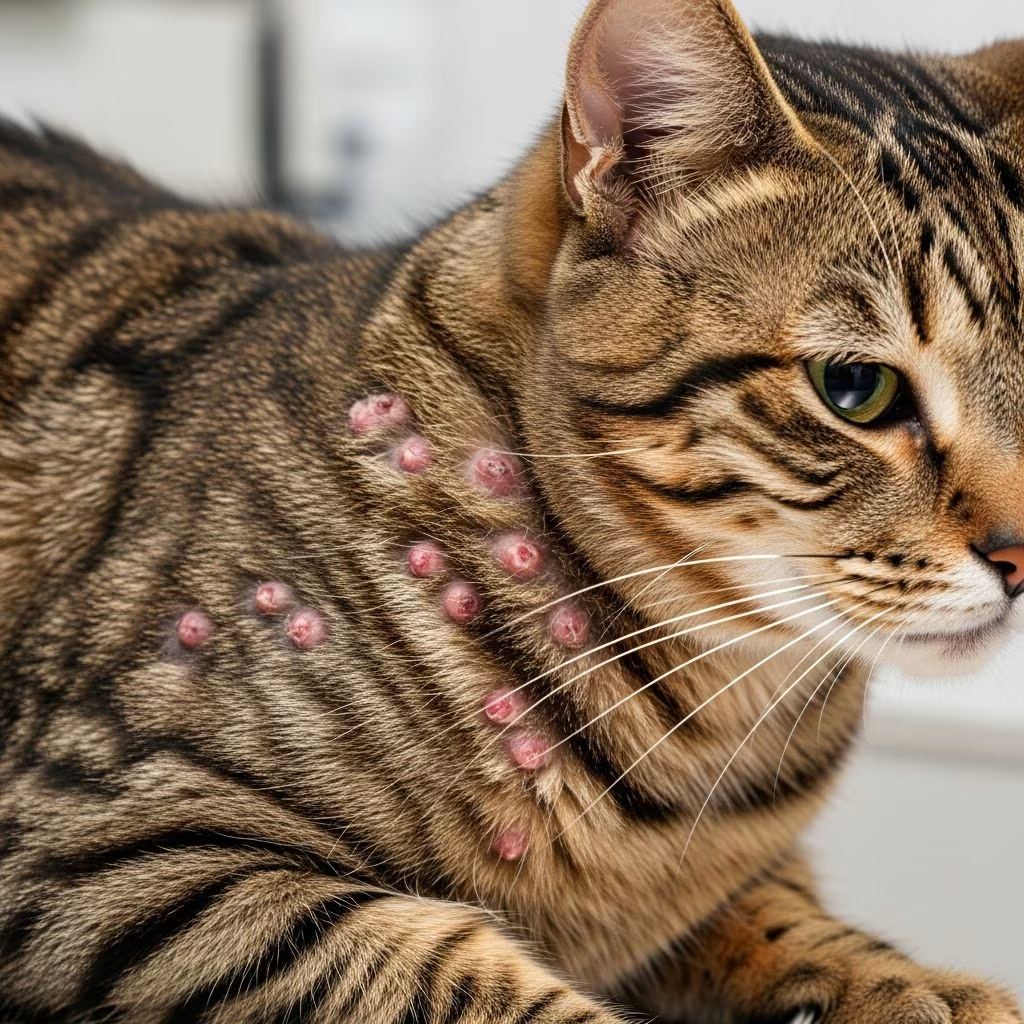
Bacterial skin infections known as pyoderma affect cats less commonly than dogs but can cause significant discomfort when they occur. These infections typically arise as secondary complications from underlying issues that compromise the skin’s protective barrier, allowing normal skin bacteria to proliferate excessively.
Understanding the Nature of Feline Pyoderma
Pyoderma refers to pus-forming bacterial infections in the skin layers. In cats, it manifests in superficial forms affecting the outer skin or deeper forms penetrating hair follicles and subcutaneous tissues. Superficial pyoderma presents milder signs, while deep pyoderma leads to more severe pain and tissue damage. Unlike dogs, where pyoderma is frequent, feline cases are rarer and almost always linked to predisposing factors.
The primary bacterium involved is often Staphylococcus pseudintermedius, a common skin resident that overgrows when the skin barrier fails. Warm, moist body areas like the chin, genitals, toes, and skin folds are particularly susceptible due to trapped moisture and debris.
Primary Causes and Risk Factors
Pyoderma in cats seldom develops without an underlying trigger. Identifying and addressing these root causes is essential for successful management and preventing relapses. Key contributors include:
- Allergies: Atopic dermatitis, food sensitivities, or flea bite allergies prompt excessive grooming and scratching, creating entry points for bacteria.
- Parasitic Infestations: Fleas, mites, or lice cause pruritus (itching), leading to self-inflicted wounds.
- Skin Conditions: Feline acne on the chin, a keratinization disorder, frequently progresses to secondary pyoderma.
- Immune Compromises: Feline immunodeficiency virus (FIV), feline leukemia virus (FeLV), diabetes, or immunosuppressive drugs weaken defenses against infection.
- Other Factors: Skin folds in breeds like Persians trap moisture; tumors, poor grooming, or trauma can also initiate infections.
Recurrent deep pyoderma may signal systemic diseases, including atypical mycobacterial infections, necessitating thorough veterinary investigation.
Recognizing the Symptoms
Early detection improves outcomes. Symptoms vary by infection depth but commonly include:
- Intense itching and scratching, resulting in hair loss (alopecia) and self-trauma.
- Red, inflamed skin (erythema) with small bumps (papules) or pustules.
- Crusty, scaly patches, often on the lower back, tail base, or chin.
- In deep cases: Open ulcers, draining tracts with pus, non-healing wounds, pain, and swelling.
- Rare systemic signs: Fever, lethargy, enlarged lymph nodes in severe, untreated infections.
Owners might notice their cat excessively licking or biting affected areas, exacerbating the problem. Chin pyoderma often appears as blackheads evolving into inflamed, crusted lesions.
How Veterinarians Diagnose Pyoderma
Diagnosis starts with a thorough history and physical exam, focusing on skin lesions and potential triggers like flea dirt or allergy signs. Essential tests include:
- Cytology: Tape strips or fine-needle aspirates reveal bacteria, white blood cells, and infection type.
- Skin Scrapings: Multiple deep scrapings rule out parasites like mites.
- Cultures: Bacterial or fungal cultures with sensitivity testing guide antibiotic selection, especially for recurrent or unresponsive cases.
- Additional Workup: Allergy testing, bloodwork for immune diseases (FIV/FeLV), or biopsies for tumors/cancer.
Distinguishing pyoderma from fungal infections or immune-mediated diseases is critical to avoid inappropriate treatments.
Treatment Strategies: A Multi-Faceted Approach
Treatment targets both the bacterial infection and underlying cause. Superficial cases may respond to topicals alone, while deep or widespread pyoderma requires systemic therapy. Duration typically spans 3-12 weeks, with full courses mandatory to combat resistance.
| Treatment Type | Description | Use Cases |
|---|---|---|
| Topical Therapies | Medicated shampoos (chlorhexidine, benzoyl peroxide), antiseptic wipes, antibiotic creams | Mild/superficial pyoderma, adjunct to systemic therapy |
| Systemic Antibiotics | Oral/injectable (e.g., cephalexin, clindamycin, trimethoprim-sulfa) | Deep, widespread, or recurrent infections |
| Anti-Inflammatories | Steroids or apoquel-like drugs for itch relief | Allergy-driven cases to reduce self-trauma |
| Immunomodulators | Staphage lysate or cytokines to boost immunity | Chronic, recurrent pyoderma |
Supportive care involves clipping hair around lesions, gentle cleansing, and Elizabethan collars to prevent licking. For chin acne-related pyoderma, mupirocin ointment is often effective.
Preventing Recurrence and Long-Term Management
Prevention hinges on controlling triggers:
- Year-round flea prevention (topicals/orals).
- Hypoallergenic diets or allergy immunotherapy.
- Regular grooming and medicated baths (weekly initially, then maintenance).
- Monitoring for immune diseases with annual vet checkups.
Prognosis is excellent with prompt, appropriate care, though allergies may cause relapses requiring lifelong management. Avoid overusing antibiotics to preserve efficacy.
Home Care Tips for Affected Cats
Support vet-prescribed treatments at home:
- Bathe with vet-recommended shampoos 1-2 times weekly; rinse thoroughly.
- Keep lesions clean and dry; use hypoallergenic wipes.
- Prevent scratching with soft cones or recovery suits.
- Monitor for worsening (increased pus, fever) and report promptly.
- Boost skin health with omega-3 supplements if vet-approved.
Frequently Asked Questions (FAQs)
Is pyoderma contagious to other cats or humans?
No, feline pyoderma is not typically contagious. It’s caused by opportunistic overgrowth of normal bacteria, not highly transmissible pathogens.
How long does treatment take?
Superficial pyoderma: 3-4 weeks. Deep/recurrent: 8-12 weeks or longer. Always complete the full course.
Can pyoderma resolve without antibiotics?
Mild cases may respond to topicals alone, but most require antibiotics based on cytology/culture results.
What breeds are prone to pyoderma?
Persians (skin folds), long-haired breeds (poor grooming), but any cat with allergies/parasites is at risk.
Does diet affect pyoderma?
Yes, food allergies can trigger it. Trial hypoallergenic diets under vet guidance.
Recent Advances in Feline Pyoderma Management
Recent veterinary research emphasizes culture-guided antibiotic stewardship to combat resistance. Topical mRNA-based antimicrobials and microbiome-modulating shampoos show promise in trials. Immunotherapy with autologous bacterins reduces recurrence in chronic cases. Always consult a veterinary dermatologist for refractory pyoderma.
References
- Pyoderma in Dogs and Cats – Integumentary System — Merck Veterinary Manual. 2023-05-01. https://www.merckvetmanual.com/integumentary-system/pyoderma/pyoderma-in-dogs-and-cats
- Bacterial Skin Infections (Pyoderma) in Cats — PetMD. 2024-02-15. https://www.petmd.com/cat/conditions/skin/bacterial-skin-infections-pyoderma-cats
- Pyoderma (Bacterial Skin Infections) in Cats — Vetster. 2023-11-20. https://vetster.com/en/conditions/cat/pyoderma-bacterial-skin-infections
- Feline pyoderma therapy — PubMed (Vet Dermatol). 2006-08-01. https://pubmed.ncbi.nlm.nih.gov/16933482/
- Pyoderma in Cats – Cat Owners — MSD Veterinary Manual. 2024-01-10. https://www.msdvetmanual.com/cat-owners/skin-disorders-of-cats/pyoderma-in-cats



