

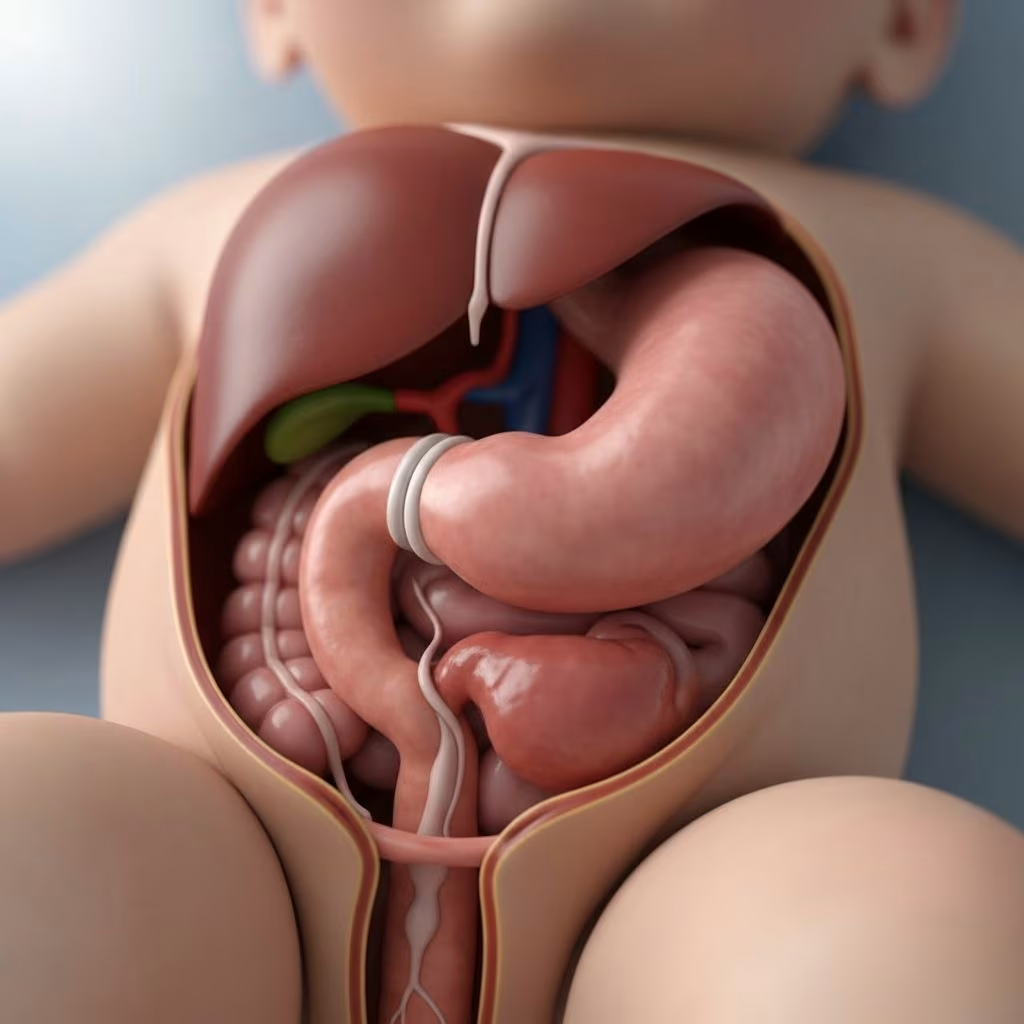
Pyloric stenosis is a serious gastrointestinal condition affecting young puppies, where the pylorus muscle thickens, blocking food passage from the stomach to the intestines. This leads to projectile vomiting, dehydration, and growth issues, requiring prompt veterinary diagnosis and surgery for resolution.
Understanding the Anatomy and Blockage
The pylorus serves as the gateway between a puppy’s stomach and small intestine, controlling food flow through rhythmic contractions. In pyloric stenosis, this muscle hypertrophies abnormally shortly after birth, narrowing the channel and preventing proper digestion. Puppies typically show signs between 2-6 weeks old, as the thickening progresses postnatally.
This congenital issue disrupts nutrient absorption, causing persistent hunger despite vomiting. Without intervention, it escalates to severe dehydration and metabolic disturbances like alkalosis from fluid loss.
Recognizing Early Warning Signs
Pet owners often notice initial subtle changes that worsen rapidly. Key indicators include:
- Projectile vomiting: Forceful expulsion of milk or food shortly after meals, shooting several feet away, unlike normal spit-up.
- Constant hunger: Puppies eagerly seek more food post-vomiting, failing to gain weight.
- Dehydration signals: Sunken eyes, dry gums, reduced skin elasticity, fewer urinations.
- Visible stomach waves: Peristaltic movements seen under the skin as the stomach contracts futilely.
- Lethargy and weakness: Due to malnutrition and electrolyte imbalances.
These symptoms demand immediate vet attention, as delays heighten risks like aspiration pneumonia or seizures from alkalosis.
Risk Factors and Potential Triggers
While the exact etiology remains unclear, several factors contribute:
| Factor | Description | Impact Level |
|---|---|---|
| Genetic predisposition | Higher incidence in certain breeds like Siamese-related lines or brachycephalics. | Moderate |
| Antibiotic exposure | Erythromycin use in neonates or via mother’s milk linked to muscle thickening. | High |
| Family history | Siblings or parents affected increase odds. | Moderate |
| Gender | Males affected 4-5 times more than females. | High |
Environmental influences, such as early weaning or formula feeding, may exacerbate risks, though primary cause is multifactorial.
Diagnostic Process in Veterinary Clinics
Vets start with a thorough history and physical exam, palpating the thickened pylorus as an olive-like mass in the abdomen. Confirmatory tests include:
- Abdominal ultrasound: Gold standard, measuring muscle thickness over 3-4mm and pyloric channel length.
- Blood work: Checks electrolytes, revealing hypochloremic metabolic alkalosis.
- X-rays or contrast studies: Show delayed gastric emptying if ultrasound inconclusive.
Early diagnosis prevents complications; most cases confirm via ultrasound in under 30 minutes.
Pre-Surgical Stabilization Protocols
Prior to surgery, correcting dehydration and imbalances is critical, often taking 24-48 hours via IV fluids and electrolytes. Monitoring includes serial blood tests to normalize pH and potassium levels, ensuring safe anesthesia.
Some pups receive antacids to soothe irritated stomach lining from repeated vomiting.
Surgical Correction: Pyloromyotomy Explained
The definitive treatment is pyloromyotomy, a low-risk procedure splitting the hypertrophied muscle without cutting mucosa.
Options include:
- Laparoscopic approach: Tiny incisions, faster recovery, minimal scarring.
- Open surgery: Traditional method for complex cases, still highly effective.
Performed under general anesthesia, success exceeds 95%, with feeding resuming hours post-op. Hospital stays average 1-2 days.
Post-Operative Care and Recovery
Recovery focuses on gradual feeding restart with small, frequent meals to avoid overload. Pain management uses safe analgesics like acetaminophen analogs.
- Monitor for residual vomiting (occurs in <5%).
- Watch hydration and stool patterns.
- Follow-up exam at 1-2 weeks.
Most puppies thrive, gaining weight rapidly within weeks.
Complications and Rare Alternatives
Surgery risks are minimal: infection (<1%), incomplete myotomy (reoperation <1%). Non-surgical options like atropine are less effective, prolonging hospitalization and relapse risks.
Preventive Measures for Breeders and Owners
Screen breeding pairs for history, avoid unnecessary neonatal antibiotics, and monitor litters closely from week 2. Early bottle-feeding adjustments may help.
Long-Term Prognosis and Outcomes
With timely surgery, prognosis is excellent; affected puppies lead normal lives without recurrence or fertility issues.
Frequently Asked Questions (FAQs)
What age do symptoms typically appear in puppies?
Usually 2-6 weeks, peaking at 3-5 weeks.
Is pyloric stenosis fatal if untreated?
Potentially, due to severe dehydration, alkalosis, or aspiration.
Can medication alone cure it?
Rarely; surgery is standard for reliable, quick resolution.
How soon after surgery can my puppy eat?
Often within 4-6 hours, starting with small amounts.
Does it affect adult dogs?
Extremely rare; primarily a neonatal condition.
Is it hereditary?
Partly; familial patterns observed.
References
- Pyloric stenosis – Diagnosis and treatment — Mayo Clinic. 2023-10-15. https://www.mayoclinic.org/diseases-conditions/pyloric-stenosis/diagnosis-treatment/drc-20351421
- Pyloric Stenosis — Washington University School of Medicine Pediatric Surgery. 2024-05-20. https://pediatricsurgery.wustl.edu/patient-care/congenital-and-pediatric-conditions/pyloric-stenosis/
- Pyloric Stenosis (HPS): Symptoms & Causes — Cleveland Clinic. 2024-02-10. https://my.clevelandclinic.org/health/diseases/4524-pyloric-stenosis-hps
- Pyloric Stenosis — Children’s Hospital of Philadelphia. 2023-11-05. https://www.chop.edu/conditions-diseases/pyloric-stenosis
- Pyloric Stenosis — Nemours KidsHealth. 2024-01-12. https://kidshealth.org/en/parents/pyloric-stenosis.html



